Ep 11: Would You Risk Your Life For Theater? (Feat: Harriett D. Foy)

Podcast

Every week, culture critics Diep Tran and Jose Solís bring a POC perspective to the performing arts with their Token Theatre Friends podcast. The show can be found on SpotifyiTunes and Stitcher. You can listen to episodes from the previous version of the podcast here but to get new episodes, you will need to resubscribe to our new podcast feed (look for the all-red logo).

This week, the Friends talk about Godspell at Berkshire Theatre Group, the first musical to be performed in from of a live audience using union actors. There’s a lot of plastic involved, and masks on stage, which is admirable but they can’t help but wonder: Who would want to risk their health to go see a show right now?

Then, the Friends review a show that is safe, the Zoom tarot readings currently being presented from Strange Bird Immersive, a Houston-based company that specializes in escape rooms. They can’t do escape rooms but their actors are doing tarot readings online which are actually quite unnerving and accurate.

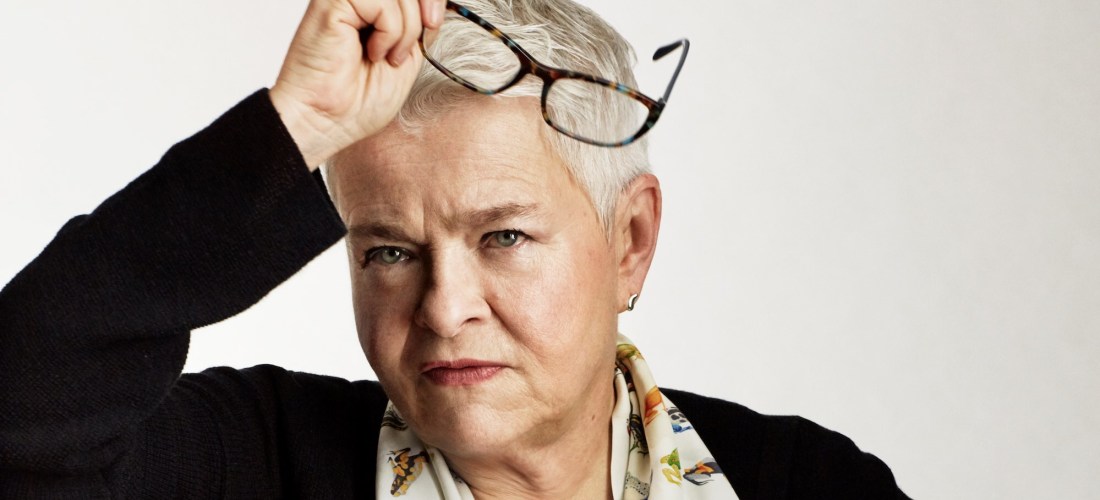
This week’s guest is actor Harriett D. Foy, who is currently playing the ultra-religious Patrice in P-Valley on Starz, a new show written by playwright Katori Hall based on her play Pussy Valley. Foy talks about reading mean Tweets online and the upcoming virtual play she’s doing to celebrate the centennial of women’s suffrage: Finish the Fight by Ming Peiffer. It will premiere on Aug. 18 and is about the unsung women of color who helped win women the right to vote. It will be available after the 18th for you to view whenever.

Here are links to things the Friends talked about this episode:

Diep:

Hi this Diep Tran

Jose:

And I’m Jose Solis.

Diep:

And we’re your Token Theatre Friends, people who love theater so much, but I don’t know about you Jose, I would not risk my life to go see “Godspell.”

Jose:

I would consider risking my life for like JLo or like Madonna or like Kylie maybe Audra maybe Kelli. I wouldn’t risk for life for, no I wouldn’t, no.

Diep:

Don’t tell Kelli O’Hara your fav that you would not risk getting COVID to go see her. Oh my god, what kind of fanboy are you?

Jose:

Well, definitely not that kind of fanboy. I would tell her that if I want to keep seeing her work. I don’t want to die this one time, so I can see her throughout her entire career. Cuz I need to see her in The Hours opera.

Diep:

Oh your favorite movie. And it’s like it’s so weird, is she going going through Julianne Moore’s entire catalog? Do you think she’s gonna do “The Hand That Rocks the Cradle” the musical?

Jose:

I mean, that’s like very early Julianne and I do not want to see Kelly O’Hara die because like the Rebecca Martin it kills her with like all the glass things in the glass house. So definitely not. But I cannot wait to see Kelli O’Hara in a Magnolia musical, in maybe “The End of the Affair” opera. I have plans for you, Kelli. Call me.

Diep:

We’ll make something happen. During quarantine, we’ll do a Zoom reading. So today we’re going to be talking about the first Equity musical to be presented to a live audience with live actors during a global pandemic in America. Awesome, I guess. And then we’re going to be talking about the show that we both experienced as part of from the company Strange Bird Immersive, we both got a tarot reading so we’re talking about that, we’ll talk about what is in our stars. And who are we talking to today, Jose?

Jose:

Today we’re gonna be talking to Harriett D. Foy, who is an actor in “Finish the Fight a play that one of her faves, Ming Peiffer, who we interviewed so go check out that episode, wrote to commemorate the 100th anniversary of women’s right to vote in the United States. It is so insane that women weren’t allowed to vote but that’s another podcast so we’re not gonna go into that.

Diep:

Yeah. And you can also see Harriett right now in “P Valley” on Starz written by our other theater favorite Katori Hall. See it all comes back. So what was your first reaction? When I sent you that article about how Berkshire Theatre Group is doing “Godspell” outside, the New York Times wrote the article, and it was about how they’re trying to make it safe for actors and the people watching by installing plastic partitions between every actor and separating the audience members by six feet, everyone’s required to wear a mask, the show’s outside in a tent. How was your first reaction? How did you feel?

Jose:

You know that Viola Davis gif from “How to Get Away With Murder” where she grabs her purse and just leaves? That’s my reactions to everything related to this “Godspell,” let me go find my purse.

Diep:

Like they didn’t invite us but if we if they did, we wouldn’t have gone

Jose:

Or we would politely decline.

Diep:

Yeah, cuz I’m not going on a bus or a train right now.

Jose:

Can you imagine being a bunch of strangers like when people barely wear their masks on a subway like being on the subway right now is one of the most terrifying things you’ll ever see. Like the other day, I had to go into the city and someone brushed my knee because I was wearing shorts. I don’t wear pants in the summer. So they’re brushing my knee with their bag and I just like grabbed my hand sanitizer, I’m scrubbing my knee. Like I’m freaking you know, Leonardo DiCaprio in “The Aviator.”

Diep:

Yes Howard Hughes. Yeah, I’m really torn. Because on the one hand, it is really important to try to figure out how we’re going to present live theater because they say you know, COVID is not going to go completely away even if we get a vaccine. So we should all, so the industry should figure out much better practices to make things more sanitary. Cuz even before, everyone’s just so close backstage, there’s not good circulation at a Broadway theater. Like everyone, everyone’s forced to work when they’re sick because they don’t feel like they can take the time off. And so I support any measures that really, you know, lets people not go to work if they feel sick or gives them better working conditions. But I don’t know if turning actors into lab rats right now is a good idea.

Jose:

It’s basically, it’s that and then it’s so ironic, I would say to quote, Alanis Morissette, that this is happening. And then during “Godspell,” which is a show about, you know, basically what people were supposed to learn from like Jesus I guess, and from the Bible which is just be freaking kind to each other, take care of each other. Do not put actors to work in the middle of a pandemic, just because they need work. Find ways to give them work that’s not endangering their lives.

Diep:

Yeah, like Zoom readings, like what’s stopping any of these companies from putting on, from signing a SAG a contract with the Screen Actors Guild and putting on like a virtual show? Like not in front of paid audiences like why don’t they do just like a virtual Zoom musical reading and try figure out a way to make that entertaining rather than spending like hundreds of thousands of dollars to install, install plastic partitions on an outdoor stage?

Jose:

Yeah, in fact, the very first thing that came to mind, I’m gonna read it. I haven’t memorized the lyrics of this but I thought about this song, ironically, from “Godspell” called “Learn Your Lessons Well.” And you know, the opening lines are “I can see a swatch of sinners sitting yonder and they’re acting like a pack of fools.” I hope the people sitting there without their masks, did you see the people who are wearing their masks like—

Diep:

Yes, there’s a photo in the New York Times where half of the people in the photos weren’t even covering their noses.

Jose:

Meanwhile to quote the show, “you better pay attention, build your comprehension.” Do better.

Diep:

Yeah. I wonder if this is like, you know, I think a lot of people are having a hard time accepting the fact. And I think it’s the same for the people who don’t wear a mask. Like they don’t want to accept the reality of the situation, which is we’re at 4 million people with COVID. And life will not go back to normal for a very, very long time. I was shopping and I ran into someone who works in the theater and they were telling me how like, certain Off Broadway theaters were talking about not coming back until fall of 2021. And I think it’s people not accepting that we need to have a new way of working for at least the next year and they want to go back to as much of before as humanly possible and not really thinking through, is that the smartest way to do this? Or can we? Or is there like a new way to do it that we haven’t comprehend it yet? Because this it was basically like, a musical except there’s plastic everywhere and people can’t talk to each other. Like, how is that satisfying?

Jose:

It sounds fugly AF.

Diep:

It’s like a lot about letting go, you know, like letting go of what you expect to 2020 and letting go of like all the plans that we all had, like letting go of what I expect theater to be and I feel like a lot of people aren’t willing to do that yet and the industry really needs to support people in like, giving them health insurance even if they’re not working, for example. Because some of the actors were doing the show because they needed health insurance.

Jose:

It’s heartbreaking that our field that prides itself in its imagination is showing such a lack of any creativity right now. And you know, like putting, I mean, people are complaining about having to see a play on their screens at home. How is seeing a play with people in boxes any better? You know, what are they willing to sacrifice? What are they willing to put up with? Like you know, it just defies the logic.

Diep:

Mm hmm. And as audience members I feel like we’re the safest because we don’t have to give up that much in order to go to a theater and put on a mask and you sit six feet away. Why are you not thinking of the fact that you’re you’re making these actors work to entertain you, and they have to quarantine themselves and they have to make sure they’re not sick and they have to, and like they’re risking their lives for what? You know, for what?

Jose:

Are we really the safest though? Like, it seems to me like one of the requirements for most audience members in New York of a certain age is do I have a horrible cough today. Yes, I do, that it’s time to go see every show this week.

Diep:

Oh my god. Imagine if we go back to the theater. And every time you hear a cough or sneeze in the audience, you’re just like, get me out of here.

Jose:

Yeah, it’s gonna be that and you know, you know that thing where like someone coughs, and then they give permission for everyone to cough. And then suddenly, you can’t freaking hear whatever Tracy Letts wrote about straight men onstage because all the people are coughing over that..

Diep:

What do you think theater should be doing right now instead of trying to put shows up on stage?

Jose:

Everything you said about you know, fair wages, in finding ways to compensate actors or artists for their work, and also they could do something as inventive and as fun as what we did with Madame Daphe, so we should just leave Godspell in the past and move on to the future. Like I wonder if Madame Daphne saw any Godspell for you in your future.

Diep:

So, so for some context, Madam Daphne’s tarot reading is this the 15-minute program that this company called Strange Bird Immersive, they do escape rooms, they’re doing tarot readings right now, because they cannot do escape rooms once again, because of COVID. And it’s really lovely. Like, you know, like I saw Madame Daphne on Friday. And I’ve gotten a tarot reading from you before Jose, and I felt really comforted because the thing about tarot reading is you got to go in with, like a question or concern or something that you’re really thinking about, and that, and that day, I had just been notified that, you know, I’ve been furloughed since April, but I’ve been notified that now I’m actually laid off from Broadway.com, which is what it is, you know, it is the times that we’re living in. So I just been like feeling really uncertain about everything and she actually asked me what I was thinking about. And I told her that and she was really compassionate about it, and she pulled some cards for me that really made me feel like I had a lot of a lot more options than I thought I did. You know, like the first card she pulled for me was like the money card, because I telling her like, I was feeling uncertain financially and the stars gave me the money card and saying, this is your issue. And she also said, I don’t know how she knew this, maybe she researched me or something. She also said that one of my issues is like I want to be of service to people in the world and I don’t really know how to do that right now. And my next step is figuring out how to and I felt really, that felt weirdly accurate. How about you?

Jose:

It felt weird because one of the things that I really loved about the show was I went into it with not preconceptions per se, but with a little bit of skepticism. And the reason why is because I am also a tarot reader. I have I have been doing this since I was 16 years old, which means for three years now. Okay, you know, over half my life, right? I’ve been doing this for 18 years, and I have developed my own technique and my own way which I read, and I thought that once I went into Madame Daphne’s booth, it was gonna be a little bit more about you know, the show, a bit more about you know, like, just general reading. Something cute right, something for fun, because we haven’t mentioned that also Strange Bird Immersive is doing this as a means of raising funds while they can’t do their escape rooms and the traditional things that they do. So also the readings are like $20 and I do believe it’s worth every cent. So anyway, I go into Daphne’s booth, and I’m thinking that, oh, she’s just gonna give me like a very generic reading right? And lo and behold, in like 15 minutes she did the Celtic cross for me, which is like one of the most complex, thorough spreads in tarot. And not only that, but she was really fabulous at it. She was a great tarot reader, and I was impressed because she did it all in character. So let me find the name of the actress.

Diep:

Oh yeah I have the name of my actress too.

Jose:

Is it the same one, who’s yours?

Diep:

My actress was Amanda Marie Parker. There’s a spider.

Jose:

There’s a spider where?

Diep:

There’s a spider on my wall I thought I thought it was like a fruit fly but it’s a spider. So I’ll just let her go. I’m not going to feed her to my plants. You will live another day spider.

Jose:

Are you also afraid of spiders?

Diep:

No, I’m not. No, I’m not afraid of insects. It’s more like it’s really annoying when you have plants and there’s fruit flies everywhere. So I’m very grateful for the plant I bought that eats the flies.

Jose:

Do you have a venus flytrap?

Diep:

No, I have a pitcher plant so the insects go into the pitcher and then they drown and then the plant digests them. I love my pitcher plant. Her name is Audrey II.

Jose:

Okay, I also got Amanda too. I was very impressed because the actor Amanda Marie Parker did it the entire time in character and she has this like really cool almost like Wizard of Oz accent where it’s like British.

Diep:

Like a Mid Atlantic accent right?

Jose:

Yeah, like a classic Hollywood like weird, you know, like really, really charming accent and she does that reading which is very accurate and she’s putting a lot of herself into it while improvising, you know being in character. What do you think about her bird?

Diep:

I love the bird, I love Walter. I’m really glad he was there the entire time. He seems very sleepy. So I hope he is more animated in future readings. But yeah, I feel like the thing about immersive experiences and you know people being character in front of you is sometimes it can take you out of it if they’re not. If you feel like they’re not actually responding to you in the room, if you feel like they’re sticking to a script. And what I find fascinating about having an actor do a tarot reading is the fact that, the point is, you as the audience have to ask them questions and they have to be able to respond. And she responded so authentically that I feel like she was a real person, and not playing a character because like I could see like her eyes like understanding me when I was saying I was having a really hard time and feeling really depressed, like there was compassion there. And so I’m wondering like, do they give these actors like a tarot class, did they come already with this experience? Like it was really interesting like just how authentic it seemed even if you knew she was an actor.

Jose:

Don’t try to go behind the magic. Like you’ll ruin for yourself. I don’t want to say how they do it because I don’t want people to steal their idea or whatever. But they do, you know what you said where you felt like she was looking into your eyes. This is the only I believe the only thing I’ve ever done on Zoom that made me completely forget I was on Zoom, that made me completely forget that I was sitting in front of a screen. And at the very beginning of the performance, she goes through a process, don’t give it away, she goes through a process that makes you go like, Okay, this is not Zoom anymore. You forget it’s Zoom. Maybe she was hypnotizing us. So if only for that, even if you don’t believe in tarot necessarily, or if you’re skeptical about that kind of thing, go so you’re kind of forget yourself for half an hour. I mean, it’s like 20 minutes, but you know what? I mean? Isn’t that thing at the beginning? Wasn’t that like mind blowing?

Diep:

I wish I wish I had the option of forgetting that I’m on zoom. I wish people used that Zoom functionality because it is a functionality. But I’m not gonna tell you because Jose told me not to.

Jose:

Yeah, cuz I mean, this company is doing such fun work that, yeah, we’re not gonna spoil it for people.

Diep:

Yeah. I also tipped my actress after. So, you know, I hope if you go and you see it, and it was a comforting experience for you that you know, you do the actor a solid and like tip them after for making us forget for a little while that, you know, we’re living in hard times. And it truly was comforting, though, she did say the devil card is in my future and I have to figure out a way to get myself out of that bind.

Jose:

I’m smiling because the devil card is the card of lust. 

Diep:

Oh no, this is not a good time. You cannot be a hoe right now. This is not the time to be a hoe it is unsanitary.

Jose:

Yeah, I’ll send you a rabbit.

Diep:

Oh how sweet. They’re so expensive. Okay, but since you are also tarot card reader Jose, do you want to pull a card for us today and see how we’re going to do?

Jose:

Why not? I have my tarot deck next to me. Am I your Madame Daphne today?

Diep:

Yeah, yeah, you need beads though, you need beads and a robe and some candles?

Jose:

The card I got today is the ace of wands. Can you see it?

Diep:

The wand looks really phallic.

Jose:

That’s the devil talking. Daphne was right. This is really awesome because it means that amazing ideas creative ideas, exciting, interesting, it’s gonna literally pop from the heavens for us and we have to just make sure to grab it. So go for it.

Diep:

Okay, I guess that means we’re going to continue doing this podcast. Thank you universe.

Jose:

Yes. And if you see something falling from the sky, go for it unless it’s an AC, then just run away from it because you don’t want to get hit by that.

Diep:

Yeah. And if you want to get a tarot reading that’s not from someone who’s in character, Jose’s also started doing them. And is it okay if I plug?

Jose:

Am I our own Casper mattress?

Diep:

Use code TTF for a 10% discount on your reading. He’ll give you a card for free.

Jose:

I mean, plug me by all means if you think I’m worth it.

Diep:

Yeah, I do. I do. We’re all having to build up our side hustles and I feel like yours is like one of the most creative ones I’ve seen. And also one that’s bringing a lot of comfort and joy to people.

Jose:

That must be the sweetest thing you’ve ever said to me. And I’m glad you said on camera so that I can remind you when you’re being mean. Thank you, but yeah, hit me up, you know how to find me, email me. Happy to do a reading for you.

Diep:

Yeah. And if you just want a quick reading then Madame Daphne is also available at Strange Bird Immersive, so book them. Go. Go have a one on one theater experience with a stranger.

Jose:

Amen. Now let’s go talk to Harriett D Foy. Who I love so much. You didn’t see “The House That Will Not Stand” [Off Broadway] right? She was mindblowing in that and she’s also been incredible in “P-Valley.” We’re excited to be talking to her about this new project. So let’s go to Harriet. I am so excited to have Harriet D Foy joining us today, I love you so much. And I’m sorry that I’m kind of like fanboying all over you. But like every time I’ve seen you, and then I was like, you know, going through your credits, I was like, I have seen you so many times. And you blow my mind every time. I was watching “P-Valley,” and I didn’t know you were in it. And then I saw you know, and I even screen shot it, like she’s in this?! So anyway, sorry about that. Welcome, and thank you.

Harriett

I love all of that. I receive all of that good energy. Thank you.

Jose:

Thank you for joining us. You are going to be in “Finish the Fight” which is a play that Ming Peiffer wrote about, you know, I was like mind blown to think that a century ago women couldn’t vote and right now our voting rights are in so much danger. Like, can you talk us just a little bit about why you wanted to be part of this?

Harriett

Well, for me, it’s exactly like what you’re saying. It’s like, it was like a history lesson like we used to back in school get like a bit during Black History Month, like what was going on. And when I started looking up Dr. Mary McLeod Bethune, I was like, Wow, I didn’t know she did all of that. You get one little snippet. And then I thought, well, how important is that, that we’re still fighting for some of these same things that 100 years ago, we couldn’t even do it. And yet Black women were still at the back and women of color. So I was like, man, I have to do this piece, because there’s a history lesson for you know, people now that they need to know like the younger generation and some of the older generation.

Diep:

Yeah, and because the thing about like, women’s suffrage is, it’s kind of like, you know, the women’s liberation movement in the 60s like, women of color were a part of it but you never see it in any popular media most of the time. It’s centered on white women.

Harriett

Exactly. And I think too maybe if you’re not like the pretty one or the, you know, favorite, then you weren’t in the forefront. Like some of these women who were like, major badass is like the activism that they did. I was like, Are you kidding me? I had no idea. Like every page, like when we had like our read through together, I was like, Who is this lady? And why don’t I know her? So I felt bad. I had to go do some more research. You know what I mean? Like, how do we not know this? So that’s why I’m glad this piece is out in that The New York Times has commissioned it and directed by Whitney White, one of my favorite directors, and it’s an amazing cast. So yes, I’m sorry. I’m taking up all the time.

Diep:

You’re supposed to if we’re talking. Yeah, if we’re talking too much, we’re not doing our jobs right. What’s it been like rehearsing something remotely, especially if you’re rehearsing a new play remotely because we see a lot of classics being done. But this is a new piece.

Harriett

Well, here’s the thing. So I’ve done a couple of readings. So I kind of had a vibe for it. And they sent, the New York Times sent the equipment. So there I’m trying to unfold the background, it comes out, I took over my mom’s basement. I was in Maryland for like, literally seven months just because of the corona and everything. So I do it, I set up the lights, and I’m all ready to go by the time they come on. So my computer setup with the Zoom Room, they’re in the Zoom Room, and I’m literally doing like the lights like what you would have your crew do. I felt like I was like, Yes. Oh, so that’s what they’re doing when we’re standing there. And they’re, you know, trying to get the right light on you and everything. It was really, it was really cool. And I felt actually more free in that way just to create and do it. And some we would try to do it off the book. So some of the lines I had, because it was a lot of material in a short amount of time. But then I just turned on my, how you have to audition for a film, mind and it’s like boom, boom, boom, it was fun. And did my little marks it. I had a good time. Of course there’s nothing like being in a live theatre and getting that immediate response. But I think this will last a lifetime and you can always go back to it, you know and use it in school like as a tool to teach.

Jose:

Did you ever think you were going to be doing a new play in the midst of a pandemic?

Harriett

I did not. So when it came about, I was like, wait, we’re gonna do what? How? So wait, how’s this gonna work? Like, okay, I’m down. Let’s see if it works. And it did. You know, I think it’s gonna be a really great experience. I think people will be amazed at the look of the piece. And just editing is key in this which I want to learn more about. And it just makes me want to learn more about this medium, you know, because it seems like that’s what we’re going to be using for some time. So I think you can focus more on these women who are the unsung heroes. I think you can focus more on their story. Because you’re going to be up close and personal.

Diep:

And one of the things I’ve been really loving about this time, you know, I mean, we can’t gather in a room, but people are putting things up so quickly. I’m sure that the New York Times thing, I’m sure took like a week or two to do that entire thing. And you’ve got new plays, you did “The House That Will Not Stand, “On the Levee.” And those things take years and years to do. And so has this been refreshing to just you know, wham, bam, we’re done.

Harriett

It was a little unnerving. At the same time, too, I’m open to every experience now. There is something to taking that time like we did with “The House That Will Not Stand” by my bestie Marcus Gardley, who wrote that part for me, Makeda. Yes, because we worked on that. We did it at Yale. We did it at the theater lab in Berkeley Rep. So it was like at least five years maybe pulling that to bring it to New York. And even before that, we worked at New Dramatists. So when we were just doing it as a reading, so it took a minute. But yeah that that was a good piece. Oh child I forgot the question because you know I was talking I have five thoughts because I’m a Virgo, Gemini rising so the Virgo was real like, you know, here, and then the Gemini like damn, stay on point Harriett!

Diep:

What’s your horoscope telling you right now?

Harriett

Miss thing, focus! Child, you know this is like my second interview since we’ve been doing um “P-Valley” and for “Finish the Fight,” this is my first with finish the fight so you know. And then I didn’t know it was on camera I was like oh I gotta put a bead on, put some gel in my hair. I thought we was just gonna be talking

Diep:

You look gorgeous like I want to know what you’ve been doing with your skin during quarantine you know it’s just so glowy and dewy.

Harriett

I’m going to let you in on a secret girl rose water glycerin is key. And you have to wear sunscreen, I know people don’t want to but you have to do it every day. And you have to take your makeup off at night. Moisturize moisturize moisturizers, as Wendy Williams says honey. Because I’m 80. [laughs]

Jose:

And then you probably smell wonderful because of the rosewater all day long right?

Harriett

Listen, just a little vanilla mist. Just a little.

Jose:

Yeah. Oh my god. If you launch like a fragrance line, I’m buying everything.

Harriett

Oh, thank you. Yeah, I love those earthy scents that that make you feel real sexy. You know, just like, oh, what are you wearing? And you just like, mmm, you know?

Jose:

Yeah, we need to be best friends at some point.

Harriett

Yes. Wait, what are y’all signs?

Jose:

I’m an Aries.

Diep:

Yeah, I’m a Taurus with a Taurus rising

Harriett

Your house must be really nice.

Diep:

Now it’s nicer than ever because I have time to buy plants, water the plants, decorate.

Harriett

We just talked about those plants. We just talked didn’t we?

Jose:

She knows that I have the worst green thumb.

Harriett

You’re changing that energy you’re going to have new green thumb energy, change that. Yes. In fact, you should do you know, smudge a little bit, and just change that whole energy and get you a new plant. Start with maybe a, the aloe vera plant. You can’t go wrong with aloe vera.

Diep:

Get a pothos because you cannot kill those.

Harriett

Or snake plant. Oh, yeah. Yeah, very little, very little watering this, put them in a spot and just give it love.

Jose:

And I have a new energy thanks to you. So I’ll, I’ll remember that. I want to talk about you know, that moment in “The House That Will Not Stand,” that’s like, you know, you know which moment. And always like, electrifying, and after watching you on stage, I wondered, and now knowing that you did this part for five years, how do you do something like that every night? And how do you then cleanse and like release yourself from a character like that?

Harriett

That’s a great question. Thank you. So okay, when we were doing it at New Dramatists, that particular monologue wasn’t in there. So we came to the rehearsal. I think Patricia McGregor was our director at the time. And Marcus came in. He says, Oh, I have some new pages. He says he always called me diva. “Diva, I got something for you.” And I was like, What? So he gave it to me. It was like five pages because it was a five-page monologue. And I was like, okay, and I read it. And it was like, I connected immediately with the words. I had never looked at it and people thought I had looked at it the night before. And it was because it was our history. It was like every ancestor spoke to me and I could connect it to it in such you know, like a grounding way. It was like I was in the pocket and it just came, the rhythms that you heard it was, that’s how I spoke it, because I could hear the drums and all that. What would happen because we were at New York Theatre Workshop and it was a close, it was a great cast.

It’s like literally I would be exhausted after the show. And Joniece [Abbott-Pratt], who played Odette, we would walk home after the show from New York Theatre Workshop and I live in Midtown and she lives in Jersey, but I needed that time to decompress. And I didn’t want to be like enclosed on a bus or enclosed on the train and we would just walk and gradually release it. Because you do have to release it, because it was such an emotional journey playing Makeda you know, from beginning to end being enslaved and then getting that freedom and then trying to take care of this whole house. But yeah, that’s that’s true. I would warm up, get to the theater early and warm up. Always say a prayer before I start each show, you know, and I always celebrate one of my ancestors, as if I imagined that they watch me every night, so I call a name particularly before I started a show, say, this one’s for you tonight.

Diep:

What can you tell us about the movie version?

Harriett

I can’t say anything. I just don’t know. I don’t know who I’ll be, but I hope to be in it. But you know, because things change and film, you know,

Jose:

No one else can play your part, like, it’s yours.

Harriett

You know, thank you. I received that. Thank you. I did try to put my foot all the way in it. So you would always remember Harriett D Foy as Makeda. Yeah, Makeda and I are one. I will find that when I was doing other pieces, that particular monologue, phrases, words would come to me and I’m like, “Girl, you trying to play Nina Simone? How are you talking like Makeda?” Because she would just come to me. So I was like, okay, what’s happening now, I need to connect in some way with the ancestors with, you know, history or something. So yeah, she’s always around. I want to do it again. I want to play her again. You know, because there’s so many layers when you come back to a part, like coming back to it. After we had done it and we were away from it. It was just a whole ‘nother level for me. And the connection and the way that we were allowed to play in the cast and how we reacted with each other, it was powerful. And especially I think blackout night It was all I could do not to cry the whole time because I mean, just the way they were, everyone was so supportive that night, it was nothing like it. You can’t describe it. It’s nothing like it.

Jose:

Does it feel like slipping into like, your favorite pair of jeans when you get to play her again?

Harriett

Right literally like putting on yes, putting on her clothing. That was a different outfit and a different, I’m sorry, costume, different hair. But she was still the same, her energy. You know, it was fun. I was more relaxed. And you know, before we actually had, Oh Lord, what was his name? On the table? The father. We actually had an actor playing that part. But this time Marcus is like no, I want him to embody you and you become Lazaar, and I was like, okay, is this gonna work? Are people going to. because at first I was a little nervous about it, I was like, how is this going to work? But once I let go and just did it, it was like, there he was, you know.

Diep:

So I was looking through like what you’ve done and I’ve noticed that it’s like really deep, almost even split between period pieces like “The House That Will Not Stand,” was period versus like modern like “P-Valley” and lik as an actor, what’s like your favorite kind of genre to do and what’s like the different preparations you have to do in order to….

Harriett

Well, here’s the thing. I love doing comedy. I’m really a clown, but I don’t get to do as much as I would like to. Like I love pratfalls. I love anything like that. So I think “Mamma Mia!” [on Broadway] was as close as I could get to doing like a good comedy, when I did that on Broadway and played Rosie. That was one of my favorites. Yeah, I would love to do more of that. What was the piece where they’re all running around, it was on Broadway a few years back. “Noises Off,” that kind of crazy you know when you walk into doors, stuff is crazy, do it over like five times. Oh no no no the one with a whole set fell apart.

Diep:

“The Play That Goes Wrong.”

Harriett

Oh my god that was brilliant, that kind of stuff I want to do that because that’s the last, I love the drama, but comedy is everything you know.

Jose:

yeah I love that because I think that a lot of people especially outside of New York if people haven’t seen you on stage are gonna get to meet you now that you’re a series regular in “P-Valley.” And I mean this as like the utmost like compliment, but Patrice is so terrifying.

Diep:

And also funny, in a weird way.

Harriett

Katori has given us the writers room, they gave us some really great lines. Okay, Uncle Clifford gets the best lines. But Patrice has a few zingers that are good. Um, what I love the best about Patrice and how she’s resonating is that, I received that, when you just said, everybody hates her. [laughs] And Katori says, she said, I want you to dislike her. But I also want you to understand where she’s coming from. People, I literally want to do a thing where I read like the fans, like mean tweets, or like what they say on their reviews. “Honey, she would eat concrete, if it was me, I would have punched her dead in the face.” I’m like, what??? And so I’ll comment sometimes and they get a kick out of that. Listen, honey, Patrice is no joke. You know, I was doing a show, the audition came, and I just really couldn’t focus the very first time it came through because I don’t know, I was doing Nina Simone [“Nina Simone: Four Women”]. I don’t know. But whatever part I was doing, I just couldn’t do it.

I was doing another Marcus Gardley play, “A Wonder in My Soul” at Baltimore Center Stage and it came around again. I said, Oh, you better pull this together. So we got together. My cast mates helped me audition and stuff like that. Then I got the call. Come to New York, audition, then I went back and they were like, nope, gotta come back, call back. I was like, Oh, this is serious. So I really, really had to learn the lines honey. I came to the callback. It was very emotional. I felt again, the ancestors were there with me, it was something like I’ve never felt before. Like, I literally felt it all over. And in my mind, I was like, I think this is your part. And like, I’ll start to cry if I think about it too much, because that’s how it felt in the moment. Katori got up and gave me a hug because I literally was overcome. And the fact that the song that I sang, they asked me to sing, was the same song I was singing in, “A Wonder in My Soul,” “I Know I’ve Been Changed.” And I was like, oh my god. So girl, it was all. It was the audition. The callback was the episode one in the parking lot with Mercedes.

Diep:

Yeah, my God, that scene.

Harriett

Yeah, Patrice. I feel like all the roles that I played leading up to her, Princess Peyei in “Amazing Grace” [on Broadway], Dr. Nina Simone, Odessa [in “The Young Man from Atlanta” Off-Broadway], Makeda, were all forming me and shaping me to play Patrice, you know, my first series regular.

Diep:

Did Katori you at Baltimore Center Stage and that’s how she knew to put the song in?

Harriett

No, do you not know Katori? When she first came to New York and she used to do her plays at the Lark, you know, and it was like, we come in as actors and read and they give us a little you know, la dee da that kept you know, for transportation and stuff like that. And I remind her, I said, girl, remember when I was doing your plays back in the day. So no, there’s no way she would have known because she was busy casting “P-Valley” and writing and creating that whole thing. So yeah, it was just, that’s how it is sometimes. So when it’s meant to be you know.

Diep:

Okay, so I’ve never heard of anyone look up mean comments of themselves online, like someone, someone, someone who is in public like you are because I was on your Instagram and all of your comments were “Oh my god, how dare Patrice” and “she should not have done that.” Like how do you separate yourself from the character when you read that stuff? Because acting is so personal.

Harriett

Yes, it is. And I love playing Patrice. But I just think it’s all a compliment, because I guess I’m really into it and really, you know, giving it to the people. So sometimes I’ll come and say thank you darling. And they get so excited, like, Oh my god, you responded to my comment! I don’t think people think we read them. But I just scroll through every now and then to see what’s going on, how she’s resonating. Um, it doesn’t affect me. I just feel like I’m really doing my job then if this is people are, you know, seeing her so I’m good. I think there was no, there was one where they were just like, “I hate her. I wanted to jump through the television and beat her.” I was like, “ohhh.” Oh, one guy was like, “we’re going to drive up to the prison and we’re going to get Mercedes out and if you come out, we’re gonna fight!” And I was like, “Bring it, ‘cuz Patrice ain’t no punk.”

Diep:

She’s a God fearing woman but she doesn’t feel normal people.

Harriett

Listen, she will take you down. Mercedes came for her. She fought her. Like people gonna come in her face, what she gonna do? She’s not gonna back down!

Jose:

Every time I see Patrice, like, you know, like, if you’re going through my social media, you’re gonna see she’s my favorite character. Like, every time I see Patrice, I want her to come slap me and tell me that I should be ashamed of myself or something like that. Yes, Patrice. I love the shows specificity, and you know, everything feels so, you know, like all of the ensemble just, you know, someone showed up with a camera and just like captured everyone and everything. Can you talk about what the, you know, the environment is like and what it takes to create the kind of very lived-in experience, especially within the show.

Harriett

I’ll say that’s all due to Katori and the people that she brought on the team in terms of the crew, producers, and the cast. She was very specific about what she wanted, down to the directors being all female, which made for a very safe space that you knew you were going to be cared for, especially for our ladies who had to, you know, be in very skimpy clothing and really do some very intimate scenes. We had an intimacy coordinator, we were having problems, they would come and we’d have a conversation about it and how it was going to be shot. It was a very open space in terms of Katori listening to us and how we thought about our characters.

We all had a private session with her. I don’t know, from my first experience, I don’t know if other experiences are like that. But I’m like, if that’s how it really is, then I am here for television and all that because it felt, we felt loved we felt cared for. I mean, down to like Craftie. It was just, it was a great time. You know, like our support cast, our background actors. It was just a really wonderful time being at the Tyler Perry Studios was great. Even down to our drivers transport, you know, all you could do is just come in, do your part. And the scripts, and the way she’s defined these characters is just like nothing else I’ve seen in a while, except for Marcus Gardley, of course, because you know, I’m partial, And he writes for the child. I, you know, there’s nothing like it. And everybody feels that way. Our entire cast. Everybody in the cast feels that way. You know, we talk about it all the time. We call ourselves family. We have our own little private group that we talk to each other constantly. We get along, we love hanging out with each other. So I’m just saying it was all love. So it makes your job easy. You know what I mean? It wasn’t like work. It was like, Oh, I get to come to set today like yay, because sometimes I wouldn’t see them because Patrice was always at the church or something. So I wasn’t in the Pynk except for that first episode. So when I would get to come to that, I was shooting on you know, in the studios. I’d be like, Hey, y’all, I’m here, you know, so it was always, I was looking forward to that.

Diep:

Do you feel like removed from the party sometimes, like, oh, I have to hang out at church instead of the fun part of the set?

Harriett

Listen church was live honey, it was whooo, she was a whole thing! It was a beautiful church they found, like an hour away. So literally in that car like at 4 am, trying to be there. And it was like an al-day thing. And what I love about the lighting is that we were there and it was night and it looked like daytime the entire time. We came out and it was like, dark, we’re like, oh, oh, it’s night. Like we’ve been a whole day. No, no, it was great. I love working the church, but I’m just saying it was fun to see everybody, you know.

Jose:

Yeah. You were talking earlier about, you know, getting the equipment and having to like, light yourself and do all those things by yourself. So, out of all the new things that you have tried as an actor in quarantine, you know did any of those things you’re like, maybe I want to, you know, try a hand at, you know, directing or lighting or photography or something like that? Did you find any new skills in yourself?

Harriett

Well, you know, we got all of that at Howard University when I was in school, we had to do lighting, we had to build sets, we had to do it, as well as be the actress, my degree was in acting. I’m actually I keep hearing this from friends like Harriett, you should direct, you should direct, because that’s how I think in my mind, like the look of the piece as the actor, because we took directing as well, from Professor Vera Katz. And if anything, I would do that but I love being on the stage so much, I just can’t do it right now. And even people are like, you should teach as well. And I’m like, Okay, I will but I have to do this part first. You know, I’m actually, lighting was kind of cool. You know, getting that right. Look, I didn’t mind that at all. So I could put add that on my resume, take a little you know, refresher course. But yeah, yeah, I definitely want to be a better equipped at the technical aspects. I had to do an interview on Instagram and I hadn’t done one yet. So trying to figure out how to make me look right in that little square, I could, child… I need a course in that and they don’t tell you but it’s okay. I got it now.

Diep:

You’ll get TikTok by the time this is over.

Harriett

I am not TikTok-ing y’all listen. Instagram keeps you busy. The Twitter is a full time job because you have to respond. And I think you have to engage with the fans because they’re the reason that your show is a success. You know, I mean, aside from our beautiful queen Katori Hall, but I’m just saying that they’re there, they’re there for it. I love live tweeting. I love all of it. I wonder. I guess we can’t live tweet with “Finish the Fight” though. I guess because that’ll just be its own thing.

Diep:

There’s a live chat right?

Harriett

Yeah, maybe I’ll be in that because that would be cool. Yeah, but yeah, I love I love live tweeting. It’s everything. Like if someone says something bad about Patrice, I find a good picture of her and I respond. I see you and I put their name and then I put like a smiley face in a church, and money, a bag of money and they’re like, Oh my God Patrice! Like, sorry, Sister Woodbine, but you know, you mean. It’s hilarious!

Jose:

I love that. I want her also to hit me with her purse like, you know, I love her so much.

Diep:

So like speaking of Marcus and Katori. We’re not going to say how long you’ve been in the business, we’re not rude. But I just want to ask like, like, have you seen a change in terms of like the amount the number of playwrights of color or Black playwrights produced or like the style? Because there was all this conversation a couple years ago about how it’s so experimental. Now Black playwrights are experimenting with the form. Have you noticed that?

Harriett

Of course, I mean, more doors are opening but still not enough. I mean, everybody should be able to do their play, everybody should be produced. I mean, we should all, there should be just so many different varieties on Broadway, of color, Black, white, everybody. I don’t understand why it’s always a thing, you know, oh, we’re going to have the Black play and we’re going to have this play. I just think yeah, it’s um, especially, but what’s happening is a lot of our writers, our theater writers are moving towards television, because there is more opportunity. And this is a problem because they’re not going to want to do this theater, and not make as much money or just have to fight about casting and fight about this. I think our whole We See You movement is opening some eyes to that and just like, wow, how people have been, you know, acting and treating people that they didn’t realize. So, yeah, definitely, there is a change but always we could use more. More openness, more opportunity. Yeah, more.

Jose:

Since you live between both worlds of stage and television, I wonder what from the stage that you love would you bring to TV and what from TV that you love would you bring to theater?

Harriett

From stage to the TV, I think is the discipline. That is the key for me, this is how I live my life, in terms of a body, in terms of voice, in terms of how I prepare, and I think that helps with the amount of time that you have to spend setting up a shot and that so you’re always ready every time they say, “action.” I think of it, that’s always the take. For me, you know, that’s eight shows a week, every time is the take. The last episode that you saw. I specifically did not want to pre-record, I want it to be in the moment, so no, even if she’s tired, even if we do it for the 12th take and that’s her voice, I’m thinking that’s her truth in that moment, because it wasn’t gonna work if I’m trying to sing to a track and I’m trying to take you through this emotion to give you the history of Patrice in “P-Valley.” Such an emotional episode.

From television to film, I think really focusing on that internal, not judging, just being in that moment. So truthfully, and just so, what I want to say, just real and not judging. And there’s a little more freedom in that, maybe not as much as like, because you have to be in a specific spot or like land on your mark, but just it was more freedom, even more freedom, from television to that. Yeah. I mean, it’s the same work. It’s the same work and time: how you have to prepare, how you have to do your background, create a background for your character, create a book, you know, all that kind of stuff. So yeah, yeah. That’s a great question.

Jose:

And I could ask the questions for like, all of eternity, but we’re very mindful of your time and we are already over what we said.

Harriett

Oooh did we? I’m having such a good time. You have such great questions.

Diep:

So can we keep you here until like, 4 o’clock. Just kidding.

Harriett

Wait, I was listening because I was doing my research and you guys, there was one podcast, you guys started talking about the male anatomy. I was like, Ooh, this show, what are they doing? [laughs]

Diep:

Sometimes people like that and other times we get people writing and saying that’s offensive. So thank you.

Harriett

No, I love that.

Jose:

Yeah, it’s human nature. We should all talk about sex.

Harriett

That’s how you do when you have conversation, it goes everywhere. And something connects to this. Something connects to that and you just keep doing it. Yeah. I loved it.

Jose:

But you are fabulous. And right now, please plug everything you have going on right now. Like if you want to talk about, obviously the play and “P-Valley.” If you had the shows that are streaming, everything that you want people to see you in right now because we have a lot of free time on our hands.

Harriett

Oh, let’s see. Well now basically just watching “P-Valley.” Um, I do have a piece that is a opening, another theatrical piece based on the slave narratives, that my friend Dr. Melanie Joseph is putting together. I have to learn my lines, though. I’ve been so crazy, I haven’t had chance to learn it. And she asked us to choose different pieces from the slave narratives that’s in the Library of Congress. And then we’re going to film it and she’s going to put it together as an educational piece for schools. And I have my own one-woman piece on the slave narratives, “My Soul Looks Back in Wonder” which actually Marcus Gardley directed back in the day. So I’m feeling like I have time, I want to go back and investigate the piece and add some visuals and things like that. And maybe I’ll do it, maybe I should film it. And then it can also be done as an educational piece for you know, Black History Month or whenever. Other than that trying to put my apartment back together since I’ve been away for so long. I’m looking forward to season two you guys! We got season two of “P-Valley.” Thank you 10 episodes. And looking forward to the finished product of “Finish the Fight.” I really cannot wait to see what they’ve done with it. The editing and Whitney’s direction is just wonderful. I was very honored to be asked to do that. For the New York Times. I mean, just honored. It was so funny when we read the script. And I got to the part where I said Dr. McLeod’s name, like, literally I welled up because I felt like she was like, “Thank you. Thank you for telling my story. Thank you.” And I’m very connected like that. I don’t know if people understand that but, I don’t think you can navigate and not be connected to your history, to your ancestors. Just no way, you know?

Jose:

Amen. Amen.

How BD Wong Filmed a Full-Length Musical in His Apartment

Interviews

“I miss New York, and I live here.” That’s the lyrics to one of the songs that BD Wong sings in Songs From an Unmade Bed. That show was first performed in 2005 Off-Broadway and it’s always been one of Wong’s favorites. So while he was bored and trying to be creative in quarantine, Wong realized that some of the lyrics in Songs From an Unmade Bed, about a lonely gay man living in New York City, were newly resonant in the time of COVID, such as the song “I Miss New York” which has the following lyrics: “I miss the nights of getting home at 5 a.m., and many friends, it’s true, I do miss them.”

During COVID times, that ennui and sense of being removed from the world is now universal. “I started to feel a sense of resonance in the songs, like, ‘Oh, wow, this song actually today, really applies—this song about wanting to go out and not being able to go out,'” said Wong.

The last time Wong, a Tony winner for M. Butterfly, did a Broadway musical was in Pacific Overtures in 2005. Songs From an Unmade Bed was a stretch for the performer in many ways. For one, Wong usually plays supporting roles, such as his Emmy-nominated turn in Mr. Robot or Awkwafina’s dryly hilarious father in Nora From Queens on Comedy Central (next week, Wong flies to the UK to film Jurassic World: Dominion).

Another stretch was how it’s produced: Songs From an Unmade Bed contains 18 songs, all of them filmed in Wong’s apartment and edited by his husband, videographer Richert Schnorr. It will be streamed at 8 pm on Aug. 10 to benefit Broadway Cares/Equity Fights AIDS’ Emergency COVID Assistance Fund. The video will be up until Aug. 14, though Wong hopes you’ll tune in on Monday and support relief for theater workers.

“The rug has been pulled out from under the theater,” Wong said. “So a lot of the performers and the artists—not just actors, not just people on stage, but people backstage (hair, makeup, wardrobe)—many of them are struggling.”

Below, Wong talks about how the project has stretched him creatively, and the state of gay POC representation.

What was the impetus for the project? We know that artists are trying to figure out ways to be creative right now. Meanwhile, you haven’t done a musical in a really long time.

I’d always love this particular song cycle [Songs From an Unmade Bed]. It was done at New York Theatre Workshop in 2005. It’s a one-man show or solo show with 18 songs, one lyricist and 18 composers. And it touches on a gay man, living in his apartment, and he’s kind of ruminating on his romantic life. But it doesn’t have a plot. It’s just all different songs about different guys or different situations or different emotional circumstances. One of my best friends was one of the 18 composers. I went to see it and I loved it. And some of the songs are very challenging and I’ve often used it as part of my vocal workout.

I was doing that during the beginning of March when we were starting to quarantine. And I started to feel a sense of resonance in the songs, like, Oh, wow, this song actually today really applies—this song about wanting to go out and not being able to go out. Song after song kind of had a double meaning. So I thought, I really would like to explore this material. And I had also been talking to the lyricist Mark Campbell, who’s the creator of the piece. I said, “I’d like to make a movie of this.” I had done this last year. And so I went back to him in March and said, “Hey, remember I said I wanted to make a movie of Songs From an Unmade Bed? What if we made videos in our apartment in quarantine, and then the goal would be to use the videos as a charity for something?” And he loved the idea of it.

And I played the songs for Richert, my husband, and he loved the idea. And we started to think, could we really make 18 videos in our house? And we started doing it. We started rearranging the furniture, and we bought some lights and we borrowed some sound equipment and we started recording the songs and then we started filming them. And the challenge became, as we went on, how to make them different and interesting and to have them have a point of view, or an aesthetic or a visual life that was different from the others.

So this is my version of theater made in my home. What else can we do right at this point in order to do an entertain people theatrically? There’s a theatricality to some of the songs. And that’s nice. I feel like artists were kind of struggling to figure out what to do next. And that one of the things that was happening was people were doing a lot of self-made content, playing instruments in their bathtub or whatever. And I thought, well, that’s not going to stay interesting that long.

It was wonderful when people doing it and the outpouring of content that has been happening. That’s really exciting and people are not accepting the fact that they’re having to stay home. They’re being them. I’m a musician, so I’m going to play. I’m a singer, so I’m going to sing. Nothing would stop them. But at the same time, there were limitations that were really strong and are really strong. And I think if this continues on, as we see that it’s going to, we’re going to see people pushing forward and changing the limitations that they have.

We’re all becoming self video makers. It’s self-produced a lot. And what I think is that through costume and things that are in your control, that you wouldn’t normally push to the next level, if people start doing that, the content can become really interesting. So this was our attempt. This is our attempt at that, like saying, “Okay, I’m not just gonna wear my regular clothes, I’m gonna put something on that goes with the song. And I’m going to do my hair to go with the song.”

And there’s a kind of poetic-ness to the the fact that we’re in quarantine making this thing about someone who’s trying to connect with the outside world with other people.

The last thing at the theater I saw you in was The Great Leap by Lauren Yee Off-Broadway at Atlantic Theatre Company, which you also directed the next year at Pasadena Playhouse. In that play, you played a character who felt like a follower and not a leader. And at the end of the play, he learns how to like speak up for what he believes in, not to spoil a play.

And to act for him on his own behalf, for his own wishes and for what he wants.

Just thinking about that play, have you been thinking about it, about The Great Leap, and about how something that you did in a year ago, it’s so relevant now to us, in people finding courage to speak up.

Yes. You know, I haven’t really concretely touched on the play with regards to current events or the way that people feel now. But it is absolutely a play about what’s happening now to people in the world. And does relate to that. And I do, I think that’s why the play’s such a good play, because these things are always threatening to be our plate. There’s a pendulum that swings, and we’re in a place in the pendulum where the pendulum is swinging to this place where people are speaking up and saying things that they did not say before. There’s more of a culture of it and there’s more of an understanding of it and an acceptance of it that actually raises consciousness.

People who were very numb, people that don’t understand, people that were closed down to the whole idea of what, for example, #MeToo was all about, now some of them kind of go, “Oh, I see. I see how that the math is added up, and how I play a role in that math. Or something that I observe is there that really needs to be spoken up about.” Rather than silence. Silence is actually complicity.

And for such a delightful play, because Lauren has written a lovely play, that’s a very deep thing just to witness the character go through. And I think that is one of the reasons why I did the play three times: I did it once in New York, once in San Francisco at American Conservatory Theater, and then I directed it at Pasadena Playhouse just last year.

I think that’s the reason why I keep coming back to it, is to talk about those themes of what it means to put yourself on the line, and how integral that is to being human. And in some ways, you’re robbing yourself of one of humanity’s greatest opportunity, or aspects of being human, by not speaking out. That’s a thing that humans can do. And if you turn out to be the kind of person who doesn’t do that, you’re not really experiencing your full humanity. And so a play like Lauren’s, that really always bring people in touch with that. And that’s really, really wonderful.

BD Wong in “The Great Leap” at Atlantic Theatre Company in NYC. (Photo: Ahron R. Foster)

It’s very hard to think about any art about queer Asian men that doesn’t involve BD Wong. And I wonder, since you’ve started, what has changed the most when it comes to queer representation that doesn’t involve gay white men?

Well, let me think about that for a second. There’s one song in Songs From an Unmade Bed, [“The Other Other Woman”] which was about a very specific kind of relationship, which is a relationship between a guy and another guy who has a partner. And how the guy that he’s messing around with takes on a third person. And so then he’s saying, “Well, I didn’t really mind being the second person, but I don’t want to be the third person.” There’s a drawing of the line.

And the reason why I’m telling you this is because I was adapting the song to us making a video of it. And I was trying to figure out how. The part of the thing about making these videos is that you don’t have other actors that you can interact with. If you are going to bring another actor in, you have to have used them remotely and figure out a way to use them remotely. And you may have them make a self tape and share it and you have to cut it together. It’s very complicated.

And so in interpreting the song, I was trying to figure out a way to say what I felt about that phenomenon of being grouped together with someone else, of being the third person. And what it reminded me of is the kind of racial profiling that happens in gay dating. And it’s great that people have their preferences, but when I find out that someone I’m dating only exclusively dates Asian people, it’s always disappointing to me. That’s all you see in me? The fact that I’m Asian? Like, what about the fact that I’m so…dot dot dot? Don’t you like that?

I’m not gonna say I don’t see color. But when I’m dating someone, that’s not really a salient aspect of what I’m looking for or I’m initially attracted to. It’s other things. So I find it personally for me a little off putting, that’s my own personal thing. So I took the song and I made the song about not a guy that has two other extracurricular relationships, but 16 and all of them are Asian guys, and I’m trying to, in a whimsical way, describe this phenomenon that happens. That only an Asian guy like me would really know understand. When I brought these gay Asian musical theater performers, from Broadway and TV, and put 16 of them together in this number, not one person said, “I don’t understand what that is.” Everybody knew the phenomenon that we’re talking about.

What I’m saying is a project like this, I wouldn’t have made it five years ago or 10 years ago. I’m in a place now where I’m self-generating material. And I’m actually using my own point of view and my own thoughts and not editing it. I mean, if I stopped for a split second, I might have thought, “Well, does anybody else care about this? Does anybody understand it?” And I didn’t care. I thought, this is something to share. I’ve realized that being very specific in my own work and expressing myself as a writer is essential.

I didn’t always feel that way. If you’re asking me what’s different about the queer point of view and what I’m doing with that and what I care about, it’s evolved. My coming out as a public person was clouded earlier on with doubt, or worry about what would be the outcome of it. And now there’s none of that at all. There’s just no fear about it or anything. In fact, there’s a liberation that will not be foreign to people. The coming out process is a liberating process, there’s no question about it. And I believe that strongly and I have seen the proof of it. And I love that.

And that is different. That is an evolution of my own sensibility that has happened over the years. So now what I’m saying is that it’s involving my actual expressive work. Because I am a writer who also acts or an actor who also writes, that usually means that as an actor, I’m just playing someone else’s part that they wrote for me, and I’m bringing to it whatever I can. But it doesn’t often allow me to be particularly specific. And something like this [Songs From an Unmade Bed], is a really good example of something really specific that is able to be mined from it.

Listen to the rest of BD Wong’s interview on the Token Theatre Friends podcast.

Ep 10: “Songs From an Unmade Bed” Is BD Wong’s Gay “Lemonade”

Podcast

Every week, culture critics Diep Tran and Jose Solís bring a POC perspective to the performing arts with their Token Theatre Friends podcast. The show can be found on SpotifyiTunes and Stitcher. You can listen to episodes from the previous version of the podcast here but to get new episodes, you will need to resubscribe to our new podcast feed (look for the all-red logo).

This week, the Friends open the show by talking about Black is King, Beyoncé’s new visual album, and folklore, the new album by Taylor Swift that was written and released during quarantine. They talk about how these albums use storytelling as their primary driver, and what other artists can learn about producing during quarantine. And why are the Friends talking about music?

That’s because their guest this week is Tony winner BD Wong, who is releasing a visual album of his own (his “gay Lemonade” if you will). Wong and his husband videographer Richert Schnorr have created 18 music videos, set to the theatrical song cycle Songs from an Unmade Bed. It is about the inner musings and romantic life of a gay man living in New York City. The videos will stream at 8 pm EST on Monday, August 10, as a benefit for Broadway Cares/Equity Fights AIDS.

Songs From an Unmade Bed first premiered in 2005 and was created by Pulitzer Prize and Grammy Award-winning lyricist and librettist Mark Campbell with 18 composers: Debra Barsha, Mark Bennett, Peter Foley, Jenny Giering, Peter Golub, Jake Heggie, Stephen Hoffman, Lance Horne, Gihieh Lee, Steven Lutvak, Steve Marzullo, Brendan Milburn, Chris Miller, Greg Pliska, Duncan Sheik, Kim D. Sherman, Jeffrey Stock and Joseph Thalken.

Below is the episode transcript.

Diep: 

Hi, this is Diep Tran.

Jose: 

I’m Jose Solis.

Diep: 

And we’re your Token Theatre Friends. People who love theater so much that you know sometimes you just need a little break from theater. And, and this past week, we took a little bit of a breather. There’s not a lot of like theater theater that we saw together. So we’re just going to do like a potpourri, a variety pack episode of things, culture that we’ve consumed in the past week and you know, talk to each other about them, tell you about them and maybe you’ll want to consume them as well. And then who’s our guest for this week Jose?

Jose: 

Today we’re going to be talking to Tony winner BD Wong who in quarantine did his own Beyonce and recorded a song cycle of music videos. It’s true though! Called “Songs From an Unmade Bed.” It’s a collection of music videos, and it’s set to benefit Broadway Cares/Equity Fights AIDS, so we’re going to be doing that. I’m so excited to talk to him, because it has been a cruel summer indeed.

Diep: 

Oh my god, I love that. You said he did a Beyonce by releasing a visual album.

Jose: 

Isn’t it? Did she, like, invent that, basically.

Diep: 

Yeah, yeah, she did. And what I really love is like, you and I were both talking—we’realso both listening to Taylor Swift’s new album “folklore” last week. Where she also just dropped it, announced like 12 hours beforehand that this is going to happen, there’s going to be a new album coming out tonight and we’re just like, Whoa, no one needs publicists anymore. They can just go out into their social media spaces. And and just say, Hey, I’m doing a thing.

Jose: 

But that’s not a visual album, which is very disappointing. I mean, she had time I guess. I mean, not that I want to ask Taylor to do even more because you know like I am wearing my Stella McCartney Taylor Swift shirt, cruel summer, for the first time and I was like, how can you be releasing a new album and new merch when I haven’t even worn the merch that I bought for “Lover” last summer? Like how but I mean, I guess also that Taylor, we have no money like stop putting out new stuff. When there’s so many people who aren’t employed, that’s not very thoughtful.

Diep: 

Well, good thing it’s available on Spotify, if you want to listen to it, kind of like how Beyonce’s “Black is King” was released also in July and “Hamilton” was released at the beginning of July. And so if you got Disney+ for one for at least one month, you could have seen both you know, like we love a thrifty queen.

Jose: 

I don’t think anyone has referred to Beyonce as a thrifty Queen in her life.

Diep: 

Beyonce plans everything and so I don’t doubt that she, the releases coincided so nicely.

Jose: 

Yeah, that’s a really good point. So what have you been watching?

Diep: 

Well speaking of I mean, I was actually watching “Black is King,” like over the weekend. And what was really interesting to me about it, like in comparison to, you know, the other Beyonce visual albums because if you’re not a Beyonce fan, I am sorry for the next 15 minutes. What’s really fascinating about watching it and the thing is, I am not qualified to talk about any of the iconography in it, but it’s so interesting to see the the evolution of Beyonce’s visual aesthetic from Beyonce, the self-titled album, which is very much like, it was a collection of vignettes basically around a theme of her as a woman, her as a mother, you know, Beyonce the self. And then in “Lemonade,” it became Beyonce, the spurned woman, yes, but also like Beyonce, the daughter, like where Beyonce came from, which is New Orleans. And then for “Black is King,” what is Beyonce’s lineage, like looking back to where, you know, her ancestry and touching back on, you know, the legacies of kings and queens of Africa and how her, you know, present royal iconography that she’s been using quite a bit, actually, with Jay Z, how that’s tied into the ancient iconography of, you know, ancient Egypt and, all of those things. So it’s been interesting to see, to see her discover herself as a queen.

Jose: 

I mean, that’s what people have been calling her for like over a decade now. So she might as well claim the throne. But you’re right about that. One of the reasons why I haven’t watched “Black is King” is because I was, as you know, slightly under the weather with my COVID scare last week, and I know by now that every time that Beyonce drops something, it’s something that I want to, like pay full attention to. And I didn’t want to have like “Black is King” playing in the background and miss out everything. So I’d be like typing right or like being on my phone or stuff, like I need to find the place to sit. It’s almost like sacred time. I think when an artist of that caliber put something that’s so thoughtful and so detailed out because I’ve been watching the photos and screencaps and stuff. And just like, I’m like, Holy fuck, there’s like so many different things going on just in one frame that I can, you know, my body because of the heat and being sick, was not ready for this jelly to say. But I’ll get to it very very very very soon. Meanwhile, poor Taylor, you know, like I laughed so hard because someone said that “folklore” was finally Taylor releasing her Starbucks album. Which accurate but you know it’s very soothing right? I mean, I needed to be like calm, I needed to not you know deal with anything too like big while I was trying to get over my weird allergy not COVID thing that I went through.

Diep: 

Yeah. Jose’s COVID negative so yes. But talk about things I could play in the background. I feel like it’s so sad it really is. I don’t hate it. Taylor Swift released like a 16 track album that she created during quarantine and Beyonce’s “Black is King,” the soundtrack was released last year but I feel like with this, with “Black is King” in particular, the visuals enhance the music even more, and I feel, kind of like “Lemonade,” those two things are so interlinked. I feel like “Black is King” is like the completion of this African song cycle that she’s been exploring. And so I feel like right now, it’s, for me like being able to really sit with it for a long period of time in a way I haven’t been able to sit with art before, this has been a really rewarding time for me.

Jose: 

One of the things that I really love about “Lemonade,” because in lieu of watching “Black is King,” I listened to “Lemonade” a lot over the weekend. And “Lemonade” is one of those albums that I cannot just like, listen to a song, like I have to listen to the entire album. So like, I love that Beyonce has rescued that idea of like, an album album, you know, like you start at the very beginning and you need to go the whole way through. And I can feel that for “folklore” that in a way you can’t just pick a song and like go there but I have to listen to the whole thing. And what’s so interesting to me about that you know, traditionally, I would say, the kind of history and kind of stories and kind of legacy that Beyonce is telling us visually with “Lemonade” and “Black is King.” It comes from like the oral tradition, right? So what’s so interesting to me right now is that seeing that, she knows that, you know, the people who are able to do that are dying and are no longer with us. So she’s reshaped the oral tradition by making it also visual. So I love that about her. Meanwhile, Taylor is back to like, you know, when she was a teenager with like her guitar, in front of a fire, which is also like oral tradition in a way you know, it’s like the stories, that country songs are based on like, you know, they’re always like storytelling, and they’re never about just like boy or like, “Shake It Off” or whatever like that. So they’re both very different takes on the same idea of like passing on stories to people which is we all crave right now that we have to be alone at home.

Diep: 

I really love that and I love that idea that you’re just saying about oral traditions and I feel like with both of these albums, I was like joking to my friends, I was like wow, “Beyonce is going to Africa. Taylor’s going to the woods. They’re all just like rubbing it in our faces that we can’t go anywhere.”

Jose: 

[laughs] Where the hell are we gonna go to? Like camp in Central Park and try to come up with poems and get like COVID from like a pigeon like no.

Diep: 

But for me listening to both both of them, and I listened to, you know, one day I listened to “folklore” and one day listen to/watched “Black is King” and and for me, I just noticed that there’s like this. It’s not like going back to basics of this, “they’re going back to where they came from,” because like they both came, like I wouldn’t say “folklore”‘s the same sound as you know, self-titled “Taylor Swift” country, but I do feel like there’s like an earthiness to it, of going back to just like you were saying, like, telling stories. And “Black is King” in particular, it’s like, it’s kind of taking the story of “The Lion King,” but like transposing it to modern times, and also reaching back to like Biblical times to and tracing that African lineage that way. And like telling these stories so that the next generation will take them and learn from them and move forward. And so like there’s this there’s this, yes, there’s like bells and whistles within each of them. Like, you know, Taylor was like swimming with the piano in her music video and you know Beyonce’s wearing so many, a shit ton of outfits. But there’s this theme of like story like, of storytelling as at the root of it, and and also going back and looking deep down as an artist, and see what motivates you and the traditions that you came from, and trying to take what you’ve learned from your past, and bringing it into the future.

Jose: 

Absolutely. Because you know, I have said this repeatedly on the show, I have never been a fan of plot but I’m a huge fan of story and projects like “folklore” or “Black is King” made me think about the many ways in which growing up, I was passed on what I later would learn were the plots of classic movies, were taught to me as stories. So yeah, plot can go screw itself, but stories and why we tell stories and why we keep passing them on to the people who are coming next, it’s so important, it’s so precious like I feel like we’re like an album away from you know, just going back to like the wilderness and like wearing furs and going hunting and living in caves.

Diep: 

Yeah and and I feel like for these artists, we’re also an album away from like, really now really discovering like who they are. Because neither of these women have given a lot of press about these projects. It’s like this, you want to know more about me, like this is it. It’s like I’m not using anything else to filter my message.

Jose: 

Which is so great. Because we expect too much from celebrities and like, yeah, you know, like Beyonce. What has she done? Like one interview in like the past, like five years or something like that?

Diep: 

Yeah, I know. It’s mostly through their Instagram. Like if you want to know more about Beyonce, look her up on Instagram,

Jose: 

And “Homecoming,” which is so incredible.

Diep: 

On Netflix. Yeah, definitely. But yeah, if you’re, if you’re a fan of her Egyptian/Nefertiri outfit in “Homecoming,” you’re gonna have a great time with “Black is King.” No, she doesn’t wear that outfit, but she wears like a lot of like, outfits inspired by African tribes and hairstyles.

Jose: 

Okay, this is the first time that anything related to “The Lion King” has sounded interesting to me because “The Lion King” is so boring. It is so boring.

Jose: 

Yeah, so wait, you’re not a huge “Lion King” fan even when you were like a little girl?

Diep: 

I know I know. That’s the only thing like, for me, that they use, “In Black is King,” they use quotes from “The Lion King” remake that Beyonce was in, and every time they did it, when it wasn’t James Earl Jones, I was just thinking, oh you don’t need to. You don’t need Disney in this, Beyonce doesn’t need Disney, Beyonce could just take out all those lines and the thing will stand on its own as just a piece of you know, cultural pride.

Diep: 

I know. I love “The Lion King.” But you know, it was never like my favorite of the Disney’s. I understand, like its significance to people. I mean, “The Lion King” ran on Broadway for like 20 years and it employed like African performers from Africa who wouldn’t have had opportunities here otherwise, and so I appreciate the lineage. I don’t appreciate it Disney creating talking CGI cats. And “Cats” came out last year. It’s been a very unfortunate year for cats. CGI cats.

Jose: 

I never made that connection like both Taylor and Beyonce played CGI cats. Is Beyonce a cat person cuz cuz Taylor is like the ultimate like cat lady.

Diep: 

I don’t think Beyonce is an animal person.

Jose: 

She probably have like a like, I don’t, like a pet cobra.

Diep: 

Or like a lot like a lioness. Yeah, like a giant animal. I don’t think she—animals are, you know, they’re very unpredictable. And Beyonce likes to be in control.

Jose: 

Yeah, I’m sure she could tame like a, like a really crazy wild animal. Like she would be like, I don’t know. It’s like the wild animal that they’re—

Diep: 

Like an elephant?

Jose:  

They’re so cute. Elephant is so gentle that you know, like a crazy like cobra, shark or something. I’m sure she’ll just be like, look at it and just be like, you’re mine now and the shark would just do what Beyonce said, like lady of the oceans and the heavens and all of that.

Diep: 

What do you make of these artists like releasing these gigantic bodies of work right now though? I mean, because I feel like “Black is King” was in you know, production for like the past year and they could have delayed it, but they chose not to. And so do you think it’s, I think it’s one of those things where, oh, everyone’s at home, we need to this is the opportunity to really get the most attention.

Jose: 

But more than that, they’re just giving people hope. You know, they’re reminding people that you know, they haven’t forgotten about it because that’s the thing you know, like perfectly, like we complain on the show often, like Broadway has decided that nothing is happening right and that everyone who does Broadway stuff, is like dead apparently. Or like, you know, frozen like that. Remember that “Passengers” movie with Jennifer Lawrence and—

Diep: 

That rapey “Passengers” movie?

Jose: 

Without that part, but yeah, everyone’s like frozen, right? And they’re not. So I like the fact that artists that are so important like Taylor and Beyonce are saying, you know, “No, like life is going on. It doesn’t look like what it looked like in the past. But life isn’t stopping. So here’s the present, you mortals.”

Diep: 

The gift, I believe that’s what Beyonce called “The Lion King” album, “The Gift,” together. I’m like, yep, especially now. And what I love is because I think, and the reason we’re comparing both of them is because, you know, they both release new stuff, but, but for me, I like they’ve both artists who have control, who got started being controlled by men. And now they’ve taken control of their own production, because I don’t think if Taylor Swift was under her old production company, they would have let her do something like this so quickly. And I feel like it’s something that a lot of other artists in other disciplines can learn right now, of you don’t need, you can produce these things on your own, you don’t need a fancy producer to help you with this, you don’t need a publicity machine to promote this for you, you have your own following of your fans, and like you don’t need anyone to give you permission to make art right now. Like we’re all in front of a computer, we all have you know phones, we can all we can all buy an HD camera if we really want to, you can put this work out whenever you want to.

Jose: 

A-fucking-men, which is why I’m very excited that we are going to be talking to BD Wong who “Lemonade”-ed us. Can you think of any other like, you know, theater person who’s done something like this, this Beyonce-like in quarantine?

Diep: 

No, but I keep waiting for it. We’re recording this before we’ve seen videos but BD said he’ll send us the videos but what I really love is, I’ve been wanting someone to do a musical on Zoom, because I really love the play readings, but girl needs production value.

Jose: 

Yes, yes, yes. Yes we do. So let’s go talk to BD about this very exciting, I promise not to call him Beyonce again.

Diep: 

You think it’s the gay “Lemonade”?

Jose: 

I mean, “Lemonade” is the gay “Lemonade.” No, I’m kidding. No, I don’t know. That’s like a very deep philosophical question. But yeah, let’s, let’s call this the gay “Lemonade” for now. So let’s go talk to BD. Hi, BD. Thank you so much for joining us. Ah, so “Songs From an Unmade Bed.” Diep and I have been referring to it as the gay “Lemonade” ’cause it’s just—

BD:

It’s my gay “Lemonade”! I’m glad that you said that because it looks like it’s always my fantasy. I mean I think she’s just the best right and it is my fantasy and Richert [Schnorr], my husband is really into her and really into her her video vocabulary and her video career. And and so that’s it’s actually not that passing a reference, but it is like that, you know it’s it’s it became this kind of expression of our feelings and our relationship and our collaboration and our sensibilities that we share as creative people. And we didn’t really get to know what those things were until we started working together. We’ve never worked together before and a lot of couples don’t ever get to have this experience and creative couples that do cross the line and work together. That can be real. It’s super interesting and, and and rather challenging, but also really, very, when you come out the other side, you really feel good about your relationship if you do it the right way.

Diep: 

Oh my god, you’re like Beyonce and Jay Z. I mean, what was the impetus for the project? Was it one of those, like, kinda like, we’re talking about Taylor Swift earlier, me and Jose, like offline about, you know, artists are trying to figure out ways to be creative and and you you haven’t done a musical in a really long time.

BD 

That’s right. Yeah. And it’s always part of my musical work and enjoying musicals is always a thing that I always have that I don’t get to really do very much at all. And there’s a lot of things that came together. One is that I’d always love to this particular song cycle this piece. It was done at New York Theatre Workshop in 2005, a great actor named Michael Winther, who’s also a friend of mine, performed in it at New York Theatre Workshop, a beautiful, lovely production. It’s a one man show or solo show with 18 songs, one lyricist and 18 composers. And it’s about kind of, it touches on the ruminations of a gay man, living in his, he’s in his apartment, and he’s kind of ruminating on his romantic life. That’s the basic kind of thing. But it doesn’t have a plot. It’s just all different songs about different guys or different situations or different emotional circumstances between people. And that thing, it stayed with me and one of my best friends was one of the 18 composers. So I, I knew it and I went to see it because my friend had written a song in it, and I loved it. And some of the songs are very challenging, the music is challenging, and I’ve often used it as part of my vocal workout. And I was doing that during the beginning of March when we were starting to quarantine.

And I started to feel a sense of resonance into songs that, Oh, wow, this song actually, today actually really applies, this song about wanting to go out and not being able to go out that kind of thing. And it’s song after song kind of had a double kind of meaning afterwards. So I thought, Oh, I really would like to, to explore this material. And I had also been talking to the lyricist Mark Campbell, who’s kind of the creator of the piece, and I said I’d like to make a movie of this. I had done this like last year. And so I went back to him in March and said, Hey, remember I said I want to make a movie of “Songs From an Unmade Bed”? You know, what if we made videos in our apartment in quarantine, and then the goal would be to use the videos and kind of try to use them as a charity for something. And he loved the idea of it.

And I played the songs for Richert my husband, and he loved the ideas and you know, when you bring a person like a videographer on an actor and videographer relationship, if the videographer is just doing it, because you are making them do it, that would just, it’s just a recipe for disaster. But if the person genuinely likes the material, which he did, then you have a chance to really do something together. That’s really great. And he did love them the songs and we started to think well, could we really make 18 videos in our house, and we started doing it, we started rearranging their furniture and we bought some lights and we borrowed some sound equipment and we started recording the songs and then we started filming them, we started making little, cute little videos of them. And the challenge became after video after video, as we went on to make them different and interesting and to have them have a point of view or an aesthetic or a visual life that was different from the others. And we just finished them like yesterday or the day before, we just really finished the last one.

We’re going to stream them next Monday on on August 10. And it’s going to benefit Broadway Cares Emergency COVID Assistance Fund for people in the theater, backstage and onstage. As you know the theaters completely. The rug has been pulled out from under the theater. So a lot of the performers and the artists, not just actors, not just people on stage, but people backstage—hair, makeup, wardrobe, all of these people are, many of them struggling. So this is a kind of an event, streaming event, to raise money for, for those that that fund. And what’s kind of nice is that the the fund kind of reflects the spirit of the of the show, the show is kind of presenting itself as music videos. And it’s kind of the only theater we have now. We don’t have a theater.

So this is my version of the theater made in my home that I can’t leave and without people there to really be able to watch it in the same room as me. But what else can we do right at this point in order to do an entertain people theatrical. There’s a theatricality to some of the songs. And that’s nice. So I thought that there was a—I feel like artists were kind of struggling to figure out what to do next. And that one of the things that was kind of happening with people were doing a lot of self-made content playing instruments in their, in their bathtub or whatever. And I thought, well, that’s not going to stay interesting that long. I think it was wonderful when you started seeing people doing it and the outpouring of content that started, as has been happening. You think that’s really exciting and people are not, are not accepting the fact that they’re, they’re having to stay home. They’re there. They’re doing, they’re being them. I’m a musician. So I’m going to play and I’m going to, I’m a singer, so I’m going to sing, they wouldn’t stop being themselves, right? Nothing would stop them. But at the same time, there were limitations that were really strong and are really strong. And I think we’re possibly, if this continues on as we see that it’s going to, we’re going to see people pushing forward and changing the written, changing the limitations that they have. We’re all becoming self video makers. You know, all actors started becoming self video makers for the last few years because the audition process as an actor has changed drastically. And and now we have a situation where a lot of actors know how to make videos of themselves have the equipment, have the lighting going on. And so we see a kind of a change in the, the content and where it’s coming from and who’s producing it. It’s self produced a lot. And what I think is that through costume and, and, and wardrobe and, and things that are in your control, but that you wouldn’t normally push to the next level, if people start doing that the content can become really interesting. So that was our attempt. This is our attempt at that is like saying, Okay, I’m not just gonna wear my regular clothes, I’m gonna put something on that goes with the song, or something. And not always but but a lot of times. And I’m going to do my hair to go with the song, you know, because my hair is really long, you know, it’s like getting really long. So that’s kind of it, and so I guess those are the main salient things is that that our relationship, really kind of was challenged and also kind of was forced to meet the challenge by working together and that there’s a kind of poetry or poetic-ness to the the fact that we’re in quarantine making this thing about someone who’s trying to connect with the outside world with other people.

Jose: 

Speaking of costumes I was living for when I saw you getting ready to go to like a club that looked like the Eagle or something.

Yeah, that song that song is called “I want to go out tonight.” And it’s exactly you know, it actually mirrors the kind of way that we, the song was written in 2004. The show was originally done in 2005. It wasn’t about COVID, it wasn’t about people being relegated to their homes because of quarantine. But he was wanting to go out for other reasons. He wanted to be bad that night, the character in the song, and so it has a new rap. It has another layer to it. But you see that iconic kind of clothing right? And you think Gosh, when was the last time I was able to do that put on a harness and go dancing right? Or put on you know, go dancing with my shirt off. When was the last time we were even able to do something as what seems so simple as that? So the song cycle, and some of the videos, like the one that you mentioned, do touch on that and it’s surprisingly enough for something that was written in 2005 there are a lot of opportunities to touch on something that we’re feeling right now.

Jose: 

And that song you sing about wanting to not-so-bright things. And what are some not very bright things that you missed doing the most?

BD:

Well in the song he’s saying, Oh gosh, I I feel so restricted right now that I would do just about anything like whatever you know, and he’s talking about like being with someone who’s probably not good for you or something you know, like bad boy kind of thing. I don’t know, what do I, what I’m, you know, the things that I’m doing that are bad are like over eating junk food. That’s kind of what, where it is for me right now.

But what do I miss? Oh, gosh, I don’t, I don’t know. I do miss. I just miss you know, I’m a tactile person. I miss touching people. I do. I do. I must admit that that is a thing that that I feel very weird about, like, actually the impulse to come towards—we had a picnic and a kind of social distance picnic for Richert. It was his birthday last week. And we had about 10 of our friends by the water outside in Battery Park. And we were all spaced out, but we didn’t touch each other. It was like, you know, you don’t we’re not we’re not really there yet where we’re comfortable touching each other or we feel like it’s it’s good to probably be better safe than sorry. And so, but the impetus is there right? Hi. And you see them and you haven’t seen, I know we haven’t been in the same room with these people that we have over for dinner every Saturday night because we have a dinner party every Saturday night. We haven’t seen them and so that impetus, it’s very strange to kind of not be able to follow through.

Diep: 

Right. So the last thing at the theater I saw you in was “The Great Leap” by Lauren Yee. Which was, you also directed like the next year at Pasadena. And because I was thinking about that play actually well, because I’m friends with Lauren. And also because like, in that play, you played a character who did, who felt like a follower or not, and not a leader and not at the end of the play, like he learns how to like speak up what he believes in, not to spoil a play.

BD 

And to act for him on his own behalf, for his own wishes and for what he wants. Yeah. Yeah. Yes, I did. And and, and was there a question?

Diep: 

Yes, there was a question. I feel like, like just thinking about that play, like how have you been thinking about it, about “The Great Leap,” and about, like something that you did in two like two years ago, I feel I feel like that, it’s so relevant now to just like, us, people finding courage to speak up.

BD 

Yes. You know, I haven’t really concretely touched on the play with regards to current events or the way that people feel now, but it is absolutely a play about what’s happening now to people in the world. And, and does relate to that. And I do, I think that’s why the plays such a good play, because these things are always threatening to be our plate. And and we either push them away as a society or we we get back to them, you know, there’s a pendulum that swings and we’re in a place in the pendulum where the pendulum is swinging to this place where people are speaking up and saying things that they did not say before that, there’s more of a culture of it and there’s more of an understanding of it and an acceptance of it. That actually raises consciousness.

People who were very numb, people that don’t understand, like people that were closed down to the whole idea of what #MeToo was all about, now some of them kind of go, “Oh, I see. I see actually, that’s, I see how that the math is added up, and how I play a role in that math or something that I observe is there that really needs to be spoken up about.” Rather than silence. Silence, it is actually complicit. You know, what’s the word that goes with complicit? Complicity? Yeah. And for such a delightful play, because Lauren has written a lovely play, that’s a very deep thing just to witness the character go through and I think that is one of the reasons why I did the play actually three times, I did it once in New York, once in San Francisco at American Conservatory Theater, and then I directed it at Pasadena Playhouse, just last year.

I think that’s the reason why I keep coming back to it or we enjoyed it so much or wanted to do it again, is to talk about those themes of, of what it means to put yourself on the line, and how integral that is to being human. And in some ways you’re kind of robbing yourself of one of human’s greatest opportunities or aspects of being human by not speaking out, by not, that’s a thing that humans can do. And if you turn out to be the kind of person who doesn’t do that, you’re not really experiencing your full humanity. And so a play’s like Lauren’s actually, really always bring people in touch with that, and that’s really, really wonderful.

Jose: 

It’s very hard to think about any art about queer Asian men that doesn’t involve BD Wong. And I wonder, you know, since you since you started, you know, your career, you know, what has changed the most when it comes to, you know, queer representation that’s not like, you know, a gay white man.

BD 

What has changed the most over my career?

Jose: 

For better and for worse, I guess.

BD 

Well, let me think about that for a second. Because, you know, one of the things that comes to mind, which is really great, is and to bring it back to this project, “Songs From an Unmade Bed.” There’s one songin  “Songs From an Unmade Bed,” which was about a very specific kind of relationship, which is a relationship between a guy and another guy who has a partner, and how the guy that he’s messing around with or dating or whatever you want to call it takes on a third person. And so then he’s saying, “Well, I didn’t really mind being the second person, but I don’t want to be the third person.” Right? There’s a drawing of the line.

And the reason why I’m telling this is because I was adapting the, the song to us making a video of it. And I was trying to figure out how. And when you’re making, the part of the thing about making these videos is that you don’t have other actors necessarily that you can interact with. If you are going to bring another actor in, you have to have used them remotely and figure out a way to use them remotely. And you may have them make a self tape and share it and you have to cut it together. It’s very complicated. And so in interpreting the song, I was trying to figure out a way to say what I felt about that phenomenon of being grouped together with someone else being the third person.

And what it reminded me of is the kind of racial profiling that happens in gay dating and that people, it’s great that people have their preferences, but the irritation or the disappointment I always feel when I find out that someone I’m dating only exclusively dates Asian people is always disappointing to me like, that’s all they want is Oh, that’s, that’s all you see in me is the fact that I’m Asian. Like, what about the fact that I’m so dot dot dot? Don’t you like that? Well, of course they like that. But there’s always this consistency and it has to do with race. And as someone who doesn’t, I’m not gonna say I don’t see color, but I don’t want to when I’m dating someone, that’s not really a salient aspect of what I’m looking for, or I’m initially attracted to or anything, it’s, it’s other things. So I find it personally for me a little off putting, that’s my own personal thing. I’m sure we will get lots of letters. But so I I took the song and I made the song about not a guy that has two other extracurricular relationships, but, but 16 and they’re all of them are Asian guys, and I’m trying to in a whimsical way, describe this phenomenon that happens. Only an Asian guy like me would really know understand. When I brought these Asian musical theater performers, these all gay Asian musical theater, from Broadway and TV and all these different places, and put 16 of them together in this number, and not one person said, I don’t understand what that is. Everybody knew the phenomenon that we’re talking about.

And what I’m saying is a project like that, a video like this, wouldn’t I wouldn’t have made it five years ago or 10 years ago. I’m in a place now where I’m self-generating material. And I’m actually using my own point of view and my own thoughts and not editing it. I mean, if I stopped for a split second, I might have thought, Well, does anybody else care about this or does anybody understand it. And I didn’t care at the end of it. I thought, I think this is something to share. That was really delightful that others people when they see it will recognize it in another like, I think Jose, you would recognize it in your way. You know, from your point of view. We would all take from it something that is recognizable. And that comes from the universality comes from very specific, something very specific. And I’ve realized that being very specific in my own work and expressing myself as a writer, and all of that is essential.

And I didn’t always feel that way. And I think if you’re asking me what’s different about the point of the queer point of view, and what I’m doing with that, and what I care about it, it’s evolved my coming out as a, as a public person or being an actor was was clouded earlier on with doubt or worry about what would be the outcome of it. And now there’s none of that at all. There’s there’s just no fear about it or anything. In fact, there’s a liberation of course that will not be foreign to people, you know, the coming out process is a liberating process, there’s no question about it. And the further you come out and the more, the bigger you come out, the more liberating it can be. And I believe that strongly and I feel that and I have seen the proof of it. And I love that. And that is different. That is an evolution of my own sensibility that has happened over the years. And so now what I’m saying is that it’s involving my actual expressive work, because I am a writer who also acts or an actor who also writes and that usually means that as an actor, I’m just playing someone else’s part that they wrote for me, and that I’m bringing to it whatever I can, but it doesn’t often allow me to be particularly specific. And something like this, this is a really good example of something really specific that is able to be mined from it. I’m going to send you guys the link to that video because I really like it. Yes, it has really wonderful, you just, these these 16 guys all took this prompt, and they just ran with it and it was really great.

Diep: 

Yeah, we just talked to Daniel K Isaac, and he told us he’s naked in it.

BD 

He’s naked in it. He did? He told you? And I mean, you know, naked to the point where it’s obviously going to be able to be acceptable to people to all people. But you know, I tell, you know, I said, I need 16 sexy guys, you guys and I want lots of you to be shirtless. And I want to see who will do it and who won’t. And you know, it was really fun. And a lot of them showed up shirtless, and Daniel K Isaac he said, Well, how about if I’m in the bubble bath? And so yes, be in the bubble bath. I think I wrote in the script that he’s in a bathtub or something like that, but then he went to the bubble bath place, and that brings lots of cinematic opportunities that you will see when you see this video.

Diep: 

Okay, so I want to ask you then is like, because you’re a writer, and you’ve written a book about like the birth of your son so do you ever think like you’ll write a play about like your life or about something that’s more reflective of who you are, since those opportunities to play that isn’t usually as readily available?

BD 

Who knows? I think possible, very possible. I usually don’t think of myself as the kind of writer or actor or performer that would go right to the biographical place, like be literally biographical. And I’m so I’m not interested in that and more interested in taking things that I’ve experienced. And, you know, for example, like I did in the video, I mean, that’s not biographical. But that is an aspect of something that I know about, that I couldn’t write another character’s experience of. And that way, I think it would be more than that. More like that. It would be more of me saying, Okay, well, what is it that I want to say or share that I do know about, like, write from your own experience to and say, Okay, I know what to say about that particular thing. As opposed to naming the character with my name and having the character be an actor and, you know, that’s not interesting to me at all. But the experiences are all really interesting. The the point of view is the most interesting thing to me.

Jose: 

Now I want to know who would play you? Oh, yeah, uh,

BD 

Well, you know, I did I just did. I mean, this comes to mind it’s not really the answer to the question, but I just did in season four of  “Mr. Robot.” I had this big flashback. And Ross Le played me at 24 something like that. And he was wonderful in it. And so, you know, either before Ross Le was announced that he was doing it, they told me that they had cast that part. I thought, well, nobody can. Nobody’s going to be able to do that. You just have to have me in it and just have to like give me some like, good makeup or something

Diep: 

Like “The Irishman” it.

BD 

Yeah, exactly. But it Turns out, yes, there are people and they can do that. And there will be wonderful and there’s lots of them. And I’m proud to say that as a member of this community, so I don’t know the answer. It might be Ross Le. Who knows.

Jose: 

I’m really curious about which skill that you discovered that you had doing this video, doing this song cycle, you’re like, Huh, I’m actually pretty good at this. Maybe I’ll do this. Oh, interesting. Mmm hmm.

BD 

Let me think. Well, one of if this is hard to describe, maybe but one maybe this will make people want to see these videos because they’re quite beautiful and what Richert as a videographer, he has always made videos of himself. He’s got a dance background. He has an Instagram channel, our Instagram feed. And the recurring visual theme of his videos is multiple manifestations of himself in different ways. Okay. He tiles himself or he makes himself, he has all different ways of doing that. And he is as the editor and as the technician, he understands how to do that technically, and he does it really very well. And so he, what was interesting for him is him doing that on another person, which was me for this. And when I was doing it, I realized that I had a way of storing the the vocabulary, physical vocabulary in my brain because I do  a take of a song and that I would say, okay to do the take again, but not do exactly the same thing I did before, but it has to be kind of similar. So you know that that was the name of the video that Adele does when she’s in that beautiful floral dress and she’s kind of—

Diep: 

“Send My Love to Your New Lover”?

BD 

Yeah, you know, I’m actually not even sure that’s the name of it, but you know what I’m saying? And there’s been multiple manifestations of herself singing the same song. And so we do a lot of that, and it’s really fun and it’s really beautiful, but I find myself going, oh I remember what I did. I have a kind of computerized brain about how to make it interesting for Richert to cut, but also make it consistent with the style of the other tapes and stuff like that. It’s a very random kind of thing to be able to do.

Diep: 

Do you have like a giant green screen in your apartment? Because like some of the footage, I was like, how is it so big?

BD 

Yeah, we had, it’s not giant, really, we had a green screen and we use a green screen and we use a lot. And we use it in different ways. Um, many many, many different ways. Um, and, you know, we have a lot of strange that a lot of weird coincidences or, or kind of fortuitous events happen. One was that they abandoned the scandalously closed massage parlor that was below us. Okay, we live on the second floor and in the mezzanine level, there was a commercial space that was a massage parlor and it was unceremoniously closed by the New York, whatever, there was a big sign plastered on the door one day, and all the ladies inside were gone. And then it was abandoned.

And so we use the space. We went down there and we put furniture in there. And we made little sets and stuff like that. We did. Nobody kicked us out. Nobody care. We were just down there and it was completely unused space. We weren’t really trespassing, it didn’t really matter. And at one point, somebody actually was throwing out a bed. And so there was a bed there. And we needed a bed because it was “Songs From an Unmade Bed.” And so we took the bed and we moved it into one of the little rooms and we put it in there and it is the bed, you don’t you haven’t seen it in the preview videos we gave you but there is a little room that is the opening of the show. And that is a room that we made up with all of our own stuff that makes it make it look like this guy’s apartment. And the bed was there. And so it was like, wow, there’s a bed, there’s a TV that someone brought down, we needed a TV. So we had a TV. So that was one of the things that was fortuitous.

The other thing that was fortuitous, it was that that, it is a nuisance when when when your building is, they put scaffolding over the front of your, on the on the ground floor of your building, you’re under these like pipes and stuff like that. And you’re always worried about how long it will take for them to get rid of them because they’re such a nuisance. But in this case, as we live in the second floor, it allowed us to walk outside of our apartment and film our own window, which we could never have done. So the shots of the of the window, of me looking out the window are me with Richert on the scaffolding because there was a scaffolding there. For him to be able to stand on, we call it our deck now because we sit on it and it’s like our own, like, you know, private deck and a beach house. Things like that happened. And one of those things, you know, so there was a green screen inside the house to allow him to change the inside of the house. But the outside of the house is actually our house, our apartment. But we did use a lot of green screen and I bought a lot of different kinds of green screens like well, it’s medium-sized screens, bigger one and then one that pops open, you know, the cabinets. It’s got a little wire in it, and it pops open and it’s portable.

Diep: 

Oh, I love it. Because like, I’ve been craving production value. You just like unlocked, like how to have production value when you’re stuck in your apartment.

BD 

Yes, thanks. Well, that’s what I was trying to get out before. We just really hope people kind of push into this area. It’s not that hard to do. It’s not that hard to learn how to do. I was lucky that I had somebody who could do it in a big way. Like Richert really knows how to do it in a big way. And so he knows more how to do that than most people do, certainly more than I do. But we can go into this frontier. And it’s kind of fertile. And I encourage people to do it because I think it’s really fun. And it creates a lot you know, TikTok kind of created an opportunity for people to be really creative in a different way, I think is TikTok is gone now. I don’t even know there—

Diep: 

It’s not banned yet.

BD:

But but it’s these kinds of platforms and opportunities. If people are really creative, they become a place for us to see new things. I thank you for saying that because that is kind of what I want people to be intrigued by is is that the the the fact that the videos look different, that they don’t look like I’m in my bathtub playing the ukulele.

Jose: 

Yes, you have. You have made Beyonce very proud.

BD 

Oh gosh. I didn’t get to I meant to kind of do a little baseball bat homage thing, but I didn’t, we never did it. So all the videos are done without me swinging a baseball bat down the street. Because I couldn’t go outside.

Diep: 

Next time. Yeah. Next time next song cycle. Well, thank you so much BD for joining us. Will the videos be available online after Monday.

BD 

I think so, I think the main livestream is Monday at 8:00 Eastern Standard Time. And then after that, I think we’ll announce that there will be like, in case you missed it kind of catch ups for this, but it’s very limited because there are real restrictions on the material, the licensing of the material and the other actors that are in it. And the actors unions and the musicians unions are really strict about these things. So we encourage people to watch them on Monday and if you miss it, you can look for it on Broadway Cares.org, it’s going to be on their YouTube channel. And when it’s available, it’ll be available like probably for the rest of the week. But it will go away really quick.

Diep: 

It’s blink and you miss it. So don’t miss these videos.

BD 

COVID days are so weird. They either feel really long or they feel really short. It’s very strange.

Diep: 

I’m so glad that you’re using your COVID days to create art for us.

BD 

Yes, we should all be doing that. It’s really I highly recommend it, really. And I really thank you guys for the conversation because I enjoy it. And I love what you guys do. So thanks.

Diep: 

Oh, thank you so much. Yeah. Oh, quick question. Do you have any? Do you have anything else you want to plug into it? Because I know on Comedy Central you can watch “Nora From Queens,” is the anything else?

BD:

No, no, I mean, I mean, I could just tell you I mean, just like just curiosity sake, I’m going to go—finally, next week, actually to UK to shoot “Jurassic World Dominion,” it’s called, that’s the third “Jurassic World” movie, the last one, the last “Jurassic World,” “Jurassic Park” movie, probably ever, I would be really surprised if they went any further than this. And the third one, and that’s in London, I’ll be in London for one quick trip and then a longer trip in October. But that’s being shot now, one of the first movies to be in full production. And so next year, hopefully, when we’re actually able to go to movie theaters again in June, that movie will be one of the big movies that is able to open because it’s being made now. And that has been a huge discussion in the film industry about how to do that. And whatever it is, it’s a bunch of people, actors who have all quarantined and then a bunch of people on the crew in hazmat outfits, basically, like really strict guidelines for a while, at least face masks and face shields, you know, for a lot of people, so that’s a big thing and then “Nora From Queens” is going to shoot next January, I think. Season Two.

Diep: 

It’s gonna be like “Love Island” where you’ll have to isolate on an island before you can start shooting.

BD 

It might be right and then what? The naughtiness that might ensue as me and Bowen [Yang] are very inappropriate with one another. It’s terrible that he’s playing my nephew because we’re very, Bowen’s also playing a guest in one of the music videos. He’s in the video that I was telling you about with a group of Asian guy.

Diep: 

Oh my god, Bowen Yang from SNL. So I feel like are you just fated to play people who are related to each other.

BD 

Oh, no, no gosh. Oh, oh, no, I hope not. I have this idea actually for screenplay with that we would be in that would be really scandalous and really funny and, and weird. I won’t say any more about that than that.

Diep: 

Oh, I would watch it. Yeah,

Jose: 

Yeah, can’t wait.

Diep: 

It’s like we need more representation of like hot, hot gay men. Asian gay men. So thank you, for you know, yes.

BD:

That’s what I wanted to do with the video, to actually, so you can see plenty of hot Asian gay men. A little side butt and some Daniel Isaac in the bathtub. If you tune in on Monday, that’s what that’s the best I can do to get you to watch it really. It’s really worth it. Thank you so much. Thank you guys.

How Theater is a Form of Therapy for Clare Barron

Interviews
Clare Barron

Clare Barron has been dating during quarantine, or at least trying to. “For a long time, it was all virtual,” she said. “It started with the fantasy, like, ‘Tell me what your fantasies are.'”

Dating is what inspired her newest play, What This Will Be Like When It’s Over. “Do you want to tell me what you’re thinking about?” is the first line of a new short play she just wrote, and it’s available now as part of issue one of The Flashpaper, a new theater journal that features theater artists writing original essays and plays. And for every issue of The Flashpaper sold, a portion goes to the contributors, including Barron.

Dating and writing has kept Barron occupied since quarantine started. Her adaptation of Three Sisters starring Greta Gerwig and Oscar Isaac was supposed to play at New York Theatre Workshop in the spring and it’s been postponed until further notice. Barron is also the playwright of the Pulitzer Prize finalist play Dance Nation and You Got Older.

Below Barron talks about how she’s able to get super personal in her plays, that time she was at the Javits Center during the 2016 election, and why she’ll never write nudity into her plays ever again. This conversation has been edited and condensed.

OK, Clare, I have to tell you, you’re responsible for the most uncomfortable I’ve ever felt in a theater, which was during I’ll Never Love Again at the Bushwick Starr. You were in that play and you get eaten out during the play and it’s a very uncomfortable experience for your character.

One of my best friends who is a playwright was like so mad at me. She saw the play and was just like, “I really did not want to like see you do that.” I feel like people have such different reactions to that scene. This is how early sex and sometimes late sex felt to me, and so they appreciate it. And then other people are like, I really did not want to watch that on stage.

When you work with the Bushwick Starr, at least when we did in 2016, you’re still self-producing. That’s why I cast myself in that role. I was just like, I hate fake sex on stage. And so I’m just going to cast myself with someone that I feel comfortable doing this for real. And he actually fisted me and he actually ate me out. And we did it every night and no one stopped us. That actually happened.

I have had sex in public before. So I have a high comfort level with that kind of thing. But it was very surreal. And in some ways, it’s the most fun I’ve ever had acting because I had such a clear physical task in front of me that I really wasn’t stressed. So in some ways it was like very liberating.

Intercourse itself is so performative, right? I feel like most human beings are always like trying to put on a show. I wonder if knowing how intercourse would play out because you wrote the scene made it empowering even more because you remove that whole performative aspect of intercourse.

Because the character is so young, she’s 15. I’m 34, I just had sex last night and you learn how to make those sounds and dirty talk. When I was 15, oh my gosh, I don’t think I could have made a sex noise to save my life. I wrote that whole play; it was made up of my actual 15-year-old diary.

I grew up like really Christian and wanted to save my virginity for my husband. I grew up with a lot of sexual shame and I ended up in this sexually abusive relationship with another playwright. And so I wrote that play because I was like, how did I go from this extremely virginal person—the story of the relationship in the play, the only thing they ever do is kiss. So the scene that we’re talking about, is what she does with her second boyfriend, which I feel like is so classic, where you keep your virginity safe for someone and then they break your heart, and you’re like, fucking anyone who comes in the door. Even though the scene was traumatic, it was therapeutic for me to go through it in a weird way.

I find men and male characters so boring and so stupid and predictable and I have always loved seeing empowered female characters on stage, on screen and reading about it. I felt so empowered by the pussy monologues in Dance Nation. And I was wondering if you can talk a little bit about that, because I feel that because your writing is so urgent, but also so funny and so human, and real.

I’m going to say something like about that pussy monologue at the end.

I feel like if you are a person who has a vagina, and you are penetrated by a penis or by an object or whatever it is, it’s extremely vulnerable. And I also think for a lot of women, it’s painful. In addition to losing my virginity late, I have something called vaginismus, which is essentially just painful sex. So when I waited like all these years to have that penis in my vagina, and then it fucking hurt so bad, it hurt for years, like excruciating pain. So for me, sex and pain have always been one, which I think is a very foreign concept for a lot of cis men, where it’s just like a pleasure experience.

Something that I would love for cis men is like, the emotional, spiritual experience of like being penetrated of like, knowing what it feels like to be penetrated. And this is where I start to sound a little crazy, but I love ass play on man. That’s something that whenever I have sex with cis men, I’m really into. Even if it’s just with a finger, having that vulnerable relationship with a cis man and being inside him and penetrating him—I think that maybe all of us, no matter our gender, and no matter our anatomy, if we all were penetrated in some way that it would actually make us all more empathetic or better sexual partners.

I don’t know if I sound crazy, but that’s my sexual dream for the world, is that everyone can experience being penetrated. And through that experience of being vulnerable, be more generous, giving and careful sexual partners. So yeah, I want men to celebrate their pussies is what I’m saying.

Clare Barron

When I was reading, What This Will Be Like When It’s Over, and your very first line, “Do you want to tell me what you’re thinking about?” How do you get in people’s heads like that, Clare? Do you have like a formula?

Something that’s been really interesting about, dating during COVID is that I’m now seeing people in person, but for a long time, it was all virtual. So you started with the head. It started with the fantasy, you know, like, “tell me what your fantasies are,” like back and forth, like over and over again.

The inspiration for this piece was this 42 year old playwright I met who, I just felt like he was so selfish. He expected me to just sort of give him pictures of my tits and my pussy and my ass but like, nothing came back. And he had initiated every single aspect of our encounter. He had looked me up, he had asked me out, he had initiated the texts, he initiated the calls.

And we get on a Zoom call to have zoom sex and the first thing he says to me is, “Hey, just so you know, just because we’re doing this virtual thing doesn’t mean I ever want to fuck you in real life.” That was like his opening line. And I was just like, “Fuck, you pretentious, presumptuous piece of shit.” It just made me so angry.

And yet there was something really beautiful about us sharing our fantasies over texts and sharing our fantasies over phone calls. Something that I’ve learned from COVID that I’ve forgotten about sex is just how much fun foreplay is—that like delay is actually so delicious and amazing. Those are some of the things I was thinking about when I was writing that piece.

When someone devalues you or someone, like that Zoom jerk, for instance—how do you then go, let me take this experience and see if I can turn it into art?

I think it’s so personal. My first playwriting teacher ever was Deb Margolin and she talks about the theater of desire and really writing from like what you need to say. She always said, “Say today what you need to say if you were to die tomorrow.” Like, anytime you write, really think about, what do I need to get out. That’s why all my plays that have ever existed are essentially about trauma.

But I think for me, it makes me feel better to write about it. It makes me feel like I’m taking back power. I think it’s related to that upbringing of being raised really Christian where I felt like I had to repress my dark thoughts. And I’m also bipolar, so I have a lot of dark thoughts. So there’s something about theater and playwriting, it gives me permission to say the things I’m afraid to say.

But you know, it’s interesting, I haven’t written a new play in four years. And so part of being a writer is that when I’m feeling it, I write, and if I’m not feeling it, I just don’t. I just don’t write, you know? I’ve been very lucky because essentially what happened is, in my late 20s, and when I was 30, I wrote a bunch of plays very quickly. And what’s happening is they’re slowly getting produced as I’m older. So people think that I’m writing but the reality is I wrote four plays within 18 months, and then haven’t written in four years. And I think that’s maybe my process. Like I sort of feel like maybe I’ll be 38 and write four more plays between 38 and 40. Every writer is different and so I never force myself to write or push myself to write. I write when I want to.

I wonder if going back and seeing productions or a play that you wrote four years ago, in any way serves like a time machine. When you’re sitting in the dark, maybe looking at the rehearsal, and you’re like, “Oh, that’s such you know, 29-year-old Clare.”

Yeah, for sure. There’s this play that was supposed to happen next year, and I don’t know if it’s gonna happen. It’s the last play I wrote. I wrote it in 2016. Before the #MeToo movement, and it’s about an experience of sexual assault inside of a dating relationship. It’s only 70 minutes, so it’s a really weird play. So many theaters passed on it because. I just want to make it so badly. Because it is about this really traumatic chapter in my life. And I just want to go through the catharsis of fucking making it. And I’m supposed to direct it too, which is a thing I’ve been wanting to do for a long time.

So I was diagnosed with bipolar when I was 30. It’s actually a funny story. I had a pretty serious mental breakdown a few days before the 2016 election. I was pretty incapacitated, and my friend who worked on the Hillary [Clinton] campaign knew about it. And so she came to my house and picked me up and was like, I have a surprise for you. We’re going to the Javits Center tonight, you’re going to see the first woman elected president.

So I was like barely functioning, like truly incapacitated and she took me to the Javits Center and then it was just like being on the Titanic when it was like the most depressing place in the entire world to be trapped that night! Like at the Javits Center, sitting on the convention floor and then they’d see us all sitting down like crying and they’d be like, “stand up, stand up, stand up, cheer.” Because they didn’t want images of us upset on the TV. I haven’t written a play since that breakdown. Which I think is related. But also this old play, I want to make it. But also as a human, I want to make it to move on, because I don’t feel like I’ll ever fully move on until I get to see it through. So we’ll see what happens.

Well, we both love your work so crossing my fingers even if it’s through Zoom and no one can touch each other, I’ll watch anything that you do. Since 2017, there has been a big conversation around intimacy directors and making sure people feel safe. And so when you’re in the room, what’s part of your process, in terms of just making sure people feel comfortable speaking up if they don’t want to do something?

To be honest with you, I feel like I’ve made some mistakes. There was nudity in Dance Nation, and I still wonder if that was like the right choice. When we did the production in London, I think it’s the biggest mistake of my professional career. I handled it really, really badly and I feel really bad about it.

It was like a breakdown of many things. Nudity is written into the script. So the actor should have been aware of it. But I think there was a breakdown in conversation with the agents, I don’t think the right conversations happened. And then the director in London, he didn’t really feel comfortable having this conversation with the women. So he kept asking me to have it—me asking them is a lot of pressure.

And then there was also a cultural problem where the women in [the New York productin], when we talked about the nudity in New York, they let us know very clearly how they felt about it. They were like, “Yes, no, we’ll do this. We’ll not do this.” But these British women, they didn’t say anything. Their silence was a no, it was an emphatic, “No, we are not doing this.” But I feel like I misread it and like didn’t understand. Or maybe I wasn’t listening. Well, I take full responsibility. I feel like majorly fucked up.

I’ll to be honest with you, I don’t think I will ever write nudity into a play again that I’m not personally performing. I don’t think I’ll ever ask another woman to get naked on stage. Again, even though the nudity in Dance Nation, it’s meant to be like subversive because it’s like multiple people getting naked at the same time as they’re changing [clothes]. It’s not sexualized. I wrote it into the play because I was interested in non-sexualized female nudity. But I don’t know, I just started to feel like it’s not worth it. The thought of making any actor who’s working with me uncomfortable makes me feel like shit. So I feel like I won’t do it again.

Listen to the rest of Clare Barron’s interview on the Token Theatre Friends podcast.

Ep 9: Audio Dramas and Dating Drama (Feat: Clare Barron)

Podcast

Every week, culture critics Diep Tran and Jose Solís bring a POC perspective to the performing arts with their Token Theatre Friends podcast. The show can be found on SpotifyiTunes and Stitcher. You can listen to episodes from the previous version of the podcast here but to get new episodes, you will need to resubscribe to our new podcast feed (look for the all-red logo).

This week, the Friends discuss two audio plays: Richard II by Shakespeare and Julia Pastrana by Shaun Prendergast. Richard II was presented by the Public Theater and WNYC, and starred André Holland as the king and Miriam A. Hyman as his foe Henry Bolingbroke. It’s still available to download. Julia Pastrana is produced by Amphibian Stage Co. and is about the ugliest woman in the world. It’s based on a true story and is meant to be listened to in the dark. How immersive! The Friends discussed what worked about the productions, does race matter when it’s radio and how audio plays can give you the ASMR tingles.

This week’s guest is playwright Clare Barron, who was a Pulitzer Prize finalist for drama for her play Dance Nation. Barron just wrote a new short play called What This Will Be Like When It’s Over, for a new theater journal called The Flashpaper. It’s about dating during the pandemic. She and the Friends get into a deep discussion about sex and dating, and how Barron is able to get ultra-personal in her plays without feeling self-conscious. Also, she talked about that time she had sex onstage.

There’s some very frank talk of sex, with some expletives thrown in, so please if listen on your headphones if these subjects are sensitive to you or anyone around you.

Here are links to things the Friends talked about in this episode.

The episode transcript is below.

Diep: Hi, this is Diep Tran.

Jose: And I’m Jose Solis.

Diep: And we’re your Token Theatre Friends. People who love theater so much that if you cut us open you will not find cake but a pair of curtains. I’m just kidding. Have you been watching those videos with people cutting into objects and it turns out to be cake.

Jose:I refuse to, like, people should not joke with Cake. Cake is not something you joke with like at all. No, no.

Diep: As a baker, all of those cakes look dry and low quality because fondant is bullshit.

Jose: No, okay, now you’re missing with the wrong crowd. Also fondant. That’s amazing. Fondant is the only reason why I will get married.

Diep: Okay, I’m not eating any of your wedding cake.

Jose: Well, I’m very single. So that’s not going to happen, so don’t worry. Wait, because fondant is a super thick thing that’s like toothpaste, made of sugar. Oh my god. I’m salivating. I love it.

Diep: Oh, you know people roll that out with their hands.

Jose: Well, so they do with pizza and I love pizza.

Diep: Yeah, but they don’t cook it.

Jose: They don’t cook pizza.

Diep: They don’t cook fondant.

Jose: But I mean, it looks so pretty. Like they can like make little grooms out of it.

Diep: With their hands. I mean, we’re in the COVID. So if you want other people touching your food.

Jose: I mean, I’m not gonna order a wedding cake anytime soon. So I’m not gonna worry too much about that. And also, if you opened me up today, I’m also made of margarita.

Diep: Oh shit. I didn’t know we were drinking today.

Jose: We’re always drinking.

Diep: I am not always drinking. Okay, this quarantine, I need structure in my day. So I pretend that I’m on a regular work schedule—our work schedule’s from 10 to 6. And then after 6 is when I go, I start drinking.

Jose: Okay, I drink whenever I feel hot and whenever I feel like I need a drink, so,

Diep: Okay, see that? You’re like chaotic energy and I’m like, and I’m lawful energy I guess. I mean, I guess is that what the kids are saying?

Jose: I don’t know what the kids are saying. They’re always talking about big dick energy though.

Diep: I’ve been told I have that.

Jose: That is a different podcast. Welcome to Token Sex Therapy Friends.

Diep: I think Big Dick Energy is just like you know, I give off a lot of confidence.

Jose: Like Mr. Big.

Diep: I don’t want to be Mr. Big he sucks at communicating. Never date someone who doesn’t know how to communicate their own feelings.

Jose: Next time I ask you if you’re like Mr. Big you’re supposed to answer, abso-fucking-lutely.

Diep: Oh my god. Spotify is gonna give us an explicit again for this episode. Just because we did that. Okay, sorry about that opening everyone, don’t eat fondant. What are we talking about?

Jose: Today we are discussing two audio, are they called radio plays, audio plays, audio shows. Anyway, we are discussing two audio plays first we’re gonna be talking about the Richard II that Shakespeare in the Park, now Shakespeare on your ears, what are they calling it?

Diep: Shakespeare on the Radio.

Jose: We’re gonna be talking about the Richard II that is not happening in Shakespeare in the Park but Shakespeare on the radio because it is going are being like broadcast on WNYC, so it is radio I guess.

Diep: It is technically radio yeah, and I don’t know how to, I don’t know, I don’t have a radio. So I don’t know how to find it.

Jose: I don’t know either. No, I do have a radio, but that’s not the point. And we’re also going to be talking about Julia Pastrana, which is another audio play being produced by Amphibian Stage.

Diep: Yeah, so we’re talking about one play that’s in New York, another play that’s in Texas, and it’s all available in your ears. What? I feel like we’re teleporting everywhere every episode.

Jose: We’re living in the 1930s. I love all those audio dramas from that era.

Diep: It’s a new, old form of theater. And after that, we’re going to be talking to playwright Clare Baron, Pulitzer-finalist Clare Baron for her play Dance Nation, which is one of my favorite things I have seen in the last couple of years. She just wrote a play for a new literary journal called The Flashpaper, and we’re going to be talking to Claire about that, because she wrote a play about online dating. And I have questions about doing about that right now.

Jose: So it is Token Sex Therapy Friends today. Yeah. Okay. Yeah, yeah. Welcome.

Diep: There may be talk about pussy. Because if you’re ever been to a Clare Baron play.=

Jose: Let’s do this. Let’s go into audio dramas then.

Diep: Let’s talk about audio plays, you know, well, first of all, I just want to tell people, I think the best way to listen to an audio play, in my opinion, is you put on your headphones, and you just take a walk. You walk in the neighborhood, you watch the park, go somewhere, that’s not your apartment, because this actually allows you to do that. And just like really marinate with it by yourself. Turn off your computer, like don’t don’t let anything else distract you. But that’s what I did. I had a great time.

Jose: If you’re on a street and you’re like saying that don’t let anything distract you. There’s like people without masks outside and there’s people coming from Disney World outside and there’s like cars. How?

Diep: Are you not a New Yorker?

Jose: Well, yes, but I don’t listen to things that I need to focus on. When I’m out. I’m listening to music. I only listen to like audio, like podcasts and stuff when I’m sitting in a subway, but I’m not going to venture out there while I have to concentrate and following a plot, cuz that’s like.

Diep: Geez, okay, okay, well go the park. I don’t know. Thank you. Thank you, mom.

Jose: Look both ways.

Diep: Okay. So talk about Richard II.

Jose: I don’t even know where Richard II is about. It’s about a king. It’s like Shakespeare and it’s about like, I don’t know how to set it apart from like other Shakespeares, like intrigue and someone who wants to reclaim the throne and lots of death and stuff, like it’s about men who want power.

Diep: Yeah. And this was produced by Public Theater in collaboration with WNYC and directed by Saheem Ali, whose work we’ve all seen on stage and starring the former Token Theatre Friends guest and person with a very nice voice Andre Holland as Richard II. And and you know in the play Richard II, he’s being contested for the throne by Henry Bolingbrook who you know, I’m gonna tell you Henry wins and that’s why there’s Henry IV, there’s three of those, so don’t come after me for spoiling this for you not sorry not sorry—should be reading more.

But in this production what was really fascinating was Miriam A. Hyman played Bolingbroke and so that’s, I’ve never seen—actually no, that’s not true. I did see the all female Macbeth with you. But I’ve rarely seen a Shakespeare play where they actually play with gender like that. Because the great thing about every episode was yes they did the play for you, but also there’s also like 30 minutes worth of like explaining the plot, explaining the cultural significance and also explaining the casting and Saheem Ali was on the show and he said like he wanted, the only person he wanted to see like overthrow a Black man was a Black woman. So yes, girl power/take down the patriarchy.

Jose: For ever and ever and ever and actually Miriam A. Hyman, who we are going to have a feature with her on our sides. She’s actually also a rapper and her rap name is Robin Hood. And she has a new EP out and it’s fan-fucking-tastic. So stay tuned for that, she’s like, so fascinating. Like I loved that she played Bolingbrook because like, like hats off. If I was wearing a hat, hats off to her, kill all the evil men and take over forever. Like I love that. And also Lupita Nyong’o is the narrator and she was the one addition right? Because like most of the other actors were set to do it in the actual park this summer. And then Lupita was obviously not because they didn’t need a narrator. But once they did that Lupita became the narrator and trivia for you also cuz I did my research on Miriam, Miriam at one point was a ghostwriter for Lupita.

Diep: Oh my god, every. It’s all interconnected. You know, theater is a very small community. And if you just poke at the right people, like they’ll get you the celebrities that you want.

Jose: It’s always six degrees of so many separation, everyone. But I love this cast so much, because it also has like one of my favorite actors, Barzin Akhavan, who I love seeing in everything I see all over the city. And it has this collection of actors who we love seeing precisely in things like Shakespeare in the Park, which is why I was very happy they just didn’t give up and be like, Okay, I guess no plays for the people for free this year. And instead they went and did that cuz it was, um, it just listen to the show. I did listen on the radio the first time and then I was like, fuck I’m just going to listen to it on my phone with my headphones.

But the first time when I did listen on the radio, I felt very like, I don’t know, I felt like I was in a time machine. I love how it revealed, just being able to sit at home with the Shakespeare, it kinda like opened up the beauty of language in a way that I don’t get to experience when I’m like when it’s like 2,000 degrees outside and I’m sweating. And I’m also wearing like a plastic poncho because like, when it rains at Shakespeare in the Park, it is one of the worst things that can happen to you. So sitting at home and listening to all this actors act on the radio, I really ended up enjoying this Richard. I can’t name every character but I enjoyed this Richard more I think that I would have if I had seen it in person, is that crazy to say?

Diep: Like, I think there’s an intimacy when Andre Holland is whispering into your ear, that it feels like they’re talking to you specifically because you could hear the breath in between every line like that’s that’s what you get an audio that you don’t get quite in live theater because even if they’re well mic-ed like you cannot get every single detail of of what it is that they’re saying. And also I really love the sound design. And this is the same as the other play we’re going to be talking about, the fun thing when you’re listening to this on your headphones, and they do like sound design where it’s like clinking glasses, or like a helicopter flying and goes from your left ear to your right ear, I got the ASMR tingles.

Jose: Oh, I got a different kind of tingles and we’ll talk about it when we talk about Julia Pastrana because they were not good tingles. Not good at all, at all. Like, I also really love the fact that you know, one of the things like I don’t know, like probably like all the Shakespeare purists are gonna come for me when I say this, but I feel like after experiencing Richard II on the radio, I kind of don’t want to see Shakespeare dramas on stage anymore. Like, they should just be like radio versions. And then they should just focus on like the comedies and give us the comedies on stage and save the drama because they’re also like, super long. And boring. Yeah, save Hamlet and save Macbeth because we’ve seen Macbeth like a kazillion times unless it’s Lady Macbeth. I mean, you know what I mean? Mac Beth,

Diep: Yeah, yeah, yeah, yeah, yeah. All-lady Macbeth.

Jose: That Macbeth I want to see everywhere anyway. Save those for the radio and then give us a comedy on stage because we’re gonna need comedies after all this. But also, the fact that WNYC and the Public, split this into four chapters, which meant that you could almost follow it like a soap opera, you know, like every night, you got an hour of Richard II, which is more than, you know one hour’s more than enough, who can handle three hours?

Diep: I mean, there are people. We’re not those people.

Jose: And I like it. I enjoy it like I mean, I’ve enjoyed plenty of Macbeth and Hamlet, but it’s not like it’s doing it a disservice to Shakespeare. It’s just like, letting us experience Shakespeare in a new, more interactive, like more fun way. I would say. I feel like a lot of the issues with Shakespeare are precisely that people you know, they’re always like wearing like a monocle and gasp, you do not like the Bard. I mean, I don’t know how to do accents. I’m sorry. It’s like very stuffy and very, like classist. And I enjoyed this version of Richard II more than I have any drama that I’ve seen put on stage. Remember how boring that Macbeth that Lincoln Center did with Ethan Hawke a few years ago was?

Diep: No i didn’t see it because I heard it was bad. And I’ve seen like, like in five Macbeths, I don’t need to. It’s like me and Othello or Taming of the Shrew. It’s like, I don’t need any more of that. Yeah, no, I’m fine. I’m fine.

Jose: We’re saying Macbeth a lot. Are we gonna, is some lightnings gonna strike us right now?

Diep: We’re gonna have tech issues. That’s what that’s what’s gonna happen. But I wonder if also the reason that we both felt more connected to this was was because it was also a mostly Black cast. Andre Holland and Miriam A Hymen, their voices are just naturally very magnetic and very sympathetic. It’s like good voice acting. That’s what I realized about Richard II on the page. No one’s actions make sense. Like why are you deciding to abdicate your crown? The previous scene, you’re like, I’m not giving it up. And then next thing you’re like, Okay, maybe—it does not make any sense. So It’s really up to the actors to kind of fill in the blank spaces for you as audience members. And I think they were really successful and giving these characters motivation and development just by using their voices. So I feel like this this wasn’t so much like a play performance. It was like a program, because I really loved the just like the context of everything. So like, for every subsequent episode, it was like, last night on Richard II, Bolingbrook has returned to England.

Jose: It was a soap opera, I love it.

Diep: I love the contexts. I love the setup for every scene where it’s like, okay, you the audience can’t see it, but Richard is in his castle, and he’s talking to his advisors. So it was very much a well, we’ll walk you through this because we’re not going to assume that you can understand 100% of it because even I, you know, I have a degree in this. I don’t understand. I understand maybe 70% of it all at all times.

Jose: No one understands anything. And when Lupita Nyong’o is your guide and your narrator. I mean, who needs more than that, right?

Diep: Mm hmm. Yeah, it’s a well-constructed program. And I really appreciate Ayana Thompson who was a Shakespeare scholar, who they brought in to give us background information. She was like, we don’t need to produce Othello or or Taming of the Shrew or any problematic plays anymore because they are toxic. And we need to put people of color in stuff like this. Now, I’m like, Yes. Yes. Say that on national radio.

Jose: Yes, I was. I was very excited also, because I know as much as I’d love Shakespeare in the Park, because it’s free and New Yorkers could see. I was so excited that people all over the world get to listen to this because the Public made it available also as a podcast.

Diep: WNYC’s podcasts.

Jose: I remember when I didn’t live here. I and I saw about that Anne Hathaway, Raul Esparza Twelfth Night I was like, I mean, it’s like wishing that I could just teleport myself to New York City that summer. I really like the idea of you know, those audio versions of those places existing somewhere because also theater’s so fleeting. It’s so once in a lifetime, one moment it’s gone. I love the fact that this really groundbreaking Richard II, it’s gonna live forever.

Diep: Or whenever Actors Equity tells them to take it down, I don’t know how long they signed that contract for. So, after you finish listening to this podcast, go and just download all four episodes and keep it in your hard drives for whenever you have time to listen to it.

Jose: And now the FBI comes for us. Okay, let’s talk about Julia Pastrana.

Diep: Julia Pastrana is a play written by Sean Prendergast, directed by Jonathan Fielding with sound design by David Lanza. And it’s currently being mounted by Amphibian Stage in Texas. You can buy tickets until July 30. And you’ll get directions to listen to the play while in complete darkness, which I did. And I got spooked by my cat, but that’s fine. But it’s actually a real life story because you know me I love researching these like based on true story kind of plays and movies, but it was about this real life woman who had a birth defect. And where you know, where like, her features were just really large and pronounced and they called her the ugliest woman in the world and like, exhibited, exhibited her in a circus. And then she died and then they embalmed her body and continue to exhibit her until the 1970s. Like, what is wrong with you people?

Jose: Everything is wrong with people.

Diep: Yeah, everything was wrong with people, but apparently she did, her body was eventually interred in like the early 2000s in Mexico.

Jose: That’s the least they can do. So this play this play reminded me. It was kind of like a cross between that and American Horror Story Side Show and the musical Side Show. And also Venus by Suzan-Lori Parks.

Diep: Yes, Venus. Yes. But

Jose: You know the tingles it gave me? Remember that play that we went to see that was in the dark but that we had to walk and they threw fart bombs at us.

Diep: That was a Halloween play, though.

Jose: I kept thinking that someone was going to come throw stink bombs at my face. That play was so traumatic.

Diep: So why did you get the disgusting tingles during Julia Pastrana.

Jose: Because it’s so immersive that I felt that someone might sneak behind me and throw a fart bomb in my face like they did at that play where we were moving. Did you see what was that called, was it called The Encounter, that sound thing they did on Broadway?

Diep: Yeah, yes, it was.

Jose: Julia Pastrana was like a really? I mean, I enjoyed The Encounter but it was very like, you know, white guy goes to like the forest, kind of like kumbaya like Zac Efron, dad bod, beard, going to Costa Rica kind of thing. Ah, well, that was fun. I was just like a really wonderful drama. So you did have the Venus connection also right?

Diep: Oh, definitely. Venus connection and also had you know, The Greatest Showman and also The Chinese Lady which is another play by Lly about a Chinese woman who was also fucking exhibited.

Jose: Why do they do that to people?

Diep: Because there’s something wrong with white people, Jose.

Jose: very bad and now Jesus Christ, but I love cuz it’s I mean, I did not do the research. About the real Julia but even just like in the way that the sound design is just so exquisite, and even the way the stories told and the acting is so good. I felt so bad when she was yelling when the baby was born.

Diep: Oh my god, you could. There’s a birth scene and you can like feel her scream. Right here. Yeah, right, like down the back of your neck. I was like, Oh my God. I feel like the sound design like, I feel like this is something that zoom theater hasn’t quite figured out because the connection’s usually so bad is like how to get that kind of quality. And so like, there’s like, these are like the first times I’ve actually felt like, this is a production, we have production quality, which is what I’ve been missing for the past couple months.

Jose: Yeah. Make radio great again. Are we like nostalgia people? Give us our radio and our—

Diep: Give us our radio dramas. It’s working really well.

Jose: Yeah, but some some people are doing interesting stuff not maybe not with sound ’cause yeah, the connection so terrible, but with lighting and with sets, but whatever. That’s a whole other story.

Diep: Yeah, yeah. Well, we’ll we’ll talk about that another time. But I haven’t gotten ASMR, tingles from you know, zoom play yet.

Jose: I hope not. I would be very disturbed if you had.

Diep: It’s not sexual, it’s just—

Jose: Even if it’s not sexual, like ASMR it’s like pleasurable.

Diep: But still, I do have a question for you about about race, because like this came up in Richard II too, like, if we’re just listening to these voices, does race matter? It’s more like, can we still have like a conversation about representation? And then what it means when it’s an audio form?

Jose: I mean, of course we can. I was so excited every time I heard Lupita Nyong’o in Richard II. It’s about opportunity I think more than anything. Who was it that recently quit for being white and voicing a biracial character.

Diep: I think it was Kirsten Bell who voiced an Asian character on Bojack Horseman and she apologized for that.

Jose: But also like another white lady apologize for some—

Diep: There was also Apu dude, Hank Azaria in the Simpsons who was Apu.

Jose: Who is married to Helen Hunt for a very long time. As long as you’re not a white person playing a Black character. I mean, I do not want to listen to Kristen Bell doing Once On This Island. For instance. I do not want to listen to Julia Roberts and Matt Damon and George Clooney doing Hamilton. So yeah, as long as you’re not doing accents, like don’t, don’t accent stuff. So I’m all about seeing, I’m all about listening to actors of color playing bullshit Shakespeare characters because those people don’t exist anymore. And even if they existed, fuck it. Yeah, I don’t want it to be just like, oh James Earl Jones is gonna voice Darth Vader and Mufasa. I want to listen to James Earl Jones voicing like Shakespeare characters also on the radio I’m sure he has because he’s super old.

Diep: He hasn’t voiced it but he had done done King Lear on stage in the 50s.

Jose: Right? I keep saying see but I want to hear more of that. Like I I just I basically think that white people should not be playing characters who are specific to other races, but I’m all about listening to actors of color, play and capture.

Diep: I think what was interesting with Richard II versus Julia Pastrana was, in Richard II like the casting of Black actors, there’s also commentary on race and about power and about how you know power can corrupt even the best-hearted people And, and I think was interesting Julia Pastrana was yes, the actress playing her was was Latinx, Hannah Martinez. And what was interesting was JR Bradford who was Black, he voiced her husband who, you know, exploited her and eventually had her embalmed. And so I felt like it was like, I don’t know how race factored into, I’m trying to figure out how race factored into the, you know, the interpretation of that.

Jose: I kind of think it’s different because like, we know people like Andre Holland, for instance, and we know Lupita Nyong’o, but I don’t know the gentleman who voiced Julia’s husband for instance, so in that case, I would say you know, the opportunity for it is what I would go for it. I mean, we don’t know him, right, I don’t know if he’s like a known actor in Texas. Our apologies, sir, if you aren’t, but I don’t know your work. I feel like when it is people that people know and that people will, ’cause I kept imagining Andre Holland in like a crown and like, you know that sexy leather S&M Shakespeare gear. Like remember that, what was that production, was it at Ma-Yi that they did it? Was it another Richard? It was like he had like, he had like the great, the best costumes. And it was like all this actors of color and like harnesses and stuff. It wasn’t like a sexual thing. It’s like harnesses and like leather and stuff, and it was so cool.

So I kept imagining the costumes for this were like, harnesses you know, like, cool, like, I don’t know, Madonna in the Confession Tour, kinda like S&M gear. I don’t know. I don’t know what I’m talking about. But I kept thinking about Andre Holland. And every time like Lupita Nyong’o would narrate, I kept imagining her as like Laura Linney, “This is PBS masterpiece. Welcome to Downton Abbey.” I kept seeing that and I was very happy that I was imagining Lupita, Nyong’o and Miriam A Hyman and Andre Holland and Barzin Akhavan and Sean Carvajal, and not imagining Kristen Bell. Yeah. So speaking of bells, if you want to hear some bells, you can download either of these wonderful productions and and keep them and have them in your ears. And hopefully you get some tingles out of it. Not scary tingles with fart bombs.

Diep: No, no, that’s nice tingles, nice tingles. There’s also a sex scene in Julia Pastrana, and it’s really disturbing. So and next up, we have our interview with Pulitzer Prize finalist playwright Claire Barron, where we’re going to be talking to her about vaginas and plays and other stuff.

Jose: Hi there.

Clare: How are ya?

Jose: Good. How are you? Thank you for joining us.

Clare: It’s so exciting to be with you today.

Diep: Okay, Clare, I have to tell you, you’re responsible for the most uncomfortable I’ve ever felt in a theater which was during I’ll Never Love Again at the Bushwick Starr when you, because you’re in that play and you get eaten out during the play and it’s a very uncomfortable experience for your character. And I was just sitting there thinking, oh my god, this takes me back to the first time that happened and it was so cringy. It’s too intimate. I don’t know how I feel about this.

Clare: Yeah, my my, one of my best friends who is a playwright was like so mad at me, she like saw the play and like, it was just like, “I really did not want to like see you do that.” I feel like people have such different reactions to that scene. Like some people are like that. You know, that is how like early sex and sometimes like late sex like felt to me, and so like they appreciate it. And then other people are like, I really did not want to watch that on stage.

Diep: It’s not like I didn’t want to watch it, it was more like it just felt visceral.

Jose: I didn’t see that. But go you go Clare.

Clare:I mean, it was really crazy because you know, I can talk about it now. But like, we really just, everything was real. And that’s, you know, we did it at the Bushwick Starr. When you work with the Bushwick Starr, at least when we did in 2016, you’re still like self-producing. So you’re still having to like raise money and like, put on the show and Noel [Allain] is so amazing, who runs the Bushwick star. He’s such an amazing dramaturg and stuff, but there really respectful, like hands off policy, which is actually really special because like, they just let the artists like make their work. And so, you know, that’s why I cast myself in that role. I was just like, I hate fake sex on stage. And so I’m just going to cast myself with someone that I feel comfortable like doing this for real. And he actually fisted me and he actually ate me out. And we did it every night and no one stopped us. That actually happened.

Jose: Go Clare.

Clare: Yeah, it was really surreal. And I’m like, should I not? You know, it’s funny. Well, I don’t know if I should, whatever, I always am a little over sharing. You know, I mean, I have had sex in public before. So like, I have a high comfort level with like, that kind of thing. But it was very surreal. And it’s, in some ways, it’s the most fun I’ve ever had acting because I had such like a clear physical task in front of me that I really wasn’t stressed. Do you know what I mean? I was just sort of like, this is gonna happen. He slapped me too, like, I know he’s gonna slap me, like I know this is gonna happen. So in some ways it was like very liberating.

Jose: Because like intercourse itself is so performative, right? I’m super gay, so I’ve never actually seen a vulva nearby. But sex intercourse is so is so performative. So I would love to hear a little bit more about that because you know, like, even during, like, sex like I feel like most human beings are always like trying to put on a show.

I was telling Diep earlier that, I’m sorry Clare, like if you want to hang up after I say this, I’m a huge Gwyneth Paltrow fan. And I was watching The Goop Lab on Netflix. And she had an episode about vaginas. And I was telling Diep that I was horrified when I learned that in the past like five years or so, there’s been like a 40% increase In the number of women who have, like a vagina plastic surgery because they want their vulvas to look like porn star vulvas, and like porn is just like straight men and gay men, but it’s all about men lying and like just like, the pleasure is centered on them completely. So it really pisses me off that women, that anyone but especially like women, would have to go through like a surgical process to fit this ridiculous fantasy that men have, when men are so lazy, and we are so dumb, and we don’t deserve people, you know, having surgery done to please us. It’s bullshit. So I wonder if knowing how intercourse would play out because you wrote the scene, you know, made it empowered even more because you remove that whole performative aspect of intercourse if you’re doing that.

Clare: Yeah, I think also, because the character is so young, she’s 15, now I’m 34 I just had sex last night and like, you know, you like learn how to, like, make those sounds and like say those things about whatever you’re saying, dirty talk or whatever, you learn how to, like, literally make someone come with your voice, you know what I mean? And like when I was 15, oh my gosh, I don’t think I could have made a sex noise to like save my life. You know what I mean? Like, you’re just so like, um, and then it was complicated, complicated because that young woman character was not really wanting to engage in that sex act, but didn’t have the communication tools to like, communicate that she wanted it to stop. And so, uh, you know, I wrote that whole play. It was made up of my actual 15-year-old diary.

I grew up like really Christian and wanted to save my virginity for my husband. That was like a really important thing to me and I grew up with a lot of sexual shame and I ended up in this like sexually abusive relationship with another playwright actually. And so I wrote that play because I was like, how did I go from this extremely like virginal person who was, you know, the story of the relationship and the play, the only thing they ever do is kiss. So the scene that we’re talking about, is what she does with like her second boyfriend, which I feel like is so classic, where you like, keep your virginity safe for someone and then they break your heart. And you’re like, fucking anyone who comes in the door, like, it’s like, you know, and so it was a little bit of a therapeutic. Even though the scene was traumatic, it was therapeutic for me to like, go through it in a weird way.

Diep: So what’s been like part of your process of, because I feel like a lot of femininity is like unlearning the damage, like undoing the damage that you didn’t ask for/has kind of been subsumed into your brain through you know, expectations and of what you’re supposed to do. And so like what was the process of for you of like figuring out, Oh, this is why like this, this is how I can authentically express myself. And like speak up for myself.

Clare: It was really painful. I kept my my penetrative virginity because I don’t really believe in virginity or I think it’s, you know, super limiting and what it includes, and I had tons of sex before I ever had a penis in my vagina. So I didn’t have like a penis in my vagina until I was quite old. I mean, not old but like older than I think the average person was, after college. But I had a ton of sex that was really fulfilling before that moment, but I had a lot of shame. I was so terrified. That if a penis went inside my vagina, which is such like a conservative Christian thing, I would go to hell. That’s what I thought would happen.

But it kind of backfired and made me like extremely kinky because basically what happened in college is because I was so terrified to like, let that happen, I was like, let me explore BDSM, let me explore like this, let me explore that let me explore this person, let me explore that person. So I sort of like explored horizontally, if that makes sense. But it’s been a really long difficult road. I’ve also been sexually assaulted on like, multiple times in my life, both by men I was dating and strangers. So there’s just been like a lot of, I’ve had some really bad partners that have, like, I will make progress and then sort of like, backtrack a bunch and then have to sort of like I don’t know—so it’s an ongoing, I’m 34 and I still feel like I struggle with shame and guilt, even as I’m like saying this stuff, I’m not ashamed of everything I’m saying but like, like, I hope my parents don’t listen to this, you know? Like, there’s so many people in my life that I don’t feel like, as a person, I feel totally comfortable being like, Oh, I’m really into BDSM. But like, there’s so many people in my life who I would feel, you know, like, really mortified to say that in front of.

Jose: I think it was like after after we went to Dance Nation, which we did not see together. But after we went to Dance Nation, and we discussed in our show, and I remember asking, Diep, can I say pussy? And she was like, sure, cuz, you know, one of the things that I that I have really loved about your work is that, and I don’t know if this makes sense, but as a gay man know, growing up, and even now, like I find men and male characters so boring and so stupid and some predictable and I have always loved seeing empowered female characters on stage. On screen and reading about it, and even, you know, I felt so empowered by the pussy monologues in Dance Nation that I was like, I want to go out and recite them even if I’m a male who doesn’t have a vagina. And I was like, and I was wondering if you can talk a little bit about that because I feel that because your writing is so urgent, but also so funny and so human, and something real like I want to recite everything about vaginas in Dance Nation, in a way that I don’t want to recite anything in any Shakespeare by any man ever since.

Clare: You know, I’m gonna, I’m going to say something like about that pussy monologue at the end and also why the cis men in the play, that might make me sound a little crazy, but um, I just feel like it’s a little bit what you both are talking about, in terms of like, the way that women and men are socialized sexually.

I feel like being penetrated, if you are a person who has a vagina, and you are penetrated by a penis or by an object or whatever it is, that’s, it’s extremely vulnerable. And I also think for a lot of women, it’s painful. Like in addition to like, losing my virginity late I have something called vaginismus, which is like, essentially just like painful sex. So when I waited like all these years to like, have that penis in my vagina, and then it fucking hurt so bad, it hurt for years, like excruciating pain. So, for me, sex and pain have always been one, which I think is a very foreign concept for a lot of cis men. Like where it’s just like a pleasure experience. And so like, I feel like I, and also I think as a sexual assault survivor, you know, I don’t really like that word like, I just think being penetrated is really intense. And something that I would love for cis men is like, the emotional, spiritual experience of like being penetrated of like, knowing what it feels like to be penetrated.

And this is where I start to sound a little crazy, but like I love like ass play on man. That’s something that whenever I have sex with cis men, I’m really into. And I think it’s partly because I like, even if it’s just with a finger, like having that vulnerable relationship with a cis man and like being inside him and like penetrating him and so like sometimes I think that maybe all of us, no matter our gender, and no matter our anatomy, if we all were penetrated in some way that it would actually make us all more empathetic or like better sexual partners to like understanding what it feels like. I don’t know if I sound crazy, but like, that’s sort of like my sexual dream for the world, is that everyone can experience being penetrated. And through that experience of being vulnerable, be more generous giving and careful sexual partners. So yeah, I want men to like, celebrate their pussies is what I’m saying.

Jose: As someone who you know, as a gay man who is first of all, who has penetrated and who has been penetrated, you’re completely right. I mean, again, I don’t have a I don’t have a vagina. But there is that, you know, that vulnerability that comes when you are, you know, if you’re a male, and you are a bottom and that—oh my god, I want my father to listen to this.

And if you happen to be bottoming during that, you know, during sex, the vulnerability is so incredible that I remember the first time that I did that with someone that I loved. I felt for the first time, I felt like oh, wow, it’s like the movies where you’re like, you know, like, it’s almost like the covers just like land on you in a very like strategic way out there. And as someone who’s like very cold and who tries to be very in control, that vulnerability is something that I in fact, which is also part of being socialized as a man, even if I’m gay, that vulnerability is something that I sometimes really run away from, that I don’t want to deal with that. Which is why when I was reading, What This Will Be Like When It’s Over, and your very first line, and I had to read it, because I have it in front of me and I don’t want to like, you know, misquote you in front of you. And it just opened by saying, “Do you want to tell me what you’re thinking about?” And I’m like, how do you get in people’s heads like that, Claire? Like, how do you do that? Can you, do you have like a formula?

Diep: There’s also an intimacy thing of like, how do you like create intimacy because that’s the head is the first thing I feel like yeah.

Jose: It should be the first thing.

Diep: Yeah, right. I mean, intimacy comes from that part.

Clare: Well, something that’s been really interesting about, like dating during COVID is that, you know, I’ve started and I’m now seeing people in person, but for a long time, it was all virtual. So you didn’t start with the head. It started with the fantasy, you know, like, “tell me what your fantasies are,” like back and forth, like over and over again, like, what are these fantasies.

But it’s interesting because, again, these experiences were with just men, but even then there was this imbalance, because I was constantly sending nude photos and videos of myself, and they were very rarely ever sending something back. So like, once again, even in the virtual sex, I felt like my body was vulnerable. The inspiration for this piece is this like, I’ll just talk about it cuz I really don’t like him. It’s like this 42 year old playwright I met who like we have this weird entanglement and I just felt like he was so selfish, like selfish, and I don’t know if that comes across in the piece because I was trying to be like, really, I’m trying not to just like, be so one sided or anything. But like he, he expected me to just sort of like, give him pictures of my tits and my pussy and my ass but like, nothing came back. And then he had initiated every single aspect of our encounter. He had, like, looked me up, he had asked me out, he had initiated the text, he initiated the calls, and we get on a zoom call to have zoom sex.

And the first thing he says to me is, hey, just so you know, just because we’re doing this virtual thing doesn’t mean I ever want to fuck you in real life. That was like his opening line. And I was just like, Fuck, you pretentious, presumptuous piece of shit. Like, like, I don’t know, I just don’t understand how he could be so entitled to my body if that makes sense, and so I don’t know. Now I’m just off on a rant, but like it just made me so angry and yet there was something really beautiful about us sharing our fantasies over texts and sharing our fantasies over phone calls. And there was something so nice. You know, something that I’ve learned from COVID that I’ve forgotten about sex, it’s just like how much fun foreplay is that like delay is actually like, so delicious and like, amazing. Um, those are some of the things I was thinking about when I was writing that piece.

Jose: It’s because like, even you know, I get very angry at men—I love this is like the best episode of Sex in the City ever. It’s like, man, I always get so angry at men because even you know, even like, the most like, the dumbest, out of shape, boring man in the world will always think that he’s more fuckable and like, the smartest, like most attractive, whatever women in the world, and that also like applies with gay guys. Like we aren’t the worst of everything. So yeah. I suck, anyway, but I see that with my friends where I would be, with like my girlfriends would be like, that man is like, boring. He has like, he has a really bad haircut. Like, and look at you and like, you’re smart. And you’re beautiful. You’re so interesting. And why is this man, you know, it’s that power imbalance. It’s always like, it really pisses me off. And, you know, the character does not come off as bad as you’re saying, but the character is a jerk. And I was like, this person’s a jerk. And I kind of wanted to stop reading but I was like, it’s also such good prose that I kept up reading.

Diep: And for me, what it brought for me what it brought up was the fact that so like, you know, I like you also lost my, I also had a penis inside of me very late in my life, like in my early 20s. And because it came from a place of shame of like, Oh, I need to keep this intact. For however long, and then after that happened, and then I moved to New York and, and my 20s was basically like, Okay, what do I feel about sex? I want to experience it because I’m fucking, I’m horny, I want to fuck everything because I never got to in my teenage years. But at the same time you still have that voice in the back of your head being like, oh you you need to value this. And and so I feel like there’s always like these two sides of my brain where I’m just like, I want to be empowered, I want to be the Samantha where I don’t—well I can do this and not feel too bad about myself or not feel like rejected if someone doesn’t call me after. But I also want to have the intimacy and to have people value me beyond you know what, beyond my vagina. And so and so I feel like now with COVID I haven’t dated but I’ve I feel like in my 30s now, it’s very much like a return to try to find, try to figure out like what this means to me. It’s like how do I build intimacy and in conjunction with building a sexual relationship,

Clare: I feel that too, hardcore. I’ve tried to sort of like, I hate to say it like, I just feel like I have had situations with straight men where I’ve put out and then been devalued because like, they essentially treat me like a slut. And it really hurt me. And it’s been like really painful. And it’s hard. Being sexual is a huge part of who I am, but I too in my 30s in a protective way, have tried to sort of like slow down a little bit and get to know someone a little bit more, but it’s just because I’ve been like hurt so much. I’m actually trying to protect myself.

Jose: I wonder then like, you know, I have realized that a lot of times, the writing of mine that people respond to the most is the one that comes from really vulnerable, vulnerable places, or like really angry places, or places that come from, like, you know, deep feelings that I don’t like dealing with. So I wonder for you, when does something that you know, feels like someone devalue you or someone you know, like that jerk who was like that Zoom jerk, for instance? How do you then go, Let me take this experience and see if I can turn it into art. And how do you get to that place because I’m, like, mind blown and I wish I could do that also, but I just want to run away from it. I don’t want to deal with it.

Clare: I think it’s so personal, you know, my so my, um, my first playwriting teacher ever was Deb Margolin and she talks about the theater of desire and you know, like really writing from like what you need to say. And it sounds so like, you know, it’s such like a big statement, but she always says, like, say today what you need to say if you were to die tomorrow, like, anytime you write, like, really think about like, What do I need to, like get out. So I always think about Deb and Deb, because I was an actor before I was a playwright and Deb saying that to me really helped me start like writing it, just sort of like unlocked something in me. And I think that’s why, like, all my plays that have ever existed are essentially about trauma.

But I think for me, you know, for me, it makes me feel better to write about it. It makes me feel like I’m taking back power or it makes me feel—I think it’s related to that upbringing of being raised really Christian where I felt like I had to repress my dark thoughts. And I’m also bipolar. So like, I have a lot of dark thoughts. So there’s something about theater and playwriting, it like gives me permission to like, say the things I’m afraid to say. But you know, I think it it’s interesting. I, you know, I haven’t written a new play four years. And so part of being a writer like that is that when I’m feeling it, I write, and if I’m not feeling it, I just don’t. I just don’t write, you know. Which is an, I’ve been like, very, I want to say, I’ve been very lucky because what, essentially what happened is, in my late 20s, and when I was 30, I wrote a bunch of plays very quickly. And what’s happening is they’re slowly getting produced as I’m older, So people think that I’m writing but the reality is I wrote like four plays within 18 months, and then like, haven’t written in four years and I think that’s maybe my process. Like I sort of feel like maybe I’ll be like 38 and write like four more plays between like 38 and 40. You know, like, I feel like every writer is different and so I never like force myself to write or push myself to write I write when I like, want to. When I want to write,

Diep: But how? Cuz like I, you know, one of the evil things about capitalism is like it ties your worth as a human being to how productive you are. For me, and I always feel like, Oh, I feel good when I produce something. And so I just, I write really very fast so I just produce a lot. But now I’m trying to slow down and just really focus on, just like marinate with things a lot longer. So like, how do you like turn off the the societal pressure of like, you need to do something?

Clare: Well, I think it’s also like you know, I haven’t written a play in four years, but I’ve been working in TV, I’m done like work work, you know, I write a pilot or I work, I’ve staffed twice where I’ve like written episodes for like TV shows. And then I’ve also just like had a fair number of productions. And when I go into production, that’s like two months of just like, working all the time. So I have, I’ve definitely been like working these past four years. It’s just that my work hasn’t been generating like a new play.

Jose: I wonder if going back and seeing productions or a play that you wrote four years ago, in any way serves like a time machine also, like where you’re sitting in the dark, maybe looking at the rehearsal, and you’re like, Oh, that’s such you know, 29-year-old Clare.

Clare: Yeah, for sure. There’s this play that was supposed to happen next year, and I don’t know if it’s gonna happen. It’s the last play I wrote. I wrote it in 2016. Before the MeToo movement, and it’s about an experience of sexual assault inside of a dating relationship. It’s only 70 minutes, so it’s a really weird play. So many theaters passed on it because, I don’t know why they passed on. They just didn’t get it or they just didn’t like it, which is totally fair. But it finally got a production that was supposed to happen next year. And now I don’t know if that’s gonna happen, but I feel like I just want to make it so badly. Because it is about this really traumatic chapter in my life. And I just want to go through the catharsis of like fucking making it and I’m supposed to direct it too, which is a thing I’ve been wanting to do for a long time. And so I’m just like, itching myself. I’m so hungry to like make that play and sort of, yeah, because it does feel old. It feels like a you know, it feels it also is—so I was diagnosed with bipolar when I was 30. It’s actually a funny story.

I had a pretty serious mental breakdown a few days before the 2016 election. I was pretty incapacitated, and my friend who worked on the Hillary [Clinton] campaign knew about it. And so she came to my house and picked me up and was like, I have a surprise for you. We’re going to the Javits Center tonight, you’re going to see the first woman elected president. So I was like barely functioning, barely, like truly incapacitated and she took me to the Javits Center and then it was just like being on the Titanic when it was like the most depressing place in the entire world to be trapped that night. Like at the Javits Center, like sitting on the convention floor and then like they’d see us all sitting down like crying and they’d be like stand up, stand up, stand up, cheer because they didn’t want, they didn’t want like images of us upset on the TV. So we’d have to like stand up and like cheer and my friend’s like, “I’m so sorry I brought you here.” I haven’t written up place since that breakdown. Which I think is related. But also yeah, this old play I want to like, like as a, as an artist, I want to make it. But also as a human I want to like make it to, like, move on because I don’t feel like I’ll ever fully move on until I get to see it through. So we’ll see what happens.

Diep: Well, we both love your work so crossing my fingers even if it’s through Zoom and no one can touch each other, I’ll watch anything that you do. But I actually wanted to ask you about like, since you’re directing and because like all your plays, the plays I’ve seen just talk about like, really, it’s really uncomfortable and you know, you acted in one of them. And so like, there’s been, and since 2017, has been a big conversation around like intimacy directors and making sure people feel safe. And so like what’s, for you when you’re in the room, like what’s part of your process, in terms of just making sure people feel comfortable speaking up if something doesn’t, if they don’t want to do something?

Clare: I feel like, to be honest with you, I feel like I’ve made some mistakes. Because as in like my Bushwick Starr show, like the type of person I am is like a balls-to-the-wall type person. And obviously, not every actor is going to be that way. And so I feel like my relationship to it has like really changed. And now when I write a play, I feel like hyper, you know, when I used to write plays, I used to be like, yeah, nudity, like, spit in her face, like, you know what I mean? Like, now, I’m sort of like less interested in writing plays like that. They just like, don’t interest me. And, you know, there was nudity in Dance Nation, and I still wonder if that was like the right choice. And when we did the production in London, I think it’s the biggest mistake of my professional career.

I handled it really, really badly and I feel really bad about it. I mean, it was, like many things. It was like a breakdown of many things. Like nudity is written into the script. So the actor should have been aware of it. But I think there was a breakdown in conversation with the agents like, I don’t think before they were even cast, I don’t think the right conversations happened. And then the director in London, who is a dear friend of mine, who I love, was a man. And so he didn’t really feel comfortable having this conversation with the women. So he kept asking me to have it as the playwright which I feel like is not good because like, I wrote it, and then me asking them it’s like a lot of pressure. And then there was also a cultural problem where like the women in New York, when we talked about the nudity in New York, they let us know very clearly how they felt about it. They were like, “yes, no, we’ll do this. We’ll not do this.” But these British women, they didn’t say anything. Their silence was a no, it was an emphatic no, we are not doing this, but I feel like I misread it and like didn’t understand. Or maybe I wasn’t listening. Well, I take full responsibility. I feel like I’m majorly fucked up.

So I kept bringing it up because the director kept asking me to bring it up, which resulted in the women feeling really pressured. And then also there was a dynamic of like, I’m white, and the cast is diverse. And I’m, like, very tiny. And so like, there was also like, a fucked up dynamic of that to where I think also, it’s an intergenerational cast. They’re all ages. So like, I was, you know, and I’m young. And I was like, I’ve been naked on stage and I think rightfully some of the women were like, “Fuck you, like, shut the fuck up.” Like it’s not the same thing. This is a white audience too. Right? So it’s just like not the same thing. So that I think is I really mishandled that situation. And it really made me think, I don’t think, I’ll to be honest with you, I don’t think I will ever write nudity into a play again that I’m not personally performing. Like I’ll write it into a play that I’ll perform, but I don’t think I’ll ever ask another woman to get naked on stage. Again, even though the nudity in Dance Nation. I mean, most people didn’t even see, it goes by so quickly. You know, it’s meant to be like subversive because it’s like multiple people getting naked at the same time as they’re changing. It’s not sexualized, like I wrote it into the play because I was interested in non sexualized female nudity, but like, I don’t know, I just started to feel like it’s not worth it. Or like, I just never thought of like, making any actor who’s working with me uncomfortable makes me feel like shit. So I feel like, I won’t do it again. And I definitely feel like I’ve made mistakes in my past.

Jose: I grew up in a household where my mom and my dad were naked all the time. My parents were not nudists or anything or anything like that. But like from a very early age, my mom was like, This is called this or that. It’s called a penis. This is called vagina, right? So, I grew up knowing the words and knowing what the language was for everything. And I see right now I’m 34. And I see 45 year olds who start blushing and giggling when they hear the word, vulva, or the word penis, I wonder for, you know, cuz you grew up in a very, you know, in a Christian like, conservative, conservative household. So was there a piece of fiction, like either a book or a play or a movie or whatever, where you finally were like, oh, wow, like, you know, this is not what I’ve been told. Like where you discovered, so to speak, that we are so immature as a society that we don’t even want to use the right words to describe genitalia and to like describe sexual acts or anything like that. Was there anything like that in art? Or did you feel like, nothing exists, I need to write it myself.

Clare: I have two answers for you. One is I grew up reading a lot of romance novels, which I would get at the public library and like the librarian would like recommend to me, but she’s very funny because they literally talk about like clitorises and stuff like that. And they’re very graphic. But I also have this memory of a friend giving me the book, Henry Miller’s Quiet Days in Clichy. Oh my god, it’s like the word cock is like every other word in that book. It’s so graphic, I was so traumatized, I was not ready for it. I was like, this is like a type of sex that I am not, it’s like, “I bent the woman over and then I took my like, semi erect cock and like, pushed it into her pussy.” Like it was very, very graphic, very violent and very cock-driven. And I probably read it when I was like 16 or 17. And I was just like, Oh, my God.

But I mean, to give you an idea of like, how sheltered I was. I remember talking to my friend Becca about Bill Clinton. And we were probably like, 15. And we were talking about like Bill Clinton and Monica Lewinsky, and we were basically like, we don’t understand why it’s such a big deal, like talking dirty isn’t a big deal, because we heard the word oral sex, and we knew, like, oral exam. And so we thought that oral sex was like talking dirty on the phone. And we were like, 15 and like, didn’t know what oral sex was, you know? Which, yeah, now seems like so crazy to me when I think back on it, but yeah, oral sex does happen in romance novels. That’s interesting. The thing about romance novels is that they’re so female pleasure centric. So the man goes down on the woman all the time, but I think like maybe three times I can count on one hand the number of times there’s been a blow job in a romance novel, it’s just like not what happens.

Diep: It’s because it’s written by women mostly. And for women.

Jose: Thank you so much, it’s been such a delight talking to you. Now I want to give you Gwyneth Paltrow’s This Candle Smells Like My Vagina candle. I don’t have it so I can’t gift it to you.

Diep: We can’t afford it.

Clare: The idea of it gives me warmth.

Jose: Yeah, I want one too. So like if people want to send Clare and me some Goop, This Candle Smells Like My Vagina candles, please do it. And Clare please let us know where we can find all your projects. Right next you have that play that beautiful play in The Flashpaper. And can people buy Dance Nation and any of your plays or anything like that?

Clare: I don’t think I’m having any streaming, but Dance Nation and You Got Older plays are both published, which you can buy. And the Flashpaper is out with a lot of great work from a lot of great people.

Diep: Aren’t you working on something with New York Theatre Workshop?

Clare: I did an adaptation of three sisters that Sam Gold is directing, and we were supposed to open May 14. So I think we’re going to work, you know, we’re hoping to do it next year. But you know, at this point, I sort of take each day at a time and hopefully we’ll get to make it at some point, but we’ll see.

Jose: I forgot about that. And I was like, I’m just gonna say right now that I love you for any involvement had in casting the Sexiest Man Alive Steve Buscemi in that play.

Clare: Oh, my God. He is. I had no involvement in that and I’m so excited that he is in it. Obsessed with him. I mean, he’s the cutest guy.

Jose: Anyway, thanks so much, Clare. It’s been a real pleasure.

Clare: Yeah, thank you both take care.

Hilary Bettis On Life During COVID-19: “We Are All Now Living the Undocumented Immigrant Experience”

Interviews
Hilary Bettis (Photo: James Bartalozzi)

Playwright Hilary Bettis is finally getting some alone time. She recently gave birth to a baby boy and she and her husband, actor Bobby Moreno, have been taking care of their infant in shifts. So during her down time, Bettis has been doing a lot of reading and soul-searching: “I’m spending a lot of time digging deep into my own family’s story and the history of this country,” she said in a Skype interview from her home in Brooklyn.

The Mexican-American playwright writes quite a bit about family. Her play, 72 Miles to Go, was produced Off-Broadway earlier this year at Roundabout Theatre Company and was about a torn apart when the matriarch, Anita, is deported. The Ghosts of Lote Bravo, which has been produced around the country, is about a Mexican mother who is haunted after her daughter is murdered. Bettis is also a writer on FX’s The Americans, for which she won a Writers Guild of America Award for her work.

Bettis is also passionate about representation. She is a member of the Kilroys, a group of theater activists who advocate for more women and non-binary playwrights on American stages. Their annual list highlights plays that need to be produced (Bettis was on that list earlier in her career). The 2020 list is a little bit different: it focuses on plays by women and non-binary writers who were cancelled. And it’s a living document, which will be updated until the theater comes back.

When asked what people should be doing right now, Bettis responded with, “read all of those plays, and especially the plays by unknown writers by you know,” she said. “make a commitment to bring these plays back when theater comes back.”

The conversation below has been edited and condensed.

One of the reasons why we wanted to talk to you is because you’re representing the Kilroys. Every time the Kilroys List comes out, it’s like a, “fuck yeah” moment about all these plays that haven’t been produced yet and that are there for people to read them and start producing them. And this year, we got the heartbreaking, the sadder twist to that, which is the plays that could have been. Can you talk a little bit about, you know, the idea behind this year’s list?

It is really heartbreaking. I have multiple productions that were canceled. Every playwright on this list, I know how gut wrenching it is—you work so hard and so long, and you finally get an opportunity and overnight, the rug is pulled out from under your feet. And I’m sure a lot of these writers are wondering, will I ever get a chance, will this play ever get a chance again?

None of us know what the landscape is going to look like when theater comes back and who knows when that’s going to be. But I think for us, we really wanted to respond to the moment and we wanted to really think in big-picture terms about what is happening, not just in theater, but across the world right now.

The spring production especially is when theaters take their riskiest plays; women and people of color overwhelmingly are the plays that are scheduled in those slots and so it’s like an extra, “fuck you” from COVID. And so I think our thinking was like, well, we really want to honor these plays. We want to honor the pain and heartbreak and grief that so many of these writers are feeling and experiencing. We want to keep these plays alive. We want theaters, when theater comes back, to say, “Hey, these plays are still here.” Please don’t like fall back on like musicals and revivals of old dead white guys. Do these plays, read these plays, keep these plays alive.

This is really a living list. We know that more plays are going to be, unfortunately, canceled and postponed. People can continue adding to this, so that we really document what is happening right now in this era.

The Kilroys (Photo: Jenn Spain Photography)

I went to 72 Miles to Go, a few weeks before quarantine started. There was that line from your play, about touch [in the play Anita says, “I miss touch. I miss hands. Rough skin… fingers… I think a person dies inside without touch.”]. It struck me like lightning, even not knowing what was coming. And ever since, I’m like, it’s Hilary Bettis is a prophet.

I’ve been working on this play for years. But this feels like we are all now living the undocumented immigrant experience in our relationships—having your entire life, your entire connection to your family through phone calls. My two-month-old son still hasn’t met most of his grandparents yet. That’s the experiences that family [in the play] was going through and so many families go through. If there’s a silver lining in all of this, my hope is that this country will be able to have a deeper understanding and empathy for undocumented people. For us, it’s temporary. For them, it’s not.

You talked about the undocumented experience like so vividly in your play. How did you research it? What was part of like, what was a part of the process of like getting into that headspace?

It’s personal, partially. It’s a subject that I’ve written extensively about. I feel like I’ve been talking about it long before it was ever even in our news cycle. My mother grew up on the border, and my father’s a minister, my brother’s in the military. My mother’s a nurse, and so the character specificity, the characters were people I love and conversations that I’ve had. And then, in terms of being undocumented, I worked with a lot of different actors that are undocumented throughout the process. I met with immigration attorneys, and spent some time in an actual attorney’s offices—with different clients coming through and like, what the day was like for them and what the language was like for them. I feel like this is like the greatest human rights issue of our generation. And I think because of that I feel like attention must be restored.

You’ve had a lot of success doing television writing in The Americans. I would love if you could talk what what you have learned from writing for different mediums that you kind of wish more TV writers incorporated this theater thing more often. And that playwrights incorporated this TV thing more often.

The more I worked in TV, the more I really have a deeper love and appreciation and understanding of what makes a play a play. You can have empathy. Theater is a live experience. And so the way that our brains experience time in theater verses TV is very, very different. And you sort of have permission in theater to just live with characters in real time and space.

In TV, audiences get very bored very quickly staring at a screen and when you have cinematography and you have editing and you have all of these other camera tricks, you can get a point across much more quickly. I think in theater, the characters either need to say it or their relationship needs to say it for an audience. I think that’s probably the biggest difference.

Honestly, I wish that we could take some bigger theatrical risks. Like a traditional American kitchen sink drama, how do we take that and take the pacing and the sort of big gestures that you could have in television—how do you use that in theater to make it more immediate.

Speaking of audiences, when you did 72 Miles—we all know the audience at Roundabout, it’s not the audience that we would like. But you were exposing them to a personal story that they would not have had knowledge of otherwise, because undocumented immigrants are usually quite villainized or other-rized in media. Do you think the play did what you wanted it to do in terms of like making people feel empathy, and hopefully inspiring them to do something?

I think some people yes—definitely conversations that I had with some people felt like, “Oh, I never really thought about about immigration from a family perspective. I never thought about it from like, the small things in life that we take for granted that are missed.” And how massive that is. There definitely were people that for sure were inspired.

And then of course, there’s people that are like, “Oh, it’s, political—trying to make me feel something for people that I don’t want to feel for.” I think because there are not enough Latinx stories, I think for a lot of the audience, the only time they’ve really ever thought about Latinx people and this particular subject is from like, The New York Times or CNN. And it’s always gut-wrenching stories about detention centers and children being taken from their families, and harrowing journeys across multiple countries and the violence and the death and the cartels. That is part of it, but also for so many more people it is this quiet, everyday life. That’s what I wanted to highlight.

I think that there was a real expectation that this play was going to be like trauma porn. And I think a lot of people were disappointed when it wasn’t. And I think this is a bigger issue. White audiences, they want that shock, they want to be like, “Oh I’m a good person because I would never be this horrible. And therefore I don’t actually have to take a deeper look at subtle, insidious racism in our culture and how we’re all a part of that.”

That’s kind of what I came out with in this experience. I came in writing this play thinking like, “Oh, we’ll see how similar we are, then people will have more empathy.” There were certainly people that that happened for. But I also there were many people that don’t want that, that don’t want to feel similar. They want to feel like, “Oh, these poor people. I have pity therefore I’m a good person.”

Jacqueline Guillén, Triney Sandoval, Tyler Alvarez and Bobby Moreno in “72 Miles to Go” at the Roundabout. (Photo: Jeremy Daniel)

What is like some of the things that you have found yourself doing during quarantine? That you were like, Hilary, not in a million years I would have ever imagined you doing this in your life?

[laughs] Oh, besides having a baby. I have definitely been doing a lot of soul searching about what kinds of stories I want to tell and what kind of writer I actually want to be. I’m really asked myself uncomfortable questions: is theater, the right place for, my voice or the audience I want to reach. Your reactions are amazing. I really want to write really messy plays like Alligator, but I want to reach an audience like Roundabout and I’m like, how do you do that?

Part of me is like, maybe I should be a novelist. Because it’s complicated navigating these big institutions and how do you hold onto your point of view and your concept of this thing that you wrote, when there’s so many like moving parts and other departments and other perspectives and other stuff coming at you. I’ve found that hard to navigate in every production that I’ve had period, whether it’s been Roundabout or a tiny theater in Kansas City or whatever, it’s hard. It’s hard. It’s a hard thing to navigate, which I feel like is part of the conversation that we’re also having right now.

I feel like it’s one of those lies that that theaters like to tell themselves, that we’re not commercial like Hollywood is. But no, you’re making all kinds of artistic compromises in production because you think, Oh, this is what our white audience might like.

You are. You really, really, really, really are. And you have, very well-meaning artistic directors and producers and people that really know their particular audience that are giving you notes behind the scenes that are about their particular audience. And you’re like, well, I want this play to resonate. I want it to be successful—especially like, Latinx plays that is on Off Broadway, you’re like, God, it has to be successful so that they take more risks like this. Suddenly you’re carrying the weight of an entire community. And being a woman on top of that.

I personally know that I fall into the trap of second guessing my instincts or being like, I’m not being collaborative, or I should listen to them because I see it this way, but maybe that isn’t going to resonate with the audience. So I should cut that part of the play. Or I should tone that language down. Or make this more of a WASP-y repressed scene instead of a big Mexican family that’s like shouting at each other. It’s a lot of like those little tiny, this constant, like, mental calculation that you’re doing.

Which I feel like white male playwrights don’t do because everybody behind the scenes and in the audience shares their perspective. And so they can sort of be bigger and take risks in ways that I feel like, my instincts says this and my pragmatic brain says this, and it’s a constant emotional wrestling match. I feel like I’ve hit the glass ceiling of my career.

To counteract that, have you been revisiting any specifically Latinx pop culture, or food or anything in quarantine that’s given you joy?

I don’t know enough about Chicano history and especially women’s history. So I’m spending a lot of time digging deep into my own family’s story and the history of this country. I grew up in like public schools where basically we were taught that the Bible is founded on God, and the Constitution’s founded on the Bible. And the men behind it were all white men and they’re perfect and we should all try to be like them. And there was like, no conversation around how women played a part in our history. I think our Black history month was like, Martin Luther King Jr. was great, the end. And how great white people are again.

I can’t expect our country and our culture and our society to understand our history until I really start to look at it and understand it for myself and understand why my family made the decisions they did, what were they dealing with coming of age in this country and trying to carve out their own place. It’s one thing to like, look back and say, Why didn’t my grandfather teach us Spanish? It’s another thing to look back and say, wait that was during like the repatriation Mexican-Americans and that his mother and his family were living in fear and the Juan Crow Laws in Texas that like nobody talks about. So you can understand it in that context.

That’s what I’m really trying as well—having a baby now and wanting to teach my son, who we are and where we come from. And also like there’s more to the world than what you’re going to be taught in school.

Listen to the rest of the conversation on the Token Theatre Friends podcast.

Ep 8: How COVID Can Lead to More Empathy for Undocumented Americans (Feat: Hilary Bettis)

Podcast

Every week, culture critics Diep Tran and Jose Solís bring a POC perspective to the performing arts with their Token Theatre Friends podcast. The show can be found on SpotifyiTunes and Stitcher. You can listen to episodes from the previous version of the podcast here but to get new episodes, you will need to resubscribe to our new podcast feed (look for the all-red logo).

This week, the Friends discuss immigration, or rather, how immigration is portrayed on the stage. First off is a review of The Copper Children by Karen Zacarías, a play that was performed at the Oregon Shakespeare Festival, and is now being streamed by the theater. It’s about a fight between white people and Mexicans in 1904 Arizona, throwing into question the arbitrary-ness of citizenship and whiteness.

Then the Friends interview playwright (and FX’s The Americans staff writer) Hilary Bettis. Her play, 72 Miles to Go is also about family separation, following a Mexican-American family who is torn apart when the mother, Anita, is deported to Mexico. Bettis talks about how the way we’re living now in quarantine is not too different from how families who have been torn apart are living, like communicating via phone calls and not being able to touch each other. She also talks about the new Kilroys List, which annually spotlights under-produced plays by women and non-binary folks. This year, the List is a tribute to all of the shows by marginalized people who were cancelled.

Here are links to things the Friends talked about in this episode.

Below is the transcript of the episode.

Diep: Hi, this is Diep Tran.

Jose: And I’m Jose Solís.

Diep: And we’re your Token Theatre Friends, people who love theater so much that this weekend I saw like two shows. I felt like a normal weekend, you know, pre-COVID weekend.

Jose: I had a three show Wednesday—matinee, evening and evening plus, I guess or something.

Diep: And you didn’t even have to put on pants.

Jose: I wore pants, because you never know if those people can see you.

Diep: Yeah, you never know what like the cameras they make these days. They could like direct it themselves, right?

Jose: Don’t even go there, don’t put ideas in my head.

Diep: Yeah. And what are we talking about today, Jose?

Jose: We have a really exciting show today cuz have you seen a Karen Zacarías play before? I mean, no, right. First up, we’re gonna talk about The Copper Children, a play that was streamed by Oregon Shakespeare Festival and which turned out to be our very first Karen Zacarías play. So we’re gonna talk about why in a little bit. And we are also talking to playwright Hilary Bettis, who is part of the Kilroys who recently released a very heartbreaking list this year.

Diep: Yeah, yeah shows of COVID past.

Jose: I know. We’re gonna be talking to Hilary about the Kilroys, and 72 Miles to Go, which is a play she was doing at Roundabout [Off-Broadway] before COVID. Did you get to see that?

Diep: No, I didn’t have time.

Jose: So much heartbreak this episode.

Diep: I know. I know. Both of these plays are about immigration. And they’re kind of a bummer. A little bit.

Jose: Like a lot.

Diep: Yeah, yeah. But actually want to know what’s not a bummer? I just want to take the time to just talk about New York and how proud I am of New York. Because there’s so many you know, theater people out of work right now, so many restaurant people out of work right now. But we all chose to take the financial hit and stay home. And yesterday in New York City reported zero deaths for the first time. And so I heart all of us. And that does not mean we stop wearing a mask or go back to the theater because, like what will make you feel safe right now? To go back.

Jose: To go back, not being near Disney World. How, like I mean, how how how can you explain that to me how?

Diep: Money, money is how. But there’s so many other theaters like, I read this article that this theater in, somewhere in Middle America I think it’s called the Heron Theatre Company, [ed note: it’s Hale Centre Theatre in Utah] they reopened with no distancing between the patrons. And the actors and their production of Mary Poppins got sick and so they had to cancel that production, shut everything back down.

Jose: Mary Poppins? Mary Poppins she’s like flying, like coughing—

Diep: Spreading COVID to the children of London.

Jose: Yeah, so definitely being very far away from Disney World makes me very happy right now. It makes me feel very safe. But I don’t know if there’s anything that would really make me feel safe. Right now, do you? Do you have no benchmark?

Diep: I’m waiting for the vaccine.

Jose: You gonna be trapped for a very long time.

Diep: Yeah, I think that’s why like so many, like the two theaters in the Berkshires, in Massachusetts, they’re re-opening and I’m just thinking, Why? We’re doing so good, no one’s dead in New York. We need to keep we need to keep everything down. Why are we getting ahead of ourselves? I’m so scared Jose.

Jose: You know what’s so strange, it’s like Bizarro world. There was a movie that came out two years ago, but I think was released commercially last year in the United States, was called In Transit. It’s a German movie in which characters are trying to, like do like, migration from the US into Mexico and people are being smuggled from the US into Mexico. And I’m like, literally, this is where the world is right now. I mean, like, my friends in Europe are saying that Americans are banned from the European Union and—

Diep: Everywhere, everywhere.

Jose: And that’s like never happened before. I feel like it’s upside down world so strange.

Diep: Or it’s real life, reflecting fiction because remember that that movie that Roland Emmerich movie 2012?

Jose: With the library and Jake Gyllenhaal, yes, unfortunately, yeah, yeah.

Diep: Like the entire world is ending and, and it heats up and so everyone is like, illegally migrating to Canada.

Jose: Yeah. Or wait, who was? Who was that? That that’s it. Dennis Quaid?

Diep: I forget who. Emmy Rossum was in it before she did—

Jose: Phantom. Yeah. God bless her. Who was the mom?

Diep: I think there’s just a dad. Back when Jake Gyllenhaal tried to be a movie actor. Remember that?

Jose: Pretty cool. I mean, I think I like him more in movies that I do on stage. He’s not my favorite in any medium for starters. I think I like him a little bit more movies whatever why are we talking about?

Diep: You didn’t like Sunday in the Park with George?

Jose: I like Sunday in the Park with Annaleigh Ashford. I mean, he was really good at that. But I don’t know. I’m a Gyllenhaal agnostic.

Diep: Yeah. I’m also very Gyllenhaal agnostic. Don’t tell the fans, they’re gonna come after us.

Jose: So are we cutting bits from the episode?

Diep: It seems we have the same taste in men, Jose, I think that’s what’s happening.

Jose: Not Jake Gyllenhaal

Diep: Not Jake Gyllenhaal. Yeah. Yeah, I mean, even if he was on stage right now, like who would pay to be in a theater and try to not get COVID.

Jose: Someone would pay. There’s always someone who would risk people’s lives. Betsy DeVos would pay.

Diep: Which is why, you know, I’m glad so many, there are some people who are opening, but I’m very glad theaters are continuing to close and stay home. Because we’re all in this together until the very end, which I hope will not be a year from now.

Jose: That’s dark. Can you get a happy ending?

Diep: We’re about to get into a discussion of immigration.

Jose: We’re talking about Jake Gyllenhaal. And other things just so we don’t have to go into—

Diep: Exactly, exactly. Though Jake Gyllenhaal in a dad cardigan in Sea Wall/A Life, at the Public Theater before went to Broadway when he was wearing a cardigan because he did not wear the cardigan on Broadway. That is my favorite Jake Gyllenhaal.

Jose: I think my favorite tip Gyllenhaal is shirtless Jake Gyllenhaal in a very inappropriate Prince of Persia where he played Middle Easterner.

Diep: Remember back when it was okay?

Jose: It was never okay. But I think that’s my favorite. Also like, Jake and remember that movie Love and Other Drugs where—

Diep: Where he was naked for most of the movie? Love and Other Drugs is what I thought Brokeback Mountain was going to be. I thought there was gonna be more naked in Brokeback Mountain and I was kind of kind of disappointed, you know, RIP Heath Ledger that they were only really shirtless for like one scene.

Jose: They’re in like the mountains in Utah or something.

Diep: It’s a fantasy.

Jose:  He gets murdered at the end, it was not a fantasy. It’s not like Danielle Steel like lady porn.

Diep: I thought it was gonna be lady porn. I thought lady porn is the same as gay porn. You know? Like we just like seeing good-looking men doing stuff with no shirts on.

Jose: Yeah, at different levels of like, lubrication. Okay, we need to talk about this. I’m holding your hand. Alright, let’s start with The Copper Children,

Diep: So The Copper Children is based on a true story and it is by Karen Zacarias, who is one of the most produced playwrights in America. But fun fact, Jose said in his article that is on our website that you can read that Karen has never had a play done in New York. And just goes to show you don’t need to be approved by New York in order to get like a multi million dollar production. Oregon Shakespeare Festival produced The Copper Children. It is not a small theater. It is a very large theater and it was a really stirring production. It was very Brechtian to me, actually. It They call it like a fable, like an American fable and summary: It is set in 1904 when a bunch of Irish orphans get transported across the United States to the frontier Southwest, so they can be adopted by Catholic parents, except the Catholic parents turned out to be Mexicans who are cohabitating in Arizona, which belong to New Mexico at the time, with white people. And so when the children arrive, it then becomes,  they go from Irish to white, and all these racist people are like, you cannot, these Mexicans cannot adopt the children even though, you know, they didn’t actually want them originally. But because race is a construct, they decided that these Mexican parents are not good enough for these children.

Jose: it’s insane though, right? I mean, that happened so long ago and like, why aren’t people learning their lesson? It was very sad. But the play is very Brechtian, it’s very sad, do you think you would have been able to like handle it if it had been more naturalistic? And if we had seen for instance, like actual little children, and if it was more literal, was your soul ready for that?

Diep: No, not really. I think it was comforting to know that this was, they’re all just telling a story like the actors, you know, like the actor start off in modern dress and then they recreate these stories, they recreate this story and there’s like there’s always slightly removed. But what I really loved about it was whenever we went back in time, like even if it’s just like a very short scene, like Karen is such an economical writer that she’s able to make you feel these people’s humanity—both the Mexicans and the white people, with very little time. Like she establishes the racial scene of Arizona at the time, which is incredibly complex, in less than five minutes. I don’t know how she did it, but I was riveted the entire time.

Jose: Karen Zacarias for Secretary of Education. I’ve learned so much. And I know that’s not necessarily the purpose of the play. But I learned a lot about history. And you know, it was so strange just this trial at the end of the custody battle for the little Irish children, who’s played by a puppet named Katie. Anyway, it was so strange that this whole battle was called a trial of the century. And how many trials of the century have we had? Yeah, like OJ [Simpson]. And like everything is a trial of the century. And I’m like, I don’t know, I just felt so bad. I felt like such failure as a human being, not just myself necessarily, but as like, a human society. Jesus, like, don’t we learn anything like at all? No. Like at all? No.

Diep: No? Well, I mean, an example of how why we haven’t learned anything. Because no, no one teaches this in school. Like the way American history is taught in schools is very much, slavery happened. And then slavery did not happen. We freed the slaves, and then everything was okay. Until World War Two, when the Germans killed the Jews, and then we had to kill the Japanese, but it was all them, you know, it’s all very much of us versus them mentality. And in school for me, most of the racial stuff was like, during the Civil War. You don’t learn your history, then of course you repeat it. And what I really loved about the play was the fact that the thing is like, it could so so like, there was a review in the New York Times of this play. And they were talking about, the reviewer Elizabeth Vincentelli was talking about how it was like very overstuffed with themes. And she found it very didactic and I actually didn’t, because it’s not an issue. It could be an issue play, but Karen doesn’t spell it out in exactly those words, she is just telling the story and because the actors are in modern dress for a portion of it, it allows you to make the connection in your own mind without the play guiding you through it. And that’s the brilliant thing about it.

Jose: So wait, wait, wait, a white lady who probably loved Oslo and The Inheritance, they say that this is overstuffed with themes? Who probably loves Angels in America, is saying that this is overstuffed. Okay, wow.

Diep: I know. I know. It’s fine. Everyone’s entitled to their opinions.

Jose: I know, but it’s like, if if those people started like judging works by non white people with the same lens that they do works by white people that they love, they would be like, pot meet kettle, like, wow. Okay, anyway,

Diep: This play is basically kind of like Caucasian Chalk Circle but like why did, why am I the only one making that connection? It’s kind of like you know, playwrights of color are also influenced by white people.

Jose: Yeah, in fact, one of the things that I really enjoyed about writing about Karen, getting to speak to Karen, is that you know, we have bonded in the past, digitally, over how angry we get at white critics and white people using the word telenovela, usually as a derivative, right? And that’s something that’s like, it’s bad. And it’s so strange. It’s like most of those people haven’t even watched it and I loved telenovelas so much. So I don’t know. I don’t know. I don’t know. I guess I hoped that they would have, again, don’t we ever learned our lesson?

Diep: It’s more, it’s like a lack of imagination, which is the basic theme of American history, I think—people unable to look outside of themselves and outside of their own myopic worldview in order to understand where other people might be coming from.

Jose: What is the one thing that you learned, not in a history class about American history, when you found out about it?

Diep: I think it was definitely the Japanese internment. I didn’t learn about it in history class. I learned about in my English class because we read Farewell to Manzanar.

Jose: So you didn’t learn about the history?

Diep: Broad strokes. World War II, it was like two weeks worth about you know, the Holocaust. And then you got a couple days on Pearl Harbor but we did not touch on the Japanese internment at all, and so you’re not taught to make the connections between, you know, concentration camps and internment camps until you go to college and become a bleeding heart liberal. But then it’s too late, you know.

Jose: They only teach you the places where white people have been the heroes.

Diep: Yes.

Jose: So they teach you that they ended slavery but they don’t tell me about that nut cases.

Diep: Or Jim Crow. I went to school in California.

Jose: And that’s so progressive.

Diep: Right? Imagine how much worse it is like in the actual South.

Jose: Oh my god that’s terrifying. Oh my god. Alabama, Kentucky, Georgia.

Diep: Yeah that’s that’s why we’re in the situation we are in now because we are not taught that racism does not end with one event.

Jose: Wow, that is so insane yeah, which is why one of the things that I really loved about The Copper Children was that, you know, the puppet that’s supposed to represent Katie, who’s this redheaded, Irish orphan, she doesn’t have a face, she doesn’t have like a you know, she’s made out of wood, with no hair or anything. So it forces one, I would hope, to empathize and to see their children up there. Wow that took yeah took me on like a trip. That’s like insane like I couldn’t believe it. I mean, we talked about it kind of in our previous episode, the Hamilton Congress, if you haven’t watched it go do that at some point. We talked about how even like my sixth grade history book ended with, “someday, man will reach the moon.” I was born in 1986. So people had already been to the moon. Mm hmm. But that’s how my history book ended. Because like, we got the second hand history books from American schools. Yeah. I was in an American school where we’re getting like, super old history from the US. Yeah. But that’s like, Okay. How can people fix that then? Do you think that plays are a good place, you know, to learn history.

Diep: I don’t think like a play should teach you history because you know, play comes with its own preconceived notions of what’s worth telling, like any history book. And it’s always going to be incomplete, Karen couldn’t stuff all of Arizona colonial, you know history into her play. That’s why you need more research. But I think a good piece of work like, you know, The Copper Children, like Hamilton, will inspire you to look more into it, or it should inspire you to look more into it. And so actually, after I watched The Copper Children, I actually looked up, actually Googled, like Arizona orphans 1904, to see if it was actually true. Because I know, because I’m a nerd, like I need to know. I need to know. And there’s really that there’s a book actually about it by Linda Gordon called The Great Arizona Orphan Abduction. Also like one of the Arizona press in like the early 2000s wrote about it, and what Karen put in her play was basically not that far from reality. So really reality is like stranger than fiction sometimes because it’s fucking insane.

Jose: It is really nuts. It is really crazy.

Diep: But I would advocate for doing your own research like don’t believe, don’t 100% believe entertainment.

Jose: It not Pocahontas would be this 25 year old princess and not like a child. Oh Disney you have disappointed us in so many ways. I love Pocahontas, I love it. When I found out that she was like 12 and he was like, I mean, she didn’t even marry John Smith. Do you remember who she married?

Diep: She married John Rolfe, yeah, yes.

Jose: In the sequel Pocahontas: Journey to the New World.

Diep: Voice by Billy Zane.

Jose: Voice by Christian Bale, right?

Diep: No, no Christian Bale was in the Terrence Malick The New World Pocahontas movie with—

Jose: Q’orianka Kilcher. Are you sure Christian Bale wasn’t in the animated?

Diep: No Billy Zane was was because I remembered Oh, it’s it’s Rose’s fiance from Titanic.

Jose: You’re such a gay boy teenage girl. Was when you were reading The Baby-Sitters Club also?

Diep: Yeah. The 90s were a very vivid time in my imagination.

Jose: Okay let’s talk about, well this plays is making us talk about some creepy shit. Yeah, I know right off the bat we talked about at the beginning that this is like the first Karen Zacarias play we have ever seen and how wrong that is because who are the top people who have never been produced in New York, it’s Karen Zacarias, Lauren Gunderson.

Diep: Has like Octavio Solis been produced?

Jose: In New York. Not while I’ve been around I think. And Tarell [Alvin McCraney] even like he’s only had one show produced right?

Diep: Yes, but he has been produced, his famous trilogy [The Brother/Sister Plays] was produced in New York. But it was before we all got here. Yeah. I totally think that you don’t need to have like a big New York clout in order to be a playwright. I think what you do need, I think what you do need is just like enough people who believe in your work and I think think what New York is like—people, people come to New York because it’s the easiest way then to like be transmitted out, to get your name established so that more people will want to produce you. But that doesn’t have to be the case though.

Jose: It shouldn’t, like if anything, it taught us that it shouldn’t. I was so happy, I wish Roundabout or someone would produce like a play like The Copper Children instead of Eugene O’Neill and Arthur Miller.

Diep: Or Tom Stoppard?

Jose: Yeah, I mean, I kind of have a soft spot for Stoppard but yes, enough Tom Stoppard. And yes, I was right Christian Bale was in both Pocahontas

Hilary: Oh, I had no idea.

Jose: He was Thomas Webber. I don’t have early onset disease, I remember my Pocahontas right. Thank you Karen for making me revise my history. Make sure that I was speaking the truth. But, you know, like that was the first time, that play about Marie Curie—

Diep: The Half-Life of Marie Curie. Yeah,

Jose: it was first Lauren Gunderson I think I ever saw in New York.

Diep: No, it’s a third that’s been produced in New York.

Jose: Okay, isn’t she the most produced after Shakespeare?

Diep: She is. In America. Yeah, but it’s because like her plays have gotten circulated outside of New York. But I do want to shout out, the director Sharifa Ali, I’ve never seen any any of her work before. And I was like really impressed by how she handled this because I think when it comes to stuff that breaks the fourth wall, or has a lot of ideas like this one, it’s easy to be overwhelmed by it. And I loved how simple she kept it with the scaffolding that looks like mine scaffolding, and just making sure that the designation of different time periods is just through like costuming and skirts and things like that. And so it was all very simple. So it really allows you to focus on the words, which is great actually, when it comes to—my theory when it comes to filming theater for live performance, I mean filming theater for online performance, is the simpler the text and the design, the easier it’s going to be for everyone to capture.

Jose: Yes, that’s fine. That’s kind of like that Hamilton, Come From Away thing, which by the way, someone needs to record Come From Away and release it because I need something to make me happy. But I agree with that. And, you know, if you don’t read the interview, but you should because Karen’s very wise, but if you don’t read it, you’ll also find out that this was not intended to be streamed. Like this was a video that they recorded for the understudies so they could see it if they were trying to play, if they hadn’t tried before. But even with that, you know, it was really good stream, right? Like the quality is very good. But can you imagine, what theatre companies could do with preparation and the awareness that something’s going to be streamed, like we could be doing all the Gundersons, all the Zacarias, all the Solis, but all those people that we don’t get in New York, we should be seeing that and we should be also looking at theater over the world. And I don’t know. It’s been like very eye opening and very sad also to know like, Oh, God, we could have this all along? And we haven’t and that’s very sad. Until they find a vaccine, please keep giving us all the plays that you’re making over the world.

Diep: Mm hmm. And Oregon Shakespeare Festival is is putting slowly putting up their archives for like week-long, you know, runs online. So the next one up is Midsummer Night’s Dream. And I’ve seen their stuff live and it is breathtaking. So I hope you all check it out.

Jose: And Oregon, give us Head Over Heels please.

Diep: And just just a note this was filmed before COVID so they’re not doing this right now and filming it. This is all archival stuff.

Jose: Yeah, no one should be filming right?

Diep: No one should be at performing in person right now. Please be safe.

Jose: Stay away from people. So now we’re gonna go talk to Hilary Bettis who is a playwright, who you might know because she wrote Alligator and she’s part of the Sol Project. And she also wrote 72 Miles to Go, which was running at Roundabout before COVID hit. And Hilary is one of those amazing playwrights who also transitioned into television, where she was a writer for The Americans. Anyway, let’s go talk to Hillary about her career and also about her involvement with the Kilroys who just recently released their latest heartbreaking list. Hilary, thank you so much for joining us. I have so many questions for you. The first question that I have for you is that, you know, I went to 72 Miles to Go, you know, a few weeks before quarantine started. And so I ended up tweeting there was that line from your play, about touch? That I was like, it hit me, you know, it struck me like lightning, even not knowing what was coming. And ever since I’m like, it’s Hilary Bettis is like a prophet.

Hilary: I’ve been working on this play for years. But this feels like we are all now living the undocumented immigrant experience in our relationships. Having your entire life, your entire connection to your family through phone calls. I mean, that’s all you have. And like my two month old son still hasn’t met most of his grandparents yet. That’s the experiences that family was going through and so many families go through and if there’s a silver lining and all of that, my hope is that this country will be able to have a deeper understanding and empathy for undocumented people because we’re having—for us, it’s temporary. For them, it’s not.

Diep: You talked about the experience like so vividly in your play. How did you research it? What was part of like, what was a part of the process of like getting into that headspace?

Hilary: I mean, it was, you know, it’s personal. It’s personal, partially, you know. It’s a subject that I’ve written extensively about. It’s something that I’ve seen now I feel like, I’ve been talking about long before it was ever even in our news cycle. You know, my mother grew up in the border, and my father’s a minister, my brothers in the military. My mother’s a nurse and so, like the character specificity, the characters were people I love and conversations that I’ve had. And then, in terms of like, being undocumented, I worked with a lot of different actors that are undocumented throughout the process. Met with immigration attorneys, and spent some time in an actual attorney’s offices and different, you know, clients coming through and like, what day the day was like for them and what the language was like for them. But, you know, I just, I don’t know. I mean, I feel like this is like the greatest human rights issue of our generation. And I think because of that, because of that, I feel like attention must be restored.

Jose: You’ve had a lot of success doing television writing in The Americans, which I’m sorry, I still haven’t watched yet. Everyone’s telling me it’s such a great show to binge right now. But I’m like, it sounds very intense. So maybe I’ll wait a little bit. You know, you had great success writing for television, and The Americans and then 72 Miles to Go, ended up, for a few weeks, being streamed also. And obviously, none of us knew that this was coming. So I would love if you could talk what what you have learned from writing for each different medium that you kind of wish more, you know, TV writers incorporated this theater thing more often. And that playwrights incorporated this TV thing more often.

Hilary: More than I worked in TV, the more I really have a deeper love and appreciation and understanding of what makes a play a play. You can have empathy. I mean, first of all, theater is a live experience. And so the way that our brains experience time in theater vs TV is very, very different. And you sort of have permission in theater I think to just live with characters in real time and space. In TV, audiences get very bored very quickly staring at a screen, you know, and when you have cinematography and you have editing and you have all of these other camera tricks, you can get a point across much more quickly. I think in theater, the characters either need to say it or like their relationship needs to say it for an audience. And I think that’s probably the biggest difference, but honestly, I wish that we could take some bigger theatrical risks. You know, especially, especially in like the uptown theaters that are, I think so more of like a traditional American kitchen sink drama, which I think certainly 72 Miles I think fell into that, but how do we take that and take, I think like the pacing and the sort of big gestures that you could have in television, like how do you use that in theater to make it more immediate.

Diep: I’m glad you mentioned that 72 Miles is a kitchen sink drama. We both saw your play Alligator, which was pretty batshit.

Jose: Bonkers. I love it.

Hilary: It was very batshit. [laughs]

Diep: It was so crazy! It’s a completely different play than 72 Mile to Go in terms of, you know, topically but also stylistically, though they still have the fragmentation aspect. So like when you got the news that you’re getting produced in the 200 seat, you know, big Off Broadway space on 46th Street, did that affect how you decided to write the play?

Hilary: I love Alligator, I love like messy, weird downtown theater shit. That was sort of like my jam for a long time and then, like being completely like, pragmatic. I was like, my career has hit this glass ceiling, like theaters, they read my stuff and they’re like, we love you. We’ll never produce it. But this is cool. Let’s have another coffee. I want to write a play that gets the attention of uptown theaters. Something that I’m passionate about and a subject but reaches a bigger audience. I wrote a play called The Ghost of Lotte Bravo that was also very, like, messy and sort of, you know, closer to the world of alligator than 72 Miles. So I wrote the play with that in mind from from, you know, the first word on the page. So I kind of, you know, and then Roundabout loved it. I spent a couple of years like doing readings with them and developing it. I very like intentionally knew what I was doing.

Jose: My god, I love that so much. Now I want to go into like, more like heartbreaking themes that we’re like, oh my god, you should have seen us like try to get serious to record earlier. We were don’t want to like talk about the sad things that we have to talk about right now.

Diep: Because we’re also talking about Karen Zacarias play The Copper Children this episode and that and we’re like wow, it’s a lot about immigration and family separation and I mean granted, it’s a privilege to be able to not think about it all the time for sure.

Jose: Absolutely. Yeah. But anyway yeah, we were like oh god like we were like running circles around things but one of the reasons why we wanted to talk to you is because you’re representing also the Kilroys and different years, the Kilroys, every time the list comes out, it’s like fuck yeah moment about all these plays that are you know, haven’t been produced yet and that are there for you know, for people to like, read them and start producing them. And this year, we got like, the heartbreaking, the sadder like twist to that which is the plays that could have been, and I mean, the plays haven’t gone anywhere, they’re still in the world. And they can be produced if we go, you know, whatever production and staging looks like, at some point, all the plays can be that. But can you talk a little bit about, you know, the idea behind this year’s list? And it’s so sad like, I don’t know it. I don’t know, I don’t even know what to say. It’s just so heartbreaking.

Hilary: It is really heartbreaking. You know, I mean, I have, I have multiple productions that were canceled and so I’m like, you know, every playwright on this list, I know how, with gut wrenching it is, you know, you work so hard and so long, and you finally get an opportunity and, you know, overnight it’s, it’s, it’s pulled that you know, the rug is pulled out from under your feet. And I’m sure a lot of these writers are wondering will my play ever get, will I ever get a chance, will this play ever get a chance again? You know, none of us know what the landscape is going to look like when, when when theater comes back and who knows when that’s going to be. But I think for us, we really wanted to respond to the moments and we wanted to really think in sort of big picture terms about what is happening, not just in theater, but across, you know, the world right now. And really, like honor, because, like, these are, the spring production especially is when theaters take, like their riskiest plays, you know, women and people of color overwhelmingly are the plays that are scheduled in those slots and so it’s like an extra, you know, fuck you from COVID. And so I think our thinking was like, well, we really want to honor these plays. We want to honor the pain and heartbreak and grief that so many of these writers are feeling and experiencing. We want to keep these plays alive. We want theaters, when theater comes back to say, hey, these plays are still here. Please don’t like fall back on like musicals and revivals of old dead white guys. Do these plays, read these plays, keep these plays alive.

And we really felt like it was our, you know, the first of all, like the Kilroys, we we just aggregate information. We don’t pick plays. And I can’t stress that enough. We have nominators, they send us their top five reads you know, and then the top percentage of the most recommended plays are plays that fill the list every year. But we felt like that seems a little bit small in terms of what’s happening in the world right now. And so we really wanted to just make this, here’s all that’s been canceled, and that this is really a living list. We know that more plays are going to be unfortunately, canceled and postponed so that people can continue adding to this, um, so that we really document what is happening right now in this era.

Diep: What’s your opinion on like, people producing things virtually?

Hilary: I understand. First of all, I understand. Artists need to keep making work, we need to keep making work and we need to respond to the time and this is what it is. Theater cannot happen. We cannot invent together right now. And people’s voices need to be expressed, encouraged and out there in the universe. And also, you know, from my pragmatic point of view, theater needs to find a way to continue to survive, you know, bring in whatever money they can to exist. And hopefully that money goes into honoring their staff and artists and honoring things the theaters already promised artists, you know. I’m putting that out into the universe so that that’s where some money is still going to. But, um, it’s not the same as plays I’ve written to be experienced in real time, in real space, with a real living audience. And, you know, TV and film is really really good at what TV and films does. And so I don’t quite know how theater can compete with that, to be quite honest. Um, but I’m aware we have to have different ways of thinking about what you’re seeing right now, you know, I’m so I’m, I’m trying to be open minded about it and also at the same time, like, you know, we can’t compete with Netflix.

Jose: You’re so right about I guess I remember when I went to a matinee of 72 Miles to Go and someone was like, a man next to me was burping whiskey or something like that. Then there’s there’s that scene where the character, you know, where Bobby’s character, I think brings in some KFC. And I was like, there’s like the smell of fried chicken and this man’s like boozy burps, and all of that, you know, it kind of, I kind of missed that.

Hilary: Yeah, I mean, I think, right, we as a species are wired to experience empathy when we are in rooms with other people. And that is what theater has that TV and film will never have. When there’s like a screen in front of us, when it’s an object and screen, there’s part of our brain that doesn’t see the people on the other side of the screen. You know, but when we are forced to sit next to people, even people that might be like, drunk in the worst moments or falling asleep or hearing aids going off or whatever, we respond differently than we would you know. And I just think that like that lesson and empathy is so vital and so necessary and I don’t know, I think a lot of ways like when theater comes back, that is the one thing that you are going to be craving so much, you know.

Diep: Speaking of audiences, like when you did 72 Miles and you know, we all know the audience at Roundabout, it’s not the audience that we would like. But But, but you were exposing them to a personal story that they would not have had knowledge of otherwise, you know, because undocumented immigrants are usually quite villainized or otherauthorized in media and so do you think the play did what you wanted it to do in terms of like making people feel empathy, and hopefully inspiring them to do something?

Hilary: Yeah, I think some people yes, some people, No, you know, I think they’re, I mean, definitely conversations that I had with some people felt like, oh, I never really thought about about immigration from a family perspective, I never thought about it from like, the small things in life that we take for granted that are missed. And how massive that is. You know, I think definitely there definitely were people that for sure were inspired. And you know, and then of course, there’s people that are like, Oh, it’s, you know, political. Trying to, you know, make me feel something for people that I don’t want to feel for, you know, and I will say that, I think because there are not enough Latinx stories, it ought to be but especially on our stages, there just aren’t. And I think for a lot of the audience, I will say very, like well, meeting audience members, I think the only thing they’ve really ever thought about Latinx people and this particular subject is from like, The New York Times headlines or like what they see on like CNN. You know and it’s always got-wrenching stories about, you know, detention centers and children being taken from their families and harrowing journeys across multiple countries and the violence and the death and the cartels, just that is part of it. But also for so many more people it is like this like quiet everyday life and first of all, that’s what I wanted to highlight.

For me, I think that there was a real expectation, maybe not even conscious to the subconscious expectation that this play was going to be like trauma porn. And I think a lot of people were disappointed when it wasn’t. And I think this is like a bigger issue with, there’s just white audiences I think want, they want that shock, they want to be like, oh I’m a good person because I would never be this horrible. And therefore I don’t actually like have to take a deeper look at subtle, insidious racism in our culture and how we’re all a part of that. And no, I mean, there’s, I think people still want that separation. That’s kind of what I came out with in this experience, I came in writing this play thinking like, Oh, we’ll see how similar we are then people will have more empathy. But I actually think, I think that that there were certainly people that that happened for. But I also there were many people that don’t want that. That don’t want to feel similar. They want to feel like, Oh, these poor people? I have pity therefore I’m a good person.

Diep: Yeah, yeah. Like I took my medicine by having this experience, it’s very painful experience and then therefore I don’t need to do anything else.

Jose: Other people are screwed because right now everyone all over the world is almost like living the exact same life right? And I say almost because obviously you know, like we we have WiFi, we have internet, and we have like, anyway, you know, like most of us I would say are like, I don’t know, like fairly equal playing level. What is like some of the things that you have found yourself doing during quarantine? That you were like Hillary, not in a million years I would have ever imagined you doing this in your life?

Hilary: [laughs] Oh besides having a baby

Diep: I assume you planned on having the baby.

Hilary: Oh, yeah, yeah. I mean, you know, I think, uh, well, I will say that I have definitely been doing a lot of soul searching about, like, what kinds of stories I want to tell and what kind of writer I actually want to be. And, um, you know, I don’t know if that’s, I think that it’s because of what is happening right now. But it’s making me like step back in ways that I don’t know that I would have. Otherwise. I’m really asked myself like uncomfortable questions like, is theater, the right place for, you know, my voice or the audience I want to reach. Your reactions are amazing.

Jose: Don’t leave us!

Diep: We’ll still talk to you if you do, but

Hilary: But I, I really want to write really messy plays like Alligator, but I want to reach an audience like Roundabout and I don’t, I’m like how do you do that? How do you? How do you and also how do you like continue to put the family in 72 Miles at the forefront of the conversation that I want to have, and do it in a way that people can hear and people can digest and it’s not people being like, but I don’t want to feel for those people. You know, I think that’s something that I’m really, really grappling with right now. Part of me is maybe I should be a novelist. Because it’s, it’s also like, complicated navigating like these big institutions and how do you like hold on to your, voicing your point of view and your concept of this thing that you wrote when there’s so many like moving parts and other departments and other perspectives and other stuff coming at you, you know, and I think that I’ve, like found that hard to navigate in every production that I’ve had period, whether it’s been like Roundabout or like a tiny theater in, you know, Kansas City or whatever, it’s it’s hard. It’s hard. It’s a hard thing to navigate, which I feel like is part of the conversation that we’re also having right now.

Jose: I don’t mean to put like a cloud on your novelist parade but even they’re like looking at American Dirt. It seems that what they want is like, poverty and suffering porn. So don’t leave us Hilary.

Hilary: I love writing plays too much.

Diep: I know, I feel like it’s one of those lies that that theaters like to tell themselves, that it’s all like our base is not commercial, like, you know, Hollywood is. But no, like you’re making all kinds of artistic compromises in production because you think, Oh, this is what the, our white audience might like.

Hilary: You are, you really, really, really, really are, you know. And you have, like, you have like, very well meaning, you know, artistic directors and producers and you know, people that really know their particular audience that are giving you notes behind the scenes that are, whether you’re conscious of it or not, are about their particular audience and you’re like, well, I want this play to resonate. I want it to be successful and especially like, Latinx plays that is on, you know, Off Broadway on that stage, you’re like God, it has to be successful so that they take more risks like this. And then you know, and so suddenly you’re carrying the weight of an entire community, you know, and being a woman on top of that on your shoulders, and you’re like, you start to—I personally know that I fall into the trap of like, second guessing my instincts or being like, Well, I’m not being collaborative, and I’m not—or I should listen to them because I see it this way, but maybe that isn’t going to resonate with the audience. So I should, like, cut that part of the play, or I should, like, tone that language down or, you know, I should, you know, make this like a more sort of WASP-y repressed scene instead of like a big Mexican family that’s like shouting at each other. You know, it’s a lot of like those little tiny, this constant, like mental calculation that you’re doing, and which I feel like, you know, white male playwrights don’t do, just don’t have to think about those things because everybody behind the scenes and in the audience shares their perspective. And so they can sort of be bigger and take risks in ways that I feel like, my instincts says this and you know, pragmatic brain says this and it’s a constant emotional wrestling match. I feel like the glass ceiling of my career and I don’t know how to. That’s the thing that I feel like I don’t, how do you. I wish you wrote for the New York Times, both of you Jesus.

Diep: Jose does. I don’t very much it’s too stressful of an experience.

Jose: And I have no comment right now. That that whole, like empathizing only with this white male perspective is how we end up with all this plays that feel like they have no adobo, like they have no seasoning, like there’s nothing there. But you know to counteract that. Have you fallen in love? Or have you been revisiting any specifically Latinx pop culture? Or just like food or anything in quarantine that’s given you joy?

Hilary: Oh, wait, yeah, wait, hold on. My education is like this. I don’t know enough about Chicano history and especially like women’s kind of history and so I’m spending a lot of time just like digging deep into, like, my own family’s story and, and the history of this country because I feel like you know, it’s I mean, I grew up in like public schools where basically we were taught that like, you know, the Bible is founded on God and the Constitutin’s founded on the Bible. And the men behind it were all white men and they’re perfect and we should all try to be like them. And there was like, no conversation around how women played a part in our history there was never like, I think like our Black history month was like Martin Luther King Jr. was great, the end. And how great white people are again, but God really is like, that was like my education. And so I feel like I’m, I’m, like, well, I can’t expect our country and our culture and our society to understand our history until I really like start to look at it and understand it for myself and understand, like, why my family made the decisions they did, like what were they dealing with, as they were, like, you know, coming of age in this country and trying to carve out their own place, you know, because it’s one thing to like, look back and say, Why didn’t my grandfather teache us Spanish? It’s another thing to look back and say wait like, that was during like the repatriation of you know, Mexican Americans and that his mother and his family was living in fear and you know, the like Juan Crow Laws in Texas that like nobody talks about and you know, and so you can understand it in that context, like how can we really understand ourselves. And so I think that’s like what I’m really trying as well, like having a baby now and wanting to teach my son, you know, who we are and where we come from. And also like there’s more to the world than what you’re going to be taught in school.

Jose: No pressure Hillary but like just hearing you describe all these things, I’m kind of like seeing like 72 Miles the TV series like prequel, like set out, like in the 1900s. And then you can write a book about the repatriation act, and then you can end up with your own Hilary Bettis like universe with movies and TV and plays. Yeah, that way you could do it all and not leave theater.

Hilary: Your mouth to God’s ear. I love it. I love it. I mean, I have some like TV development, stuff that just sort of all in the same, you know, trying to have the same conversations around like, immigration and the Chicano experience and, you know, trying to find different ways to subvert it and so our pop culture. We’ll see

Jose: This is the part of interview where you plug everything that you’re working on everything that you want us to make, you know, happen, so you won’t leave theater and write books.

Hilary: Okay, well, if you could, like, get some, like different critics reviewing plays, that would be amazing for the field, for all of us. Um, I mean, I think really what I want to plug is the Kilorys and the Kilroys list and I want like everybody to just look at those plays, look at all the plays on it, read all of those plays, and especially the plays by unknown writers by you know, plays that were canceled and small communities—like really reaching out and supporting them and not just like the usual suspects that are, you know, the well known or well known writers among us that have plays cancelled, but like the small, those plays, and like keeping them alive, keeping them alive, reading them, programming them, like, like making a commitment to bring these plays back when theater comes back. Like if there’s one thing I want to leave people with at the end of this conversation is that because, also so many other players on this list are women of color. And these are like vital, necessary beautiful voices that deserve to have a platform and deserve to have those productions. You know, and then read other plays by these writers. And then go back through all the Kilroys lists and read all of the plays by play by women that you have not read yet. I think our list last year was all, the year before it was all women of color. And so like go back, look at that list, read those writers.

Jose: Thank you. I mean, we were all in this together and give my love to Bobby and to the baby. And enjoy your downtime also.

Hilary: Thank you.

Paula Vogel’s Advice to All of Us Right Now: “Follow Your Joy”

Interviews
Paula Vogel

If you think Paula Vogel is upset that the Broadway premiere of her Pulitzer-winning play How I Learned to Drive was delayed because of COVID-19, think again. “I’m just figuring it’s gone,” she said of the revival, that was supposed to open in April and star Golden Globe winner Mary Louise Parker. The actor also starred in the play when it premiered Off-Broadway in 1997.

“[The play’s] given me one million times back. And if it gets done on Broadway, all right. So I’m fine about that part,” said Vogel on a video call from her home in Wellfleet, MA.

The esteemed playwright is not sitting idle. After getting sick in March, she’s since recovered, Vogel decided to produce the plays she’s always wanted to see. She has started a series of play readings called Bard at the Gate, of plays that have been overlooked in the American theater. The first play, Kernel of Sanity by Kermit Frazier, written in 1978 and has never been produced, is about the marginalization of Black actors in entertainment. The reading of the play that was done last month had more than 2,000 viewers.

The next reading, The Droll {Or, a Stage-Play about the END of Theatre} will be on July 15 at 7 pm EST (if you want a free preview, the play is available to read on Vogel’s website). The next three will be Bulrusher by Eisa Davis (Sept. 17), Origin Story by Dan LeFranc (Oct. 7) and Good Goods by Christina Anderson (Oct. 29). Every reading will benefit a different charity.

Vogel sees this moment as a time to get back to basics. “It’s almost like we had to burn the entire country down in order to see how terribly broken and morally bankrupt America has been,” said Vogel. “I’m feeling some hope. I’m still in love with the art form because of the writers I’ve worked with.”

Vogel likes to speak in pages, so instead of truncating her words in a through-written piece, below is our conversation with her, with only a little editing. Read below to see how she’s finding joy in this time, how she always wanted to be an artistic director and her advice for all of us.

Jose: Every day in 2020 seems to be getting even more preposterous and there are things happening, that sometimes I see them and I laugh. If God or the universe or whatever, is writing this script, it is the most cliche script of all time. So what would your advice be to this universe or this God, that has given us this script that really looks like one of the trashiest disaster movies ever made?

This is history. This is a hysterical and historical period. And they will pass. I’ve been thinking about Elizabethan drama a lot. And the notion that when there is moral corruption on the human scale, it actually triggers natural disasters. It’s tied to the natural world. And if we think about it, actually, I think that everything has been reflected in the trailers for what we would call high-concept movies for a long time. I do believe that studio films are actually a very good mirror of cultural anxiety. Whether it’s aliens bursting out of Sigourney Weaver’s stomach. Just look at the films in the last five years, there’s something in the very high-budget disaster film that I think was an awareness of how morally corrupt our government is.

I think at some point, the trailers will change, there will be different movies. We may go back to low-concept films, which means character-based—everything that I feel great playwrights give us, which is not necessarily high budget, epic Broadway musicals. It is the listening and the empathy and the character. So, I’m thinking that’s going to flip. But for now, it’s like a car crash that you can’t not watch.

This is the first time that I haven’t been able physically to protest. So I feel very indebted to people who are marching and obviously, there’s a lot that I can do—writing the letters, barraging the representatives. But I have to watch as much as I can on every news program, just to witness because if I see something, even if it’s by the phone or through my computer, I have to respond to that. I actually am feeling so much better, to see the bodies on the streets, to see Black Lives Matter in neon letters outside the White House, to know that now that’s going to be on Fifth Avenue in front of the Trump Tower. But the other thing that’s really touching for me is: this is a fishing village and I see BLM in letters posted on the pine trees here. That’s how much this movement has changed the DNA of small towns. We did have a protest, there were 300 people in front of our tiny little town hall.

The reason that I started Bard at the Gate is because I have asthma and diabetes. I was actually in rehearsal in New York, and all of us got tremendously sick and we thought, Oh, no. And I came back home to Wellfleet. And then I thought, “Well, it’s possible that the virus has my number.”

I don’t want to die before I see the play that I quit my job over in 1978, Kernel of Sanity [Vogel read the play when she was a 27-year-old assistant to the artistic director of American Place Theatre in NYC]. So I started with that. And now I actually have about four seasons worth [of potential plays].

So starting with Kernel of Sanity, The Droll—which is looking in a critical way at the whiteness of theater in the period of time that the theaters were shuttered, and looking at theater and authoritarianism in a really interesting way. Bulrusher, which has been done, but they’ve been done in smaller theaters. Origin Story by Dan LeFranc, which has never been produced and a lot of people think it can’t be produced—it’s a mind-blowing look on gender and looks at suburban whiteness in a way that could only be done in a graphic novel.

And Christina Anderson’s Good Goods, I thought, you know, I should see if we can put the Zoom together right before the election. It’s an extraordinary play. I think it’s only been produced once or twice. But it is an exorcism of racism, a literal exorcism. That is one of the most exciting things I’ve seen.

Apart from this, I would love to do Dipika Guha’s work. I think she’s a genius. But I’m also thinking that if this increased, what would be wonderful is that we have different curators. Like David Henry Hwang, all of the work he’s mentored, and say to him, “Can you show us four writers, four plays, where it just tugs at you?” And then he would tap the next curator and on and on we go. 

I think the blessing of COVID is that we can take this moment, that everybody takes this moment and say, “It’s not about returning to the status quo. It’s about redefining what brings us joy.”

“It’s not about returning to the status quo. It’s about redefining what brings us joy.”

Paula Vogel

Diep: You’re self-producing Bard at the Gate. As a playwright who’s always dependent on other people saying yes to your work, you’re the producer now. Has that given you another lens into the theater? Has it given you some of your autonomy back?

I’m really happy. I have enough money to get Netflix. I’ve got everything I need. I’ve got a senior shellfishing license so I can pick up my own oysters. I’m living high. But when I was working the three jobs in New York, I was so frustrated that I started a theater company called Theatre with Tea. And realized I’m not good at asking for money. It lasted two shows. Then in Providence, I started something called Theatre Eleanor Roosevelt. I just like starting theater companies because I loved coming up to friends saying, let’s come up with a name. And that lasted a year. So for a very long time, I thought about being an artistic director because of the lack of autonomy.

And then the last go round, I was a finalist for artistic director at American Repertory Theater [in Boston]. And I knew that if I got that job, it would end my writing forever. But I also thought, what an opportunity because I still think that theater is actually about community and community education. And I thought, what an opportunity to take down the gate around Harvard. So I basically pitched and started making up seasons of new plays and playwrights, and matching them to classes and workshops. And opening up the classical canon. I could see the Provost going, “Oh man, this is a money loser” [laughs]

I made it in front of the hiring committee, and they were like, thank you. And then Diane Paulus got that gig. So that was the last time that I actually went for it. But what I actually do believe is that every 10 years, we need to be able to change over artistic directors, we need to be able to change over university faculty to be able to keep up and push the field forward. And that push is very important.

“I think it’s very, very hard for us to believe in ourselves. We are our first worst critics.”

Paula Vogel

Jose: I want to talk a little bit more about joy, especially because we’re all writers here. And sometimes the process of writing is something that we have a hard time finding joy in. And I would love it if you could share how you find joy in the process.

I need to put it on my wall: “Follow your joy.” Because what you’re saying so resonates with me. I think that’s right. And I think that the difficulties is that we internalize the gatekeepers, and we sit down and we’re hearing the gatekeepers—I’m still hearing people who literally said to my face when I gave them And Baby Makes Seven, “You’re a sick woman.” One agent called me up and said, “I wouldn’t pay $20 to see this, I wouldn’t see it for free.”

Once somebody says something like that, how do you get rid of the poison? Because what I think what we are all fighting against as writers is that there’s an exposure that’s necessary for the theatrical form. And you have to put up the breastplates. But when you find the remarkable artists, when you’re in a room with an actor or a director, it’s our obligation to quickly dismantle the breastplate and take it in and be absolutely visible. So the question is for me being visible, and getting rid of the poison when I write. I have to say, the poison accumulates, it takes me longer and longer and longer.

But what I do is, I literally take scenes and lines and characters, and not until it’s written do I tell people. There was a stage direction in Indecent [Vogel’s Broadway debut in 2017], when I wrote: “Lemml shows them America.” I felt that was a Sarah Ruhl line, here’s a Valentine for her, you know. Sometimes I’ll think about Quiara Alegría Hudes and the amazing things she’s told me about music and theater. She’s really changed the way I look at it. And sometimes I’ll try a scene where I actually try to do just a rhythm. You know what I mean? And then I’ll say, this is my love poem. This is for her.

Always in my plays, always, always, I put something in for my brother Carl [who died of AIDS in 1988]. And I think no matter what I’m living through, what I’m experiencing isn’t anywhere near the experience he felt being an out activist in the ’60s and ’70s. And so I’m trying to find ways that even as a kind of insider fun game to myself, that I bring in the positive energy.

The other thing that helps is really being very careful to accumulate your fellow travelers. To accumulate the first readers around you, to accumulate people who will do you no harm, but actually believe in you more than you do. I think it’s very, very hard for us to believe in ourselves. We are our first worst critics. And so I asked my friends, “Will you hold me to a deadline where I have to send you 20 pages?”

And all they have to say back is, “I read it, keep going.” I don’t need them to critique, I don’t want a critique. I just want someone saying, “Come on. Keep it going. Keep it up.”

And then likewise, when the thing is finished, I have first readers. The other thing that I feel that we do accrue, which is wonderful, is that we accrue actors and directors. Now we need to have at least five accrued, that’s all we need—that will tell us the truth. So five mentors who will invest that emotional commitment. And that’s it. I mean, that’s basically the lifetime. All of those things I think we all can do and not wait for the permission.

Andre Bishop is a remarkable artistic director, but I’m not sitting around waiting for permission to get into Lincoln Center. And the truth of the matter is, is that Andre did me a favor, he’s like, “I’m not your mentor.” And that’s so much better than pretending to be. And a lot of theaters do that. And they do it as tokenism. And then they’re not there. They’re not there. They’re not giving an emotional investment. Quiara had the courage to write about that. And to say, “I need to take care of myself.” Because if they’re not true mentors, you’re getting poisoned. So that’s about it, I think.

And I’m so glad you’re feeling joy. And the thing that I really am wishing is that both of you are taking this positive, incredible energizing step and then using this as the fuel when you sit at the computer—this is what you have to put into your own writing, that you are giving others that energy.

Ep 7: Our “Hamilton” Congress! (Feat: Kelundra Smith and Heath Saunders)

Podcast

Every week, culture critics Diep Tran and Jose Solís bring a POC perspective to the performing arts with their Token Theatre Friends podcast. The show can be found on SpotifyiTunes and Stitcher. You can listen to episodes from the previous version of the podcast here but to get new episodes, you will need to resubscribe to our new podcast feed (look for the all-red logo).

Hamilton, Lin-Manuel Miranda’s epic (and very expensive) musical has moved from the stage to screen thanks to Disney+. A musical as big as Hamilton deserves a big discussion, a cabinet battle, if you will. The Friends are joined by actor and composer Heath Saunders, and theater critic Kelundra Smith. They discuss how Hamilton hits differently in 2020 than it did in 2015 when it premiered, how it’s OK for art to be problematic, and whether Hamilton could win the Oscar. This episode was recorded on June 6.

Here are links to things the Friends talked about in this episode.

Below is the episode transcript.

Diep: Hi this is Diep Tran.

Jose: And I’m Jose Solis.

Diep: And we’re your Token Theatre Friends people who love theater so much that Jose owns not one but two Judy face mask that you could see if you are watching this on YouTube instead of listening to it.

Jose: And I’m wearing my mask for a very special reason. I’m so excited that today we have like a really extra super special—is that even a word? Probably not. We have a special very special episode because it was so big and so long. That Diep even called us Infinity Wars, which is like a straight thing, right?

Diep: Yes, it is very straight. It’s Token Theatre Friends: Infinity War, Part One.

Jose: We have a very long episode and we want to share all the good stuff that we have for you. So we ended up deciding to instead of like, super editing our episode, we are going to give you two pods instead of one this week. We have part one, which is going to be an interview with George Salazar, who you know from Be More Chill and if you were lucky enough to see him in Little Shop of Horrors in California, which is why I’m also wearing this.

Diep: Which you also cannot see if this is the podcast.

Jose: I’m very nerdy today. I’m sorry. But George is doing Night of a Thousand Judys on July 14, so we’re going to be talking to him about that and what he’s been doing in quarantine. And in a part two Diep, what are we doing?

Diep: During part two, we have our Hamilton Congress, where we have two very special guests come in to talk to us about wait for it, Hamilton, because we’ve noticed that just like in 2015 right now, most of the people critiquing Hamilton are white people, which is pretty problematic because the show is written by a person of color and is starring people of color. So why are there very few people of color who are not named Soraya McDonald writing about it? Who knows, but we decided to do something about it by bringing in two amazing guests to talk about it. First we have Heath Saunders, who is an amazing actor and composer and you may remember them from Natasha, Pierre & The Great Comet of 1812 on Broadway. And our second guest is Kelundra Smith, who is an arts journalist and friend to me and Jose. And she critiques theater and Atlanta for ArtsATL and the Atlanta Journal-Constitution. It’s a really long discussion, but we promise you it is worth it because we go in, we’re going far, we almost didn’t come out.

Jose: Will that be satisfied?

Diep: We hope you’ll be satisfied. But you know, we will never be satisfied with our Hamiltondiscussion because we could have gone for longer.

Jose: Oh, my God, we could have, yeah. And we put in a lot of work, work.

Diep: Who’s Angelica in this relationship?

Jose: I guess we can both be Angelica and Peggy. None of us want to be—Eliza’s so boring, right?

Diep: Eliza? Eliza is really good at her job, just being a wife.

Jose: God bless her. I want a revolution. Not a revelation. Okay. Welcome to part two. This is our Hamilton Congress. The house is now in session.

Diep: Okay, we are here for our cabinet battle number one with our very special guests, Heath Saunders and Kelundra Smith. Can someone introduce themselves and tell us who you are what you do. When interesting, Hamilton?

Heath: Hi, I’m Heath Saunders. I’m a composer, writer and an actor. I saw Hamilton on Broadway in previews, and then I didn’t see it again until the Disney+ film. So I have a long standing relationship. It’s also been very interesting to me because Hamilton was one of those things that people told me I had to see because they were like, “You can be the next Lin-Manuel Miranda because when you act and you write, and you act in the things you write.”

There’s a very limited context for what you can do when you’re a person of color. You’re a person of color, you write, you act, you must be a Lin-Manuel Miranda. And I was like, Lin and I do very different things. But you know, what can be done? So I have a long a long history with the Lin-Manuel Miranda world, deeply impressed by him as a general rule.

Kelundra: Cool. I’m Kelundra Smith. I am a theatre critic and arts journalist based in Atlanta. I freelance for a number of publications around the country, including the New York Times, Food and Wine magazine, American Theatre and Arts ATL. I saw Hamilton in fall of 2018 in Charlotte, NC when it was on the first round Equity tour. And funny story, actually, the reason I saw it in Charlotte is because I was unable to get press tickets to see it in Atlanta and raised a stink about it on Twitter and had a lot of support and raising a stink about it on Twitter, which led to me getting a call from the national press agent for Hamilton, who then said, “you know, we have been trying to get more critics of color in the room where it happens. And we are deeply sorry.”

That is how I ended up seeing it in Charlotte. So that’s an interesting tidbit there and so seeing it on Disney+ was a different kind of experience because that’s not the cast I saw. And so I’m not only comparing the live experience to the on-screen experience, but also the cast I saw compared to the original cast, which I have to say there are some performances I liked better from the tour cast.

Diep: Jose, did you see it at the Public?

Jose: No. By the time that I wanted to go see it, it was too popular and I never won the lottery. So I saw it for the first time on Broadway in January 2017.

Diep: I saw it at the Public. And then I saw I saw it again on Broadway. And it’s funny that they were talking about trying to get critics of color in there because I fucking had to, like, practically sell my firstborn in order to get a ticket. I’m actually writing about this. I’m not freeloading.

Jose: The first bill that we’re going to introduce to the session today is, let’s talk about the difference between seeing the show on stage live, you know, back when we were allowed to see other people in public and brush against them. And seeing it on television or your iPad or your iPhone or wherever you saw.

Heath: Yeah, I will offer that of the pro-shot musicals that I have seen, the Hamilton film is very effective, if not translating the exact experience of seeing the show live, it does translate the sort of thrust of a live performed show, which I found really nice. Because as a person who like, you know, adores musical theater, it is interesting the ways that it’s shot often make it seem significantly worse than it is.

And I didn’t really feel that way with the Hamilton film, which I sort of liked. But one of the things that I thought it lost is, is actually it’s both a criticism of the original show and the sort of thing that I liked about the original show, which is that the original show was so much information constantly. Act One especially is just like an assault of visual information and aural information that makes it quite difficult to follow at certain points, and it actually makes it so the parts of it which I think are expertly crafted, we all love the “Helpless” into “Satisfied” and moments. I can’t actually technically speak for you, but for me that moment of stage craft was so impressive, and so just like stunning, I knew exactly where to look. I knew what was happening over. And where my eye was going. Everything about that moment was so thrilling to me.

And while in the film, it captures the sort of story moment of it, the aggressive shifts of camera made it so I wasn’t able to appreciate what I consider the stage craft of that moment. And so it ended up being a little bit like, Oh, yeah, that happened. And, like what happened for me in the show when I saw it, when I was like, out of my seat, like this is this is expertly crafted. Anx, you know, that’s a little bit disappointing. But again, it’s sort of a double edged sword here that we’re talking about, which is like, it is not meant to be a film. So this version of it, I think, was a really effective capturing of it in this new medium. And also, I lost some of the things about theater that I love.

Diep: That’s a good point. I actually don’t think the choreography was best served through it because most of the time, the camera wasn’t on the ensemble who was doing the brunt of the movement. It was on the main performers because yes, that’s who we want to see. But like there’s the moment where Hamilton gets shot and Ariana DeBose plays the bullet and you barely even see her do that epic slow walk across the platform because you’re constantly on Lin-Manuel and so like I feel like that’s the thing about film, the camera tells you who is important. But in theater you’re allowed to look wherever you want to look and take in the entire stage picture. And so I kind of missed a lot of the wider shots I remember in the theater, because Tommy Kael was telling me I need to look that right here at Lin while he’s talking. I’m like, No, I want to like Ariana. I love what she was doing right there.

Heath: As a general rule I always want to look at Ariana DeBose.

Kelundra: Yeah, I would agree, I think that if anything, I think the focus of the camera helped to clarify story in some ways, if you had missed it when you saw it live. And then of course, there’s closed captioning on your TVs, so then you know, you’re like, Oh, okay. So I think there’s some clarity there. But what I really missed, in addition to I think one of the strengths of Lin-Manuel’s musicals in general is all the stuff happening, the background, he loves a street scene that looks very realistic. So we’re now going to be on a street sidewalk in New York, and there will noww be people going by in the background. And some folks are going to be holding umbrellas, and maybe it’s raining.

And so that’s some of the stuff that you didn’t get by watching it through the screen on Disney+. And then I think the other thing that I miss too, is the energy of the music doesn’t come across through the screen because there’s something about that live orchestra, that sound is all around you and you’re swallowed up by it. Now the numbers that did come across like the room where it happens, is still, it was amazing in person, is amazing on screen like you’re just like, it’s in your head, you’re jazzy, you’re singing. But then there are other musical numbers that I really liked in person, but the energy of that live instrumentation is what boosted them, but you didn’t get on screen.

Jose: The movie version I feel is a great example of what you’re saying which is you know, movies are like a director’s medium right? And yeah, like choosing what to focus on is I mean, I really admired this first one because it must have been like hell because like, yeah, Lin loves all his Eaaster eggs, which are usually happening all over. And I thought that this would be a great example of a movie that—remember back when DVDs had this like, multi-angle option where you can choose where to look? This would benefit from that. Because if we had gotten, you know, that standard shot that we get when shows are recorded to preserve them at the Lincoln Center library, you know, those are terrible. Like, we don’t want to look at the whole thing all the time. So I was really impressed, actually. And I went, did you hear that people were talking about whether this movie was gonna be eligible for Oscars or not? Because like Oscars are bending the rules this year to let, no it’s true, to let movies that were ỏiginally—

Kelundra: No.

Diep: Wow, controversial opinion. Kelundra. Tell us more.

Kelundra: No, because there’s going to be a film adaptation of Hamilton that is not the Broadway show.

Jose: But I mean, right now, this is the movie that we have. So

Kelundra: I’m all about genre-busting media, right? Like I want media to be multi multimedia. I love that we sort of blur and blur the lines. I think the challenge that I have with the idea of this particular I mean, I even have a hard time calling it the Hamilton film. I’m like, it’s not really a film. I know. I appraise it. It’s funny because as soon as I go into the like, do you want me to appraise this as a movie?

Then I go into a little bit of the like, there’s camera things I’m like, it’s not like cinematically an extraordinary work beyond the idea that the job is to convey what’s happening on stage. So, I mean, I think about like, you know, Lars von Trier does some movies that are like staged. But to me, what he’s doing is a film, like they’re not meant to be watched live. Hamilton remains a show. It feels to me, the Hamilton film feels like a really, really great archival recording. More than a piece of art on its own. Now that it’s coming out of my mouth, do I really think thaht? But I think, you know what, I’m gonna stand by it. I’m gonna stand by it.

Diep: That’s art criticism. You don’t know until it comes out.

Jose: I’m glad you brought up Lars here because that’s gonna challenge this notion, Manderlay and Dogville are shot on a soundstage. Have you seen those movies?

Diep: No, but I remember the Anna Karenina, the Joel Wright, the one with Keira Knightley. That was done like a play because there was a stage and that was like a metaphor.

Jose: And Lars Von Trier films, basically shoots them in a completely empty soundstage. And it’s very Brechtian. And that he shoots from above, you can see, like, the outlines of what the buildings are, for instance, telling you what’s there. So it’s a movie without sets, without objects, without props, and you have to imagine things and there’s a few sound effects. They’re like fucking fantastic. I was not the Academy when I was talking about this, but this is a real conversation that people are having and if the Academy deems that this is right and that the movie can be eligible for Academy Awards, it will be eligible for Academy Awards.

Heath: Even if it is, there ain’t nothing we can do that about.

Kelundra: Yeah, I will I will not be happy about this. I think it is its own product. Because I mean, unless it’s creating a new genre of film like what category does this go under? Is it documentary? Is it feature what is it? I mean, I’m okay if we’re saying we’re going to make a new category of film for Broadway or theatrical, you know, shows shot? What is that? Like? I need somebody to tell me what category it falls under. Because to me it is not a feature film. And I don’t know that it’s fair that you would put Hamilton in the same category as something that had a bigger budget, and CGI, like I just don’t, I don’t know, what do you do with that? I’m curious, I’m genuinely asking I’m not, you know.

Jose: Kelundra, since you’re saying that, isn’t categorization precisely what keeps people of color from participating in all these things, you know, are they even making real theater if it’s not this or that, you know? And if we go and like, try to categorize even something like this for a year, where, you know, a lot of movies aren’t being released at all, it would give, you know, actors of color the opportunity to compete in the Oscars race, which is usually extremely white. Why this need for categorization, when being classified is how racism started, how we are kept from participating.

Kelundra: Our desire to remove categories from the Oscars doesn’t remove categories from the Oscars, they’re gonna put this movie in a category. I’m not saying what Kelundra wants, I mean, the Academy of Motion Picture Arts and Sciences is going to put this movie in a category whether we like it or not. My question is what category does it go in? And does that category set this film up for success? Is it fair or is this something that we need to channel into like a Golden Globes or an Emmys if we want to award it with something, to give it its best opportunity for a win?

Because I can foresee the moment where there’s all this hype around, oh my god Hamilton recording is nominated for an Oscar and then all of these people of color are like ready with their accepted speeches. And then all of a sudden, it’s like, and the Oscar goes to insert name of Russell Crowe film or whatever, you know. So I think that I want us, I mean, if we’re gonna dismantle, dismantle but I don’t think the academy will dismantle just by letting this be eligible. I think they’re going to put this in a category and be like, well, if it’s good enough, it’ll stand up. And it’s like, actually, if the category itself is discriminatory, then it’s not gonna stand up.

Jose: Yeah, I mean, there’s only two categories. Basically nonfiction, which is documentaries, and then everything else

Kelundra: This would be like a documentary, right? Why? Maybe I don’t know.

Jose: For instance, the movies that Keath and I were talking about, the Lars Von Trier movies, which were shot on a soundstage with chalk outlines, were movies you know, they’re not like documentaries. That’s different.

Heath: But for me, but what for me is really important to differentiate between the Lars Von Trier movie and the Hamilton film is that the Hamilton film I mean, if we want to talk about like the flow of money and the way that things happen and why the Hamilton film was made when other shows that are put on stage are not made into movies in this way. Hamilton was not designed, they did not direct this musical to be the thing that it is—that is literally a capturing of a different category of media. And that for me is where I’m like Lars von Trier was making a film, he was making a film using a set of techniques that were based on the art, the direction of the actors was directing them toward the idea that this thing was meant to be a film. It was the whole creation of the soundstage was designed, it wasn’t like people were meant to be in watching the thing. He was making a film. And that’s not to say that this piece of art, the Hamilton film, is not a film unto itself.

It feels like we’re having more and more steps of removal from what the thing is, right? We’ve created a musical and then you like film it, and it’s like if I took the recording of the movie, the Hamilton film and then I like recut it myself, would I be making a new piece of art? It’s a valid thing to do as an artist. And then for me, what becomes most disingenuous about that in the context of like giving bodies of color opportunity to compete in these spaces is that these actors are not performing as though they’re—for me as an actor I get really worked up because I do believe that performing on film is different than performing on stage. And I would argue in the Hamilton film, there are performances that are served by this new media in a way that other performances are not, and it is not one to one. There are performances on the stage that I think are really solid musical theater or Broadway performances that I think and again, this is not to be disparaging, saying that one is better than the other, it’s just they’re different. And I feel like I’m a little bit with Kelundra where I’m like, are we setting this up for success? Because who actually wins out of this. We’re not giving these actors of color, this opportunity to compete in this new space that they otherwise wouldn’t, we’re giving a bunch of white people who in fact budgeted and funded the entire thing, the opportunity for clout within their white system.

Kelundra: Right and to your point, the Schuyler Sisters performance is a musical theater performance. When they come out on that stage and the vocal prowess that those singers have, I mean, it’s chills up your spine, I mean, the notes that they’re hitting, but that performance would not be the same if this was shot to be a film. Then you also I wonder what that does to folks like Anthony Ramos, right? He is a formidable film and television actor, he’s going to be in the In the Heights movie, not the film of the musical, but the actual Universal Pictures movie. And so then, I mean, his performance that he’s giving you in the musical Hamilton is different than what he’s already proven he can do in other films, and in other television shows because I mean, he’s been working, you know. So I think that there’s something to be said there too.

Jose: Yeah, I want to say that right now, I’m so happy right now, because I’m imagining white people, if you’re watching this, or if you’re listening to this, can you imagine if this was like the actual House of Representatives, and the Senate looked like, I’m sorry, like, like, holy shit, like what a world we would be in. I am very happy with this conversation. So thank you for being here. The second bill that we want to introduce is the difference between you know, 2015 and 2020. You know, it’s been five years since the musical first showed up. I’m wrong. It showed up as that at that press dinner first. Yeah, but even since like the stage version, the final version was presented, it’s been five years. Let’s talk about the difference between how it was received back then. by us, and by people, and what it feels like to be seeing the show in 2020. Let’s go first.

Diep: We’ve switch president since then. This is a very much an Obama, the only musical that could be written in an Obama administration, where we’re all feeling very positive about—relatively positive. I mean, generally, I’m not speaking for Native Americans or immigrants in cages, but we’re all feeling, I know in 2015 like, I was feeling pretty good about the country. This musical made me feel so patriotic, and so represented, because here’s two things I love. I love period dramas. And it just makes me so sad that POCs are never in period dramas because they’re usually with white people. And I’m just like, oh my god, there’s this gorgeous Black woman and she’s wearing a Regency gown. Like that is everything I have ever wanted.

And I love reading about history and being able to—in 2015, I thought the musical did successfully what in was trying to do, which is to reclaim history in our image using these figures that we were taught in school as Americans to revere. And I think what Hamilton did was like, make them seem more human. Like at the time, it was like, Oh my god, how dare you portray, you know, Thomas Jefferson as someone with an actual personality? And I th I ink, right now, this is what’s interesting about art. In just five years, it became something that was so revolutionary to something that’s so problematic, and the thing hasn’t changed, but we have. Watching it for me, it’s different now because I don’t really feel particularly proud to be an American. I do feel like things hit differently for me this time around. Like the theme of cultural revolution. And the notion that it was only ever okay for white people to be revolutionaries, but this musical showed that the people who are on the streets right now, people who look like us, like we are the revolutionaries. But at the same time you can’t disagree with the fact that it is still about white people, and so, what is the next step towards representation?

Jose: I might be the only person who migrated, who was born outside the US who came here as an adult. It’s really interesting to me, because when I saw it even, you know, it is very Obama. But Obama was disastrous to the rest of the world. Obama was putting kids in cages except the media didn’t care that much. Obama was bombing Syria constantly, Obama was creating a lot of war and chaos in the Middle East. And as I’ve talked to you about before Obama is in many ways, the reason why I’m here—he and Hillary Clinton backed up a military dictatorship and a coup that led to the Honduran president to be removed from power, and established a military dictatorship.

And that’s how I ended up here eventually, you know, because I can’t live in my home country because the number of LGBTQ murders and you know, the violence that was caused because of that Obama, Hillary-backed coup was disastrous. So to me, even seeing this musical and seeing how happy everyone was, I was like, well, maybe, you know, we should be more open to listen to all the damage that Obama caused in 2016. It’s so heartbroken, because, you know, I saw how people had to decide between voting for this monster that’s currently the White House or voting for the women who was helped by the government to destroy my own country. So America, for me, has always been a very complex, very heartbreaking concept. So I never had this hope, even Hamilton, because I knew, you know, it was very much about what America sells itself, like what America says that it wants to be. And in 2020, it is the reality of America where, you know, this is the musical that whitewashes history by using colorblind casting.

It’s been so eye-opening to me. I’ve been telling this for a lot of people. How so many of the things that are happening right now with police brutality, with corruption in government, with immigration, obviously, with the military, and the cops unleashing their violence on people. I never thought that I would see that in America because those are the things that America does to the rest of the world. And it is really terrifying for me to be here and recognizing some of the things that I’m seeing, you know, the fireworks and the sound torture they’re using right now. The way in which this President’s family is like, you know, disregarding the Constitution completely, just like emptying their pockets and so much corruption, the disaster that there is right now with COVID-19. Those are things that I never thought in a million years that I would see in America. Those are the things that America helps cause in the world. So right now, every day, I’m thinking, Okay, if I went to the place where I was going to be safe from these things, but now I’m seeing the government do these same things to its citizens, where the fuck am I going to migrate next? Right? Like is outer space the place for me to be in?

Heath: One of the things that’s really interesting with Blackness in America is that the thing that you’re describing about the things that America would never do to its own citizens, that story has never been true for the Black body. And that for me, I have a little bit of a reactivity to the notion that America would never do this to its own citizens because that’s just a difficult thing as a concept for me. And one of the things that I think is very interesting about Hamilton, and this is sort of, for me specifically, what’s different about Hamilton in 2015 versus Hamilton now is for me, I have better contextualized the American relationship to the Black body in a way that makes it so when I saw Hamilton before, what I was witnessing, as a Black person was looking at the possibility of achievement given to the Black body. So I was witnessing Black bodies achieve things and I was, like this is a glorious coup. This is amazing.

I am so thrilled to see Renee Elise Goldsberry on stage being a complicated and interesting character in a way that Black bodies are not afforded that space. I think Leslie Odom Jr. delivers a performance of a lifetime in the show. This is an exciting thing for me. For me, within my own understanding of Blackness and America, when I now look at, with the sort of newly opened reopened eyes about the way that this country treats the Black body, and I put that story on top of the story of Hamilton and I go, Oh, so what has happened in Hamilton is not a celebration of the Black body. It feels like the use of the Black body to better make a story about whiteness, more palatable to us. And that, for me is the thing that’s like, very different. And again, as a person who loves the musical theater, and I love well-executed musical theater, I’m like huzzah musical theater. I love this thing.

But then when I sort of think about the context of what I’m seeing, which the show does very little to actually acknowledge, or sort of point out to us, when I think about the context of using Black bodies, and I mean, specifically Black bodies in this context, there are spaces in which the BIPOC experience is in fact, a holistic and a gathered experience. But within an experience of America, the experience of the Black body is unique and the way that this show specifically erases the experience of the Black body at that time, the cognitive dissonance that I have to put into the watching of the show to buy into the story to say that, “Yes, I as a black body can be concerned with my own legacy, beyond my concern with my literal survival” is a is a really hard it’s a hard space to carry those two stories together. Which to me has nothing to do with historicity of the show. An article came out today that was talking about how it’s a fanfiction, but it’s a it’s a deliberate reclamation of history. The thing about fanfiction is that fanfiction is taking an established story that we know and we culturally understand as a story and then reclaiming a story. The problem that I have with the history in Hamilton is that we’re only just now I feel reckoning in a real way with the fact that history is in fact a fiction. So the relationship between the story that is Hamilton and the story—that is the fictional history. I love that people are like, Yay, this is wonderful, people get to sort of take apart and reclaim pieces. And like, I love that. Like if you tell me Harry Potter rewritten with Black people, I’m like, oh, sorry, not Harry Potter. We cancelled that. I don’t want to deal with Harry Potter. Oh, everything is not safe.

Diep: Everything is canceled.

Heath: No, but if we take if we take a story, like, you know, let’s let’s take any fictional story. Cinderella, like Cinderella, right? And we reclaim Cinderella. We’re reclaiming a fairy tale. And the power in reclaiming fairy tales is about the open power of changing the myth. And for me, we’re not explicitly doing that with American history, or at least it doesn’t feel like everyone is doing that. And I’m very interested in shattering the myth of American history right now. So for me, Hamilton in 2020 doesn’t actually actively work to shatter the myth of America.

And in fact, it continues to reassert the story of American exceptionalism, the story that there are individual men, always men, who impacted the change of the world in great and inspiring ways. And Hamilton does not confront that version of history. The thing that Hamilton confronts is that you can put a different body on stage and a different story can be told, and that for me is the thing that’s like, deeply Obama era, which is like, yeah, we have a Black president, and therefore, we have worked to dismantle these things. Yeah, we have a Black person playing Burr, therefore, we have sort of moved beyond this thing.

And I think right now we’re in this wonderful and terrifying moment, where we’re able to look more deeply at that relationship and actually say to ourselves, wow, I don’t know that history went like this. I don’t know that it’s the story of these extraordinary white men who did things. I think they might have had blind spots to. And again, it’s not to say that Hamilton doesn’t say that these people have blind spots, that they’re not people. It is a great story, right? The story of Hamilton is great. But my question is, how does it contribute to what our culture is saying about ourselves, about our relationship between the bodies in our country right now, about life? And that, for me, is where the sort of difference really lies, which is like, I don’t want to I don’t want to talk about whether Hamilton is good or bad. Hamilton’s great. Like it’s just so well done. Like, the craft on display is extraordinary. But but the insidious thing, what we’re actually saying, which is you know, that America is amazing, specificly that America is a genius project is like, ahhhh, white people love that story.

Kelundra: But I wonder if the way that Hamilton has been received is so much because of who had access to see it. So I will say that I saw Hamilton in October I believe of 2018. But I think earlier that year, I had already seen John Leguizamo’s Latin History for Moronswas almost Latin history for . So actually seeing Latin History for Morons, before you see Hamilton, I feel like totally changes the way you see Hamilton! It’s on Netflix, too. But I saw it in New York on stage at, what was it, Studio 54 I think it was. And I will say that that theater experience, at Latin History for Morons, was the kind of theater experience I wanted to have at Hamilton. Because the audience at John Leguizamo’s show was all brown all around, to quote Sandra Cisneros. It was the first time I’ve ever sat in an audience on Broadway that was all brown all around like that. And then it’s like John was almost giving you this context and his history inside of his own personal story. So I definitely had the experience of carrying that with me before seeing Hamilton.

Now, when we talk about the world of 2015, versus the world of 2020, I think that all of you have made salient points. I will say that when I saw the musical the first time, I was impressed by the stage craft, I mean, the technique. I mean, it’s Western musical theater done exquisitely. But it was always a fiction to me. In the way that the Schuyler Sisters story was handled, the misogyny was just more than I could stomach for one sitting. And the first time I saw it, and I felt the same way when I watched it on Disney+, even with the woman who he has an affair with—comedian Katherine Ryan does an excellent bit in her stand up comedy special Glitter Room where she talks about how, this woman went to her representative because her husband was abusing her and he ends up sleeping with her. It’s like yes, this is only the way a man would write this. Like what do you mean, say no to this? Like she’s desperate! Say no! So that was always like problematic to me.

And then the handling of the three fifths compromise and the way it’s kind of like glossed over, but you know, Eliza redeems the legacy by being an abolitionist. And it’s like, no, the three fifths compromise is literally what we are dealing with in the streets of everything in America right today. So when we talk about 2015 versus now, um, I think that the only difference for me and how I view it, is that looking at the Revolutionary War scenes in 2020 versus the Revolutionary War that’s happening on the streets of America right now. The war scenes struck me differently because it seems as if we are on the verge of another sort of revolutionary war, and we don’t know what our Constitution and what will the Federalist Papers right of 2020 be, versus what they were in 1776. I think that’s where it’s a little different for me because the issues have not changed for people of color in this country between 2015 and 2020. The issue was still higher unemployment rates and equitable access to health care, ICE and immigration detention and deportation being absolutely out of control, police brutality being out of control. I mean, we have to remember that during I mean, police brutality against Black folks has been an issue since the beginning of this country, you know what I mean? Right? I mean, it’s one of those things where it’s like, we had killings of unarmed Black people happening in 2015, and in 2016, and 2017, and they were happening in 2000. And they were happening in ’95. And they were happening to ’85. And they were happening and, you know, I think that we have to reconcile that. Another thing that I will say is different though, is I think that we have critical mass behind ideas today that we didn’t have in 2015. I think generally speaking, we have more critical mass around the idea that ICE needs to be abolished.

More critical mass behind the idea that the way policing currently works in this country doesn’t work, and that stand your ground laws in this country enables white people to kill people of color without consequences. I think we have more critical mass behind that. I think we have more critical mass behind women’s bodies and how women have never had full agency over their own bodies in this country. So I think we have more critical mass behind the ideas that the founding of this country didn’t honor today, than we did 2015. But I don’t see Hamilton I guess for me any differently today than I did in 2018, because it was always a fiction to me. And it was never something where it was like—it all felt like a metaphor. It all felt like satire. It all felt like comedy of manners. To me, it doesn’t take away the brilliance of the stage craft. It was always a work that was flawed.

Heath: I love everything you just said. I want to underline something that I or rather, I’m interested in making sure that, as I look at Hamilton, that in all of the spaces in which Hamilton is problematic, I also think that Hamilton also happenedou know, in 2015, and I think it represented a shift in a conversation that I think it was absolutely, that cannot be taken away. The importance of the shift that Hamilton did, which was about divorcing character from body, which was a defense of white American theater. That for decades, right, as long as as white American theater has been around, they’ve been defending the fact that these characters would never look like XYZ thing.

So Hamilton did an amazing scalpel-like attack on that particular institution of white supremacy. And I think that we would not be in this conversation, this beautiful conversation between the four of us wouldn’t exist without the existence of these sorts of things, right? The critical mass that you’re referring to, it’s like Hamilton contributed to that move if nothing else, even if it’s still problematic. Even if it’s an all in, in the face of all of those sort of, it’s problematic spaces. I think we got to just keep moving forward, we got to keep thinking about the things that we can change rather than being like, no Hamilton was it. Because I think that it’s just obvious that Hamilton wasn’t it. It was just a really great moment.

Kelundra: Absolutely. I think that you’re 100% correct. And I think that like I said, there are things that Hamilton to me and Lin-Manuel Miranda, I would argue did this within In the Heights as well. I still love the book of In the Heights more because I think Quiara Alegria Hudes gave it a nice balance that is missing from Hamilton and she’s just a bangin’ playwright. But yeah, um, you know, I think that Hamilton raised the bar, as people of color immigrants in particular always do, like shocker, that as soon as you give a Black and brown cast a bunch of money and investment they raise the standard for all musical theater for the end of time.

We can sing? Shut up. You know what I mean? You should go to a church on a Sunday. We could dance? Stop it. Um, you know what I mean? So I think that, you know, it showed off what we are capable of when invested in 100%. And I think that’s something that Hamilton does well, and I think also providing jobs is something that has done well. I mean, we can’t deny the fact that when you have three touring cast going simultaneously, how many hundreds of people is that employing that otherwise would not have been employed? So I think we have to give that credit, but also acknowledge you know, the spaces in which there are plot holes, and a hero has been made of someone who did horrible things as a result of having a musical named after him. Again, though, that goes back to the point I made earlier of, I’m not sure if a hero would have been made of him as much, had the audience that had access to see it early on been more reflective of this country, as opposed to the elites who could afford the ticket.

Jose: I want to say Kelundra that I love that you brought up, it’s not unique. It’s like immediately after going to that show, I remember saying, Hamilton is, for me, at least, the most boring, dull character in the show. And I’m like, how are all of these super cool, interesting, complex women in love with this guy that’s so bland? I was like, I couldn’t get it from the beginning. So it still doesn’t work. I still don’t know how, you know, I still don’t get it, but whatever. So we were talking about how Hamilton is the perfect musical, you know, to have come out of the Obama era.

So in many ways, Lin-Manuel also is very much like Obama and that you know, for people of color, for people who are Black and non-Black people of color also, we have so you know such few number of people that we can look up to, that it is very difficult for us to then acknowledge that they have a bad side, that they have that problematic side. And I mean, I’ve told Diep many, many times how much I have a problem with Hamilton. And it’s been refreshing for me to see now that the musical is available for everyone to see, Oh, God, I wasn’t alone, all of this time. And it’s important that we address what is our third and final bill for today’s session. And it’s the burden of representation. How when we have a person who’s not white, become, you know, be under the spotlight. By default, they end up having to represent everyone, and we are not giving them the liberty to be human beings, to be complex, to have both negative and very positive sides, like we just want them to be perfect.

And this leads to poor Lin, for instance, or even poor Obama to become holy cows. Were we to question their choices, we feel sometimes like we are betraying ourselves and that we are siding with the people who have oppressed us for so long. It was very heartbreaking for me to see over the weekend, when I am sure, for the very first time ever, Lin-Manuel Miranda was reading people react negatively to a show that was received with universal acclaim—Kelundra, like you pointed out, by mostly white press. And I wonder now even if those critics would have felt comfortable saying if they had any problems with the show? Not that I want more, you know, reviews by white critics. And it’s very heartbreaking because, you know, this man for the first time over the weekend saw, oh, wow, that people maybe don’t have only 100% positive feedback to say about my musical. And I don’t know if all of you saw that for a few hours over the weekend, he made his Twitter account private.

And, you know, as a human being, you can’t help but be heartbroken for someone to read bad things about themselves. And I realized that, you know, it’s impossible to be a holy cow, it’s impossible to be a saint. And why we are not giving artists who aren’t white, and people who aren’t white, basically, the same opportunity that we give, you know, other people where we’re like, okay, like, let’s separate the art from the artists, from the Roman Polanski and like Woody Allen, all that stuff. And instead we want, no one’s saying that about Woody Allen and Roman Polanski for instance, or Harvey Weinstein or like, enter like X number of problematic men—white men and women, right? But we expect our people to be perfect. And that is not fair. So, I wonder, you know, for the sake of transparency, if all of you would be okay with maybe answering the following question. How are we, in our own way problematic because we are Lin, we are Obama, we are every person who’s not white, who has had to carry that weight. And first of all, I was presumptuous, do all of you feel that you have to represent everyone, from your community and everyone from—like, if I fail at my job, they’re never going to hire a Latino again, in my case. Like, I feel that, if I fail at my job, they’re never gonna hire an immigrant again. And I wonder for artists, if that’s true for all of you, and if it is, would you be comfortable talking about what makes you problematic? Should I go first?

Diep: Yeah.

Jose: Okay. I’ve extremely problematic in the many ways in which I have refused to see that I am not wanted, perhaps in white institutions and white organizations and instead, I have tried to bring in more people of color to join me. In part because I want to see more people of color and non-white people join me in those places, right. But also I’ve been wondering, as I’ve been thinking about this question, is it also because I’m just tired of being alone and I want to share my misery with these people, like why should I be the only one suffering?

One of the things that led me to, I’m in the process of creating a theatre critic institution, you know, organization for critics of color. And I said to myself, stop bringing, you know, your people in to share the pain with you and instead just like create something new. I have been very problematic and not learning that I don’t need to please white people, that I can please myself and I can please the people who need to be pleased, actually, instead of like, imposing the same rules of whiteness. And obviously, you know, these are things that are ingrained in us. I was trying to explain to someone over the weekend that Latinos are extremely problematic, because we are raised on anti-Blackness and, you know, we only get to see movies and TV made in the United States, where we see ourselves as drug dealers, Middle Eastern people as terrorists and we see Black people as you know, criminals and like they’re always the person who’s really bad. And because we’ve become brainwashed by all that media that America is exporting, we aspire to be white. And I am very grateful to have come to the United States because I can see that how we’re being taught to not fight with our brothers and sisters, instead to fight for whiteness when we are at work. So, thank you for listening.

Kelundra: I will say that for me, I don’t know that I’ve ever felt the need to represent my entire community and carry my own whole community on my back. But I also don’t know what it’s like to not have been taught that I am doing that at all times. Anyway, so I can’t even distinguish between my own feeling versus what I was brought up to know and believe, which is that you know, you are are always a representative of X of your community, of the Black community and you have to make sure not to come off as like unintelligent or angry or what have you. You’re busting up stereotypes every door you knock down. So I don’t know, like I can’t even distinguish between my own feeling about that versus what I was taught my whole life to be honest with you.

And then as far as where am I problematic? I would say that, I think that I am have been problematic in, I think I can agree with you in some ways Jose, in and trying to integrate spaces that claim to want integration, but actually weren’t willing to do the work of integration, right. So I think that there’s definitely some of that there. And I also think, in maybe not pushing harder for art created by people of color to get the same type of coverage as work created by white folks.

Because I think one of the sinister things about trying to come up in media in particular, and as you all may know, you as the writer of color, have to prove that you can critique the white work before you’re allowed to only critique the work created by people of color, right? It’s usually one of two experiences: either you get your way in the door by developing your voice, critiquing work and writing about people of color, or you have to prove that you have a knowledge of this white canon because your canon isn’t enough, right? To be able to be taken seriously by certain publications. And so it’s like, Okay, if I can see my byline in as many places as possible, to prove that I’m able to write about these things better than my white peers, because you can’t be just as good, you have to be better. Then I can start to write about Asian stuff, the Black stuff, the Latin stuff, the Indigenous stuff and start to pull more of that in there. And I think buying into the idea that like, those were the steps to being able to do that. This may be a place where I have been problematic. Now I will say, today right now, I think I’m just like, I’m with the rest of the world. I’m like F it all, and there’s no more censoring, there’s no more playing nice, there’s no more just like, whatever. But I can honestly say, especially throughout my 20s feeling like okay, if I can get in here and get them comfortable with this, then I can be able to do this. When it’s like, instead of going from point C to point A to M to K, just straight shot it. I don’t know anything I just said make any sense.

Jose: I hear you. It was great. Thank you for following me. I was like, oh god, no one’s gonna say anything.

We’re gonna leave having Jose be like, I’m problematic. Thank you. Bye.

Kelundra: We’re not canceling, I’m not in favor of cancellation unless you don’t want forgiveness or to do better. People who want to do better can be redeemed. if you don’t want to do better then you’re cancelled.

Heath: Yeah, I would connect the two questions you’ve asked. I’m going to answer the second by answering the first, which is, I think I hadn’t really felt a responsibility toward my identity. And I believe that that’s actually one of my most problematic traits. I am very loath to lead with my identity in any context. So much so that I aggressively will not lead—for many years, I actually actively didn’t tell people my race, because in theater, what I look like is the thing that mattered. I never get to play—as an actor, I very rarely if ever play my ethnicity tonicity on stage, because people see me and they see something else.

And so I get called in for, and cast as things that I am not, which has made me very interested in the authenticity question for many years. Because if the question is that, if the statement is that people can only play the thing that they are, I basically have no career as an actor because nobody sees the thing I am as what I am, which becomes this whole complicated thing, which actually results in my presentation being very much interested in—I’ve always been really interested in fluidity and fluidity is it for me, I use a trick that I call slippage, which is that I let somebody else define me and then I explained to them how I’m not that thing, which is very different than me stepping forward and defining myself. And the thing is, what I’ve sort of recognized in the last month or two especially, the ways in which that story that I tell myself is actually a tool of the white patriarchy, that my ability to defer, to sort of dodge questions of who I am is actually about my proximity to whiteness, that because I believe that whiteness is a thing that allows people to define themselves for other people. So if you have the privilege to define yourself by whatever you want to say you are, rather than by what people see you as—I think that that’s a real profound space of privilege that people have and people don’t question. And it has only been very recently that I’ve actually been reckoning with the fact that I have played into that story by actively trying to dodge questions of my own identity.

And that’s, I mean, it’s a really tough concept because on one hand, I don’t want to. It’s really easy for me to sort of be in a space and see myself as in the space because of my body of color or because of my sexuality or because of my gender identity or because of my neuro divergence. I can basically take all these things about myself and be like, the reason I’m in this space is this thing. But what I have tended towards doing is basically pretending like those things don’t matter. And pretending like those things don’t matter, I think is, again, a tool of the ruling class, the ruling class keeps itself in power by pretending like these things don’t matter. So that if you don’t get a job, it’s not that you’re a Black person. It’s that you didn’t work hard enough. That story, that’s the illusion. That’s the story of white supremacy that I’ve been told, and reckoning with the ways in which my own sense of exceptionalism, like the ways in which I am different or better than another person is tied to that story as told by the ruling class. And that’s a deeply difficult thing to reckon with. And I like talking about it in terms of theater because it gives me a nice structure that has language that I can use to talk about the system of theater. It is much harder to talk about that in terms of my own self, my experience of self in the world.

I don’t know if any of that made sense. It’s a challenge to be alive.

Diep: Yeah. It’s like the difference between what you want and what you’re willing to settle for. And I think in terms of like, you know, all of us working in white spaces and working within this industry, and you know, to take you back to the Hamilton conversation, I think the reason the musical was so impactful was because we had never seen that kind of complexity from bodies of color on the stage. And so at the time, it felt like something revolutionary when maybe I think—that kind of ties in what makes me problematic, was the fact that for so long, I’ve accepted incrementalism in exchange for progress. And we all thought, oh, Hamilton happened.

So therefore, we will get to the next phase. And then now in 2020, we’re realizing, oh, no, there’s mainly only white people being produced in 2021 on Broadway right now. We are never going to get to get to the next phase. Maybe it’s time to actually burn it all down. And I feel like for me, especially I’ve been really late to that part—having to turn my brain onto that part. Because I had been so obsessed for a long time with getting approval from white power structures and thinking I can fix things within those white power structures. And that’s the only way to do it. And now I’m wonder, and now I’m thinking perhaps Hamilton wasn’t enough. Like these small steps were not enough. And we need to be asking for more. And by we, I mean me, I’m not really telling you, I don’t wanna tell you guys what to do.

Kelundra: No, I think you’re absolutely right. I always say I want my mansion in the sky. The cabin in the sky is not enough. I want the mansion I was promised. I’m with you 100%.

Jose: Well, thank you all. I know it sounds crazy. But my idea of a perfect world that I guess, like a perfect America would be one in which all of us are, you know, whether white or not white are allowed to be problematic and complex and we are so far away from that. Thank you Lin-Manuel Miranda, Obama and Hamilton, for giving us an opportunity to have a conversation like this. It’s been very moving. Thank you all for sharing. And I’m sorry that I dropped that on you.

Kelundra: Thank you all for having us on and sharing your platform. I’m very proud of you and what you all have done over the last few years, you have shaken up the conversation. And I think, given some artists, even the inspiration to shake up the conversation where they can, so kudos to you.

Heath: Yes. Thank you. Thank you for having me on. This has been an inspiring 90 minutes.

Diep: Yeah, I cannot believe it took 90 minutes. I have so many thoughts that—

Heath: I have a whole list of things that we didn’t even talk about.

Jose: Yeah, we have four bills originally, but I was like, let’s skip to the last one because that I feel it’s very important.

Kelundra: Can you tell us in this last two minutes before you hang up, what was the bill we missed?

Diep: Like talking about the backlash, talking about what the musical didn’t address, and how it could address it Or maybe not. Because do you expect Lin-Manuel Miranda to talk about slavery in the nuanced way that was asked by everybody?

Kelundra: Oh, no.

Heath: Absolutely not. But I also want to clarify, one of the things that we have done is we have done a slippage point where we talk about Lin-Manuel Miranda, as though he’s the primary creator of this show. Lin-Manuel Miranda is in fact a body of color. So go him, but the four creators of that show are in fact, for cis men, or white. So it’s really important for me that in all of our conversations about how great Lin Manuel Miranda is, we recognize that the structure that Lin represents is that a group of white men have basically put him at the forefront of the story. Within the context of this genius narrative, to allow him to be the unique and exceptional person of color, in a system that serves a set of white bodies, a set of white male body, a set of cis white male bodies, a set of straight cis white male bodies,

Kelundra: And as a caveat to that, I think it’s worth saying that within the Latinx community, right, Lin-Manuel is a white Puerto Rican. He’s not Afro Latino. He does not identify as Afro Latino, okay. The reason he was cast as the chimney sweeper in Mary Poppins is because he’s not Afro Latino. I think that is also just an important thing to note is that he is a person of color, he does speak from a specific lens, I like I said, not discounting the inclusion of what he’s done with like Freestyle Love Supreme, In the Heights and Hamilton and, blah blah blah.

But he has proximity to privilege, by virtue of not being Afro Latino and is educated in you know, in the way that many of us that most of us on this call, with the exception of Jose you know, educated in PWIs and learned the way to navigate them. You know, there’s a set of tips and tricks, that code switching gives you a toolbox. You know what I mean? That everybody doesn’t have access to, where you know how to get things out of people, because you’ve learned how, because you studied them,

Heath: And there are bodies that can codeswitch with different effect than other bodies.

Jose: Yeah, you wouldn’t be surprised because I went to the American school in the Honduras and I know everything about the American Revolution, and I don’t know who the Honduran national heroes are. We’re not taught anything about the indigenous tribes over there. And I lived in Costa Rica when I was an adult, in fact, I had someone who lives in Costa Rica who told me blank-faced that there are no Black people in Costa Rica and my mouth just like, you know, my jaw fell like that. Yeah, you wouldn’t be surprised with how much America influences the way the rest of us all over the world are educated and what we are taught and what we are allowed to think and not think about so. Thank you both. Again, for this. It was such a pleasure. It was such a joy.

Diep: Oh, thank you. Thank you all like this is longer than we thought and so I am so appreciative that you both took the time to do this with us.

Ep 6: Why George Salazar Prefers to Call In, Instead of Call Out

Podcast

Every week, culture critics Diep Tran and Jose Solís bring a POC perspective to the performing arts with their Token Theatre Friends podcast. The show can be found on SpotifyiTunes and Stitcher. You can listen to episodes from the previous version of the podcast here but to get new episodes, you will need to resubscribe to our new podcast feed (look for the all-red logo).

The Friends recorded on June 7. This week is a very special episode because there’s not one, but TWO, podcast episodes. In the planning for this week, Diep and Jose realized that they had too much content and they didn’t want to cut any of it. So this week will be a two-parter. Part one is an interview with George Salazar and part two will be a discussion of Hamilton on Disney+.

George Salazar is the beloved actor behind Be More Chill on Broadway. He also starred in a buzzy revival of Little Shop of Horrors in 2019, opposite MJ Rodriguez. Salazar has been doing a lot during his COVID: he sang in a Pride virtual concert in June and hosted his own weekly talk show (which he’s currently revamping and planning on bringing back). He came onto the podcast to talk about the upcoming Night of a Thousand Judys concert and his late-in-life love for Judy Garland. Plus, Salazar also talks about why he criticized the Tony Awards on Twitter.

Here are links to things that Friends talked about in this episode.

Diep: Hi this is Diep Tran.

Jose: And I’m Jose Solis.

Diep: And we’re your Token Theatre Friends people who love theater so much that Jose owns not one but two Judy face mask that you could see if you are watching this on YouTube instead of listening to it.

Jose: And I’m wearing my mask for a very special reason. I’m so excited that today we have like a really extra super special—is that even a word? Probably not. We have a special very special episode because it was so big and so long. That Diep even called us Infinity Wars, which is like a straight thing, right?

Diep: Yes, it is very straight. It’s Token Theatre Friends: Infinity War, Part One.

Jose: We have a very long episode and we want to share all the good stuff that we have for you. So we ended up deciding to instead of like, super editing our episode, we are going to give you two pods instead of one this week. We have part one, which is going to be an interview with George Salazar, who you know from Be More Chill and if you were lucky enough to see him in Little Shop of Horrors in California, which is why I’m also wearing this.

Diep: Which you also cannot see if this is the podcast.

Jose: I’m very nerdy today. I’m sorry. But George is doing Night of a Thousand Judys on July 14, so we’re going to be talking to him about that and what he’s been doing in quarantine. And in a part two Diep, what are we doing?

Diep: During part two, we have our Hamilton Congress, where we have two very special guests come in to talk to us about wait for it, Hamilton, because we’ve noticed that just like in 2015 right now, most of the people critiquing Hamilton are white people, which is pretty problematic because the show is written by a person of color and is starring people of color. So why are there very few people of color who are not named Soraya McDonald writing about it? Who knows, but we decided to do something about it by bringing in two amazing guests to talk about it. First we have Heath Saunders, who is an amazing actor and composer and you may remember them from Natasha, Pierre & The Great Comet of 1812 on Broadway. And our second guest is Kelundra Smith, who is an arts journalist and friend to me and Jose. And she critiques theater and Atlanta for ArtsATL and the Atlanta Journal-Constitution. It’s a really long discussion, but we promise you it is worth it because we go in, we’re going far, we almost didn’t come out.

Jose: Will that be satisfied?

Diep: We hope you’ll be satisfied. But you know, we will never be satisfied with our Hamilton discussion because we could have gone for longer.

Jose: Oh, my God, we could have, yeah. And we put in a lot of work, work.

Diep: Who’s Angelica in this relationship?

Jose: I guess we can both be Angelica and Peggy. None of us want to be—Eliza’s so boring, right?

Diep: Eliza? Eliza is really good at her job, just being a wife.

Jose: God bless her. I want a revolution. Not a revelation.

Diep: Okay, so first off let’s go to the George Salazar interview and then in the in the next episode which will be dropping on Friday, we’ll have the Hamilton Congress. So welcome to part one, this is the George Salazar interview, enjoy.

Jose: Hi George thank you for joining us

George: Oh my God, thank you guys for having me. It’s so nice to see new faces, not the same faces that I’ve seen for months.

Jose: Yeah I’m also talking to myself in the mirror so yeah. I am so excited. I’m maybe, not the biggest, because I have a lot of competition, but I’m such a huge Judy fan. And Night of a Thousand Judys is like one of my favorite things in the world. When I first found out that it existed. I was like, Justin [Sayre] is like, you know, Glenda, like bringing magic to my humdrum Dorothy life. So, can you talk a little bit about what’s your personal Judy experience and why you want it to be a part of this?

George: We’re all like super bored, first and foremost, and so having something to do is really nice. But on top of that, my Judy story started kind of late in my life, I was introduced to her work you know, outside of course, The Wizard of Oz, but I was introduced to her work probably back in 2015 and and fell hard very fast. And just knowing what she means to the gay community And then also this this evening of Judy songs, the eighth annual Night of a Thousand Judys, money will be raised to benefit the Ali Forney Center. And so it’s just a good cause, it’s a good time and I just honored to be a part of that lineup too. We have Lena Hall, Adam Pascal, Alice Ripley, Ann Harada, you know what I mean? So it’s a good group, and I’m really excited to be a part of that.

Diep: And how did you pick your song? Can you tell us what your song is?

George: I’m not allowed to tell you my song. I got that in an email. I will say I really wanted to sing Smile. We had a couple roadblocks with getting the music rights clearance. Which has been a whole ‘nother obstacle in the age of corona of like, you know, we want to like do a livestream so that we can give our audiences you know, something to watch something to maybe, you know, distract them from from the pandemic. But music rights are such a thing and and so we couldn’t get Smile. So I will be singing a different song that I didn’t know. And I learned for the show and I’m really excited to sing.

Diep: It’s OK, tell us a little bit about performing virtually just because like, what was the logistic like—do you have a track you’re singing to, do they send you a piano accompaniment? How’s that work?

George: Yeah, you know, I think there was there was so, there were so many attempts done at the beginning of this that we as a community have figured out like the best way to do this. Obviously, duets don’t work because of a delay, which I have like a whole—I was hosting a talk show at the beginning of quarantine, and every episode ended with a delayed duet where we sang a duet. I sang a duet with a guest. And it was a train wreck, but it was like, you commit to the train wreck, people really enjoy it. But we figured out a great system. Basically what happens is we get a track that is, you know, put together by the MD Tracy’s [Stark] for the concert, but they’ll record a track, they’ll send you the track. And there are kind of two ways to do it logistically. One is to sing live, which can be tricky with a track because you know, Tracy was playing something without me, without my vocals, so you kind of really have to figure out when the tracks slows down, it gets a little tricky. The other option is to record just a track of me singing to that track and then we can edit that over, almost make like a music video, you know, where you’re kind of lip synching. So there’s two ways to do it. It does get kind of tricky because in addition to performing, we also have to be like our lighting people and we have to be like the camera crew and you have to be hair and makeup and all that stuff. So it actually is more involved than say, go into 54 below and singing a song there.

Jose: I can’t imagine like well actually Diep and I do not believe in that delay and we prepared a performance Get Happy/Happy Days Are here again for you. So ready Diep? Kidding.

Diep: Jesus.

Jose: Obviously you would be Barbara cuz I’m a little bit slightly older but you know, we could talk about all the things that you could have been doing George, if there wasn’t like a crazy virus killing everyone, but instead, I want to talk about the things that you have picked up. Have you picked up any new skills in quarantine? Or have you learned anything new about your craft or your art that you’re like, I really want to use this if we ever go back to touching people again.

George: So my show, that was a skill of a huge scale that I conquered. This show we did, we raised about $10,000 in I think about eight weeks, eight or nine weeks. I had people like Nico Santos on, I had MJ Rodriguez, I had Joe Iconis. And so initially that show was built as like I said, a distraction from COVID. And then George Floyd’s murder happened and the Black Lives Matter movement, really I mean, I, it, it gives me so much hope to see how truly how huge that movement exploded. And so I decided that this show that was like light and fun was not the appropriate use of space and time.

So, so I put a hold on that show, but in the months that we did that, I learned how to livestream, I learned how to host a show, I was working with a producer, Sam Pasternack who, who’s typically a segment producer on various talk shows, he did like The Meredith Vieira Show. He’s working on Drew Barrymore’s upcoming talk show. And so I really kind of got to hone in on that side of things that I would like to do someday. And we’re revamping our show Sundays on the Couch in the coming weeks to be less of a fun time, hour and more of a conversation about personal experiences, I’m really interested in bringing all of my friends who are a part of various marginalized communities—my trans friends, my gay friends, my black friends, my Asian friends, my mixed race friends.

I have a really great following of young people. And they’re at an age now where they are their most flexible, right, they’re impressionable. And it’s an important opportunity, I feel, to have conversations with people that they don’t get to see on TV, to have conversations that they don’t typically get to hear if they are surrounded by you know, mostly white people. And so I’m really excited to share so many individual journeys and stories and experiences, you know, issues of race and trans-ness and gayness and all those things because I feel like I have a really, really great opportunity to, to kind of further the conversation and, and teach them a little bit, you know, teach them without them knowing that I’m teaching.

Diep: Wow the concept for your revamped Sundays on the Couch sounds like the concept for our show too. I don’t think we’re ready for the competition right now George.

George: We’re all doing it together. Right?

Jose: So so then we can come on your show and do our Get Happy/Happy days Are Here Again.

George: I think the delayed duets aspect of our show will stay. I love the idea of sharing so many people’s stories and trials and tribulations and struggles. Sharing two different stories. And then watching those two people, through all of their differences sing the same song. And yeah, it might be bumpy and yeah, the delay might be wonky. And yeah, it might be sloppy and messy. But it’s two people seeing through their differences and singing the same song together. So I would love to have you guys on it. Yeah, no pressure. I expect performance ready costumes, makeup, everything.

Diep: Oh, shit I gotta get a right light. So speaking of like, real conversations, I’m sure you saw the We See You, White American Theater letter and then what happened in June with George Floyd. Was that what inspired you to to tweet very frankly, about last year’s Tony Awards and the exclusionary environment?

George: Yeah, yeah. You know, I’ve been having a lot of really incredible conversations. And the most recent one was the day that I that I tweeted about my Tony’s experience last year. I was talking to an old classmate, who went to the University of Florida with me, about racism within that institution. And we were trying to get the ball rolling on, on issuing some sort of call to action to the university to, you know, to fix some issues that have been around in that school for quite some time. You know, I graduated there in 2008. And it seems like not much has changed since I was there.

And so in the process of having that conversation, and kind of for weeks leading up to that, every time I had a conversation about race, somehow the Tonys experience kept coming up in conversation. It was a really difficult, a painful experience for me, like really painful, and it was kind of a huge factor in my decision to move to LA. It just didn’t feel good, it didn’t feel good to have experienced that. And what also didn’t feel good was that I kept having these conversations about it. And it kept bringing up all of these feelings that I had worked really hard over the last year to kind of like, you know, process and deal with, and confront. And then say goodbye to. But I kept having these conversations, and it just kept working me up. And I felt like it was, you know, people are listening and people are watching.

I issued like a follow up that was like, “I’m not asking for an honorary Tony Award. I’m not asking for a performance slot in the next Tonys, in 2030.” I’m asking that these kinds of things don’t happen again. You know, it takes a little bit of thought. And I think the biggest issue in our industry is that there there aren’t very many people of color in leadership and power positions within the industry. So if there were, I don’t think something like that would have happened, because there would have been another kind of perspective to clock that and say, you know, maybe this is a bad idea, you know, maybe we shouldn’t have four white people singing a song that a mixed-race, gay Latino Asian sang. Especially if we told him from the beginning that there wasn’t going to be any time.

So, you know, I needed to get that off my chest more for my own mental health in the middle of like a pandemic and being trapped at home. But I also wanted to, like I said earlier, like, Be More Chill, has a really incredibly supportive community of young fans, and I’ve never taken that lightly and I’ve never taken that for granted. And it’s important to me that I be someone that I didn’t have growing up, you know, so even if there’s like one Brown kid out there who’s watched a bootleg video of me singing Michael in the Bathroom and felt empowered and emboldened to pursue a career in the arts, then it doesn’t matter how many Broadway shows I get, how many chances I have to perform on some big stage. That’s what it’s all about for me. And that’s what keeps me going. Especially in a time when it’s really hard to find the motivation and to find the hope and optimism sometimes to say to myself, ya know, we’ll be back on stage soon.

Of course, the Black Lives Matter Movement and the We See You letter had a lot to do with that. But really what it was was as a result of all those things happening, I couldn’t keep reliving that. And so I just needed to say that once in a public way. And you know, those feelings were something that I held inside for a full year, and my closest friends knew my feelings about it. But you don’t want to ruffle feathers, you don’t want to upset people, you don’t want to point fingers at people. You want to, especially as a person of color in this industry, you really want to play it as safe as possible because you don’t want to screw up your opportunity to continue to do work that is at a caliber that you’ve grown accustomed to. So you know yeah, that was the thought process behind behind sharing my feelings about that.

Jose: Yeah if we miss it, you know, we usually don’t get another one. But you know, it’s so perverse in a way like you know, the universe, destiny. Whatever. Because it seemed that pre COVID and pre quarantine things were kind of looking very good for people of color. You did a Little Shop and you know that cast was like, Diep got to see, I didn’t—

Diep: I’m very sad Jose didn’t get to see.

George: I’m sad Jose didn’t get to see it. I really really hope that there’s a there’s a possibility of a future for that show in New York. We sold really well at the Pasadena Playhouse but you know, during the stage door after every performance and seeing more color people of color in the audience here in California than I did the entire run of Be More Chill. I think it also speaks volumes about the inaccessibility of Broadway. The high ticket prices, how a lot of people just can’t. I know growing up, I’m in my mixed race household, we could never afford airfare to New York, hotel accommodations and Broadway show tickets on top of food and all that, you know, I heart New York t-shirts and stuff like that. There’s no way there was just no way we could have done that. And so having that show live in Pasadena, where the you know, the average ticket price was maybe like $40-$50 bucks. It was such a great opportunity to reach little kids who look like me. And it was a really powerful you know, Be More Chill, it means so much to me, but in a huge way, that production of Little Shop was was such a career highlight for me, because I got to tell a story that so many people know and love through a different lens. And it was moving to be a part of, and yeah, I mean just meeting all those brown kids at the stage door. It wrecked me in the best way possible.

Jose: You and MJ, sang in one of the late night shows right?

George: The James Corden Show.

Jose: And around that time my 12 year old niece, for the first time she realized that she wanted to go into a performing arts high school. So she wanted to audition with a song from Little Shop. And she was like, she had only seen, apparently high schools really like doing that show. So she had only seen, you know, white kids do it. And she had only seen you know, her sister had been in it and she wasn’t like, she had just been a prop person. And then I was like, No, no, wait a second. The week that she was applying for schools, you sang it with MJ in the James Corden Show, and she got to see it for the first time and that sparkle in her eyes, and like her mouth was like—she had no idea that that people with her skin color. And people who look like her could do that. And I was like, thank you for that. Although, you know, you weren’t there, George, but you were. And she got into the high school that she wanted to go to.

George: Yes! Work! Please send her my love and congratulations. I don’t even know her, but I’m proud of her. But that’s such a great point. I think this is a moment where people are people are free to—and by free, I mean, the pandemic has really allowed everyone to kind of sit at home, and think about what it’s like to be in someone else’s shoes. And so how many opportunities do we get to do that as like a nation, you know, marches and protests and in all 50 states—when was the last time something like that happen? It’s a moment where people are really amping up their compassion and empathy levels to understand other people. I hope that there are, you know, non Latino, non Asians who can watch that performance and understand what it must feel like to be a little brown kid seeing that on national television.

I mean, it was a huge honor to get to, you know, be on that show and to get to sing that number with MJ. And just knowing that that video is still circulating on YouTube and it’s still getting likes and views. Yeah, I mean, the sky’s the limit. It really it’s. It is such a simple idea to give a platform to people of all skin colors and backgrounds. The impact that that can have, we see with your niece, it’s important and it does make a difference and for as long as I can remember, there’s always been this conversation happening in the Broadway community about how the importance of the arts, right? We want to save the arts. We want to save arts education. And that’s all fantastic. But also there’s something really educating in a young brown person seeing someone that looks like them on stage. And that there is something to leading by example, in our industry and taking as many opportunities to teach and encourage young people as possible. And this is such a great way to do that.

Diep: And the thing is like, if you do something like that Little Shop of Horrors that you did with MJ on Broadway, then it sets a precedent for how that show can be cast because, what was really frustrating to me because I saw the New York production after I saw your production. And what was frustrating to me was the fact that it was cast exactly the way it was done in the 1980s. And the first production always sets the precedent for it. And so, the 1980s there was a lack of imagination in terms of diversity and so that precedent just perpetuates itself today, I watched Pasadena’s Little Shop and then I and then I watched Parasite, the Bong Joon Ho film.

George: I really loved your write up.

Diep: Really? Thank you. Cuz that’s what made the connection for me about modern income inequality that I did not see in the in the movie version or the version I saw in New York. And so like what’s your perception when it comes to revivals?

George: Well, in college, I was taking an intro to theater class and this was in freshman year. One of the assignments was: You are the artistic director of a regional theater and what is your mission statement and I really appreciated being asked that question as a freshman in college, because I realized that you don’t have to be an artistic director or a community theater or a regional theater to have a mission statement. So I have adopted my own personal artistic mission statement, but in the context of that assignment, my approach to it was, we reimagine classics. And we try to find new ways to tell the same story and that became kind of an obsession for me, dating back to, what was that, 2004 at the University of Florida. I remember, you know, trying to come up with a concept for a production of Gypsy I don’t remember what my concept was. I’ll have to find the essay somewhere and I believe that there are, you know, revival can serve two purposes right? It can give someone the the nostalgia that they’re craving, right? Um, but it can also be an opportunity, as we saw with Little Shop, to do a little more work. Sometimes for me a revival is just kind of lazy. There’s so many talented musical theater writers and playwrights, there’s no shortage of stories. But it’s just so much easier to say, well, people like The Music Man. I didn’t mean to—

Diep: Its OK, we can diss Scott Rudin on this podcast.

George: People love The Music Man, we should do The Music Man again, and we’ll do it exactly like it’s always been done. Then there are risk-takers, right? There are people who try to reinvent the concept of a musical, maybe maybe go too far with it. But what I think would Little Shop and this is such a testament to the Pasadena Playhouse, which I mean, I fell in love with the theater itself and the administration, Danny Feldman, the artistic director, and this is a testament to Mike Donahue as a director. On day one of rehearsal, he pulled me aside and he was like, “I want to make this with you, I want to make this together. And if you have any ideas or thoughts or concerns or questions or anything, please, please, please, please tell me, let’s do this together.” And it was the first time in my career that I was kind of in the passenger seat instead of, you know, in a trailer somewhere. So it was, I mean, it was awesome and we got to it. We had really, really great conversations.

Right now I’m with my friends Nico Santos, from Superstore and Zeke Smith, survivor and trans icon. We were talking about the decision. Zeke was asking, “What was the decision to change the key of ‘Suddenly Seymour’?” And I told him, I was like, you know, it’s actually, because we all agree that it was very powerful to see MJ kind of drop into that part of her voice. And especially after singing, you know, so high for the entire thing and then the sing lyrics like, ‘the girl that’s inside me’ and suddenly it’s this moment where Audrey feels like she can just be herself. And you know, Zeke was like, “It just felt like it should have been a trans woman the entire time, like it should have it should always have been a trans actors playing that part.”

And so we talked about specifically about the key and I told him I was like, it was a happy accident. The vocal part for Audrey gets super high. So then the question was presented like, you know, is this sustainable to do eight times a week And MJ, of course is like, “I got this.” And I was like, “You know, it’s actually kind of low in my voice because the original key I think would start with like, “Lift up your head, wash off your mascara.” I don’t have those notes. I don’t have a low voice. And so we played for about like an hour and a half. We sat with Darryl [Archibald], our MD and we sang through it and we raised the key, we lowered the key, we tried to find the sweet spot. We found that spot that was actually comfortable vocally for me, comfortable vocally for MJ, and then what happened as a result of that happy accident was this really powerful, almost like first time we’ve ever seen “Suddenly Seymour” performed. It felt so fresh, and it felt so new and vibrant and honest. If we’re going to revive old works, we really need to be doing the work right. We really need to be bringing a bring a fresh eye. And a Little Shop, fortunately, it worked. We didn’t change any of the lines. There was no mentioning of Audrey in our show being trans. We did the show as it was written. And it worked, you know? Sure our plant was pink.

Diep: I love the pink plant!

George: I love the pink plant too! I just I always felt like it was problematic to sing “Somewhere That’s Green” at the end and not have a green plant. But I wonder though if we do it again, if we do a green plant.

Diep: Hmm, or it can be two colors. The thing about that plant was I kept waiting to get you know, like, just steadily better and I know it was like a metaphorical thing. But the same time I was just like, I just want a giant plant.

George: That’s all of our, our nostalgia kind of creeps in in different ways. So you know, you wanted a big plant. I know a Kevin Chamberlin, who played Mushnik, there was one day and I still give him a hard time about this, but there was one day where they were showing us the plant. He turned to me and he goes, “I really hope someone comes in here on the weekend spray paints that shit green.” Everyone’s nostalgia kind of works in a different way. For me it felt so—I was like, so relieved to be doing a show that, it felt like we were doing the first world premiere of Little Shop, you know, we weren’t holding on to any of the precedent established by the first production back in the ’80s. It was it felt fresh and new and, and as an artist that was really satisfying to be a part of.

Jose: I love that. I was trying to tell someone the other day, usually, a lot of this Music Man, Scott Rudin revivals, people say they have no POV but I’m like yes, they do. They have like a make America retrograde again POV. That’s a POV also like, the white vision is a POV. So I’m glad that you mentioned Parasite because what I was saying is, you know, like, Little Shop and Parasite wins the Oscar and then we get hit by this thing. And it seems to be like stopping progress in a way, but instead you know Diep thinks I’m delusional but I have never been as excited about the future of theater as I am right now. Is there one thing right now that’s like giving you a lot of hope that you’ve seen? Because I actually am loving all the you know, the Zoom and all that the radio plays. Have you seen the Animal Crossing theater?

George: No.

Jose: Yeah, I am like so mind blown by what people are doing right now because you know, theater makers are, I don’t know.

George: Jose, people are bored. That is what that is. Animal Crossing theater. Wow, I mean that is basically like I mean, I guess it’s kind of like if you were—during quarantine decided to pick up like, you know shadow puppets. I guess that’s kind of along the same lines, it’s just a little more digital. Wow I’m gonna look that up. I can’t. I’m so intrigued. I don’t think I’m gonna like.

Jose: I was gonna say why don’t you do your Gypsy Animal Crossing crossing?

George: Maybe maybe. I find a lot of hope in actors who are so used to waiting by the phone for permission to work and permission to create, waiting to book an audition in order to do work. I find a lot of hope in seeing people create on their own, whether it’s like, you know, a group of four friends singing songs for new world or something like that, you know. And editing things together that I feel immense hope for. But then that hope you know, not to be a buzzkill, but then that hope is shattered by people who refuse to wear masks in public and are gathering and going to parties. The longer that this thing exists because of people not taking it seriously, the longer it takes for all of us to get back to doing and watching what we love. And so, yeah, you know, I try every day to find hope in one place. And then try not to invest any of my mental you know, brain space and bandwidth on like, you know, the harsh realities of the situation. But if I’m going to be completely honest with you, I’m not feeling totally hopeful right now.

I will say outside of the arts, I find a lot of hope in conversations with my parents. My mother is from the Philippines. Growing up, there was such an obsession and love of white beauty. There was such a, that idea of white beauty was just put on such a pedestal in my family—obsession with white Hollywood, obsession with what they’re wearing, obsession with their light skin, obsession with staying out of the sun so that they as Filipinos can have light skin. And then, you know, my father, who is you know, a macho Latino guy. When I came out to him a couple years ago, he slammed the door my face, we’ve fixed our relationship and, and he has become, like so accepting in such a beautiful way.

But I find hope in having conversations with my parents about race, about racism that I experienced growing up, that they were a part of, that I was a part of. Having conversations where we kind of clock all of our wrongdoings, we admit that we were wrong. And then we actively work to correct that and not repeat those same behaviors and actions. I find a lot of hope in having conversations with my parents, because they’re old, they’re old and stubborn, and they’re locked in their ways. It was kind of a struggle to get them to stay inside at the beginning of this. And so to see that my parents are capable of change and growth gives me hope that everyone, that we are all capable of changing. The message has to just resonate and ring in a certain way for people to catch it. I think it’s kind of like a dog whistle. You can blow and blow and blow. But the frequency is in such a way that it takes some time. It takes more time for others to really pick up on what they’re hearing.

And so, you know, for me going forward, it’s been less about blocking and canceling and calling people out. And I mean, this is so lame, because I feel like, I just read a controversial YouTuber use this, but like calling people in instead of calling people out and trying to have discussions, especially with my fan base that are so young, you know. I realized that they may not know what’s happening, they may not understand it fully, because they may be quarantined and trapped in an unaccepting home. And so I’m having the opportunity to bridge the gap and speak my mind directly to them has been a real treat. These conversations that we’re having now that, you know, I’m 34, it took 30 years for me to have any of these conversations with my parents, and they’re my parents, like the easiest people to talk to, you know, but it took years. I feel a lot of hope that we are heading in the right direction. We just need to get Trump out.

Diep: Tell your fans to vote.

George: Yes. Don’t worry. I’ve adopted the state of Florida to phone bank, to get people registered, truly seriously.

Diep: Oh my god, you’re adopted to state with Pod Save America?

George: Yeah, yeah.

Diep: Wait. So I’m part of this Facebook group with other Vietnamese-Americans about strategies to talk to your parents who are usually more conservative. And so like, what’s your strategy?

George: You know, this is an interesting thing. And a subject that I am really passionate about is the mixed-race experience in America. And I mean, being a first-generation mixed-race person, because the whole like, my parents are still married. They’re still, you know, madly in love. But our whole family unit was built on this idea of two people from very different backgrounds seeing pass all their differences and working together to create a family. So I find that the conversations I’m having with my parents specifically, they’re more understanding. They’re more understanding than I think some other other parents would be because they’ve dealt with racism from their own families. You know, when my family, when my mom’s side met my dad for the first time, the first question they asked was how much money he made. And, you know, there was a thing of like, find a Filipino guy or a white guy, and it was, you know, wow, you’re dating a Latino guy, and he’s a maintenance guy at the nursing home. Are you sure? So having conversations with my parents has been actually quite easy. All things considered.

It’s the conversations I’ve been having with other family members. I got into a really heated Facebook debate with a cousin of mine, who is a doctor who has been on the frontlines through this entire pandemic and he, as a response to the Black Lives Matter protests, he wrote this post that really he should have just stopped it after the first sentence where he said, “You know, I’ve spent all my time in the ER. I’ve been I’ve been saving people’s lives. I’ve been watching people die from this. And now as you know, now is probably not the best time to go out protesting.” But then he went off on this whole other thing that was like this model minority approach of like, you know, I have a millionaire neighbor who’s Indian and I’m Filipino. And, you know, we came from nothing, but we came here, we worked hard. If you just work hard and you’re not lazy, you can make things happen for yourself, implying that people who are not doctors or millionaires or business owners are lazy. It was just the wrong thing to say about it. And we started this whole dialogue that I was like, my hands were shaking as I was typing, because I couldn’t believe that a person of color—who is a doctor, you know, you’re supposed to have compassion in that field—couldn’t understand, or was refusing to understand. Days later, he deleted the post, which I took as an admission of wrongdoing. And so I was victorious in that conversation.

But, you know, I was trying to take a breath before I hit send. That’s been a thing you know, most recently with the Tony tweet was like, let’s take a breath. Let’s revisit this and then let’s put it out into the universe. Because I think we’re all feeling such heightened emotions because we’re locked up in our homes and because the world is in such disarray. And so that breath is so important. So my advice to people who are confronting stubborn family members is to just take a deep breath and try to frame your responses in as neutral way as possible. And it works. It does work even if they don’t admit it out loud. It works. I can share that from personal experience. Just take a deep breath.

Jose: I love that, like a Judy breath.

George: A Judy breath, exactly.

Jose: I was thinking about my favorite, I was telling Diep my favorite thing about Night of a Thousand Judys is the end, you know, when at a performance, everyone sings “Somewhere Over the Rainbow” together. And I’m like, wouldn’t that be like amazing like if we could replace the national anthem with “Somewhere Over the Rainbow,” that’s where we all want to go right? That place where if little birds fly, why the fuck can’t we?

George: And we can! We can. That’s the thing is like, we can. That’s what’s so frustrating is like we can. We can live in that world. It just, I said earlier when I was talking about revivals, it just takes work, we just have to do the work. And now is such an incredible opportunity because we have the time to do the work and I find hope in my white friends and white allies who are doing the work, you know. And so that’s it. I mean, you know, we have to do the work and we have to do it together.

Jose: So, George, thank you so much for spending some time with us. I love the fact that this year Night of Thousand Judys is on Bastille Day because that is like a good omen. I’d say, you know, Judy’s death in many ways, propelled you know, the Stonewall Riots and I’m like, you know, go Judy. So it’s your moment to plug everything that you’re doing and everything that you want our viewers and our listeners to check out that yourself and so, go.

George: July 14 at 8 p.m. that’s next Tuesday is a Night of a Thousand Judys, the eighth annual. Watch and donate, donate, donate, donate, if you can. All of those proceeds will go to the Ali Forney Center. They’re the largest organization dedicated to homeless LGBTQ youth in the United States. What else? Keep an eye out for Sundays on the couch. I think we’re going to try to get a show, our first new show up, not this Sunday, but the following Sunday. What else am I doing? Catch me hanging out on my couch or going from the couch to the fridge, and then from the fridge to my room, and then back to the fridge, seven days a week. Between the hours of, what time am I normally waking up, 3pm to 7am in the morning.

Diep: And from your room to the pool.

George: This week oh yes.

Jose: I want to give you two assignments and like homework if you want: either my Gypsy Animal Crossing crossover. Or, what I want is to see I Know What You Did Last Summer the musical, written by you and starring you as every character.

George: Honey, you do not want a musical written by me. I write the worst music. I would be rhyming rhyming a word with the same word. You know what I mean? It would be like serial killer, rhymed with serial killer.

Diep: Let me know if the album’s ever coming, the Little Shop album.

George: Ah, yeah, I will. When I find out you’ll find out I’m sure. I’m sure you’re gonna find out before I find out.

Diep: Yeah, I got Danny Feldman on speed dial. Yeah.

George: I just spoke to him this morning. We are trying to work on shooting a cabaret act on stage at the Playhouse. So stay tuned for that. We just had like a preliminary discussions about it, but it would be the band, we wouldn’t have any woodwind. It would just be kind of a guitar, bass, piano, drums situation. They’d be on stage six feet apart. And then I would potentially be singing from the house. An empty theater.

Diep: But they can still they can livestream it or something.

George: But it is very early, early brainstorming, I have to get a song list in by Friday. I think that’s gonna be a lot of fun.

Diep: Oh my God, if you can pull it off, that’s like a new thing that people can try out.

George: Yeah, I mean, we wouldn’t have an audience, it would be just the empty livestream situation but yeah, I mean, I can’t wait to go back. He told me, he was like, “Drive by the theater. There’s someone there every day. Tell him that you just want to go stand on stage and just go stand on stage.” I really think I’m gonna do it.

Diep: Oh my god, actors are junkies.

George: Give me my theater! Thank much for having me. You guys. You’re both the best. I really love this conversation.