Take one look at producer Arvind Ethan David’s credits on the Internet Movie Database, and I dare you not to have the word “adventurous” instantly pop into your mind. He’s behind an award-winning film starring a famous footballer, the television adaptation of a quirky book series by Douglas Adams, and a touching comedy about a Muslim man who discovers he’s actually Jewish. And that’s only the work he’s produced onscreen. David has also managed to write a play, several short stories, and delivered a TED Talk for the ages in which he drew parallels between his journey to become an American citizen and his work as the lead producer on Jagged Little Pill.
Oh yes, he’s also a Broadway producer, a solicitor, a comic book writer, an escape room creator etc. etc. etc.
Name a hat, David has most likely worn it. If none of his works seem to have much in common, they are united by an undeniable thread: their producer’s unique vision and what appears to be a total lack of fear.
As one of the few BIPOC lead producers on Broadway, it’s no surprise that David has become one of the loudest voices in the industry when it comes to representation and diversity. The book for Jagged Little Pill, which he commissioned from the Oscar-winning screenwriter Diablo Cody, breaks the mold of the jukebox musical by taking Alanis Morissette’s iconic album and turning it not into a bio-musical, but a study of the many issues that plague upper middle class American society.
When Broadway went dark, David immediately found ways to keep the show in the minds of fans and potential new audiences by creating You Live, You Learn: A Night with Alanis and Jagged Little Pill, a special event that reunited the cast of the show and featured a performance by Morissette herself. But less than a week after the Jagged family had celebrated the power of music, we were reminded that America often grieves but never learns, as a white police officer in Minneapolis, murdered George Floyd, a Black man who had allegedly tried to use a counterfeit $20 bill in a grocery store.
The protests and social uprising sparked by Floyd’s murder led David to put his time in quarantine to organize #WhileWeBreathe, a benefit for the NAACP Legal Defense and Education Fund, the Bail Project, and other organizations that seek racial equity in the US. I spoke to the producer about how he put together an all-star event in the midst of a pandemic, his take on streamed theatre, and his moral responsibility when it comes to creating art.
I am really curious about what it’s like to put together an event like #WhileWeBreathe in the middle of a pandemic and what the challenges of something like this are for a producer?
Let’s do the why first. It was the weekend after George Floyd had been murdered. It was the start of the protests. And like, everybody else, certainly everybody of color, in America, we were profoundly depressed. My wife and I are immigrants, she is black, I’m Indian, my daughter’s biracial and we moved to Obama’s America, but the last four years have been a very painful repudiation of a lot of our hopes and dreams. I got an email from Brian Moreland, my partner who I’ve been friends with for a while, he’s one of the only Black producers working on Broadway. And he wrote not just to me, but to about seven or eight lead producers from the senior leadership of the board. He wrote this brutally honest letter about the headlines and the news about George Floyd, and laid out his own experiences as a Black man. He said, “we have a position of power, we need to do something.”
I got that and then everybody started putting out statements, every show, every institution, made a statement. But I knew we could do better than a statement, I texted him back and I said, “I think we should do something, I don’t know what it is yet, but if we do something we’ll do it together.” He wrote back and said yes.
At the same time, I was texting with other friends, one of them was Neil Brown Jr., who’s a great actor, and I knew he’d be angry and depressed that weekend. I said to him, “ if I write something about this moment, and how I’m feeling, will you act it?” He went “Yes, thank you, I need this.”
As a writer, I needed to write something about this moment. And as a producer, I knew I could put something together. And so that’s how it literally came out that night with a bunch of friends. A bunch of producers of writers, and actors of color, being depressed and angry, and texting each other. By the next morning, I wrote #WhileWeBreathe. And everybody was like, “Yes, we’re in.” Then we started emailing friends, and friends emailed friends, and people posted on Facebook groups and WhatsApp groups and suddenly we have a cast of I think 20 actors, a full production and post production team of another 25, 11 writers, 9 directors. Suddenly we have a company.
Almost everyone in our company is a person of color, this doesn’t happen in a normal production where we’re usually the only Black or brown faces. Suddenly, it’s us running the show and it’s glorious.
arvind ethan david
George was not the first person to be brutally killed by the police in front of cameras. He’s not the last even. But the difference is this time, because of the pandemic, everyone was at home, and they had to watch it. Everyone was at home, but they couldn’t just go to the office, or go to the bar, or shrug it off and be sad for two minutes and then move on to their lives. We’ve all been forced to sit at home and feel our emotions. And frankly, you know, a lot of people have lost their jobs and even people who are lucky, like me, who can work from home. I’ve also lost my Broadway show, my escape room business. Those things aren’t happening and I don’t know when they’ll happen again.
So people have a lot of emotions and they have time. So actors were available, directors were available, writers were available, and they had a lot to say. The usual outlets of how we would say it were not available to us because of the pandemic but in a way there was also a moment of opportunity, where a bunch of enormously talented people with something to say, if we offered the platform for them to say it, we didn’t have to deal with a hundred agents and the usual gatekeepers. Almost everyone in our company is a person of color, this doesn’t happen in a normal production where we’re usually the only Black or brown faces. Suddenly, it’s us running the show and it’s glorious.
The trailer for #WhileWeBreathe
How do you describe the work a producer does?
The easiest answer I found is I say I’m the lead entrepreneur. I’m the chief executive of the organization. It’s my job. In my case, normally it’s my job to have the idea and then it’s my job to assemble the team to execute on the idea, and then to protect them, defend them, and steer them. And that’s how I’ve always worked. Jagged Little Pill was an idea that I had in the shower 10 years ago,
In the shower?
I was in the shower, my then-girlfriend now-wife remembers me coming out dripping wet and going, “Hey, I think Jagged Little Pill wants to be a Broadway show.” She went “you don’t work on Broadway.” I was like “no I don’t.” She said “you don’t work in the music industry?” I said “no, I don’t.” She said “do you know Alanis Morissette?” I said “no, I don’t.” She said “OK,” and went back to whatever she was doing. During opening night in Boston, she said “that’s from the shower.”
So what tends to happen is I just have an idea and then try to build the best team around them and then protect them and fundraise for them, and market. This is me personally, but I’ve never been a co-producer, Jagged was my Broadway debut as a lead producer. I don’t know how to be a co-producer, I generally say no because I think I’m not going to add value.
Is the shower usually where inspiration strikes?
[Laughs] I don’t know if there’s a place. Yoga, often is where I’ll have an idea. Jogging, doing exercise. I only have a few things that can take my brain off the thing in front of it. I’m very present, very focused.
I was reading your Wikipedia page and you’re also a solicitor. What about your training in business and also in law has contributed to make you a producer?
I’m used to negotiating deals, right? That’s the training of a lawyer. That’s a lot of what a producer does, it’s constant deals, whether it’s talent, marketing or financing deals. I went to business school, I have an MBA. So I know enough in every discipline to know how to manage people who are good at it. I know enough about marketing to manage a marketing team. I know enough about operations. I know enough about finance to ask the right question. A producer also has to be a journalist.
But I also say because I’m a lawyer, I think about legal solutions, I think about structural solutions to problems. So it’s why when we had the idea of #WhileWeBreathe, I called the Legal Defense Fund and wanted to partner with them, because I believe that racism doesn’t change, just because people make statements. Racism changes when we have the structural, legal, statutory, regulatory solutions we need. And so that’s why they’re our partner, and we’re hoping to raise a lot of money for them and raise attention to their specific programs in the specific focus of police reform, voting rights, and districting.
I think structurally about solutions to any problems, including problems about representation, and inclusion and racism on Broadway, or whether it’s about the bigger issues of race in this country, or whether it’s just the practical issues of how do we structure deals that are fair for our cast and investors on any project that we’re doing.
I come from a family of lawyers, and even though I honestly, I didn’t like being a lawyer, I am proud to belong to that fraternity because that’s the fraternity that is fighting for civil rights and due process, protecting voters not only in this country, but in every country in the world. I’m proud that I have that background.
What about the process of producing #WhileWeBreathe is something you wish you can continue to do if we go back to seeing theater in community?
One thing that’s really interesting is the perceived wisdom on Broadway that audiences of color will only turn up if it’s specifically a show about them. There’s a very frankly hackneyed, and slightly racist way of marketing to Black audiences. Audiences of colors are left uninvited from Broadway. Not just as audiences, as financiers too. There’s a feeling, no, I don’t think anyone’s had any feelings about it. It just hasn’t happened. It doesn’t happen because they can get by without it. Because you can fill 1000 seats with white people from New Jersey every night. You can do that.
When I got into Broadway, that was really surprising to me because I come from film and TV, and in film and TV, you don’t get to ignore 45% of the population. You don’t get to do that. I can’t put a show on television and say I don’t care about marketing to half of half of America, and two-thirds of the world. I don’t get to do that and I wouldn’t want to. It’s not an option. Netflix doesn’t have that option, which is why Netflix has entire marketing teams and divisions, and entire programming divisions focused on this. And when I turned up to Broadway I wondered how come Broadway doesn’t do this? The answer is because they haven’t needed to. Because it’s only 42 theaters, and only 50,000 people a night. That’s not that many people.
I think one of the interesting things about this moment of COVID, is the realization that everyone is sort of having, that the audience is bigger and it’s everywhere, and it’s more diverse, and it will turn up on YouTube. The Broadway Advocacy Coalition had a three-day, three or two hours a day series of discussions with no marketing, just an email blast, and 5000 people turned up every day, and sat for two hours on YouTube to listen to people talk about race and Broadway. That’s a lot of people turning up for three days in a row. That’s like, sold out Harry Potter for two weeks, right? That’s gonna start to tell you something.
It’s always a risk to do something that might kill the golden goose and Broadway is a golden goose.
arvind ethan david
We did a live broadcast of Jagged to raise money for the Actors Fund, and we got two million views in five days. So there’s an audience out there, that will come that is different from the traditional Broadway audience, and they are not that hard to reach. You might have to use different methodologies than you’ve been using day in day out for the last who knows how many years, but they’re not necessarily more expensive to reach. They’re not necessarily that much harder to reach. We just need different thinking and different people doing the thinking.
Unfortunately it’s going to be a long intermission and there’s going to be a long period where all of us whether it’s commercial producers, or not for profit houses, in New York and around the country, are going to have to find ways to continue to connect with our audiences, and continue to give them experiences and stories that move them, and fulfill them because that’s our obligation both morally and commercially.
Then maybe when it goes back to being 42 buildings, hopefully, one more building if the Apollo succeeds in becoming an official Broadway venue. Even when it goes back to that, hopefully everyone will remember that there’s another way of reaching an audience, and another way of selling them tickets and bringing content to them. We can have Broadway Plus.
Credit: Matthew Murphy
I grew up in Honduras watching movie musicals, and for instance, the first Broadway musical that I ever saw was Chicago. I saw it as a teenager after I had seen the movie version a gazillion times. The big myth that producers tell themselves is that if you see the movie version, or a recording of the show, you won’t want to see it on stage, which is a lie. When you put together the Jagged streamed performance did you ever think: oh, no! No one’s gonna want to see my show now because they saw it online? That sounds like BS to me.
Yeah, look, I think it is BS. I think the data would agree with you, and I agree with you. The data is actually pretty clear. When ThePhantom of the Opera came out as a movie, ticket sales for Phantom around the world went up, when the Les Miserables movie came out, the show restarted in a bunch of cities, including on Broadway. The only one that really hasn’t done that is Cats, and that’s a whole different story.
The data is there, so I think the reason that a lot of producers haven’t embraced that is that they don’t need to. They’re making so much money off ticket sales. In a way, it’s a bit like a pandemic. It’s a low probability, but high impact event, right? So if there’s a low probability, let’s say even if you believe 80% likely, or 90%, likely that a movie will sell more tickets, but there’s a 10% chance it will be Cats. And then if you’re making a couple of million bucks a year, by not making a movie, and making a movie could lose you that, there’s a 10% chance that could lose you that, then don’t make a movie. You know what I mean? If you’re rational, it’s purely commercial. It’s always a risk to do something that might kill the golden goose and Broadway is a golden goose. Once you have a long running hit show it’s a golden goose.
I’m not speaking for anybody in particular, but I would guess that that is the concern. The concern is simply that they don’t need it. I have my show running in four cities already, it’s netting me X a year. If the movie’s not gonna make you as much money, normally a big movie deal might make you a million bucks as a fee. But that’s nothing if you’ve got a show running for five years in five cities. And if there’s a small chance it might hurt you, why take that chance?
My position is starting from the opposite, which is I’m a movie and film guy. I’m not happy with only 1000 people a night seeing my work. That’s not enough. I’m not happy with only people that can pay $200 seeing my work. I want Jagged Little Pill seen by people who live in Minnesota, Alaska, New Mexico, and Mexico, India, and Malaysia where I grew up. I want them to see it and if they can’t get to Broadway, then I want them to see it on the screen.
From day one, we’ve been clear about that, and my partner’s of that mind. Diablo Cody who wrote it, is a movie writer, so is also of the same mind. From day one, we’ve been very open to every alternate form. Even though the show is down at the moment, we’re going to have our book come out in October, we might be the first Broadway show, to bring out a companion book whilst the show isn’t on stage, but we’re going to do it. We believe our fans and audience are hungry for it. We’re bringing out an audiobook at the same time to go with the book, and we’re working on a bunch of other stuff that I can’t announce yet.
We are great believers that a good story deserves to be out there. I think Hamilton has just resoundingly proved it. Does anybody believe that Hamilton ticket sales will be negatively impacted by the Disney Plus experience? If anyone believes that I got a bridge that I can sell them.
You mentioned having a moral responsibility which isn’t something that I hear very often. The book for Jagged Little Pill touches on subject matters that liberal audiences in NYC are familiar with. But when you mentioned making the book available and having people all over the world read about subjects like sexual abuse, prescription drug abuse, and all the topics in the show, by default, you’re educating people. When did you realize that as an artist you had a moral responsibility to your audience?
I’m a storyteller first and everything else second, but the truth about stories is that, like Roger Ebert said, stories are empathy delivering mechanisms. A story is the world’s most efficient machinery for injecting empathy into people. And I think that’s incredibly true. That doesn’t mean that empathy can’t be negative, it can be propaganda. A propaganda story created the view that Jews were evil and needed to be exterminated. That’s how Goebbels won the propaganda war. That’s how powerful stories are. They can make people behave differently. They can make people believe differently. In the debate, we’re seeing now about the police, how culpable are 40 years of dirty cops being glamorized on television and in the movies? What responsibility does everyone who has told those stories have to bear? What responsibility does the producer of The Apprentice bear for the state that the whole country is in today?
Listen, if when we made Jagged we were thinking purely commercially, if we didn’t have a moral dimension or at least an artistic integrity, what commercial producer sets out to say: I’m going to take one of the biggest selling albums of all time and I’m going to make a show about sexual assault, opioid addiction, rape, race? Who does that?
Those are not decisions informed by commercial imperative. We were being informed by what the story wanted to be, by what the music was telling us. By what Alanis was telling us were the themes of her life and the themes of her music. I remember my first conversation with Diablo, who was the only we called to do this. We said to her, you need to come up with a story that is as confrontational, as honest, as brave, as shocking, as fearless as this album. And she did, because that’s who she is.
Once you have that and you see its impact on people, when every night from the day we opened in Boston to the day we went on intermission in New York, you have after every performance, not one, not two, but dozens of survivors of sexual assault coming up to the stage door, or reaching out on on social media. When you have dozens of people of color, people who grew up in white communities, people who were cut off from their own identity, people who were adopted, reaching out and going, “you’ve told my story.” When you see people who struggled with their sexuality or their gender expression, coming out and saying, “I feel seen and I feel known by your show.” When that happens every night, how can you not have a moral responsibility towards those people? How could you not feel?
I’m one of those people, I’m someone who found solace and found identity and found friendship through art. I was the geeky, only immigrant kid of color in my high school. Not terribly too clever, not sporty at all, I spoke with an accent. Am I saying anything you feel familiar with?
Yes sir.
Not until I wrote and directed the school play in my senior year, did I suddenly become cool, found friends and purpose. I know what a good show can do to change your life. So I feel responsibility to those people. To speak to what you’re saying about education and the issues, the book is so much more than a normal coffee table book. It has the making off and behind the scenes of course it does. But the centerpiece of the book is a 20-page guidebook to activism and how to be an activist. We worked with a bunch of great NGO partners and with our cast, all of whom are extremely politically committed young people, and we put together a pamphlet, a kind of how-to guide to be a useful citizen in this time.
Credit: Matthew Murphy
There were things in Jagged Little Pill that for obvious reasons didn’t resonate with me specifically. But while I was watching the show I had all these flashbacks of being in Honduras in 1995 and hearing “You Oughta Know” blasting from buses in the streets. I’d see other brown people like me rocking to this song not even knowing what it said. This made me realize how art can resonate with people thousands of miles away from where it was created. So I’m very curious to know what is your own personal memory of the album and the time when it came out?
So this will be a more revealing answer than you probably intended it to be. Alanis and I are almost exactly the same age, like within six months of each other or something. So I was in my second year of college when it came out. My first reaction was this is great, this music is good. But also it’s incredibly literary, and I was a very literary kid. There’s a line in “All I Really Want,” which is possibly my favorite line in pop music ever, it’s certainly my favorite line in the album and in the show. “I’m like Estella, I like to reel it in and then spit it out,” I remember listening to that line and going, “hang on! Did she just reference Charles Dickens in a pop song?” I was like, you’re not allowed to do that.
I thought this is someone who is as clever as me and they found a way to make that clever cool and mainstream. That honestly felt like a gauntlet being thrown down and then I discovered she was my age. I went “Jesus, I’m still in college and she put this out?” So I kind of took it as a challenge and I was very pleased like 20 years later to be able to feel I had risen to the challenge that Alanis, unbeknownst to her, had set for me.
If plays are similar to living organisms, the mark of a great work must be its adaptability. If its power remains undeniable in a multimillion-dollar staging, as well as in a high school production. If its words stir the soul on the page, but also reveal new layers when delivered by actors on stage.
About two years ago when I first read Aleshea Harris’ Is God Is, I was impressed by the playwright’s ability to combine genres and discover something that felt primordial and new. When I saw the Soho Rep production, I was taken aback by the visions it elicited in director Taibi Magar, who imagined it like the pop-up book version of a Southern Gothic fairytale. And listening to the Wilma Theater audio version, I was enthralled by the musicality in Harris’ words, and the way in which her characters’ journey is the stuff of legends, but their pleas remain as urgent as those of our neighbors.
In director James Ijames’ audio play, Harris’ words take on the form of echoes of ghosts doomed to repeat a cursed history they had no part in creating. When the play begins, twin sisters Anaia and Racine are summoned to the Folsom Rest Home for the Weary where their mother lies on her deathbed. The girls haven’t seen her in years, “We got a mama?” asks Anaia, puzzled not only by the invitation, but also by how the woman they presumed dead has found them.
As with many things in the play, this eerie bid for the sisters’ presence, is rooted not in anything related to naturalism, but in the mystical quality of myth, where the extraordinary occurs so that heroes can fulfill fateful missions.
When they arrive to meet their maker, her request is a simple one, they must find their father and “kill his spirit, then the body.” The sisters, who spent their lives from foster family to family, suddenly learn their father is alive as well. More than that, he’s the reason why they became orphans under the system. When they were nothing but babies, he set them all on fire, permanently incapacitating their mother, and leaving baby Racine with burns that rendered her body undesirable but allowed her soul to flourish (“‘Naia is trapped in a prison of sweetness. Girl so ugly don’t get to be mean,” says her sister).
In Ovid’s version of the Greek myths, Medusa had been a woman so beautiful that the god Poseidon raped her in Athena’s temple. Rather than punishing the abusive god, Athena transformed the beautiful Medusa into a creature with snakes for hair, whose monstrous face transformed men into stone with a mere glance. It’s also a violent man who transformed Anaia and Racine into modern gorgons, sent to avenge a mother they begin referring to as God.
Although the sisters assure their mother they are no killers, they agree to her request and the play then takes on the shape of a road trip, as they set on their journey. Daniel Ison’s detailed sound design and original music bring out the pulpy undertones in Harris’ script, as the sisters shed the remains of their innocence to become literal femmes fatales, vanquishing those who stand in their way.
The cast led by Brett Ashley Robinson and Danielle Leneé as Anaia and Racine respectively, bring out the complexity and humanity of the characters through soulful work. Leneé’s nuance as Racine goes from a being of purity into a tortured soul pierces the heart, while Robinson’s no-nonsense approach to Anaia feels empowering, even as she expresses her desire for revenge.
As the title God (or She as her character is named in the script), Melanye Finister gives her voice the tone of someone who’s died and come back to whisper a warning, while Taysha Marie Canales provides some comedic relief as the unaware Angie, a woman who unbeknownst to herself is perpetuating Athena’s mistake of believing women who are attacked by men are complicit in their own destiny.
Lindsay Smiling’s chilling portrayal of the twins’ father gave me chills. His delivery of the line “I didn’t try to kill you all. Just her,” among the most terrifying things I’ve heard through my headphones. Although the play is dense and there are several moments of violence, and the Wilma Theater’s website suggests one should take breaks if needed, there is something almost addictive about Harris’ play. Even knowing what was coming, I couldn’t stop listening.
In many ways, it was almost revitalizing to listen to the play the day after Congresswoman Alexandria Ocasio-Cortez delivered an instantly iconic speech about the rampant misogyny in Congress to her fellow elected officials in the House of Representatives. As Ocasio-Cortez expressed “I am someone’s daughter too,” in response to the insults she had received recently by Congressman Ted Yoho, and generally throughout her life, I couldn’t stop thinking about Anaia and Racine, their thirst for justice recontextualized in a world where men simply refuse to listen to women.
The father in Is God Is, has no regard for the women who were once in his life, deeming them disposable as he moves on to create a new life, completely unbothered by the gravity of his sins. Harris highlights the many opportunities men are given by society by using mirrors as a metaphor. The sisters meet different versions of themselves later in the play, a reminder about the endless second chances men are given when women fight so hard to justify just one.
Although in no way does the play incite to violence, it certainly makes the desire for revenge understandable, especially when human-made laws fail to provide justice. Listening to Is God Is, reminded me of another of Harris’ plays, the indelible What to Send Up When It Goes Down, her ritualistic take on the violence exerted on Black bodies in the United States.
Although Is God Is happens to be a more traditional drama in terms of narrative structure, with both works, Harris has positioned herself as heir and preacher of the stories we pass on generation to generation. The ones our mothers heard from their mothers, and which we’re meant to pass on to our offspring, in hopes we finally learn the lesson. While we heed the ancestral warning, we’re blessed to have Harris living in this era, because for now, if she doesn’t tell these stories, who will?
For the past few months, director Jenna Worsham has been making theater for people all over the world. “People in Singapore, Brazil, Germany are tuning into the show,” she said. “It’s crazy to think that if I did a show in New York, I would never have this audience.”
That’s because Worsham’s been producing digital theater. Worsham is the co-founder of the Homebound Project, which since May has been commissioning original short plays, and performers to act in them and film it for the web. Homebound just finished its fourth installment, the final one will be streamed on August 5–9.
When all is said and done, Homebound will have created more than 50 new short plays, all created and performed by volunteers to benefit No Kid Hungry, a campaign of Share Our Strength, an organization committed to ending hunger and poverty.
“We found out this morning that we hit over $100,000 in donations, which is just, I can’t even wrap my head around it,” said Worsham. And for the final installment of Homebound, an anonymous donor will be matching all donations, up to $20,000.
Worsham co-founded the Homebound Project with playwright Catya McMullen (whose credits include the play Georgia Mertching is Dead and she is also a writer on “The Auteur,” a new comedy by Taika Waititi on Showtime). When asked about why they started the Homebound Project, Worsham described it as “sustenance.”
A play she was directing Off-Broadway, The Siblings Play by Ren Dara Santiago, was cancelled at the beginning of its run at Rattlestick Playwrights Theater. Another play she was directing in the summer at Lincoln Center was also postponed. Worsham and her wife are also immunocompromised so they both were literally homebound.
“I feel like I was going crazy for a couple of reasons,” said Worsham. “New York City was falling apart and a lot of people were getting sick. And Catya and I both felt like we wanted to make something. And we also felt really useless. Because, you know, we weren’t first responders. As artists, I feel like your job is to feel relevant. I am not a firefighter, so we were kind of like, alright, what can we do?”
Homebound cofounders: Jenna Worsham and Catya McMullen
This was also during the early days of shutdown in New York State and of digital theater, where the focus was mostly on streaming pre-existing shows that had already been staged. McMullen and Worsham wanted to create original works that responded to the current moment.
“I want to hear from the writers who are actually going to speak to this moment,” Worsham said. “Different voices in the theater that we want to actually hear from right now, while we’re stuck in our homes, who can make us feel human. And also give people and ourselves an opportunity to work, even if it’s through Zoom, the sustenance of that creativity is so essential, and just something I think we were dying for.”
Playwright and actor Ngozi Anyanwu (who wrote the play Good Grief and is a writer on the upcoming HBO miniseries Americanah) has both acted in and written a piece for Homebound. In quarantine, she admits that she’s been too overwhelmed with the news to work. So short projects like Homebound have been useful in giving her a creative outlet that isn’t too draining.
“With COVID and the racial uprising, most of the time, I literally want to stay in bed and not do anything,” Anyanwu admitted. “When Jenna called me about doing Homebound, I was like, OK, yeah, feed hungry people, I can do that. It’s low energy, it’s low impact and it’s for a very good cause.” She then added, “It’s really helpful to me to know that I’m being helpful with my work and it does relieve some of the, just like, staying at home all day.”
Anyanwu wrote a monologue for model/actor Hari Nef called Here is Good, directed by Caitriona McLaughlin, which takes place in bed under a blanket. For the playwright, it was freeing to just write what she was feeling, and not go through the years of development a typical play goes through before it’s produced.
“I’ve been using these mini-commissions to take the pressure off of having to toil over the words and every single conjunction, every single preposition,” she said. “For the most part, it’s like, what if I treat everything that I make as worthy?”
Unlike other Zoom theater experiences, Homebound is not performed live. The playwrights are commissioned to create original monologues on a certain theme (the most recent Homebound theme was “promises”). Then the actor they’ve been paired with are taught how to shoot the work on their smartphone. If they want a director to help guide them, they can ask for one, who can help them with props and set dressing. It’s similar to The 24 Hour Plays—solo work where everything is pre-taped and put together with the resources on hand.
Anyanwu performed a monologue by Anne Washburn called Comfort Food, which called for her to sit in complete darkness with her face illuminated by a candle. Trying to find the right candle that didn’t “look shitty on camera” was a process, as well as the right room in her house acoustically (she settled on the bathroom). “This is why tech people are important,” she said. “Just becoming your own producer, it was fun and it was a lot of learning. I literally filmed it by my toilet.” It’s not just Homebound, it’s also homemade.
Ngozi Anyanwu in “Comfort Food”
Then Homebound’s Jon Burklund edits all the videos together, and the Homebound installment is then available for four nights for ticket-buyers to stream. The creators also teamed up with Broadway producer Mary Solomon to help them with logistics (she was the one who put them in contact with Billy Shore, who runs No Kid Hungry).
So far, the artists involved in No Kid Hungry have been a who’s who of theater and Hollywood names: William Jackson Harper, Martyna Majok, Betty Gilpin, Zachary Quinto, Diane Lane, Leigh Silverman, Philippa Soo, Blair Underwood, Michael R. Jackson, Lena Dunham…the list goes on.
“The first two series was just us asking our friends, famous friends that we’ve made through theater to get involved,” said Worsham. But as word got out about Homebound, artists started inviting other people they knew to get on-board. “It’s such a community, like I did a show with Phillipa Soo few years ago, and she’s a friend with Daveed Diggs [of Hamilton]. I feel like once people know who you are, and they have a good time, then they vouch for you.”
It’s an all-volunteer effort, no one (not even the producers) are getting paid. But it’s a way to feel useful during this time. And though the plan is to close Homebound in August, Worsham isn’t saying anything definitive. The team have been talking about doing a live show whenever theaters reopen in 2021, as a reunion special and a final fundraiser for No Kid Hungry.
“I don’t know what the future holds,” said Worsham. “If there’s a need down the line, whether it’s with No Kid Hungry or another frontline organization, I wouldn’t put it past us. We’ll see what happens and if the call is there, I think it’ll probably be answered.”
Every week, culture critics Diep Tran and Jose Solís bring a POC perspective to the performing arts with their Token Theatre Friends podcast. The show can be found on Spotify, iTunes and Stitcher. You can listen to episodes from the previous version of the podcast here but to get new episodes, you will need to resubscribe to our new podcast feed (look for the all-red logo).
This week, the Friends discuss two audio plays:Richard II by Shakespeare and Julia Pastranaby Shaun Prendergast. Richard II was presented by the Public Theater and WNYC, and starred André Holland as the king and Miriam A. Hyman as his foe Henry Bolingbroke. It’s still available to download. Julia Pastrana is produced by Amphibian Stage Co. and is about the ugliest woman in the world. It’s based on a true story and is meant to be listened to in the dark. How immersive! The Friends discussed what worked about the productions, does race matter when it’s radio and how audio plays can give you the ASMR tingles.
This week’s guest is playwright Clare Barron, who was a Pulitzer Prize finalist for drama for her play Dance Nation. Barron just wrote a new short play called What This Will Be Like When It’s Over, for a new theater journal called The Flashpaper. It’s about dating during the pandemic. She and the Friends get into a deep discussion about sex and dating, and how Barron is able to get ultra-personal in her plays without feeling self-conscious. Also, she talked about that time she had sex onstage.
There’s some very frank talk of sex, with some expletives thrown in, so please if listen on your headphones if these subjects are sensitive to you or anyone around you.
Here are links to things the Friends talked about in this episode.
Diep: And we’re your Token Theatre Friends. People who love theater so much that if you cut us open you will not find cake but a pair of curtains. I’m just kidding. Have you been watching those videos with people cutting into objects and it turns out to be cake.
Jose:I refuse to, like, people should not joke with Cake. Cake is not something you joke with like at all. No, no.
Diep: As a baker, all of those cakes look dry and low quality because fondant is bullshit.
Jose: No, okay, now you’re missing with the wrong crowd. Also fondant. That’s amazing. Fondant is the only reason why I will get married.
Diep: Okay, I’m not eating any of your wedding cake.
Jose: Well, I’m very single. So that’s not going to happen, so don’t worry. Wait, because fondant is a super thick thing that’s like toothpaste, made of sugar. Oh my god. I’m salivating. I love it.
Diep: Oh, you know people roll that out with their hands.
Jose: Well, so they do with pizza and I love pizza.
Diep: Yeah, but they don’t cook it.
Jose: They don’t cook pizza.
Diep: They don’t cook fondant.
Jose: But I mean, it looks so pretty. Like they can like make little grooms out of it.
Diep: With their hands. I mean, we’re in the COVID. So if you want other people touching your food.
Jose: I mean, I’m not gonna order a wedding cake anytime soon. So I’m not gonna worry too much about that. And also, if you opened me up today, I’m also made of margarita.
Diep: Oh shit. I didn’t know we were drinking today.
Jose: We’re always drinking.
Diep: I am not always drinking. Okay, this quarantine, I need structure in my day. So I pretend that I’m on a regular work schedule—our work schedule’s from 10 to 6. And then after 6 is when I go, I start drinking.
Jose: Okay, I drink whenever I feel hot and whenever I feel like I need a drink, so,
Diep: Okay, see that? You’re like chaotic energy and I’m like, and I’m lawful energy I guess. I mean, I guess is that what the kids are saying?
Jose: I don’t know what the kids are saying. They’re always talking about big dick energy though.
Diep: I’ve been told I have that.
Jose: That is a different podcast. Welcome to Token Sex Therapy Friends.
Diep: I think Big Dick Energy is just like you know, I give off a lot of confidence.
Jose: Like Mr. Big.
Diep: I don’t want to be Mr. Big he sucks at communicating. Never date someone who doesn’t know how to communicate their own feelings.
Jose: Next time I ask you if you’re like Mr. Big you’re supposed to answer, abso-fucking-lutely.
Diep: Oh my god. Spotify is gonna give us an explicit again for this episode. Just because we did that. Okay, sorry about that opening everyone, don’t eat fondant. What are we talking about?
Jose: Today we are discussing two audio, are they called radio plays, audio plays, audio shows. Anyway, we are discussing two audio plays first we’re gonna be talking about the Richard II that Shakespeare in the Park, now Shakespeare on your ears, what are they calling it?
Diep: Shakespeare on the Radio.
Jose: We’re gonna be talking about the Richard II that is not happening in Shakespeare in the Park but Shakespeare on the radio because it is going are being like broadcast on WNYC, so it is radio I guess.
Diep: It is technically radio yeah, and I don’t know how to, I don’t know, I don’t have a radio. So I don’t know how to find it.
Jose: I don’t know either. No, I do have a radio, but that’s not the point. And we’re also going to be talking about Julia Pastrana, which is another audio play being produced by Amphibian Stage.
Diep: Yeah, so we’re talking about one play that’s in New York, another play that’s in Texas, and it’s all available in your ears. What? I feel like we’re teleporting everywhere every episode.
Jose: We’re living in the 1930s. I love all those audio dramas from that era.
Diep: It’s a new, old form of theater. And after that, we’re going to be talking to playwright Clare Baron, Pulitzer-finalist Clare Baron for her play Dance Nation, which is one of my favorite things I have seen in the last couple of years. She just wrote a play for a new literary journal called The Flashpaper, and we’re going to be talking to Claire about that, because she wrote a play about online dating. And I have questions about doing about that right now.
Jose: So it is Token Sex Therapy Friends today. Yeah. Okay. Yeah, yeah. Welcome.
Diep: There may be talk about pussy. Because if you’re ever been to a Clare Baron play.=
Jose: Let’s do this. Let’s go into audio dramas then.
Diep: Let’s talk about audio plays, you know, well, first of all, I just want to tell people, I think the best way to listen to an audio play, in my opinion, is you put on your headphones, and you just take a walk. You walk in the neighborhood, you watch the park, go somewhere, that’s not your apartment, because this actually allows you to do that. And just like really marinate with it by yourself. Turn off your computer, like don’t don’t let anything else distract you. But that’s what I did. I had a great time.
Jose: If you’re on a street and you’re like saying that don’t let anything distract you. There’s like people without masks outside and there’s people coming from Disney World outside and there’s like cars. How?
Diep: Are you not a New Yorker?
Jose: Well, yes, but I don’t listen to things that I need to focus on. When I’m out. I’m listening to music. I only listen to like audio, like podcasts and stuff when I’m sitting in a subway, but I’m not going to venture out there while I have to concentrate and following a plot, cuz that’s like.
Diep: Geez, okay, okay, well go the park. I don’t know. Thank you. Thank you, mom.
Jose: Look both ways.
Diep: Okay. So talk about Richard II.
Jose: I don’t even know where Richard II is about. It’s about a king. It’s like Shakespeare and it’s about like, I don’t know how to set it apart from like other Shakespeares, like intrigue and someone who wants to reclaim the throne and lots of death and stuff, like it’s about men who want power.
Diep: Yeah. And this was produced by Public Theater in collaboration with WNYC and directed by Saheem Ali, whose work we’ve all seen on stage and starring the former Token Theatre Friends guest and person with a very nice voice Andre Holland as Richard II. And and you know in the play Richard II, he’s being contested for the throne by Henry Bolingbrook who you know, I’m gonna tell you Henry wins and that’s why there’s Henry IV, there’s three of those, so don’t come after me for spoiling this for you not sorry not sorry—should be reading more.
But in this production what was really fascinating was Miriam A. Hyman played Bolingbroke and so that’s, I’ve never seen—actually no, that’s not true. I did see the all female Macbeth with you. But I’ve rarely seen a Shakespeare play where they actually play with gender like that. Because the great thing about every episode was yes they did the play for you, but also there’s also like 30 minutes worth of like explaining the plot, explaining the cultural significance and also explaining the casting and Saheem Ali was on the show and he said like he wanted, the only person he wanted to see like overthrow a Black man was a Black woman. So yes, girl power/take down the patriarchy.
Jose: For ever and ever and ever and actually Miriam A. Hyman, who we are going to have a feature with her on our sides. She’s actually also a rapper and her rap name is Robin Hood. And she has a new EP out and it’s fan-fucking-tastic. So stay tuned for that, she’s like, so fascinating. Like I loved that she played Bolingbrook because like, like hats off. If I was wearing a hat, hats off to her, kill all the evil men and take over forever. Like I love that. And also Lupita Nyong’o is the narrator and she was the one addition right? Because like most of the other actors were set to do it in the actual park this summer. And then Lupita was obviously not because they didn’t need a narrator. But once they did that Lupita became the narrator and trivia for you also cuz I did my research on Miriam, Miriam at one point was a ghostwriter for Lupita.
Diep: Oh my god, every. It’s all interconnected. You know, theater is a very small community. And if you just poke at the right people, like they’ll get you the celebrities that you want.
Jose: It’s always six degrees of so many separation, everyone. But I love this cast so much, because it also has like one of my favorite actors, Barzin Akhavan, who I love seeing in everything I see all over the city. And it has this collection of actors who we love seeing precisely in things like Shakespeare in the Park, which is why I was very happy they just didn’t give up and be like, Okay, I guess no plays for the people for free this year. And instead they went and did that cuz it was, um, it just listen to the show. I did listen on the radio the first time and then I was like, fuck I’m just going to listen to it on my phone with my headphones.
But the first time when I did listen on the radio, I felt very like, I don’t know, I felt like I was in a time machine. I love how it revealed, just being able to sit at home with the Shakespeare, it kinda like opened up the beauty of language in a way that I don’t get to experience when I’m like when it’s like 2,000 degrees outside and I’m sweating. And I’m also wearing like a plastic poncho because like, when it rains at Shakespeare in the Park, it is one of the worst things that can happen to you. So sitting at home and listening to all this actors act on the radio, I really ended up enjoying this Richard. I can’t name every character but I enjoyed this Richard more I think that I would have if I had seen it in person, is that crazy to say?
Diep: Like, I think there’s an intimacy when Andre Holland is whispering into your ear, that it feels like they’re talking to you specifically because you could hear the breath in between every line like that’s that’s what you get an audio that you don’t get quite in live theater because even if they’re well mic-ed like you cannot get every single detail of of what it is that they’re saying. And also I really love the sound design. And this is the same as the other play we’re going to be talking about, the fun thing when you’re listening to this on your headphones, and they do like sound design where it’s like clinking glasses, or like a helicopter flying and goes from your left ear to your right ear, I got the ASMR tingles.
Jose: Oh, I got a different kind of tingles and we’ll talk about it when we talk about Julia Pastrana because they were not good tingles. Not good at all, at all. Like, I also really love the fact that you know, one of the things like I don’t know, like probably like all the Shakespeare purists are gonna come for me when I say this, but I feel like after experiencing Richard II on the radio, I kind of don’t want to see Shakespeare dramas on stage anymore. Like, they should just be like radio versions. And then they should just focus on like the comedies and give us the comedies on stage and save the drama because they’re also like, super long. And boring. Yeah, save Hamlet and save Macbeth because we’ve seen Macbeth like a kazillion times unless it’s Lady Macbeth. I mean, you know what I mean? Mac Beth,
Jose: That Macbeth I want to see everywhere anyway. Save those for the radio and then give us a comedy on stage because we’re gonna need comedies after all this. But also, the fact that WNYC and the Public, split this into four chapters, which meant that you could almost follow it like a soap opera, you know, like every night, you got an hour of Richard II, which is more than, you know one hour’s more than enough, who can handle three hours?
Diep: I mean, there are people. We’re not those people.
Jose: And I like it. I enjoy it like I mean, I’ve enjoyed plenty of Macbeth and Hamlet, but it’s not like it’s doing it a disservice to Shakespeare. It’s just like, letting us experience Shakespeare in a new, more interactive, like more fun way. I would say. I feel like a lot of the issues with Shakespeare are precisely that people you know, they’re always like wearing like a monocle and gasp, you do not like the Bard. I mean, I don’t know how to do accents. I’m sorry. It’s like very stuffy and very, like classist. And I enjoyed this version of Richard II more than I have any drama that I’ve seen put on stage. Remember how boring that Macbeth that Lincoln Center did with Ethan Hawke a few years ago was?
Diep: No i didn’t see it because I heard it was bad. And I’ve seen like, like in five Macbeths, I don’t need to. It’s like me and Othello or Taming of the Shrew. It’s like, I don’t need any more of that. Yeah, no, I’m fine. I’m fine.
Jose: We’re saying Macbeth a lot. Are we gonna, is some lightnings gonna strike us right now?
Diep: We’re gonna have tech issues. That’s what that’s what’s gonna happen. But I wonder if also the reason that we both felt more connected to this was was because it was also a mostly Black cast. Andre Holland and Miriam A Hymen, their voices are just naturally very magnetic and very sympathetic. It’s like good voice acting. That’s what I realized about Richard II on the page. No one’s actions make sense. Like why are you deciding to abdicate your crown? The previous scene, you’re like, I’m not giving it up. And then next thing you’re like, Okay, maybe—it does not make any sense. So It’s really up to the actors to kind of fill in the blank spaces for you as audience members. And I think they were really successful and giving these characters motivation and development just by using their voices. So I feel like this this wasn’t so much like a play performance. It was like a program, because I really loved the just like the context of everything. So like, for every subsequent episode, it was like, last night on Richard II, Bolingbrook has returned to England.
Jose: It was a soap opera, I love it.
Diep: I love the contexts. I love the setup for every scene where it’s like, okay, you the audience can’t see it, but Richard is in his castle, and he’s talking to his advisors. So it was very much a well, we’ll walk you through this because we’re not going to assume that you can understand 100% of it because even I, you know, I have a degree in this. I don’t understand. I understand maybe 70% of it all at all times.
Jose: No one understands anything. And when Lupita Nyong’o is your guide and your narrator. I mean, who needs more than that, right?
Diep: Mm hmm. Yeah, it’s a well-constructed program. And I really appreciate Ayana Thompson who was a Shakespeare scholar, who they brought in to give us background information. She was like, we don’t need to produce Othello or or Taming of the Shrew or any problematic plays anymore because they are toxic. And we need to put people of color in stuff like this. Now, I’m like, Yes. Yes. Say that on national radio.
Jose: Yes, I was. I was very excited also, because I know as much as I’d love Shakespeare in the Park, because it’s free and New Yorkers could see. I was so excited that people all over the world get to listen to this because the Public made it available also as a podcast.
Diep: WNYC’s podcasts.
Jose: I remember when I didn’t live here. I and I saw about that Anne Hathaway, Raul Esparza Twelfth Night I was like, I mean, it’s like wishing that I could just teleport myself to New York City that summer. I really like the idea of you know, those audio versions of those places existing somewhere because also theater’s so fleeting. It’s so once in a lifetime, one moment it’s gone. I love the fact that this really groundbreaking Richard II, it’s gonna live forever.
Diep: Or whenever Actors Equity tells them to take it down, I don’t know how long they signed that contract for. So, after you finish listening to this podcast, go and just download all four episodes and keep it in your hard drives for whenever you have time to listen to it.
Jose: And now the FBI comes for us. Okay, let’s talk about Julia Pastrana.
Diep: Julia Pastrana is a play written by Sean Prendergast, directed by Jonathan Fielding with sound design by David Lanza. And it’s currently being mounted by Amphibian Stage in Texas. You can buy tickets until July 30. And you’ll get directions to listen to the play while in complete darkness, which I did. And I got spooked by my cat, but that’s fine. But it’s actually a real life story because you know me I love researching these like based on true story kind of plays and movies, but it was about this real life woman who had a birth defect. And where you know, where like, her features were just really large and pronounced and they called her the ugliest woman in the world and like, exhibited, exhibited her in a circus. And then she died and then they embalmed her body and continue to exhibit her until the 1970s. Like, what is wrong with you people?
Jose: Everything is wrong with people.
Diep: Yeah, everything was wrong with people, but apparently she did, her body was eventually interred in like the early 2000s in Mexico.
Jose: That’s the least they can do. So this play this play reminded me. It was kind of like a cross between that and American Horror Story Side Show and the musical Side Show. And also Venus by Suzan-Lori Parks.
Diep: Yes, Venus. Yes. But
Jose: You know the tingles it gave me? Remember that play that we went to see that was in the dark but that we had to walk and they threw fart bombs at us.
Diep: That was a Halloween play, though.
Jose: I kept thinking that someone was going to come throw stink bombs at my face. That play was so traumatic.
Diep: So why did you get the disgusting tingles during Julia Pastrana.
Jose: Because it’s so immersive that I felt that someone might sneak behind me and throw a fart bomb in my face like they did at that play where we were moving. Did you see what was that called, was it called The Encounter, that sound thing they did on Broadway?
Diep: Yeah, yes, it was.
Jose: Julia Pastrana was like a really? I mean, I enjoyed The Encounter but it was very like, you know, white guy goes to like the forest, kind of like kumbaya like Zac Efron, dad bod, beard, going to Costa Rica kind of thing. Ah, well, that was fun. I was just like a really wonderful drama. So you did have the Venus connection also right?
Diep: Oh, definitely. Venus connection and also had you know, The Greatest Showman and also The Chinese Lady which is another play by Lly about a Chinese woman who was also fucking exhibited.
Jose: Why do they do that to people?
Diep: Because there’s something wrong with white people, Jose.
Jose: very bad and now Jesus Christ, but I love cuz it’s I mean, I did not do the research. About the real Julia but even just like in the way that the sound design is just so exquisite, and even the way the stories told and the acting is so good. I felt so bad when she was yelling when the baby was born.
Diep: Oh my god, you could. There’s a birth scene and you can like feel her scream. Right here. Yeah, right, like down the back of your neck. I was like, Oh my God. I feel like the sound design like, I feel like this is something that zoom theater hasn’t quite figured out because the connection’s usually so bad is like how to get that kind of quality. And so like, there’s like, these are like the first times I’ve actually felt like, this is a production, we have production quality, which is what I’ve been missing for the past couple months.
Jose: Yeah. Make radio great again. Are we like nostalgia people? Give us our radio and our—
Diep: Give us our radio dramas. It’s working really well.
Jose: Yeah, but some some people are doing interesting stuff not maybe not with sound ’cause yeah, the connection so terrible, but with lighting and with sets, but whatever. That’s a whole other story.
Diep: Yeah, yeah. Well, we’ll we’ll talk about that another time. But I haven’t gotten ASMR, tingles from you know, zoom play yet.
Jose: I hope not. I would be very disturbed if you had.
Diep: It’s not sexual, it’s just—
Jose: Even if it’s not sexual, like ASMR it’s like pleasurable.
Diep: But still, I do have a question for you about about race, because like this came up in Richard II too, like, if we’re just listening to these voices, does race matter? It’s more like, can we still have like a conversation about representation? And then what it means when it’s an audio form?
Jose: I mean, of course we can. I was so excited every time I heard Lupita Nyong’o in Richard II. It’s about opportunity I think more than anything. Who was it that recently quit for being white and voicing a biracial character.
Diep: I think it was Kirsten Bell who voiced an Asian character on Bojack Horseman and she apologized for that.
Jose: But also like another white lady apologize for some—
Diep: There was also Apu dude, Hank Azaria in the Simpsons who was Apu.
Jose: Who is married to Helen Hunt for a very long time. As long as you’re not a white person playing a Black character. I mean, I do not want to listen to Kristen Bell doing Once On This Island. For instance. I do not want to listen to Julia Roberts and Matt Damon and George Clooney doing Hamilton. So yeah, as long as you’re not doing accents, like don’t, don’t accent stuff. So I’m all about seeing, I’m all about listening to actors of color playing bullshit Shakespeare characters because those people don’t exist anymore. And even if they existed, fuck it. Yeah, I don’t want it to be just like, oh James Earl Jones is gonna voice Darth Vader and Mufasa. I want to listen to James Earl Jones voicing like Shakespeare characters also on the radio I’m sure he has because he’s super old.
Diep: He hasn’t voiced it but he had done done King Lear on stage in the 50s.
Jose: Right? I keep saying see but I want to hear more of that. Like I I just I basically think that white people should not be playing characters who are specific to other races, but I’m all about listening to actors of color, play and capture.
Diep: I think what was interesting with Richard II versus Julia Pastrana was, in Richard II like the casting of Black actors, there’s also commentary on race and about power and about how you know power can corrupt even the best-hearted people And, and I think was interesting Julia Pastrana was yes, the actress playing her was was Latinx, Hannah Martinez. And what was interesting was JR Bradford who was Black, he voiced her husband who, you know, exploited her and eventually had her embalmed. And so I felt like it was like, I don’t know how race factored into, I’m trying to figure out how race factored into the, you know, the interpretation of that.
Jose: I kind of think it’s different because like, we know people like Andre Holland, for instance, and we know Lupita Nyong’o, but I don’t know the gentleman who voiced Julia’s husband for instance, so in that case, I would say you know, the opportunity for it is what I would go for it. I mean, we don’t know him, right, I don’t know if he’s like a known actor in Texas. Our apologies, sir, if you aren’t, but I don’t know your work. I feel like when it is people that people know and that people will, ’cause I kept imagining Andre Holland in like a crown and like, you know that sexy leather S&M Shakespeare gear. Like remember that, what was that production, was it at Ma-Yi that they did it? Was it another Richard? It was like he had like, he had like the great, the best costumes. And it was like all this actors of color and like harnesses and stuff. It wasn’t like a sexual thing. It’s like harnesses and like leather and stuff, and it was so cool.
So I kept imagining the costumes for this were like, harnesses you know, like, cool, like, I don’t know, Madonna in the Confession Tour, kinda like S&M gear. I don’t know. I don’t know what I’m talking about. But I kept thinking about Andre Holland. And every time like Lupita Nyong’o would narrate, I kept imagining her as like Laura Linney, “This is PBS masterpiece. Welcome to Downton Abbey.” I kept seeing that and I was very happy that I was imagining Lupita, Nyong’o and Miriam A Hyman and Andre Holland and Barzin Akhavan and Sean Carvajal, and not imagining Kristen Bell. Yeah. So speaking of bells, if you want to hear some bells, you can download either of these wonderful productions and and keep them and have them in your ears. And hopefully you get some tingles out of it. Not scary tingles with fart bombs.
Diep: No, no, that’s nice tingles, nice tingles. There’s also a sex scene in Julia Pastrana, and it’s really disturbing. So and next up, we have our interview with Pulitzer Prize finalist playwright Claire Barron, where we’re going to be talking to her about vaginas and plays and other stuff.
Jose: Hi there.
Clare: How are ya?
Jose: Good. How are you? Thank you for joining us.
Clare: It’s so exciting to be with you today.
Diep: Okay, Clare, I have to tell you, you’re responsible for the most uncomfortable I’ve ever felt in a theater which was during I’ll Never Love Again at the Bushwick Starr when you, because you’re in that play and you get eaten out during the play and it’s a very uncomfortable experience for your character. And I was just sitting there thinking, oh my god, this takes me back to the first time that happened and it was so cringy. It’s too intimate. I don’t know how I feel about this.
Clare: Yeah, my my, one of my best friends who is a playwright was like so mad at me, she like saw the play and like, it was just like, “I really did not want to like see you do that.” I feel like people have such different reactions to that scene. Like some people are like that. You know, that is how like early sex and sometimes like late sex like felt to me, and so like they appreciate it. And then other people are like, I really did not want to watch that on stage.
Diep: It’s not like I didn’t want to watch it, it was more like it just felt visceral.
Jose: I didn’t see that. But go you go Clare.
Clare:I mean, it was really crazy because you know, I can talk about it now. But like, we really just, everything was real. And that’s, you know, we did it at the Bushwick Starr. When you work with the Bushwick Starr, at least when we did in 2016, you’re still like self-producing. So you’re still having to like raise money and like, put on the show and Noel [Allain] is so amazing, who runs the Bushwick star. He’s such an amazing dramaturg and stuff, but there really respectful, like hands off policy, which is actually really special because like, they just let the artists like make their work. And so, you know, that’s why I cast myself in that role. I was just like, I hate fake sex on stage. And so I’m just going to cast myself with someone that I feel comfortable like doing this for real. And he actually fisted me and he actually ate me out. And we did it every night and no one stopped us. That actually happened.
Jose: Go Clare.
Clare: Yeah, it was really surreal. And I’m like, should I not? You know, it’s funny. Well, I don’t know if I should, whatever, I always am a little over sharing. You know, I mean, I have had sex in public before. So like, I have a high comfort level with like, that kind of thing. But it was very surreal. And it’s, in some ways, it’s the most fun I’ve ever had acting because I had such like a clear physical task in front of me that I really wasn’t stressed. Do you know what I mean? I was just sort of like, this is gonna happen. He slapped me too, like, I know he’s gonna slap me, like I know this is gonna happen. So in some ways it was like very liberating.
Jose: Because like intercourse itself is so performative, right? I’m super gay, so I’ve never actually seen a vulva nearby. But sex intercourse is so is so performative. So I would love to hear a little bit more about that because you know, like, even during, like, sex like I feel like most human beings are always like trying to put on a show.
I was telling Diep earlier that, I’m sorry Clare, like if you want to hang up after I say this, I’m a huge Gwyneth Paltrow fan. And I was watching The Goop Lab on Netflix. And she had an episode about vaginas. And I was telling Diep that I was horrified when I learned that in the past like five years or so, there’s been like a 40% increase In the number of women who have, like a vagina plastic surgery because they want their vulvas to look like porn star vulvas, and like porn is just like straight men and gay men, but it’s all about men lying and like just like, the pleasure is centered on them completely. So it really pisses me off that women, that anyone but especially like women, would have to go through like a surgical process to fit this ridiculous fantasy that men have, when men are so lazy, and we are so dumb, and we don’t deserve people, you know, having surgery done to please us. It’s bullshit. So I wonder if knowing how intercourse would play out because you wrote the scene, you know, made it empowered even more because you remove that whole performative aspect of intercourse if you’re doing that.
Clare: Yeah, I think also, because the character is so young, she’s 15, now I’m 34 I just had sex last night and like, you know, you like learn how to, like, make those sounds and like say those things about whatever you’re saying, dirty talk or whatever, you learn how to, like, literally make someone come with your voice, you know what I mean? And like when I was 15, oh my gosh, I don’t think I could have made a sex noise to like save my life. You know what I mean? Like, you’re just so like, um, and then it was complicated, complicated because that young woman character was not really wanting to engage in that sex act, but didn’t have the communication tools to like, communicate that she wanted it to stop. And so, uh, you know, I wrote that whole play. It was made up of my actual 15-year-old diary.
I grew up like really Christian and wanted to save my virginity for my husband. That was like a really important thing to me and I grew up with a lot of sexual shame and I ended up in this like sexually abusive relationship with another playwright actually. And so I wrote that play because I was like, how did I go from this extremely like virginal person who was, you know, the story of the relationship and the play, the only thing they ever do is kiss. So the scene that we’re talking about, is what she does with like her second boyfriend, which I feel like is so classic, where you like, keep your virginity safe for someone and then they break your heart. And you’re like, fucking anyone who comes in the door, like, it’s like, you know, and so it was a little bit of a therapeutic. Even though the scene was traumatic, it was therapeutic for me to like, go through it in a weird way.
Diep: So what’s been like part of your process of, because I feel like a lot of femininity is like unlearning the damage, like undoing the damage that you didn’t ask for/has kind of been subsumed into your brain through you know, expectations and of what you’re supposed to do. And so like what was the process of for you of like figuring out, Oh, this is why like this, this is how I can authentically express myself. And like speak up for myself.
Clare: It was really painful. I kept my my penetrative virginity because I don’t really believe in virginity or I think it’s, you know, super limiting and what it includes, and I had tons of sex before I ever had a penis in my vagina. So I didn’t have like a penis in my vagina until I was quite old. I mean, not old but like older than I think the average person was, after college. But I had a ton of sex that was really fulfilling before that moment, but I had a lot of shame. I was so terrified. That if a penis went inside my vagina, which is such like a conservative Christian thing, I would go to hell. That’s what I thought would happen.
But it kind of backfired and made me like extremely kinky because basically what happened in college is because I was so terrified to like, let that happen, I was like, let me explore BDSM, let me explore like this, let me explore that let me explore this person, let me explore that person. So I sort of like explored horizontally, if that makes sense. But it’s been a really long difficult road. I’ve also been sexually assaulted on like, multiple times in my life, both by men I was dating and strangers. So there’s just been like a lot of, I’ve had some really bad partners that have, like, I will make progress and then sort of like, backtrack a bunch and then have to sort of like I don’t know—so it’s an ongoing, I’m 34 and I still feel like I struggle with shame and guilt, even as I’m like saying this stuff, I’m not ashamed of everything I’m saying but like, like, I hope my parents don’t listen to this, you know? Like, there’s so many people in my life that I don’t feel like, as a person, I feel totally comfortable being like, Oh, I’m really into BDSM. But like, there’s so many people in my life who I would feel, you know, like, really mortified to say that in front of.
Jose: I think it was like after after we went to Dance Nation, which we did not see together. But after we went to Dance Nation, and we discussed in our show, and I remember asking, Diep, can I say pussy? And she was like, sure, cuz, you know, one of the things that I that I have really loved about your work is that, and I don’t know if this makes sense, but as a gay man know, growing up, and even now, like I find men and male characters so boring and so stupid and some predictable and I have always loved seeing empowered female characters on stage. On screen and reading about it, and even, you know, I felt so empowered by the pussy monologues in Dance Nation that I was like, I want to go out and recite them even if I’m a male who doesn’t have a vagina. And I was like, and I was wondering if you can talk a little bit about that because I feel that because your writing is so urgent, but also so funny and so human, and something real like I want to recite everything about vaginas in Dance Nation, in a way that I don’t want to recite anything in any Shakespeare by any man ever since.
Clare: You know, I’m gonna, I’m going to say something like about that pussy monologue at the end and also why the cis men in the play, that might make me sound a little crazy, but um, I just feel like it’s a little bit what you both are talking about, in terms of like, the way that women and men are socialized sexually.
I feel like being penetrated, if you are a person who has a vagina, and you are penetrated by a penis or by an object or whatever it is, that’s, it’s extremely vulnerable. And I also think for a lot of women, it’s painful. Like in addition to like, losing my virginity late I have something called vaginismus, which is like, essentially just like painful sex. So when I waited like all these years to like, have that penis in my vagina, and then it fucking hurt so bad, it hurt for years, like excruciating pain. So, for me, sex and pain have always been one, which I think is a very foreign concept for a lot of cis men. Like where it’s just like a pleasure experience. And so like, I feel like I, and also I think as a sexual assault survivor, you know, I don’t really like that word like, I just think being penetrated is really intense. And something that I would love for cis men is like, the emotional, spiritual experience of like being penetrated of like, knowing what it feels like to be penetrated.
And this is where I start to sound a little crazy, but like I love like ass play on man. That’s something that whenever I have sex with cis men, I’m really into. And I think it’s partly because I like, even if it’s just with a finger, like having that vulnerable relationship with a cis man and like being inside him and like penetrating him and so like sometimes I think that maybe all of us, no matter our gender, and no matter our anatomy, if we all were penetrated in some way that it would actually make us all more empathetic or like better sexual partners to like understanding what it feels like. I don’t know if I sound crazy, but like, that’s sort of like my sexual dream for the world, is that everyone can experience being penetrated. And through that experience of being vulnerable, be more generous giving and careful sexual partners. So yeah, I want men to like, celebrate their pussies is what I’m saying.
Jose: As someone who you know, as a gay man who is first of all, who has penetrated and who has been penetrated, you’re completely right. I mean, again, I don’t have a I don’t have a vagina. But there is that, you know, that vulnerability that comes when you are, you know, if you’re a male, and you are a bottom and that—oh my god, I want my father to listen to this.
And if you happen to be bottoming during that, you know, during sex, the vulnerability is so incredible that I remember the first time that I did that with someone that I loved. I felt for the first time, I felt like oh, wow, it’s like the movies where you’re like, you know, like, it’s almost like the covers just like land on you in a very like strategic way out there. And as someone who’s like very cold and who tries to be very in control, that vulnerability is something that I in fact, which is also part of being socialized as a man, even if I’m gay, that vulnerability is something that I sometimes really run away from, that I don’t want to deal with that. Which is why when I was reading, What This Will Be Like When It’s Over, and your very first line, and I had to read it, because I have it in front of me and I don’t want to like, you know, misquote you in front of you. And it just opened by saying, “Do you want to tell me what you’re thinking about?” And I’m like, how do you get in people’s heads like that, Claire? Like, how do you do that? Can you, do you have like a formula?
Diep: There’s also an intimacy thing of like, how do you like create intimacy because that’s the head is the first thing I feel like yeah.
Jose: It should be the first thing.
Diep: Yeah, right. I mean, intimacy comes from that part.
Clare: Well, something that’s been really interesting about, like dating during COVID is that, you know, I’ve started and I’m now seeing people in person, but for a long time, it was all virtual. So you didn’t start with the head. It started with the fantasy, you know, like, “tell me what your fantasies are,” like back and forth, like over and over again, like, what are these fantasies.
But it’s interesting because, again, these experiences were with just men, but even then there was this imbalance, because I was constantly sending nude photos and videos of myself, and they were very rarely ever sending something back. So like, once again, even in the virtual sex, I felt like my body was vulnerable. The inspiration for this piece is this like, I’ll just talk about it cuz I really don’t like him. It’s like this 42 year old playwright I met who like we have this weird entanglement and I just felt like he was so selfish, like selfish, and I don’t know if that comes across in the piece because I was trying to be like, really, I’m trying not to just like, be so one sided or anything. But like he, he expected me to just sort of like, give him pictures of my tits and my pussy and my ass but like, nothing came back. And then he had initiated every single aspect of our encounter. He had, like, looked me up, he had asked me out, he had initiated the text, he initiated the calls, and we get on a zoom call to have zoom sex.
And the first thing he says to me is, hey, just so you know, just because we’re doing this virtual thing doesn’t mean I ever want to fuck you in real life. That was like his opening line. And I was just like, Fuck, you pretentious, presumptuous piece of shit. Like, like, I don’t know, I just don’t understand how he could be so entitled to my body if that makes sense, and so I don’t know. Now I’m just off on a rant, but like it just made me so angry and yet there was something really beautiful about us sharing our fantasies over texts and sharing our fantasies over phone calls. And there was something so nice. You know, something that I’ve learned from COVID that I’ve forgotten about sex, it’s just like how much fun foreplay is that like delay is actually like, so delicious and like, amazing. Um, those are some of the things I was thinking about when I was writing that piece.
Jose: It’s because like, even you know, I get very angry at men—I love this is like the best episode of Sex in the City ever. It’s like, man, I always get so angry at men because even you know, even like, the most like, the dumbest, out of shape, boring man in the world will always think that he’s more fuckable and like, the smartest, like most attractive, whatever women in the world, and that also like applies with gay guys. Like we aren’t the worst of everything. So yeah. I suck, anyway, but I see that with my friends where I would be, with like my girlfriends would be like, that man is like, boring. He has like, he has a really bad haircut. Like, and look at you and like, you’re smart. And you’re beautiful. You’re so interesting. And why is this man, you know, it’s that power imbalance. It’s always like, it really pisses me off. And, you know, the character does not come off as bad as you’re saying, but the character is a jerk. And I was like, this person’s a jerk. And I kind of wanted to stop reading but I was like, it’s also such good prose that I kept up reading.
Diep: And for me, what it brought for me what it brought up was the fact that so like, you know, I like you also lost my, I also had a penis inside of me very late in my life, like in my early 20s. And because it came from a place of shame of like, Oh, I need to keep this intact. For however long, and then after that happened, and then I moved to New York and, and my 20s was basically like, Okay, what do I feel about sex? I want to experience it because I’m fucking, I’m horny, I want to fuck everything because I never got to in my teenage years. But at the same time you still have that voice in the back of your head being like, oh you you need to value this. And and so I feel like there’s always like these two sides of my brain where I’m just like, I want to be empowered, I want to be the Samantha where I don’t—well I can do this and not feel too bad about myself or not feel like rejected if someone doesn’t call me after. But I also want to have the intimacy and to have people value me beyond you know what, beyond my vagina. And so and so I feel like now with COVID I haven’t dated but I’ve I feel like in my 30s now, it’s very much like a return to try to find, try to figure out like what this means to me. It’s like how do I build intimacy and in conjunction with building a sexual relationship,
Clare: I feel that too, hardcore. I’ve tried to sort of like, I hate to say it like, I just feel like I have had situations with straight men where I’ve put out and then been devalued because like, they essentially treat me like a slut. And it really hurt me. And it’s been like really painful. And it’s hard. Being sexual is a huge part of who I am, but I too in my 30s in a protective way, have tried to sort of like slow down a little bit and get to know someone a little bit more, but it’s just because I’ve been like hurt so much. I’m actually trying to protect myself.
Jose: I wonder then like, you know, I have realized that a lot of times, the writing of mine that people respond to the most is the one that comes from really vulnerable, vulnerable places, or like really angry places, or places that come from, like, you know, deep feelings that I don’t like dealing with. So I wonder for you, when does something that you know, feels like someone devalue you or someone you know, like that jerk who was like that Zoom jerk, for instance? How do you then go, Let me take this experience and see if I can turn it into art. And how do you get to that place because I’m, like, mind blown and I wish I could do that also, but I just want to run away from it. I don’t want to deal with it.
Clare: I think it’s so personal, you know, my so my, um, my first playwriting teacher ever was Deb Margolin and she talks about the theater of desire and you know, like really writing from like what you need to say. And it sounds so like, you know, it’s such like a big statement, but she always says, like, say today what you need to say if you were to die tomorrow, like, anytime you write, like, really think about like, What do I need to, like get out. So I always think about Deb and Deb, because I was an actor before I was a playwright and Deb saying that to me really helped me start like writing it, just sort of like unlocked something in me. And I think that’s why, like, all my plays that have ever existed are essentially about trauma.
But I think for me, you know, for me, it makes me feel better to write about it. It makes me feel like I’m taking back power or it makes me feel—I think it’s related to that upbringing of being raised really Christian where I felt like I had to repress my dark thoughts. And I’m also bipolar. So like, I have a lot of dark thoughts. So there’s something about theater and playwriting, it like gives me permission to like, say the things I’m afraid to say. But you know, I think it it’s interesting. I, you know, I haven’t written a new play four years. And so part of being a writer like that is that when I’m feeling it, I write, and if I’m not feeling it, I just don’t. I just don’t write, you know. Which is an, I’ve been like, very, I want to say, I’ve been very lucky because what, essentially what happened is, in my late 20s, and when I was 30, I wrote a bunch of plays very quickly. And what’s happening is they’re slowly getting produced as I’m older, So people think that I’m writing but the reality is I wrote like four plays within 18 months, and then like, haven’t written in four years and I think that’s maybe my process. Like I sort of feel like maybe I’ll be like 38 and write like four more plays between like 38 and 40. You know, like, I feel like every writer is different and so I never like force myself to write or push myself to write I write when I like, want to. When I want to write,
Diep: But how? Cuz like I, you know, one of the evil things about capitalism is like it ties your worth as a human being to how productive you are. For me, and I always feel like, Oh, I feel good when I produce something. And so I just, I write really very fast so I just produce a lot. But now I’m trying to slow down and just really focus on, just like marinate with things a lot longer. So like, how do you like turn off the the societal pressure of like, you need to do something?
Clare: Well, I think it’s also like you know, I haven’t written a play in four years, but I’ve been working in TV, I’m done like work work, you know, I write a pilot or I work, I’ve staffed twice where I’ve like written episodes for like TV shows. And then I’ve also just like had a fair number of productions. And when I go into production, that’s like two months of just like, working all the time. So I have, I’ve definitely been like working these past four years. It’s just that my work hasn’t been generating like a new play.
Jose: I wonder if going back and seeing productions or a play that you wrote four years ago, in any way serves like a time machine also, like where you’re sitting in the dark, maybe looking at the rehearsal, and you’re like, Oh, that’s such you know, 29-year-old Clare.
Clare: Yeah, for sure. There’s this play that was supposed to happen next year, and I don’t know if it’s gonna happen. It’s the last play I wrote. I wrote it in 2016. Before the MeToo movement, and it’s about an experience of sexual assault inside of a dating relationship. It’s only 70 minutes, so it’s a really weird play. So many theaters passed on it because, I don’t know why they passed on. They just didn’t get it or they just didn’t like it, which is totally fair. But it finally got a production that was supposed to happen next year. And now I don’t know if that’s gonna happen, but I feel like I just want to make it so badly. Because it is about this really traumatic chapter in my life. And I just want to go through the catharsis of like fucking making it and I’m supposed to direct it too, which is a thing I’ve been wanting to do for a long time. And so I’m just like, itching myself. I’m so hungry to like make that play and sort of, yeah, because it does feel old. It feels like a you know, it feels it also is—so I was diagnosed with bipolar when I was 30. It’s actually a funny story.
I had a pretty serious mental breakdown a few days before the 2016 election. I was pretty incapacitated, and my friend who worked on the Hillary [Clinton] campaign knew about it. And so she came to my house and picked me up and was like, I have a surprise for you. We’re going to the Javits Center tonight, you’re going to see the first woman elected president. So I was like barely functioning, barely, like truly incapacitated and she took me to the Javits Center and then it was just like being on the Titanic when it was like the most depressing place in the entire world to be trapped that night. Like at the Javits Center, like sitting on the convention floor and then like they’d see us all sitting down like crying and they’d be like stand up, stand up, stand up, cheer because they didn’t want, they didn’t want like images of us upset on the TV. So we’d have to like stand up and like cheer and my friend’s like, “I’m so sorry I brought you here.” I haven’t written up place since that breakdown. Which I think is related. But also yeah, this old play I want to like, like as a, as an artist, I want to make it. But also as a human I want to like make it to, like, move on because I don’t feel like I’ll ever fully move on until I get to see it through. So we’ll see what happens.
Diep: Well, we both love your work so crossing my fingers even if it’s through Zoom and no one can touch each other, I’ll watch anything that you do. But I actually wanted to ask you about like, since you’re directing and because like all your plays, the plays I’ve seen just talk about like, really, it’s really uncomfortable and you know, you acted in one of them. And so like, there’s been, and since 2017, has been a big conversation around like intimacy directors and making sure people feel safe. And so like what’s, for you when you’re in the room, like what’s part of your process, in terms of just making sure people feel comfortable speaking up if something doesn’t, if they don’t want to do something?
Clare: I feel like, to be honest with you, I feel like I’ve made some mistakes. Because as in like my Bushwick Starr show, like the type of person I am is like a balls-to-the-wall type person. And obviously, not every actor is going to be that way. And so I feel like my relationship to it has like really changed. And now when I write a play, I feel like hyper, you know, when I used to write plays, I used to be like, yeah, nudity, like, spit in her face, like, you know what I mean? Like, now, I’m sort of like less interested in writing plays like that. They just like, don’t interest me. And, you know, there was nudity in Dance Nation, and I still wonder if that was like the right choice. And when we did the production in London, I think it’s the biggest mistake of my professional career.
I handled it really, really badly and I feel really bad about it. I mean, it was, like many things. It was like a breakdown of many things. Like nudity is written into the script. So the actor should have been aware of it. But I think there was a breakdown in conversation with the agents like, I don’t think before they were even cast, I don’t think the right conversations happened. And then the director in London, who is a dear friend of mine, who I love, was a man. And so he didn’t really feel comfortable having this conversation with the women. So he kept asking me to have it as the playwright which I feel like is not good because like, I wrote it, and then me asking them it’s like a lot of pressure. And then there was also a cultural problem where like the women in New York, when we talked about the nudity in New York, they let us know very clearly how they felt about it. They were like, “yes, no, we’ll do this. We’ll not do this.” But these British women, they didn’t say anything. Their silence was a no, it was an emphatic no, we are not doing this, but I feel like I misread it and like didn’t understand. Or maybe I wasn’t listening. Well, I take full responsibility. I feel like I’m majorly fucked up.
So I kept bringing it up because the director kept asking me to bring it up, which resulted in the women feeling really pressured. And then also there was a dynamic of like, I’m white, and the cast is diverse. And I’m, like, very tiny. And so like, there was also like, a fucked up dynamic of that to where I think also, it’s an intergenerational cast. They’re all ages. So like, I was, you know, and I’m young. And I was like, I’ve been naked on stage and I think rightfully some of the women were like, “Fuck you, like, shut the fuck up.” Like it’s not the same thing. This is a white audience too. Right? So it’s just like not the same thing. So that I think is I really mishandled that situation. And it really made me think, I don’t think, I’ll to be honest with you, I don’t think I will ever write nudity into a play again that I’m not personally performing. Like I’ll write it into a play that I’ll perform, but I don’t think I’ll ever ask another woman to get naked on stage. Again, even though the nudity in Dance Nation. I mean, most people didn’t even see, it goes by so quickly. You know, it’s meant to be like subversive because it’s like multiple people getting naked at the same time as they’re changing. It’s not sexualized, like I wrote it into the play because I was interested in non sexualized female nudity, but like, I don’t know, I just started to feel like it’s not worth it. Or like, I just never thought of like, making any actor who’s working with me uncomfortable makes me feel like shit. So I feel like, I won’t do it again. And I definitely feel like I’ve made mistakes in my past.
Jose: I grew up in a household where my mom and my dad were naked all the time. My parents were not nudists or anything or anything like that. But like from a very early age, my mom was like, This is called this or that. It’s called a penis. This is called vagina, right? So, I grew up knowing the words and knowing what the language was for everything. And I see right now I’m 34. And I see 45 year olds who start blushing and giggling when they hear the word, vulva, or the word penis, I wonder for, you know, cuz you grew up in a very, you know, in a Christian like, conservative, conservative household. So was there a piece of fiction, like either a book or a play or a movie or whatever, where you finally were like, oh, wow, like, you know, this is not what I’ve been told. Like where you discovered, so to speak, that we are so immature as a society that we don’t even want to use the right words to describe genitalia and to like describe sexual acts or anything like that. Was there anything like that in art? Or did you feel like, nothing exists, I need to write it myself.
Clare: I have two answers for you. One is I grew up reading a lot of romance novels, which I would get at the public library and like the librarian would like recommend to me, but she’s very funny because they literally talk about like clitorises and stuff like that. And they’re very graphic. But I also have this memory of a friend giving me the book, Henry Miller’s Quiet Days in Clichy. Oh my god, it’s like the word cock is like every other word in that book. It’s so graphic, I was so traumatized, I was not ready for it. I was like, this is like a type of sex that I am not, it’s like, “I bent the woman over and then I took my like, semi erect cock and like, pushed it into her pussy.” Like it was very, very graphic, very violent and very cock-driven. And I probably read it when I was like 16 or 17. And I was just like, Oh, my God.
But I mean, to give you an idea of like, how sheltered I was. I remember talking to my friend Becca about Bill Clinton. And we were probably like, 15. And we were talking about like Bill Clinton and Monica Lewinsky, and we were basically like, we don’t understand why it’s such a big deal, like talking dirty isn’t a big deal, because we heard the word oral sex, and we knew, like, oral exam. And so we thought that oral sex was like talking dirty on the phone. And we were like, 15 and like, didn’t know what oral sex was, you know? Which, yeah, now seems like so crazy to me when I think back on it, but yeah, oral sex does happen in romance novels. That’s interesting. The thing about romance novels is that they’re so female pleasure centric. So the man goes down on the woman all the time, but I think like maybe three times I can count on one hand the number of times there’s been a blow job in a romance novel, it’s just like not what happens.
Diep: It’s because it’s written by women mostly. And for women.
Jose: Thank you so much, it’s been such a delight talking to you. Now I want to give you Gwyneth Paltrow’s This Candle Smells Like My Vagina candle. I don’t have it so I can’t gift it to you.
Diep: We can’t afford it.
Clare: The idea of it gives me warmth.
Jose: Yeah, I want one too. So like if people want to send Clare and me some Goop, This Candle Smells Like My Vagina candles, please do it. And Clare please let us know where we can find all your projects. Right next you have that play that beautiful play in The Flashpaper. And can people buy Dance Nation and any of your plays or anything like that?
Clare: I don’t think I’m having any streaming, but Dance Nation and You Got Older plays are both published, which you can buy. And the Flashpaper is out with a lot of great work from a lot of great people.
Diep: Aren’t you working on something with New York Theatre Workshop?
Clare: I did an adaptation of three sisters that Sam Gold is directing, and we were supposed to open May 14. So I think we’re going to work, you know, we’re hoping to do it next year. But you know, at this point, I sort of take each day at a time and hopefully we’ll get to make it at some point, but we’ll see.
Jose: I forgot about that. And I was like, I’m just gonna say right now that I love you for any involvement had in casting the Sexiest Man Alive Steve Buscemi in that play.
Clare: Oh, my God. He is. I had no involvement in that and I’m so excited that he is in it. Obsessed with him. I mean, he’s the cutest guy.
Jose: Anyway, thanks so much, Clare. It’s been a real pleasure.
In 1991, Dr. Barbara Ann Teer, the founder of the National Black Theatre in New York City, wrote a letter that she called, The Letter to the Future. In it, she wrote about what she hoped for Black people in the year 2000. “Although we came to the new world in slave ships, by now I’m sure we are leading the world in a righteous direction. We are the power source, the energy machines need[ed] to keep souls alive in the world,” she wrote.
These words, written almost 30 years ago, are gaining so much more urgent meaning now, in light of the renewed conversation around racial justice and increased support for the Black Lives Matter movement. So when Teer’s daughter Sade Lythcott, who has been the CEO of National Black Theatre since 2008, was trying to figure out how NBT can still fulfill its mission during the COVID-19 shutdown, she turned back to her mother’s words.
“When we look at the history of the National Black Theatre, and what my mother was building, you know, 50 years ago, there’s so many similarities,” Lythcott said. “So how do we use the blueprint of Dr. Teer, teachings and the blueprint of Dr. Teer’s activism, to create a modern, 21st-century manifesto for what the future can be for Black liberation through theater arts.”
NBT was in the middle of its production of Skinfolk: An American Show by Jillian Walker when New York City shut down on March 12. Then in June, the outside of the theater was the site for one of the many Black Lives Matter protests in NYC (it’s situated in Harlem on East 125th Street). Then in the past few weeks, in honor of Founder’s Month celebrating its 51st anniversary, NBT has been hosting virtual conversations with Black artists such as musician Toshi Reagon and playwright/actor Ngozi Anyanwu. And on July 14, NBT was the recipient of an Obie Award for its work in developing Black artists and advocating for the Black community (full disclosure: I was an Obie judge this year and a longtime fan of NBT’s programming).
Below, Lythcott talks about NBT’s current fundraising campaign, how optimism can be a powerful force and how she’s keeping hope alive right now.
Can you tell me about the digital programming you have coming up?
In NBT’s radical commitment to human transformation, and bettering our communities, we’re really looking at this November as probably the most important election of our generation. And so we’re doing a micro commission of seven black, self-identified women artists in a series of micro conditions in the fall called Unbossed and Unbought. It’s kind of building on the legacy of Shirley Chisholm and her famous quote, and that series Unbossed and Unbought: Reclaiming Our Vote will be seven micro-commissions that deal with, and interrogate, our rights, our voting rights.
We will couple that with a civic organization. Right now we’re looking at When We All Vote, Michelle Obama’s organization which we’ve partnered with before, to couple the artistic output with civic engagement and really putting in people’s hands, not only amazing new work, but a call to action of how we can empower ourselves as we reclaim our vote in November. So those are some of the micro-commissions coming up.
That’s really looking at fortifying our organization from a capacity standpoint, building capacity, investing in the infrastructure of NBT. As we look towards launching a capital campaign [Ed note: NBT was in the middle of constructing a new home when COVID hit], it is to amplify the voices that we do currently support. One of the things that became acutely clear for us is that so much of the artists community, our gig workers, our artists are the ones who are being forgotten to some extent—they don’t have a voice at the table. And so NBT really is looking to double down on the investment in Black artists during this period of time. So commissioning, engaging more, creating deeper impact in the our residency programs. So the fund will support that.
And then we are looking to also raise money for an archival project. NBT is more than a half century old. And we sit in this very unique space in history, where we presented some of the most defining voices of the Black Arts Movement. Through that we have evolved two generations of work that really captured the American experience of black theater. And so what we want to do is raise money to properly archive the work and our history. As the old African proverb goes, and what my mother used to always say to me, “If you know the beginning well, the end will not trouble you”. And for us, there’s a real service that NBT’s archive can have not just for our organization, but for the public to really learn about Black theater in such an intimate and powerful, impactful way. So those are like the three buckets that the vision forward fund is supporting.
What do you think about the conversations going on right now around institutional racism in predominantly white organizations? Do you think Black and POC-run institutions are being left out of the conversation in terms of, these are the places where we should direct our resources, instead of trying to fix white spaces? After all, BIPOC-led organizations are still underfunded in comparison to white organizations.
We’re all using the same words, but we’re defining them all very differently. For almost a decade there have been initiatives for diversity, equity and inclusion and we’re all using these words. And yet what we can see is systemically and structurally, they mean different things to different people. And one of the things that I think NBT really works hard at is coming to the table with a value proposition that isn’t based on deficit. I think a part of the reason why marginal communities stay marginalizes is that the dominant culture perceives anything as charity. Or, you know, you should be so lucky to have this because you’ve been underprivileged, under-invested, all the unders.
And as a Black community, I say immediately, we need to get over being under. And so how do we communicate that equity is important, not in service to whiteness, but in service to humanity? When we say equity, we don’t mean a few new programs here and there. What we mean is a fundamental dismantling of structural racism, in order to build a new table. We don’t want more seats at your table, we want to imagine collectively create a table, by which each and every one of us can come to the table as our full selves. And so this is going to be a hard period of time.
I’m not a Pollyanna about what this moment is, because I think that the discomfort of this moment really scares folks away from systemic change. And I think systemic change is possible, but we have to be talking from that perspective, and not just aesthetic, in which one extra person gets invited into the room. I don’t know if that answered your question.
But I think that it’s an exciting time because people are listening differently. And I think if you can tell your story—not the story they’re familiar with, or the story they feel comfortable with, or the story they want to hear—but really tell your story, in the fullness of your value proposition, there’s more of a chance today that it will be heard, and that change can happen. I think that you have to keep banging on the door.
I think the other thing is: we as artists of colors, institutions of color, we have to be very strategic. We have to think smarter, not harder. And I think that there is a banal beat to the drum of oppression. Everyone’s responding to it, but it isn’t necessarily a different beat than the drum that was beating in 1968, when my mother founded the National Black Theatre. The difference was in 1968, she built the theater, right? And so it’s inviting our funders to build, not just to say, “You haven’t been doing that.” So we should get these reactionary dollars, but really paint the picture of what one deep investment looks like and why it’s essential. And through that lens point out we’ve been under-invested in or divested in—NBT has been divested in, from a space of real philanthropic support.
And how do we use our digital platforms, like what we’re doing with Founders Month, to create conversations because in one way, we will not gather for quite some time. In another way, we’ve seen with all of our conversation series with our artists is where people would gather in our theater. We are now getting 1000 people per conversation. So really looking at, wow, there’s a real opportunity to speak to a broader audience about the work that we do. And that can be very powerful. So really like figuring the digital space out, figuring out really, instead of calling people out.
I think that some of the challenge with what we’re seeing in this day and age with cancel culture, and calling folks out—NBT is really leaning into calling people in. So this is how we’re going to call the funding community. This is how we’re calling our audience. And we’re not going to call you out because there’s so much shame attached to that. And there’s some reactionary behavior attached to that. But if you feel invited in, we’re calling you in, we’re pointing out where we fell short in the past, or where they fell short in the past. This is new for us to like, right-side our relationships with each other.
I was raised thinking that there was no limit or no possibility, no limit to possibilities in terms of what we could accomplish.
Sade Lythcott
What I’ve always noticed when I’ve heard you or artistic director Jonathan McCrory speak is how both of you kind of glow with this positive energy. Would you say that was a positivity you inherited from your mother, and also from not having to work in white-dominated spaces?
So I never actually worked at NBT while my mother was alive. I mean, maybe I costume designed a couple shows. My mom and I were best friends. I’ve lived in other places, but I always kept the majority of my stuff here in the house. I was acutely aware that I was a support system for my mother that she didn’t have anywhere else. So I absolutely grew up in a household and had a best friend that did not see any lack in our culture or our people or our communities. I mean, I grew up in Harlem in the ’70s, ’80s and ’90s. I saw crack, I saw AIDS, I saw gang violence. And yet, Harlem was and is, continues to be, a mecca for me.
I mean, it really takes fortification just to preach the love supreme of your people, to be able to always see the rose instead of just the concrete. And so I would just say I was raised in a way that I always saw that. And I also was raised on the front lines of understanding that being able to see our culture through those rose-colored glasses was a privilege. And that if we could just find as many rose-colored glasses to give our own people, in order for us to believe in ourselves and invest in our communities ourselves, that we can all experience this net gain.
NBT obviously is not the most resourced organization and 100% of what’s poured into the organization goes directly to the work which we’re working on. It’s like at some point, you have to put your oxygen mask on yourself, and hopefully that’s what this capital project will be—us putting the oxygen mask on ourselves in a different kind of way. Because, you know, everyone at the theater is a liberating force.
And so I would just say, yes, I was raised thinking that there was no limit or no possibility, no limit to possibilities in terms of what we could accomplish. And that the importance of a free Black space outside of the lens, or the judgment, of white American dominant culture was the only way to truly survive. And not everyone feels that way. So we just needed to protect this kind of oasis, for folks to find us when they are at that place in their journey. To be able to say, this is what I’ve been missing my whole life. I always say when people like, “Oh my god, I didn’t know you even existed.” I never take that personally. I’m like, you found us when you were supposed to find us and I hope you never leave. Welcome to your home away from home. So it’s kind of the way we approach everything: this is your home. Sometimes you have to kind of traverse the world in order to find it. But when you do, like we will be there to embrace you. And that for us is really across the board.
We look at LGBTQ+ community, we look at our deaf and disabled community, we look at our artists from every vantage point. We are slow, we are different and we are just as Black as anything else that’s qualified on the main stages of American theater or on film or television. We want to be that place for all of Black culture. And simultaneously, our audience members are from all walks of life, because I think they identify with the courage and the bravery of the stories that we tell. And that helps them be a little bit more courageous and brave in their own lives. And so yeah, sorry, that was a soapbox. I apologize.
No, this is so empowering. I love hearing you and Jonathan speak. So my final question for you is, considering what you said about the ’60s when your mother founded the theater is not so different from today, and we’re still having the same conversations around race and justice, what is making you hopeful right now? How do you keep on believing that change will happen?
Wow. This is not having to do with work but I’m a mother of a three-year-old Black boy. And so I can’t afford not to be radically hopeful about the future because his life and his survival depends on it. So one, being a mother makes me hopeful that I will continue to play a role in the frontlines, trying to make our community and our world a better place, for his well-being.
I would also say that with COVID in particular, there’s this very interesting thing that’s happening with the uncertainty. The uncertainty coupled with this revolution really is forcing folks to reimagine everything right, like the uncertainty of reopening, you know? Whether you’re Lincoln Center, Roundabout Theatre or NBT—this idea that we are all startups, all of a sudden. None of us know what we’re gonna do. All of the resources that we thought we had, or the principles in which by which we gathered, are all out the window.
You look at startups that happen during times of crisis, some of the most innovative systems get built, and get put in place. And when you couple that with the revolution that’s happening, people are also needing to rethink their mission, their programs, how they see the world and relate to their leadership and to their staff. So there’s this idea of being a startup and really leaning into the innovation of our times, the creative innovation of artists to build a more sustainable world—both physically when we will reopen, but also morally and how we identify, who and what our family is, and who and what are our brothers and our sisters. Really question those spaces in which we haven’t seen each other as brother and sister in the past.
We get to write that now because we’re all startups. We get to remap it, reimagine it. And so that makes me very hopeful for the future—that work that we all get to do.
Playwright Hilary Bettis is finally getting some alone time. She recently gave birth to a baby boy and she and her husband, actor Bobby Moreno, have been taking care of their infant in shifts. So during her down time, Bettis has been doing a lot of reading and soul-searching: “I’m spending a lot of time digging deep into my own family’s story and the history of this country,” she said in a Skype interview from her home in Brooklyn.
The Mexican-American playwright writes quite a bit about family. Her play, 72 Miles to Go, was produced Off-Broadway earlier this year at Roundabout Theatre Company and was about a torn apart when the matriarch, Anita, is deported. The Ghosts of Lote Bravo, which has been produced around the country, is about a Mexican mother who is haunted after her daughter is murdered. Bettis is also a writer on FX’s The Americans, for which she won a Writers Guild of America Award for her work.
Bettis is also passionate about representation. She is a member of the Kilroys, a group of theater activists who advocate for more women and non-binary playwrights on American stages. Their annual list highlights plays that need to be produced (Bettis was on that list earlier in her career). The 2020 list is a little bit different: it focuses on plays by women and non-binary writers who were cancelled. And it’s a living document, which will be updated until the theater comes back.
When asked what people should be doing right now, Bettis responded with, “read all of those plays, and especially the plays by unknown writers by you know,” she said. “make a commitment to bring these plays back when theater comes back.”
The conversation below has been edited and condensed.
One of the reasons why we wanted to talk to you is because you’re representing the Kilroys. Every time the Kilroys List comes out, it’s like a, “fuck yeah” moment about all these plays that haven’t been produced yet and that are there for people to read them and start producing them. And this year, we got the heartbreaking, the sadder twist to that, which is the plays that could have been. Can you talk a little bit about, you know, the idea behind this year’s list?
It is really heartbreaking. I have multiple productions that were canceled. Every playwright on this list, I know how gut wrenching it is—you work so hard and so long, and you finally get an opportunity and overnight, the rug is pulled out from under your feet. And I’m sure a lot of these writers are wondering, will I ever get a chance, will this play ever get a chance again?
None of us know what the landscape is going to look like when theater comes back and who knows when that’s going to be. But I think for us, we really wanted to respond to the moment and we wanted to really think in big-picture terms about what is happening, not just in theater, but across the world right now.
The spring production especially is when theaters take their riskiest plays; women and people of color overwhelmingly are the plays that are scheduled in those slots and so it’s like an extra, “fuck you” from COVID. And so I think our thinking was like, well, we really want to honor these plays. We want to honor the pain and heartbreak and grief that so many of these writers are feeling and experiencing. We want to keep these plays alive. We want theaters, when theater comes back, to say, “Hey, these plays are still here.” Please don’t like fall back on like musicals and revivals of old dead white guys. Do these plays, read these plays, keep these plays alive.
This is really a living list. We know that more plays are going to be, unfortunately, canceled and postponed. People can continue adding to this, so that we really document what is happening right now in this era.
The Kilroys (Photo: Jenn Spain Photography)
I went to 72 Miles to Go, a few weeks before quarantine started. There was that line from your play, about touch [in the play Anita says, “I miss touch. I miss hands. Rough skin… fingers… I think a person dies inside without touch.”]. It struck me like lightning, even not knowing what was coming. And ever since, I’m like, it’s Hilary Bettis is a prophet.
I’ve been working on this play for years. But this feels like we are all now living the undocumented immigrant experience in our relationships—having your entire life, your entire connection to your family through phone calls. My two-month-old son still hasn’t met most of his grandparents yet. That’s the experiences that family [in the play] was going through and so many families go through. If there’s a silver lining in all of this, my hope is that this country will be able to have a deeper understanding and empathy for undocumented people. For us, it’s temporary. For them, it’s not.
You talked about the undocumented experience like so vividly in your play. How did you research it? What was part of like, what was a part of the process of like getting into that headspace?
It’s personal, partially. It’s a subject that I’ve written extensively about. I feel like I’ve been talking about it long before it was ever even in our news cycle. My mother grew up on the border, and my father’s a minister, my brother’s in the military. My mother’s a nurse, and so the character specificity, the characters were people I love and conversations that I’ve had. And then, in terms of being undocumented, I worked with a lot of different actors that are undocumented throughout the process. I met with immigration attorneys, and spent some time in an actual attorney’s offices—with different clients coming through and like, what the day was like for them and what the language was like for them. I feel like this is like the greatest human rights issue of our generation. And I think because of that I feel like attention must be restored.
You’ve had a lot of success doing television writing in The Americans. I would love if you could talk what what you have learned from writing for different mediums that you kind of wish more TV writers incorporated this theater thing more often. And that playwrights incorporated this TV thing more often.
The more I worked in TV, the more I really have a deeper love and appreciation and understanding of what makes a play a play. You can have empathy. Theater is a live experience. And so the way that our brains experience time in theater verses TV is very, very different. And you sort of have permission in theater to just live with characters in real time and space.
In TV, audiences get very bored very quickly staring at a screen and when you have cinematography and you have editing and you have all of these other camera tricks, you can get a point across much more quickly. I think in theater, the characters either need to say it or their relationship needs to say it for an audience. I think that’s probably the biggest difference.
Honestly, I wish that we could take some bigger theatrical risks. Like a traditional American kitchen sink drama, how do we take that and take the pacing and the sort of big gestures that you could have in television—how do you use that in theater to make it more immediate.
Speaking of audiences, when you did 72 Miles—we all know the audience at Roundabout, it’s not the audience that we would like. But you were exposing them to a personal story that they would not have had knowledge of otherwise, because undocumented immigrants are usually quite villainized or other-rized in media. Do you think the play did what you wanted it to do in terms of like making people feel empathy, and hopefully inspiring them to do something?
I think some people yes—definitely conversations that I had with some people felt like, “Oh, I never really thought about about immigration from a family perspective. I never thought about it from like, the small things in life that we take for granted that are missed.” And how massive that is. There definitely were people that for sure were inspired.
And then of course, there’s people that are like, “Oh, it’s, political—trying to make me feel something for people that I don’t want to feel for.” I think because there are not enough Latinx stories, I think for a lot of the audience, the only time they’ve really ever thought about Latinx people and this particular subject is from like, The New York Times or CNN. And it’s always gut-wrenching stories about detention centers and children being taken from their families, and harrowing journeys across multiple countries and the violence and the death and the cartels. That is part of it, but also for so many more people it is this quiet, everyday life. That’s what I wanted to highlight.
I think that there was a real expectation that this play was going to be like trauma porn. And I think a lot of people were disappointed when it wasn’t. And I think this is a bigger issue. White audiences, they want that shock, they want to be like, “Oh I’m a good person because I would never be this horrible. And therefore I don’t actually have to take a deeper look at subtle, insidious racism in our culture and how we’re all a part of that.”
That’s kind of what I came out with in this experience. I came in writing this play thinking like, “Oh, we’ll see how similar we are, then people will have more empathy.” There were certainly people that that happened for. But I also there were many people that don’t want that, that don’t want to feel similar. They want to feel like, “Oh, these poor people. I have pity therefore I’m a good person.”
Jacqueline Guillén, Triney Sandoval, Tyler Alvarez and Bobby Moreno in “72 Miles to Go” at the Roundabout. (Photo: Jeremy Daniel)
What is like some of the things that you have found yourself doing during quarantine? That you were like, Hilary, not in a million years I would have ever imagined you doing this in your life?
[laughs] Oh, besides having a baby. I have definitely been doing a lot of soul searching about what kinds of stories I want to tell and what kind of writer I actually want to be. I’m really asked myself uncomfortable questions: is theater, the right place for, my voice or the audience I want to reach. Your reactions are amazing. I really want to write really messy plays like Alligator, but I want to reach an audience like Roundabout and I’m like, how do you do that?
Part of me is like, maybe I should be a novelist. Because it’s complicated navigating these big institutions and how do you hold onto your point of view and your concept of this thing that you wrote, when there’s so many like moving parts and other departments and other perspectives and other stuff coming at you. I’ve found that hard to navigate in every production that I’ve had period, whether it’s been Roundabout or a tiny theater in Kansas City or whatever, it’s hard. It’s hard. It’s a hard thing to navigate, which I feel like is part of the conversation that we’re also having right now.
I feel like it’s one of those lies that that theaters like to tell themselves, that we’re not commercial like Hollywood is. But no, you’re making all kinds of artistic compromises in production because you think, Oh, this is what our white audience might like.
You are. You really, really, really, really are. And you have, very well-meaning artistic directors and producers and people that really know their particular audience that are giving you notes behind the scenes that are about their particular audience. And you’re like, well, I want this play to resonate. I want it to be successful—especially like, Latinx plays that is on Off Broadway, you’re like, God, it has to be successful so that they take more risks like this. Suddenly you’re carrying the weight of an entire community. And being a woman on top of that.
I personally know that I fall into the trap of second guessing my instincts or being like, I’m not being collaborative, or I should listen to them because I see it this way, but maybe that isn’t going to resonate with the audience. So I should cut that part of the play. Or I should tone that language down. Or make this more of a WASP-y repressed scene instead of a big Mexican family that’s like shouting at each other. It’s a lot of like those little tiny, this constant, like, mental calculation that you’re doing.
Which I feel like white male playwrights don’t do because everybody behind the scenes and in the audience shares their perspective. And so they can sort of be bigger and take risks in ways that I feel like, my instincts says this and my pragmatic brain says this, and it’s a constant emotional wrestling match. I feel like I’ve hit the glass ceiling of my career.
To counteract that, have you been revisiting any specifically Latinx pop culture, or food or anything in quarantine that’s given you joy?
I don’t know enough about Chicano history and especially women’s history. So I’m spending a lot of time digging deep into my own family’s story and the history of this country. I grew up in like public schools where basically we were taught that the Bible is founded on God, and the Constitution’s founded on the Bible. And the men behind it were all white men and they’re perfect and we should all try to be like them. And there was like, no conversation around how women played a part in our history. I think our Black history month was like, Martin Luther King Jr. was great, the end. And how great white people are again.
I can’t expect our country and our culture and our society to understand our history until I really start to look at it and understand it for myself and understand why my family made the decisions they did, what were they dealing with coming of age in this country and trying to carve out their own place. It’s one thing to like, look back and say, Why didn’t my grandfather teach us Spanish? It’s another thing to look back and say, wait that was during like the repatriation Mexican-Americans and that his mother and his family were living in fear and the Juan Crow Laws in Texas that like nobody talks about. So you can understand it in that context.
That’s what I’m really trying as well—having a baby now and wanting to teach my son, who we are and where we come from. And also like there’s more to the world than what you’re going to be taught in school.
“Bob & Carol & Ted & Alice.” Credit: Monique Carboni
The day before the Mayor shut down theaters in New York City, I found myself sitting at a matinee performance of Bob & Carol & Ted & Alice. As much as I enjoyed Duncan Sheik’s music and getting to see Suzanne Vega perform live, I was grinning from ear to ear because it was the first time I’d seen Joél Pérez as a leading man. Playing the suave Bob, who thinks of himself as a modern man ready to embrace an open relationship with his wife Carol (Jennifer Damiano), Pérez brought indelible charm, surprising vulnerability, and sang Sheik’s score like Andy Williams at his peak doing Burt Bacharach on a TV show, all while sporting a killer mustache. Bravo, Joél.
It was remarkable to see a Latinx actor bringing to life a character played in the 1969 movie by Robert Culp, the white actor who went on to play FBI Agent Bill Maxwell on The Greatest American Hero. As Pérez sent me back into what quickly would turn into a live-theatre-less nightmare of a world, I kept thinking how he is my idea of what an American hero should be: extremely talented and always willing to show us new sides of his craft.
When Pregones/PRTT announced their Remojo series, in which they highlight works in progress, would be streamed on their website and other channels, I was thrilled to discover a new side of Pérez: he’s also a writer. I quickly read the excerpt he sent me of Colonial, which will be shown on July 20th, in which he sets up an enchanting tale of a young man who inherits a house in Puerto Rico, leading him into an examination of self, and identity. I spoke to the multi-hyphenate Pérez about writing, being a Latinx stage actor, and why comedy might be the most efficient way to show the truth.
Before seeing that you were doing Remojo at Pregones/PRTT I don’t think I even knew you were a writer. How did you end up wanting to write Colonial?
Well, you know, I’m Puerto Rican and Puerto Rico has such a complicated, messy history with the United States and it’s not something people really talk about. Even my parents, my dad moved to Massachusetts when he was 12. And then my mom moved to Boston when she was like 22 after she graduated college. So they’ve never had a boricua kind of attitude. We have family in Puerto Rico, but they’re not super politically active. And then moving to New York, my very first acting job actually was at Pregones, and it was interesting to meet all these theater Puerto Ricans. I was like, this is a thing? I guess so, cool. I didn’t know there were other people like me. Expats who were politically active too.
When I started to actually research the history of Puerto Rico, and its treatment of that kind of colonial mentality that still exists on the island, I found it really interesting. I just read this really great book called War Against all Puerto Ricans, that tracks the history of the colonization of Puerto Rico. And that’s really where the the nugget of the idea started. I did the national tour of In The Heights and we did a stop in Puerto Rico. I remember acting there and performing and I had this dream of someday I’m gonna move back here, and have a chapter of my life here. So that kind of led me on this thought exercise: if I were to be a young person and moving to Puerto Rico and trying to reconnect with my culture, what is that? What does that mean?
Then I learned about the Puerto Rican Nationalist Party, and how these mythic figures like Pedro Albizu Campos, which had a lot of parallels with the Black Panther movement in the United States and fighting for independence of the island. It’s interesting now thinking about how the Black Lives Matter movement is really mobilizing even more in the States and how linked I feel that is with the colonization of Puerto Rico. It feels like it’s just a really an important story to tell. A lot of people think Puerto Rico is just a vacation spot where cruise ships stop and hang out, but the actual citizens of the island are really treated as second class citizens.
I’m a sucker for alliteration and in the first page of the script you write “spicy servant stepchild,” about Puerto Rico, which was heartbreaking and hilarious. The script is tender and lovely and human, but also very funny. How much of your training at the Upright Citizens Brigade influenced your sense of humor?
I love comedy, it’s a really powerful tool to get people’s defenses down to really cut into deep feelings. I think of people like Stephen Adly Guirgis and his writing is like, you’re laughing one second and then crying the next. So that’s usually kind of how I approach a lot of my writing: try to start from a place of humor to let people’s defenses down. Because it’s already a pretty heavy subject, I don’t necessarily want to add more shit on top of it. I’d rather try to find a way to make it feel accessible and entertaining. A big thing at UCB is their approach to comedy is truth and honesty. The audience laughs at something because they think, “wow, that’s so true.” So it’s not really about being like a big crazy character or being super witty or crazy, it’s just like being really honest.
The Wednesday before New York City shut down theaters, I actually went to see Bob & Carol & Ted & Alice, which I really enjoyed. I wish that had been my last show instead of the depressing The Girl from the North Country, but that’s another story. What have you been up to during quarantine? How long did it take you to go from uncertainty into, “I might as well create something” mode?
I’m the kind of person who always has a bunch of stokes in the fire, I’m always working on 30 different things. So, in many ways, there was a period of despair in terms of I can’t believe I can’t do anything and I’m really being forced to just slow down and be with my thoughts. I had really exciting projects that I was supposed to do. I was going to do As You Like It again this summer for Shakespeare in the Park, I was really sad about that. I had a really small part in the Tick, Tick…Boom! film that was supposed to be shooting this summer.
As an actor, it’s all about momentum. Working is like an avalanche, the next work begets work and the next job your next job. And so when you’re forced to just stop, that’s really scary because that’s our livelihood. I don’t have a backup plan, I don’t have another source of income, I don’t have a desk job that I’m doing on the side. So it took a while to be strategic about what you want to do next. But then it also gave me the time and energy to work on some writing projects that had been percolating for a little while.
This opportunity to write Colonial was something that I had talked about to [Pregones/PRTT Co-Founder and Artistic Director] Rosalba Rolón about a while back. She told me about Remojo which would be online and something I could work on from home. This was such a great opportunity to finally sit down and start working on that thing that’s been kind of marinating in my brain for a while.
There’s also this movement on the side with, We See You White American Theatre and it’s bringing to light a lot of the issues that exist in our industry. We’re all kind of being able to sit and think about how we have been treated. I think a lot about my own career as an actor and ways that I’ve felt both tokenized, but then also given opportunities that other people haven’t gotten and people that have opened doors for me. I always try to keep that door open for the next generation of people.
As an actor, it’s all about momentum. Working is like an avalanche, the next work begets work, and the next job your next job. And so when you’re forced to just stop, that’s really scary because that’s our livelihood.
joél pérez
I don’t mind being alone, but sitting alone with your thoughts for over 100 days is too much.
In the past I’ve always been like, I’m such an introvert. But who the fuck am I kidding?
I don’t miss hanging out with people necessarily but I miss dealing with their problems instead of dealing with my problems. Have you in all this time picked up maybe a new skill or have you learned something about your own craft that you want to continue exploring if the world ever goes back to live performances in community?
I’ve been forced to really look at the tools that are at our disposal. I feel like theatre is such a collaborative art form. As an actor, you’re just like one little piece of the puzzle. And so, I’ve been thinking about new ways to be creative and tell stories. I’ve got camera, I’ve got a green screen, I’ve got some lighting equipment. Why not think about new ways of telling stories and not necessarily feel like we need to follow the systems that are in place?
And I think a lot of that about in thinking about Broadway, why is the goal or the dream that we’ve all been told that Broadway is the thing, and then we stop and think, is that really the thing? Why do I think that that’s the thing and actually when I stop and think about it, what are the opportunities that are presented?
Courtesy of Joél Pérez
Last year I was doing Kiss My Aztec, for example, in California, and that was cast by Tara Rubin casting, but I didn’t get cast with her—I had been doing readings of the show for a while. She saw the opening, and she was like, “Joél, I had no idea that you were so funny.” In my head I was like, “Yes, I am!” But to her credit there is nobody writing musical theatre comedies for Latinos. That doesn’t exist. It’s not even like I’ve had the opportunity to audition for those roles, because nobody’s writing them. It doesn’t exist in what’s being offered for Broadway or regional theater audiences. There isn’t even the opportunity for Latinx actors to be funny. We’re always in torture porn or it’s some kind of bad story that we have to tell.
After she said that to me I thought: maybe there’s a new there’s other ways to get the kind of career that I want. Quarantine is a time to really think about what’s the access, what are the opportunities? What are we investing in? I’m so grateful that the very first job I ever had in New York was at Pregones/PRTT, so why not try to uplift theaters and groups that are already trying to give voice to these groups, rather than feeling like I’m begging for scraps from these other institutions that just see us as diversity quotas?
It’s very funny to me, in a very twisted way, that we are aware that Off-Broadway and Off-Off-Broadway is where the experimental, fun, and interesting things are happening. And yet we all talk about Broadway constantly. I think about Broadway almost as the current president. If we just had ignored him from the beginning and not given him so much power, we would be living in another world. There’s something that I’m also very interested in, you said, for instance, that no one’s writing musical comedies for Latinx people. And this brings me to the burden of representation. People who aren’t white are often asked to open doors for others, and many of us live in fear that if we get something wrong, no one’s going to hire anyone who looks like us again. White people get to only think about their individual careers, meanwhile I’m like: if I fuck up, Latinos are being cancelled.
Totally. With that in mind: why do you want to make theatre? And do you ever feel that fear about messing up and hurting other POC because institutions see us all as the same?
Yeah. So, I grew up super religious. My father’s a Pentecostal minister. I grew up very fundamentalist Christian, and so there is something that I find very similar to the experience of going to church that I get from going to the theater. It’s like the same ceremony. The stage is the altar, the play is the sermon and the audience is the congregation, and we’re learning about human experience and, I feel, a kind of connection to this divine storytelling.
It’s a feeling for me that I think has evolved over time. I think the older that I’ve gotten and been in this industry, it’s kind of distilled into how that’s a very powerful tool for storytelling and for social change. A younger version of me was more interested in the fun entertainment side of it, and I think the older I’ve gotten, I am more interested in telling stories of underrepresented people and bringing to light experiences that people don’t know that much about.
Theatre can be like a teaching moment or a way to see the world differently. And there’s something so special about being in a live audience, surrounded by people, breathing together and seeing a thing together. Every performance is different, and every show is a little different. I think that’s why I love it, why I keep coming back to it.
Theatre is such an actor’s medium. It’s really on us to be the ones to tell the story. Sure the director directs it, and there’s lighting and there’s sets, but the people who show up every day to tell the story are the actors on stage, and the stage managers backstage, and we’re the ones who are telling that new story every day.
And then in terms of, if I represent all Latinos, I don’t know. I try to just do the best that I can do and I hope that it sets the precedent for better representation. But that’s not always the case. I think a lot about when I did Fun Home, for example [Off-Broadway at the Public Theater and then on Broadway], I met Jeanine Tesori and Lisa Kron at the Sundance Theatre Lab, they thought, “You should be in our musical.” So when they did a reading, I got asked to be a part of it. My Latinidad wasn’t part of that story, though.
Courtesy of Joél Pérez
Yes, I existed on stage and that is cool, but you know, Roy, was based on a white man. There was nothing about that character or that story that pointed to my Puerto Rican-ness or Latinx identity, which in some ways, that’s really great. But I would have liked if that meant that then all my understudies were Latino, which wasn’t the case, every understudy was a white guy. It’s not like that set a precedent to be like: when we think about this track, let’s think about it as a non-white person, let’s have a person of color in this role.
There was just white guy, after white guy, after white guy, as the people that were brought in to replace me, or to be understudies, or vacation swings, and stuff. At the time I didn’t really think much of it. I thought it wasn’t really my place because I wasn’t on the creative team. But I always kind of clocked that. Same with Roberta Colindrez, we had a joke where we called each other the Browns, that was our fake last name. It was so weird that the two of us felt we kind of like snuck into this room, but all our covers were white people.
So it always felt a bit like we were an exception to the rule instead of setting a precedent for what this role could be going forward. At the end of the day, Broadway is a business. When I did Oedipus El Rey, this super cool Chicano take on Oedipus by Luis Alfaro, which Chay Yew directed [at the Public Theater], I also got cast in a lab of Moulin Rouge! The Musical. I played this character named Santiago, who in the movie was the Narcoleptic Argentinian. I don’t know if you’ve seen Moulin Rouge!
I have. Love the movie but didn’t like the musical.
That part is just so shitty. I guess he has like a little more to say now, but when I was doing the reading there was like nothing to do. He was just a hot-headed Latino, just a one-dimensional character. They weren’t doing the movie, they were doing the musical, the trope of the hot-headed Latino has been done a bajillion times.
If you’re interested, you could perhaps do something different, and I got the vibe that they were not into that, or that they were a little flabbergasted because I think for them, it’s like: you’re a Latino in a big Broadway musical. That should be enough. The existence of this character should be enough. I had to kind of reconcile these feelings of, I should be so happy doing this big fucking musical, I should be on cloud nine.
But actually, I was really happy at the Shiva Theater doing this tiny little Oedipus El Rey. But Moulin Rouge! paid more than being at the Public. We’re often forced to make financial choices or compromise our feelings or stance on stuff because of money. We all need to make a living and you think it’s worth my soul dying a little bit because this project will pay a lot.
We’re often forced to make financial choices or compromise our feelings or stance on stuff because of money.
joél pérez
Can we talk about this homecoming of sorts of yours to Pregones/PRTT? What does it mean to be back and to see the company do such remarkable work when it comes to access?
I’ve always been a part of the Pregones/PRTT family since I started here. I always pop in and we’ll do a little reading. I love going to see their shows. It’s the only place in New York where I feel like my culture and my art mix. Quarantine has been a time to really think about where I want to focus my time and energy. I think a lot about how Pregones/PRTT has this gorgeous theater in the Bronx, they have this gorgeous theater right in midtown on 47th Street, right in the middle of everything. They have these beautiful spaces that can present really interesting art, and so then I think about: why am I focusing on really trying to get to be in a Manhattan Theatre Club play literally around the corner from the Puerto Rican Traveling Theatre?
Why can’t I do a show at the Puerto Rican Traveling Theatre that actually, I care so much more about? I feel like we often have blinders on as to like: performing in these big, cultural institutions means success. But then that also means Pregones struggles all the time to get press to come to see their shows. You wrote a really wonderful article about last year, right?
I reviewed ¡Guaracha! for the New York Times. The way I see it is, if I do work for predominantly white institutions, I might as well cover the works of my people.
Yeah, and people don’t go to these theaters because they don’t know about them or they’re seen as, I don’t know, cultural experiences as opposed to a really good play—put in this box of like, I’m gonna go see a Museum of Natural History experience about Puerto Ricans rather than, I’m just going to go to the theater and to sit and see a play. I also think it’s one thing to sit back and complain about it and another to do something about it. Let’s try to contribute to the cultural landscape and feel like our voices can be heard and that our stories matter, because they do.
Courtesy of Joél Pérez
I don’t know how often you get to talk to a journalist who’s not white…
Never.
…as a learning process, although this is obviously not your work to do for me, as I try to decolonize my own mind from the type of white journalism I read and grew up with. But in the spirit of trying to collaborate and show the world how we can un-learn things, what is something about your craft you’ve always wanted to talk about, but that journalists, including me now, haven’t even asked about?
I’m finding myself in a in a weird place. I’m thinking a lot about how a lot of people of color go through these training programs and go through musical theatre training programs. I have my book where I learned my Hammerstein and I learned my Sondheim and I learned all my classic musicals—I have this legit musical theater training. And when you actually get into the field, you’re then forced to do hip-hop musicals, or “urban music,” because that’s the roles that are being written for people of color.
Those are the roles that are being produced for people of color. And so you have this whole generation of incredibly trained people of color who never get to flex those muscles because we’re not part of that narrative. Or we are like a concept—it’s a black Oklahoma! or a Latino version of XYZ.
This doesn’t really answer your question about craft stuff…
I do feel a burden sometimes that when those opportunities are presented to me, I want to do a really good job, so that hopefully, when an opportunity comes up for another Latino actor, they are taken seriously and they’re not tokenized. I want them to feel like they have an opportunity because hopefully, I showed a producer, director, or writer that I have craft and the training to back it up.
But then that brings me back to why am I even trying to work with people I need to prove so much to? Lisa Kron said something about women versus men that I think also applies to people of color and white people: Men get jobs based on potential, women get jobs based on their accomplishments. White people sometimes get opportunities based on potential, people of color get those opportunities only after they’ve proven themselves. It feels like they’re not opening doors especially for young people. This still doesn’t answer your question about craft though…
Maybe we can come back to that in the future.
I guess what I’d say about craft is keep yourself really as a multi-hyphenate. It’s really important to have people who can write, direct, act, produce and create in an all-encompassing way. That’s how we’ll be able to lift each other up and create work outside the system we have.
Every week, culture critics Diep Tran and Jose Solís bring a POC perspective to the performing arts with their Token Theatre Friends podcast. The show can be found on Spotify, iTunes and Stitcher. You can listen to episodes from the previous version of the podcast here but to get new episodes, you will need to resubscribe to our new podcast feed (look for the all-red logo).
This week, the Friends discuss immigration, or rather, how immigration is portrayed on the stage. First off is a review of The Copper Children by Karen Zacarías, a play that was performed at the Oregon Shakespeare Festival, and is now being streamed by the theater. It’s about a fight between white people and Mexicans in 1904 Arizona, throwing into question the arbitrary-ness of citizenship and whiteness.
Then the Friends interview playwright (and FX’s The Americans staff writer) Hilary Bettis. Her play, 72 Miles to Go is also about family separation, following a Mexican-American family who is torn apart when the mother, Anita, is deported to Mexico. Bettis talks about how the way we’re living now in quarantine is not too different from how families who have been torn apart are living, like communicating via phone calls and not being able to touch each other. She also talks about the new Kilroys List, which annually spotlights under-produced plays by women and non-binary folks. This year, the List is a tribute to all of the shows by marginalized people who were cancelled.
Here are links to things the Friends talked about in this episode.
More info about Hilary Bettis’ “batshit” play Alligator
Below is the transcript of the episode.
Diep: Hi, this is Diep Tran.
Jose: And I’m Jose Solís.
Diep: And we’re your Token Theatre Friends, people who love theater so much that this weekend I saw like two shows. I felt like a normal weekend, you know, pre-COVID weekend.
Jose: I had a three show Wednesday—matinee, evening and evening plus, I guess or something.
Diep: And you didn’t even have to put on pants.
Jose: I wore pants, because you never know if those people can see you.
Diep: Yeah, you never know what like the cameras they make these days. They could like direct it themselves, right?
Jose: Don’t even go there, don’t put ideas in my head.
Diep: Yeah. And what are we talking about today, Jose?
Jose: We have a really exciting show today cuz have you seen a Karen Zacarías play before? I mean, no, right. First up, we’re gonna talk about The Copper Children, a play that was streamed by Oregon Shakespeare Festival and which turned out to be our very first Karen Zacarías play. So we’re gonna talk about why in a little bit. And we are also talking to playwright Hilary Bettis, who is part of the Kilroys who recently released a very heartbreaking list this year.
Diep: Yeah, yeah shows of COVID past.
Jose: I know. We’re gonna be talking to Hilary about the Kilroys, and 72 Miles to Go, which is a play she was doing at Roundabout [Off-Broadway] before COVID. Did you get to see that?
Diep: No, I didn’t have time.
Jose: So much heartbreak this episode.
Diep: I know. I know. Both of these plays are about immigration. And they’re kind of a bummer. A little bit.
Jose: Like a lot.
Diep: Yeah, yeah. But actually want to know what’s not a bummer? I just want to take the time to just talk about New York and how proud I am of New York. Because there’s so many you know, theater people out of work right now, so many restaurant people out of work right now. But we all chose to take the financial hit and stay home. And yesterday in New York City reported zero deaths for the first time. And so I heart all of us. And that does not mean we stop wearing a mask or go back to the theater because, like what will make you feel safe right now? To go back.
Jose: To go back, not being near Disney World. How, like I mean, how how how can you explain that to me how?
Diep: Money, money is how. But there’s so many other theaters like, I read this article that this theater in, somewhere in Middle America I think it’s called the Heron Theatre Company, [ed note: it’s Hale Centre Theatre in Utah] they reopened with no distancing between the patrons. And the actors and their production of Mary Poppins got sick and so they had to cancel that production, shut everything back down.
Jose: Mary Poppins? Mary Poppins she’s like flying, like coughing—
Diep: Spreading COVID to the children of London.
Jose: Yeah, so definitely being very far away from Disney World makes me very happy right now. It makes me feel very safe. But I don’t know if there’s anything that would really make me feel safe. Right now, do you? Do you have no benchmark?
Diep: I’m waiting for the vaccine.
Jose: You gonna be trapped for a very long time.
Diep: Yeah, I think that’s why like so many, like the two theaters in the Berkshires, in Massachusetts, they’re re-opening and I’m just thinking, Why? We’re doing so good, no one’s dead in New York. We need to keep we need to keep everything down. Why are we getting ahead of ourselves? I’m so scared Jose.
Jose: You know what’s so strange, it’s like Bizarro world. There was a movie that came out two years ago, but I think was released commercially last year in the United States, was called In Transit. It’s a German movie in which characters are trying to, like do like, migration from the US into Mexico and people are being smuggled from the US into Mexico. And I’m like, literally, this is where the world is right now. I mean, like, my friends in Europe are saying that Americans are banned from the European Union and—
Diep: Everywhere, everywhere.
Jose: And that’s like never happened before. I feel like it’s upside down world so strange.
Diep: Or it’s real life, reflecting fiction because remember that that movie that Roland Emmerich movie 2012?
Jose: With the library and Jake Gyllenhaal, yes, unfortunately, yeah, yeah.
Diep: Like the entire world is ending and, and it heats up and so everyone is like, illegally migrating to Canada.
Jose: Yeah. Or wait, who was? Who was that? That that’s it. Dennis Quaid?
Diep: I forget who. Emmy Rossum was in it before she did—
Jose: Phantom. Yeah. God bless her. Who was the mom?
Diep: I think there’s just a dad. Back when Jake Gyllenhaal tried to be a movie actor. Remember that?
Jose: Pretty cool. I mean, I think I like him more in movies that I do on stage. He’s not my favorite in any medium for starters. I think I like him a little bit more movies whatever why are we talking about?
Diep: You didn’t like Sunday in the Park with George?
Jose: I like Sunday in the Park with Annaleigh Ashford. I mean, he was really good at that. But I don’t know. I’m a Gyllenhaal agnostic.
Diep: Yeah. I’m also very Gyllenhaal agnostic. Don’t tell the fans, they’re gonna come after us.
Jose: So are we cutting bits from the episode?
Diep: It seems we have the same taste in men, Jose, I think that’s what’s happening.
Jose: Not Jake Gyllenhaal
Diep: Not Jake Gyllenhaal. Yeah. Yeah, I mean, even if he was on stage right now, like who would pay to be in a theater and try to not get COVID.
Jose: Someone would pay. There’s always someone who would risk people’s lives. Betsy DeVos would pay.
Diep: Which is why, you know, I’m glad so many, there are some people who are opening, but I’m very glad theaters are continuing to close and stay home. Because we’re all in this together until the very end, which I hope will not be a year from now.
Jose: That’s dark. Can you get a happy ending?
Diep: We’re about to get into a discussion of immigration.
Jose: We’re talking about Jake Gyllenhaal. And other things just so we don’t have to go into—
Diep: Exactly, exactly. Though Jake Gyllenhaal in a dad cardigan in Sea Wall/A Life, at the Public Theater before went to Broadway when he was wearing a cardigan because he did not wear the cardigan on Broadway. That is my favorite Jake Gyllenhaal.
Jose: I think my favorite tip Gyllenhaal is shirtless Jake Gyllenhaal in a very inappropriate Prince of Persia where he played Middle Easterner.
Diep: Remember back when it was okay?
Jose: It was never okay. But I think that’s my favorite. Also like, Jake and remember that movie Love and Other Drugs where—
Diep: Where he was naked for most of the movie? Love and Other Drugs is what I thought Brokeback Mountain was going to be. I thought there was gonna be more naked in Brokeback Mountain and I was kind of kind of disappointed, you know, RIP Heath Ledger that they were only really shirtless for like one scene.
Jose: They’re in like the mountains in Utah or something.
Diep: It’s a fantasy.
Jose: He gets murdered at the end, it was not a fantasy. It’s not like Danielle Steel like lady porn.
Diep: I thought it was gonna be lady porn. I thought lady porn is the same as gay porn. You know? Like we just like seeing good-looking men doing stuff with no shirts on.
Jose: Yeah, at different levels of like, lubrication. Okay, we need to talk about this. I’m holding your hand. Alright, let’s start with The Copper Children,
Diep: So The Copper Children is based on a true story and it is by Karen Zacarias, who is one of the most produced playwrights in America. But fun fact, Jose said in his article that is on our website that you can read that Karen has never had a play done in New York. And just goes to show you don’t need to be approved by New York in order to get like a multi million dollar production. Oregon Shakespeare Festival produced The Copper Children. It is not a small theater. It is a very large theater and it was a really stirring production. It was very Brechtian to me, actually. It They call it like a fable, like an American fable and summary: It is set in 1904 when a bunch of Irish orphans get transported across the United States to the frontier Southwest, so they can be adopted by Catholic parents, except the Catholic parents turned out to be Mexicans who are cohabitating in Arizona, which belong to New Mexico at the time, with white people. And so when the children arrive, it then becomes, they go from Irish to white, and all these racist people are like, you cannot, these Mexicans cannot adopt the children even though, you know, they didn’t actually want them originally. But because race is a construct, they decided that these Mexican parents are not good enough for these children.
Jose: it’s insane though, right? I mean, that happened so long ago and like, why aren’t people learning their lesson? It was very sad. But the play is very Brechtian, it’s very sad, do you think you would have been able to like handle it if it had been more naturalistic? And if we had seen for instance, like actual little children, and if it was more literal, was your soul ready for that?
Diep: No, not really. I think it was comforting to know that this was, they’re all just telling a story like the actors, you know, like the actor start off in modern dress and then they recreate these stories, they recreate this story and there’s like there’s always slightly removed. But what I really loved about it was whenever we went back in time, like even if it’s just like a very short scene, like Karen is such an economical writer that she’s able to make you feel these people’s humanity—both the Mexicans and the white people, with very little time. Like she establishes the racial scene of Arizona at the time, which is incredibly complex, in less than five minutes. I don’t know how she did it, but I was riveted the entire time.
Jose: Karen Zacarias for Secretary of Education. I’ve learned so much. And I know that’s not necessarily the purpose of the play. But I learned a lot about history. And you know, it was so strange just this trial at the end of the custody battle for the little Irish children, who’s played by a puppet named Katie. Anyway, it was so strange that this whole battle was called a trial of the century. And how many trials of the century have we had? Yeah, like OJ [Simpson]. And like everything is a trial of the century. And I’m like, I don’t know, I just felt so bad. I felt like such failure as a human being, not just myself necessarily, but as like, a human society. Jesus, like, don’t we learn anything like at all? No. Like at all? No.
Diep: No? Well, I mean, an example of how why we haven’t learned anything. Because no, no one teaches this in school. Like the way American history is taught in schools is very much, slavery happened. And then slavery did not happen. We freed the slaves, and then everything was okay. Until World War Two, when the Germans killed the Jews, and then we had to kill the Japanese, but it was all them, you know, it’s all very much of us versus them mentality. And in school for me, most of the racial stuff was like, during the Civil War. You don’t learn your history, then of course you repeat it. And what I really loved about the play was the fact that the thing is like, it could so so like, there was a review in the New York Times of this play. And they were talking about, the reviewer Elizabeth Vincentelli was talking about how it was like very overstuffed with themes. And she found it very didactic and I actually didn’t, because it’s not an issue. It could be an issue play, but Karen doesn’t spell it out in exactly those words, she is just telling the story and because the actors are in modern dress for a portion of it, it allows you to make the connection in your own mind without the play guiding you through it. And that’s the brilliant thing about it.
Jose: So wait, wait, wait, a white lady who probably loved Oslo and The Inheritance, they say that this is overstuffed with themes? Who probably loves Angels in America, is saying that this is overstuffed. Okay, wow.
Diep: I know. I know. It’s fine. Everyone’s entitled to their opinions.
Jose: I know, but it’s like, if if those people started like judging works by non white people with the same lens that they do works by white people that they love, they would be like, pot meet kettle, like, wow. Okay, anyway,
Diep: This play is basically kind of like Caucasian Chalk Circle but like why did, why am I the only one making that connection? It’s kind of like you know, playwrights of color are also influenced by white people.
Jose: Yeah, in fact, one of the things that I really enjoyed about writing about Karen, getting to speak to Karen, is that you know, we have bonded in the past, digitally, over how angry we get at white critics and white people using the word telenovela, usually as a derivative, right? And that’s something that’s like, it’s bad. And it’s so strange. It’s like most of those people haven’t even watched it and I loved telenovelas so much. So I don’t know. I don’t know. I don’t know. I guess I hoped that they would have, again, don’t we ever learned our lesson?
Diep: It’s more, it’s like a lack of imagination, which is the basic theme of American history, I think—people unable to look outside of themselves and outside of their own myopic worldview in order to understand where other people might be coming from.
Jose: What is the one thing that you learned, not in a history class about American history, when you found out about it?
Diep: I think it was definitely the Japanese internment. I didn’t learn about it in history class. I learned about in my English class because we read Farewell to Manzanar.
Jose: So you didn’t learn about the history?
Diep: Broad strokes. World War II, it was like two weeks worth about you know, the Holocaust. And then you got a couple days on Pearl Harbor but we did not touch on the Japanese internment at all, and so you’re not taught to make the connections between, you know, concentration camps and internment camps until you go to college and become a bleeding heart liberal. But then it’s too late, you know.
Jose: They only teach you the places where white people have been the heroes.
Diep: Yes.
Jose: So they teach you that they ended slavery but they don’t tell me about that nut cases.
Diep: Or Jim Crow. I went to school in California.
Jose: And that’s so progressive.
Diep: Right? Imagine how much worse it is like in the actual South.
Jose: Oh my god that’s terrifying. Oh my god. Alabama, Kentucky, Georgia.
Diep: Yeah that’s that’s why we’re in the situation we are in now because we are not taught that racism does not end with one event.
Jose: Wow, that is so insane yeah, which is why one of the things that I really loved about The Copper Children was that, you know, the puppet that’s supposed to represent Katie, who’s this redheaded, Irish orphan, she doesn’t have a face, she doesn’t have like a you know, she’s made out of wood, with no hair or anything. So it forces one, I would hope, to empathize and to see their children up there. Wow that took yeah took me on like a trip. That’s like insane like I couldn’t believe it. I mean, we talked about it kind of in our previous episode, the Hamilton Congress, if you haven’t watched it go do that at some point. We talked about how even like my sixth grade history book ended with, “someday, man will reach the moon.” I was born in 1986. So people had already been to the moon. Mm hmm. But that’s how my history book ended. Because like, we got the second hand history books from American schools. Yeah. I was in an American school where we’re getting like, super old history from the US. Yeah. But that’s like, Okay. How can people fix that then? Do you think that plays are a good place, you know, to learn history.
Diep: I don’t think like a play should teach you history because you know, play comes with its own preconceived notions of what’s worth telling, like any history book. And it’s always going to be incomplete, Karen couldn’t stuff all of Arizona colonial, you know history into her play. That’s why you need more research. But I think a good piece of work like, you know, The Copper Children, like Hamilton, will inspire you to look more into it, or it should inspire you to look more into it. And so actually, after I watched The Copper Children, I actually looked up, actually Googled, like Arizona orphans 1904, to see if it was actually true. Because I know, because I’m a nerd, like I need to know. I need to know. And there’s really that there’s a book actually about it by Linda Gordon called The Great Arizona Orphan Abduction. Also like one of the Arizona press in like the early 2000s wrote about it, and what Karen put in her play was basically not that far from reality. So really reality is like stranger than fiction sometimes because it’s fucking insane.
Jose: It is really nuts. It is really crazy.
Diep: But I would advocate for doing your own research like don’t believe, don’t 100% believe entertainment.
Jose: It not Pocahontas would be this 25 year old princess and not like a child. Oh Disney you have disappointed us in so many ways. I love Pocahontas, I love it. When I found out that she was like 12 and he was like, I mean, she didn’t even marry John Smith. Do you remember who she married?
Diep: She married John Rolfe, yeah, yes.
Jose: In the sequel Pocahontas: Journey to the New World.
Diep: Voice by Billy Zane.
Jose: Voice by Christian Bale, right?
Diep: No, no Christian Bale was in the Terrence Malick The New World Pocahontas movie with—
Jose: Q’orianka Kilcher. Are you sure Christian Bale wasn’t in the animated?
Diep: No Billy Zane was was because I remembered Oh, it’s it’s Rose’s fiance from Titanic.
Jose: You’re such a gay boy teenage girl. Was when you were reading The Baby-Sitters Club also?
Diep: Yeah. The 90s were a very vivid time in my imagination.
Jose: Okay let’s talk about, well this plays is making us talk about some creepy shit. Yeah, I know right off the bat we talked about at the beginning that this is like the first Karen Zacarias play we have ever seen and how wrong that is because who are the top people who have never been produced in New York, it’s Karen Zacarias, Lauren Gunderson.
Diep: Has like Octavio Solis been produced?
Jose: In New York. Not while I’ve been around I think. And Tarell [Alvin McCraney] even like he’s only had one show produced right?
Diep: Yes, but he has been produced, his famous trilogy [The Brother/Sister Plays] was produced in New York. But it was before we all got here. Yeah. I totally think that you don’t need to have like a big New York clout in order to be a playwright. I think what you do need, I think what you do need is just like enough people who believe in your work and I think think what New York is like—people, people come to New York because it’s the easiest way then to like be transmitted out, to get your name established so that more people will want to produce you. But that doesn’t have to be the case though.
Jose: It shouldn’t, like if anything, it taught us that it shouldn’t. I was so happy, I wish Roundabout or someone would produce like a play like The Copper Children instead of Eugene O’Neill and Arthur Miller.
Diep: Or Tom Stoppard?
Jose: Yeah, I mean, I kind of have a soft spot for Stoppard but yes, enough Tom Stoppard. And yes, I was right Christian Bale was in both Pocahontas
Hilary: Oh, I had no idea.
Jose: He was Thomas Webber. I don’t have early onset disease, I remember my Pocahontas right. Thank you Karen for making me revise my history. Make sure that I was speaking the truth. But, you know, like that was the first time, that play about Marie Curie—
Diep: The Half-Life of Marie Curie. Yeah,
Jose: it was first Lauren Gunderson I think I ever saw in New York.
Diep: No, it’s a third that’s been produced in New York.
Jose: Okay, isn’t she the most produced after Shakespeare?
Diep: She is. In America. Yeah, but it’s because like her plays have gotten circulated outside of New York. But I do want to shout out, the director Sharifa Ali, I’ve never seen any any of her work before. And I was like really impressed by how she handled this because I think when it comes to stuff that breaks the fourth wall, or has a lot of ideas like this one, it’s easy to be overwhelmed by it. And I loved how simple she kept it with the scaffolding that looks like mine scaffolding, and just making sure that the designation of different time periods is just through like costuming and skirts and things like that. And so it was all very simple. So it really allows you to focus on the words, which is great actually, when it comes to—my theory when it comes to filming theater for live performance, I mean filming theater for online performance, is the simpler the text and the design, the easier it’s going to be for everyone to capture.
Jose: Yes, that’s fine. That’s kind of like that Hamilton, Come From Away thing, which by the way, someone needs to record Come From Away and release it because I need something to make me happy. But I agree with that. And, you know, if you don’t read the interview, but you should because Karen’s very wise, but if you don’t read it, you’ll also find out that this was not intended to be streamed. Like this was a video that they recorded for the understudies so they could see it if they were trying to play, if they hadn’t tried before. But even with that, you know, it was really good stream, right? Like the quality is very good. But can you imagine, what theatre companies could do with preparation and the awareness that something’s going to be streamed, like we could be doing all the Gundersons, all the Zacarias, all the Solis, but all those people that we don’t get in New York, we should be seeing that and we should be also looking at theater over the world. And I don’t know. It’s been like very eye opening and very sad also to know like, Oh, God, we could have this all along? And we haven’t and that’s very sad. Until they find a vaccine, please keep giving us all the plays that you’re making over the world.
Diep: Mm hmm. And Oregon Shakespeare Festival is is putting slowly putting up their archives for like week-long, you know, runs online. So the next one up is Midsummer Night’s Dream. And I’ve seen their stuff live and it is breathtaking. So I hope you all check it out.
Jose: And Oregon, give us Head Over Heels please.
Diep: And just just a note this was filmed before COVID so they’re not doing this right now and filming it. This is all archival stuff.
Jose: Yeah, no one should be filming right?
Diep: No one should be at performing in person right now. Please be safe.
Jose: Stay away from people. So now we’re gonna go talk to Hilary Bettis who is a playwright, who you might know because she wrote Alligator and she’s part of the Sol Project. And she also wrote 72 Miles to Go, which was running at Roundabout before COVID hit. And Hilary is one of those amazing playwrights who also transitioned into television, where she was a writer for The Americans. Anyway, let’s go talk to Hillary about her career and also about her involvement with the Kilroys who just recently released their latest heartbreaking list. Hilary, thank you so much for joining us. I have so many questions for you. The first question that I have for you is that, you know, I went to 72 Miles to Go, you know, a few weeks before quarantine started. And so I ended up tweeting there was that line from your play, about touch? That I was like, it hit me, you know, it struck me like lightning, even not knowing what was coming. And ever since I’m like, it’s Hilary Bettis is like a prophet.
Hilary: I’ve been working on this play for years. But this feels like we are all now living the undocumented immigrant experience in our relationships. Having your entire life, your entire connection to your family through phone calls. I mean, that’s all you have. And like my two month old son still hasn’t met most of his grandparents yet. That’s the experiences that family was going through and so many families go through and if there’s a silver lining and all of that, my hope is that this country will be able to have a deeper understanding and empathy for undocumented people because we’re having—for us, it’s temporary. For them, it’s not.
Diep: You talked about the experience like so vividly in your play. How did you research it? What was part of like, what was a part of the process of like getting into that headspace?
Hilary: I mean, it was, you know, it’s personal. It’s personal, partially, you know. It’s a subject that I’ve written extensively about. It’s something that I’ve seen now I feel like, I’ve been talking about long before it was ever even in our news cycle. You know, my mother grew up in the border, and my father’s a minister, my brothers in the military. My mother’s a nurse and so, like the character specificity, the characters were people I love and conversations that I’ve had. And then, in terms of like, being undocumented, I worked with a lot of different actors that are undocumented throughout the process. Met with immigration attorneys, and spent some time in an actual attorney’s offices and different, you know, clients coming through and like, what day the day was like for them and what the language was like for them. But, you know, I just, I don’t know. I mean, I feel like this is like the greatest human rights issue of our generation. And I think because of that, because of that, I feel like attention must be restored.
Jose: You’ve had a lot of success doing television writing in The Americans, which I’m sorry, I still haven’t watched yet. Everyone’s telling me it’s such a great show to binge right now. But I’m like, it sounds very intense. So maybe I’ll wait a little bit. You know, you had great success writing for television, and The Americans and then 72 Miles to Go, ended up, for a few weeks, being streamed also. And obviously, none of us knew that this was coming. So I would love if you could talk what what you have learned from writing for each different medium that you kind of wish more, you know, TV writers incorporated this theater thing more often. And that playwrights incorporated this TV thing more often.
Hilary: More than I worked in TV, the more I really have a deeper love and appreciation and understanding of what makes a play a play. You can have empathy. I mean, first of all, theater is a live experience. And so the way that our brains experience time in theater vs TV is very, very different. And you sort of have permission in theater I think to just live with characters in real time and space. In TV, audiences get very bored very quickly staring at a screen, you know, and when you have cinematography and you have editing and you have all of these other camera tricks, you can get a point across much more quickly. I think in theater, the characters either need to say it or like their relationship needs to say it for an audience. And I think that’s probably the biggest difference, but honestly, I wish that we could take some bigger theatrical risks. You know, especially, especially in like the uptown theaters that are, I think so more of like a traditional American kitchen sink drama, which I think certainly 72 Miles I think fell into that, but how do we take that and take, I think like the pacing and the sort of big gestures that you could have in television, like how do you use that in theater to make it more immediate.
Diep: I’m glad you mentioned that 72 Miles is a kitchen sink drama. We both saw your play Alligator, which was pretty batshit.
Jose: Bonkers. I love it.
Hilary: It was very batshit. [laughs]
Diep: It was so crazy! It’s a completely different play than 72 Mile to Go in terms of, you know, topically but also stylistically, though they still have the fragmentation aspect. So like when you got the news that you’re getting produced in the 200 seat, you know, big Off Broadway space on 46th Street, did that affect how you decided to write the play?
Hilary: I love Alligator, I love like messy, weird downtown theater shit. That was sort of like my jam for a long time and then, like being completely like, pragmatic. I was like, my career has hit this glass ceiling, like theaters, they read my stuff and they’re like, we love you. We’ll never produce it. But this is cool. Let’s have another coffee. I want to write a play that gets the attention of uptown theaters. Something that I’m passionate about and a subject but reaches a bigger audience. I wrote a play called The Ghost of Lotte Bravo that was also very, like, messy and sort of, you know, closer to the world of alligator than 72 Miles. So I wrote the play with that in mind from from, you know, the first word on the page. So I kind of, you know, and then Roundabout loved it. I spent a couple of years like doing readings with them and developing it. I very like intentionally knew what I was doing.
Jose: My god, I love that so much. Now I want to go into like, more like heartbreaking themes that we’re like, oh my god, you should have seen us like try to get serious to record earlier. We were don’t want to like talk about the sad things that we have to talk about right now.
Diep: Because we’re also talking about Karen Zacarias play The Copper Children this episode and that and we’re like wow, it’s a lot about immigration and family separation and I mean granted, it’s a privilege to be able to not think about it all the time for sure.
Jose: Absolutely. Yeah. But anyway yeah, we were like oh god like we were like running circles around things but one of the reasons why we wanted to talk to you is because you’re representing also the Kilroys and different years, the Kilroys, every time the list comes out, it’s like fuck yeah moment about all these plays that are you know, haven’t been produced yet and that are there for you know, for people to like, read them and start producing them. And this year, we got like, the heartbreaking, the sadder like twist to that which is the plays that could have been, and I mean, the plays haven’t gone anywhere, they’re still in the world. And they can be produced if we go, you know, whatever production and staging looks like, at some point, all the plays can be that. But can you talk a little bit about, you know, the idea behind this year’s list? And it’s so sad like, I don’t know it. I don’t know, I don’t even know what to say. It’s just so heartbreaking.
Hilary: It is really heartbreaking. You know, I mean, I have, I have multiple productions that were canceled and so I’m like, you know, every playwright on this list, I know how, with gut wrenching it is, you know, you work so hard and so long, and you finally get an opportunity and, you know, overnight it’s, it’s, it’s pulled that you know, the rug is pulled out from under your feet. And I’m sure a lot of these writers are wondering will my play ever get, will I ever get a chance, will this play ever get a chance again? You know, none of us know what the landscape is going to look like when, when when theater comes back and who knows when that’s going to be. But I think for us, we really wanted to respond to the moments and we wanted to really think in sort of big picture terms about what is happening, not just in theater, but across, you know, the world right now. And really, like honor, because, like, these are, the spring production especially is when theaters take, like their riskiest plays, you know, women and people of color overwhelmingly are the plays that are scheduled in those slots and so it’s like an extra, you know, fuck you from COVID. And so I think our thinking was like, well, we really want to honor these plays. We want to honor the pain and heartbreak and grief that so many of these writers are feeling and experiencing. We want to keep these plays alive. We want theaters, when theater comes back to say, hey, these plays are still here. Please don’t like fall back on like musicals and revivals of old dead white guys. Do these plays, read these plays, keep these plays alive.
And we really felt like it was our, you know, the first of all, like the Kilroys, we we just aggregate information. We don’t pick plays. And I can’t stress that enough. We have nominators, they send us their top five reads you know, and then the top percentage of the most recommended plays are plays that fill the list every year. But we felt like that seems a little bit small in terms of what’s happening in the world right now. And so we really wanted to just make this, here’s all that’s been canceled, and that this is really a living list. We know that more plays are going to be unfortunately, canceled and postponed so that people can continue adding to this, um, so that we really document what is happening right now in this era.
Diep: What’s your opinion on like, people producing things virtually?
Hilary: I understand. First of all, I understand. Artists need to keep making work, we need to keep making work and we need to respond to the time and this is what it is. Theater cannot happen. We cannot invent together right now. And people’s voices need to be expressed, encouraged and out there in the universe. And also, you know, from my pragmatic point of view, theater needs to find a way to continue to survive, you know, bring in whatever money they can to exist. And hopefully that money goes into honoring their staff and artists and honoring things the theaters already promised artists, you know. I’m putting that out into the universe so that that’s where some money is still going to. But, um, it’s not the same as plays I’ve written to be experienced in real time, in real space, with a real living audience. And, you know, TV and film is really really good at what TV and films does. And so I don’t quite know how theater can compete with that, to be quite honest. Um, but I’m aware we have to have different ways of thinking about what you’re seeing right now, you know, I’m so I’m, I’m trying to be open minded about it and also at the same time, like, you know, we can’t compete with Netflix.
Jose: You’re so right about I guess I remember when I went to a matinee of 72 Miles to Go and someone was like, a man next to me was burping whiskey or something like that. Then there’s there’s that scene where the character, you know, where Bobby’s character, I think brings in some KFC. And I was like, there’s like the smell of fried chicken and this man’s like boozy burps, and all of that, you know, it kind of, I kind of missed that.
Hilary: Yeah, I mean, I think, right, we as a species are wired to experience empathy when we are in rooms with other people. And that is what theater has that TV and film will never have. When there’s like a screen in front of us, when it’s an object and screen, there’s part of our brain that doesn’t see the people on the other side of the screen. You know, but when we are forced to sit next to people, even people that might be like, drunk in the worst moments or falling asleep or hearing aids going off or whatever, we respond differently than we would you know. And I just think that like that lesson and empathy is so vital and so necessary and I don’t know, I think a lot of ways like when theater comes back, that is the one thing that you are going to be craving so much, you know.
Diep: Speaking of audiences, like when you did 72 Miles and you know, we all know the audience at Roundabout, it’s not the audience that we would like. But But, but you were exposing them to a personal story that they would not have had knowledge of otherwise, you know, because undocumented immigrants are usually quite villainized or otherauthorized in media and so do you think the play did what you wanted it to do in terms of like making people feel empathy, and hopefully inspiring them to do something?
Hilary: Yeah, I think some people yes, some people, No, you know, I think they’re, I mean, definitely conversations that I had with some people felt like, oh, I never really thought about about immigration from a family perspective, I never thought about it from like, the small things in life that we take for granted that are missed. And how massive that is. You know, I think definitely there definitely were people that for sure were inspired. And you know, and then of course, there’s people that are like, Oh, it’s, you know, political. Trying to, you know, make me feel something for people that I don’t want to feel for, you know, and I will say that, I think because there are not enough Latinx stories, it ought to be but especially on our stages, there just aren’t. And I think for a lot of the audience, I will say very, like well, meeting audience members, I think the only thing they’ve really ever thought about Latinx people and this particular subject is from like, The New York Times headlines or like what they see on like CNN. You know and it’s always got-wrenching stories about, you know, detention centers and children being taken from their families and harrowing journeys across multiple countries and the violence and the death and the cartels, just that is part of it. But also for so many more people it is like this like quiet everyday life and first of all, that’s what I wanted to highlight.
For me, I think that there was a real expectation, maybe not even conscious to the subconscious expectation that this play was going to be like trauma porn. And I think a lot of people were disappointed when it wasn’t. And I think this is like a bigger issue with, there’s just white audiences I think want, they want that shock, they want to be like, oh I’m a good person because I would never be this horrible. And therefore I don’t actually like have to take a deeper look at subtle, insidious racism in our culture and how we’re all a part of that. And no, I mean, there’s, I think people still want that separation. That’s kind of what I came out with in this experience, I came in writing this play thinking like, Oh, we’ll see how similar we are then people will have more empathy. But I actually think, I think that that there were certainly people that that happened for. But I also there were many people that don’t want that. That don’t want to feel similar. They want to feel like, Oh, these poor people? I have pity therefore I’m a good person.
Diep: Yeah, yeah. Like I took my medicine by having this experience, it’s very painful experience and then therefore I don’t need to do anything else.
Jose: Other people are screwed because right now everyone all over the world is almost like living the exact same life right? And I say almost because obviously you know, like we we have WiFi, we have internet, and we have like, anyway, you know, like most of us I would say are like, I don’t know, like fairly equal playing level. What is like some of the things that you have found yourself doing during quarantine? That you were like Hillary, not in a million years I would have ever imagined you doing this in your life?
Hilary: [laughs] Oh besides having a baby
Diep: I assume you planned on having the baby.
Hilary: Oh, yeah, yeah. I mean, you know, I think, uh, well, I will say that I have definitely been doing a lot of soul searching about, like, what kinds of stories I want to tell and what kind of writer I actually want to be. And, um, you know, I don’t know if that’s, I think that it’s because of what is happening right now. But it’s making me like step back in ways that I don’t know that I would have. Otherwise. I’m really asked myself like uncomfortable questions like, is theater, the right place for, you know, my voice or the audience I want to reach. Your reactions are amazing.
Jose: Don’t leave us!
Diep: We’ll still talk to you if you do, but
Hilary: But I, I really want to write really messy plays like Alligator, but I want to reach an audience like Roundabout and I don’t, I’m like how do you do that? How do you? How do you and also how do you like continue to put the family in 72 Miles at the forefront of the conversation that I want to have, and do it in a way that people can hear and people can digest and it’s not people being like, but I don’t want to feel for those people. You know, I think that’s something that I’m really, really grappling with right now. Part of me is maybe I should be a novelist. Because it’s, it’s also like, complicated navigating like these big institutions and how do you like hold on to your, voicing your point of view and your concept of this thing that you wrote when there’s so many like moving parts and other departments and other perspectives and other stuff coming at you, you know, and I think that I’ve, like found that hard to navigate in every production that I’ve had period, whether it’s been like Roundabout or like a tiny theater in, you know, Kansas City or whatever, it’s it’s hard. It’s hard. It’s a hard thing to navigate, which I feel like is part of the conversation that we’re also having right now.
Jose: I don’t mean to put like a cloud on your novelist parade but even they’re like looking at American Dirt. It seems that what they want is like, poverty and suffering porn. So don’t leave us Hilary.
Hilary: I love writing plays too much.
Diep: I know, I feel like it’s one of those lies that that theaters like to tell themselves, that it’s all like our base is not commercial, like, you know, Hollywood is. But no, like you’re making all kinds of artistic compromises in production because you think, Oh, this is what the, our white audience might like.
Hilary: You are, you really, really, really, really are, you know. And you have, like, you have like, very well meaning, you know, artistic directors and producers and you know, people that really know their particular audience that are giving you notes behind the scenes that are, whether you’re conscious of it or not, are about their particular audience and you’re like, well, I want this play to resonate. I want it to be successful and especially like, Latinx plays that is on, you know, Off Broadway on that stage, you’re like God, it has to be successful so that they take more risks like this. And then you know, and so suddenly you’re carrying the weight of an entire community, you know, and being a woman on top of that on your shoulders, and you’re like, you start to—I personally know that I fall into the trap of like, second guessing my instincts or being like, Well, I’m not being collaborative, and I’m not—or I should listen to them because I see it this way, but maybe that isn’t going to resonate with the audience. So I should, like, cut that part of the play, or I should, like, tone that language down or, you know, I should, you know, make this like a more sort of WASP-y repressed scene instead of like a big Mexican family that’s like shouting at each other. You know, it’s a lot of like those little tiny, this constant, like mental calculation that you’re doing, and which I feel like, you know, white male playwrights don’t do, just don’t have to think about those things because everybody behind the scenes and in the audience shares their perspective. And so they can sort of be bigger and take risks in ways that I feel like, my instincts says this and you know, pragmatic brain says this and it’s a constant emotional wrestling match. I feel like the glass ceiling of my career and I don’t know how to. That’s the thing that I feel like I don’t, how do you. I wish you wrote for the New York Times, both of you Jesus.
Diep: Jose does. I don’t very much it’s too stressful of an experience.
Jose: And I have no comment right now. That that whole, like empathizing only with this white male perspective is how we end up with all this plays that feel like they have no adobo, like they have no seasoning, like there’s nothing there. But you know to counteract that. Have you fallen in love? Or have you been revisiting any specifically Latinx pop culture? Or just like food or anything in quarantine that’s given you joy?
Hilary: Oh, wait, yeah, wait, hold on. My education is like this. I don’t know enough about Chicano history and especially like women’s kind of history and so I’m spending a lot of time just like digging deep into, like, my own family’s story and, and the history of this country because I feel like you know, it’s I mean, I grew up in like public schools where basically we were taught that like, you know, the Bible is founded on God and the Constitutin’s founded on the Bible. And the men behind it were all white men and they’re perfect and we should all try to be like them. And there was like, no conversation around how women played a part in our history there was never like, I think like our Black history month was like Martin Luther King Jr. was great, the end. And how great white people are again, but God really is like, that was like my education. And so I feel like I’m, I’m, like, well, I can’t expect our country and our culture and our society to understand our history until I really like start to look at it and understand it for myself and understand, like, why my family made the decisions they did, like what were they dealing with, as they were, like, you know, coming of age in this country and trying to carve out their own place, you know, because it’s one thing to like, look back and say, Why didn’t my grandfather teache us Spanish? It’s another thing to look back and say wait like, that was during like the repatriation of you know, Mexican Americans and that his mother and his family was living in fear and you know, the like Juan Crow Laws in Texas that like nobody talks about and you know, and so you can understand it in that context, like how can we really understand ourselves. And so I think that’s like what I’m really trying as well, like having a baby now and wanting to teach my son, you know, who we are and where we come from. And also like there’s more to the world than what you’re going to be taught in school.
Jose: No pressure Hillary but like just hearing you describe all these things, I’m kind of like seeing like 72 Miles the TV series like prequel, like set out, like in the 1900s. And then you can write a book about the repatriation act, and then you can end up with your own Hilary Bettis like universe with movies and TV and plays. Yeah, that way you could do it all and not leave theater.
Hilary: Your mouth to God’s ear. I love it. I love it. I mean, I have some like TV development, stuff that just sort of all in the same, you know, trying to have the same conversations around like, immigration and the Chicano experience and, you know, trying to find different ways to subvert it and so our pop culture. We’ll see
Jose: This is the part of interview where you plug everything that you’re working on everything that you want us to make, you know, happen, so you won’t leave theater and write books.
Hilary: Okay, well, if you could, like, get some, like different critics reviewing plays, that would be amazing for the field, for all of us. Um, I mean, I think really what I want to plug is the Kilorys and the Kilroys list and I want like everybody to just look at those plays, look at all the plays on it, read all of those plays, and especially the plays by unknown writers by you know, plays that were canceled and small communities—like really reaching out and supporting them and not just like the usual suspects that are, you know, the well known or well known writers among us that have plays cancelled, but like the small, those plays, and like keeping them alive, keeping them alive, reading them, programming them, like, like making a commitment to bring these plays back when theater comes back. Like if there’s one thing I want to leave people with at the end of this conversation is that because, also so many other players on this list are women of color. And these are like vital, necessary beautiful voices that deserve to have a platform and deserve to have those productions. You know, and then read other plays by these writers. And then go back through all the Kilroys lists and read all of the plays by play by women that you have not read yet. I think our list last year was all, the year before it was all women of color. And so like go back, look at that list, read those writers.
Jose: Thank you. I mean, we were all in this together and give my love to Bobby and to the baby. And enjoy your downtime also.
Daveed Diggs, Okieriete Onaodowan, Lin-Manuel Miranda, Leslie Odom Jr and Anthony Ramos in “Hamilton.” (Photo: Disney+)
Here’s something you might not know about me: I’m crazy about period dramas. Next to musical theater, it’s a favorite form of escapism to me: people in gorgeous gowns having problems with a sweeping string quartet score (and probably starring Keira Knightley)…hand me my wine and snuggie, I’m about to treat myself.
But here’s the thing about being a person of color who loves historical dramas: you rarely ever see yourself represented. I mean, you rarely see yourself represented in ANY form of American entertainment, but the period drama has the biggest gap. That’s because they’re usually about white people who are friends with other white people. If there’s a Black body, they’re probably playing a slave. If there’s an Asian body, it’s probably set in China or Japan (though the last period drama set in Asia, before Disney’s live-action Mulan was Memoirs of a Geisha in 2005, which was based on a book by a white man, which…we’ll get to the authorship question later).
So to put an actor of color in a ballgown? Other than the 2013 film Belle starring a luminous Gugu Mbatha-Raw, that’s an incredibly rare occurrence, you might as well wait for a solar eclipse. Even post-2010, you still can’t cast an actor of color in a period role without someone crying out, “historical inaccuracy!”
When I first saw Hamilton in 2015 during its Off-Broadway run at the Public Theater, it was a revelation. By having actors of color portray the Founding Fathers, it seemed like the world of period dresses and waistcoats had finally opened up to include BIPOC folks. As Lin-Manuel Miranda told the New York Times around then, “Our goal was: This is a story about America then, told by America now, and we want to eliminate any distance — our story should look the way our country looks.” The two-song sequence of “Helpless” and “Satisfied” remains one of my favorite sequences in musical theater.
Hamilton used casting to make the point that the Founders were forward-thinkers and revolutionaries of their time, and that their legacy is one that encompasses all Americans, not just white people. It also used a rap and hip-hop score to make the connection between then and now even clearer. When Hamilton and Thomas Jefferson argue, they do so via a rap battle.
Said Miranda: “We have deified them so much; they’re on rocks in South Dakota. But they were people, and the flaws they had creep into everything we have now. The fights Jefferson and Hamilton have in the show are the fights we are still having.”
A Very Short, And Not Comprehensive, History of Colorblind Casting
Hamilton was not the first popular period piece that used anachronism to make the case for modern relevance. The 2001 film A Knight’s Tale starring Heath Ledger used rock music to show how knights were the rockstar of their days. Modern music as the soundscape for period films were also present in Sofia Coppola’s 2006 Marie Antoinette and Baz Luhrmann’s 2001 Moulin Rouge! and 2013 The Great Gatsby (where the music was produced by Jay-Z). Not that critics took well to anachronism; Marie Antoinette was booed at Cannes and criticized for not being historically accurate. “I wanted to make a personal story and not a big epic historical biopic,” said Coppola to The New York Times. “I didn’t want to get bogged down with history.”
Anachronism in style is one thing. Casting has been another battle. Hamilton was not the first piece of theater to have actors of color in period wear. Colorblind casting, aka casting with no thought about race, was first revolutionized in the 1950s by Joseph Papp, the founder of the Public Theater, where Hamilton debuted. For instance, he cast James Earl Jones as the lead in Shakespeare’s King Lear.
“His vision was initially that you should not notice race at all, and that, you know, this was going to be the transformative event for people then to not notice race in the rest of their lives,” said Ayanna Thompson, a Shakespeare scholar and the editor of the book Colorblind Shakespeare, in an interview with NPR. That production of Lear was an example of colorblind casting, where “[Jones’] race wasn’t supposed to impact the production.”
For most ’90s kids, the most vivid example of colorblind casting is probably the television movie adaptation of Rodgers and Hammerstein’s Cinderella, starring Brandy, and her fairy godmother was played by Whitney Houston (making both of them the first to play those roles in any medium). Though the 2013 Broadway revival of the same musical went back to having all-white leads, showing you that progress is not linear.
Not all artists were a fan of colorblind casting. In 1996, August Wilson delivered a speech where he talked about how colorblind casting is a tool of white supremacy: “To mount an all-black production of a Death of a Salesman or any other play conceived for white actors as an investigation of the human condition through the specifics of white culture is to deny us our own humanity, our own history, and the need to make our own investigations from the cultural ground on which we stand as black Americans.”
Indeed, colorblind casting was not without its flaws, most noticeably when it’s been used as an excuse to cast white actors as characters of color (whichI’vewrittenaboutextensively because there’s been so much of it). More recently, a bunch of white actors have committed to no longer voicing characters of colors in cartoons, though colorblindness was an excuse when they were first cast years ago.
But as racial discourse in America has evolved from an “I don’t see race” approach to one that now acknowledges how proximity to whiteness (or lack thereof) affects every racial group differently, colorblind casting has evolved into color-conscious casting. It’s a way of saying that bodies are not interchangeable, that every person brings an ethnic specificity to their role that can affect how that role is played and how audiences read it. And it’s a way of acknowledging that not all bodies have equal access to opportunities.
Said director Lavina Jadhwani in a 2014 HowlRound article: “I’ve got a big fat opinion on the term ‘color-blind casting,’ which is that it doesn’t exist. I can’t think of an environment, in real life, where race doesn’t factor into relationship dynamics. And if it doesn’t exist offstage—why do we think we can (or should) create that scenario? I prefer the term ‘color-conscious casting,’ by which I mean that race is acknowledged in, and ideally deepens, theatrical conversations.”
Hamilton was not the first work I saw that took the color-conscious casting approach. The first was actually the Dave Malloy musical Natasha, Pierre & the Great Comet of 1812, which I first saw in 2013 (it would later have a Broadway run in 2016). The musical, based on War & Peace, was not historically accurate, at all. It had an Asian-American actor named Phillipa Soo playing the 19th-century Russian aristocrat, Natasha (Soo would later originate the role of Eliza in Hamilton). The music was a mix of electronica, house and pop. Like Hamilton, the music and casting was used to make a point: these characters are not stodgy and removed, they’re vivid and modern, and their emotions are the same as yours, the audience. If you want to make a case for color-conscious casting, just look up a video of Amber Gray singing “Charming.”
But it was Hamilton’s success at the box office and critically, that helped popularize casting as anachronism—using bodies of color to make historical dramas more relevant to modern audiences. After all, it’s no accident that even though it was produced first, Natasha, Pierre & the Great Comet of 1812 went to Broadway a year after Hamilton and was compared to the latter musical for its entire too-shortrun. Miranda’s musical made historical anachronism cool.
As actor Heath Saunders (who was in The Great Comet) said on the Token Theatre Friends podcast: “The importance of the shift that Hamilton did…was about divorcing character from body, which was a defense of white American theater. That for decades, as long as white American theater has been around, they’ve been defending the fact that these characters would never look like XYZ. So Hamilton did an amazing scalpel-like attack on that particular institution of white supremacy.”
Recently, the Hulu television show The Great also used anachronism in style and casting to make a point about how revolutionary Catherine the Great and her followers were. Uber historically accurate dramas have gone out the window, it seems.
How Six Succeeds Where Hamilton Falls Short
With its release on Disney+, there has been a criticism of Hamilton that has come up periodically in the five years since its Broadway premiere, but is even louder now: Hamilton uses bodies of color to put white, slave-owning men and their accomplishments at the center of the narrative. Though Hamilton ends with the phrase “who tells your story,” history is more about who gets to tell the story, something the musical doesn’t interrogate.
“By telling a curated version of events, Hamilton acts as an ad for racial diversity in history and on Broadway while masking the more violent aspects of the past, a dangerous message for a largely white audience, already used to hearing white narratives,” writes Larry Dang on Medium.
Miranda has called such criticisms “valid.” And invites other creators to take over from the space Hamilton helped open. Which is where Six comes in. I saw Six back in March, right before COVID-19 shut down New York. It was created by two young white people: Toby Marlow and Lucy Moss. Like Hamilton, Six uses modern music idioms (in this case pop songs) to tell the story of the six wives of Henry VIII.
Anna Uzele, center, surrounded by Adrianna Hicks, Andrea Macasaet, Abby Mueller, Brittney Mack and Samantha Pauly in “Six.” (Photo: Joan Marcus)
Six builds on what Hamilton was trying to do through casting. In Hamilton, bodies of color was used to make the Founders seem like outcasts and rebels who were going up against a patriarchal and regressive system. But what Six does with its casting is arguably more powerful. Six uses mostly women of color to portray historical white women who were marginalized, victimized, villainized and erased—thus tying in that historical pain to the pain that women of color feel today. And at the same time, it finally gives these women agency over their own story, letting them choose how they want to tell it.
Said Moss to the Telegraph: “We’re at a time when we’re culturally thinking and talking a lot more about who’s been neglected from spaces, and what equality really means. It’s absolutely no coincidence that our two musicals and lots and lots of other things people are writing are about addressing stories that haven’t been told from the perspective of people who haven’t had their voices heard.”
Granted, if you say one of your music inspirations for the show is Beyoncé, it would be inappropriate to not cast a Black woman.
Unlike Hamilton, Six gives us a side of history that we did not know about, from voices that were kept out of the room. It challenges us to look for the voices that are not in the history books, and to take what was in those books with a grain of salt. Was Katherine Howard a slutty temptress who deserved to get her head chopped off? Or was she a 17-year-old girl, a child, who was continually assaulted and victimized throughout her painfully short life? Six argues the latter.
History is written by white men, thus making it biased and incomplete. Six asks us to imagine what history would be like if women told the tale, while commentating on modern feminism, which should be about collaboration, not competition.
But at the end of the day, it all still comes back to white people, Six including. Next year, 1776 is coming back to Broadway, with a mostly BIPOC (and predominantly female, trans, gender-nonconforming cast), and directed by Diane Paulus. Also written by white people, 1776’s treatment of the Founding Fathers is rosy-eyed, to say the least. It idolizes and celebrates them, which seems tone-deaf considering the current moment. What does casting it with people who are not white men say about American history right now? Will it defy what we know of history? Or will it do what Hamilton has been criticized for doing: using bodies of color to make the story of white male accomplishments palatable to today’s audience; to make America cool again.
I don’t think that’s what’s going to be needed in 2021. Despite the success of Hamilton, creators of color, as well as actors, are still underrepresented on Broadway. The season after Hamilton won 11 Tony Awards was another season dominated by white voices. Until that changes, no amount of diverse casting attempts will make up for the gap in agency. It’s not enough for bodies of color to be on the stage, we need to be in positions of power, in the room where it happens.
What’s going to be needed are original stories, that celebrate the accomplishments of people of color, that look at us independent of whiteness—that positions us not as victims, but as heroes. For Hamilton to truly be revolutionary, it needs to lead to BIPOC folks being able to tell our own story, our way.
Or to quote August Wilson’s timeless words: “We do not need colorblind casting; we need theaters. We need theaters to develop our playwrights. We need those misguided financial resources to be put to better use. Without theaters we cannot develop our talents.”
Guadalís Del Carmen/Darrel Holnes. Courtesy of the artists.
From an early age, Darrel Alejandro Holnes learned the importance of giving in order to help sustain communities, “especially in times of need, like now,” he explained by email. The Panama-born artist carved a path for himself as a multidisciplinary creator. He’s a musician, theatremaker, educator, and poet, who in one of his most vibrant pieces describes superstar Rihanna as “the rude girl is with child in the Instagram pic,” showcasing his ability to convey the zeitgeist, only to top it off with “I was raised by her kind.” One foot into the future and an awareness of all those who came behind.
His work is inspired by Panamanian Congo, Afro-Cuban masquerades, experimental German theatre, and opera. For Holnes, “it’s all theatre.” Noticing the lack of industry support and representation when it comes to Afro/Black-Latinx stories and characters, Holnes teamed up with Guadalís Del Carmen, a playwright/actor and co-artistic director of LatinX Playwrights Circle, to create the Greater Good: Commission and Festival, an initiative meant to provide Afro/Black-Latinx writers with small grants so they can create short plays that reflect the times.
“One of the things that we’re really excited about is allowing Afro/Black-Latinx writers to have a space where they can create work that speaks to the now and then that work will be archived,” said Del Carmen, also by email. Del Carmen’s own Bees and Honey, was featured in 3Views’ Spotlight Series as one of the works of 2020 that had a production canceled or delayed because of the COVID-19 pandemic.
Bees and Honey was set to have its New York City premiere as part of LAByrinth Theater’s residency at the Cherry Lane Theatre, after having been developed with The Sol Project and LAByrinth’s Summer LAB Intensive. Del Carmen’s perceptive world-building, and richly imagined dialogues are evident in this modern romance which, if theatre producers are smart, should be a no-brainer to produce even digitally.
Del Carmen and Holnes working together to increase Afro/Black-Latinx representation is a breath of fresh, and rather quick, air at a time when systems within the American theatre are being challenged for the ways in which they’ve upheld white supremacy, but the effects of demands being made by BIPOC artists might not be seen until after live theatre is happening again.
Excited to play with the form and medium of the works they will commission, the plays will be presented at the 2020 Greater Good Plays Festival produced by LPC and Pregones Theater/PRTT, Del Carmen and Holnes are kick-starting year one, of what could become one of the most thrilling initiatives in NYC. They discussed their work, philosophy and identity in an email interview, which has been edited and condensed for clarity.
Why did you want to make theatre?
Darrel Alejandro Holnes: I saw Heather Headley in Aida when I was a kid and my family did a tour of the US that included New York. My mom had seen her perform on the Rosie O’Donnell Show and decided to bring us that summer. It was the most compelling way I had experienced story at the time. I knew in that moment I wanted to experience and explore more but it wasn’t until college that I was able to explore it more with Mark Medoff, an early mentor of mine, in the Edward Albee summer workshops at the University of Houston. Albee and Medoff taught me that theatre is not just a way to tell a story but it’s a way to create and share energy and experience with others. And that’s one thing that sets it apart from film for me, if the play is “the happening,” then the audience is in “the room where it happens” when they are in the theatre. It’s an incredible and a one-of-a-kind experience.
Guadalís Del Carmen: I sometimes ask myself this same question, but I’m continuously reminded of the wonders that theatre creates in people. I still remember the first play I did when I began pursuing an acting career, the adrenaline, the rush. It was a Tato Laviera play, Bandera a Bandera, a meaningful piece that was rooted in the community we performed in. The reaction from the audiences when my first play was produced. The feeling of bringing folks into a space where they can come together to share in receiving a story is why theatre is special. Feeling the same energy the actors are feeling in real time, there’s nothing like it. But for me, being able to see, hear, tell stories of nuestra gente, of the people I grew up around, of the heroes history classes have ignored is so important. We playwrights are Griots. My ancestors preserved their histories through storytelling, and it feels right to tell their stories in this way.
Scene from Blowout! Credit: Oliver Aldape.
Guadalís you didn’t have a formal education in theatre, did this in any way affect the way you were perceived when submitting plays, both in terms of how gatekeepers reacted, and also in your own confidence? Did you doubt yourself because you didn’t do this in college?
GDC: I’m gonna need you to stop looking into my soul, thank you. Yeah, I’d say not having a formal education in theatre has very much affected how people have perceived me and my work. All the things from “she’s not ready,” to “this isn’t the right format or structure” (all while praising María Irene Fornés and other structure breakers…)
But on top of that there’s the thing of not seeing worth in the characters I write about. I already had this feeling of: “I’m not trained, I shouldn’t be doing this.” I’ve learned that a degree doesn’t make you a storyteller, or writer, or an actor. It gives you the tools you need and prepares you for the work to be done, so this is by no means any shade to trained artists. But my biggest truth is that I have been a storyteller all my life. It’s what I was put on this earth to do, just ask my mom.
We playwrights are Griots. My ancestors preserved their histories through storytelling, and it feels right to tell their stories in this way.
Guadalís Del Carmen
You’re both Afro-Latinx, have you ever seen yourself represented in theatre? If not, what’s the closest you’ve been to seeing yourselves represented?
DAH: I’ve seen Black actors cast in In The Heights; I don’t think their roles described the characters as Afro/Black-Latinx but to see a Black body represent Latinx culture was great. Every time I see Black artists with connections to Latin American and the Caribbean like Colman Domingo, Ruben Santiago Hudson, and Black Panamanians like Tessa Thompson, Saunas Jackson, Y’lan Noel, Donnetta Lavinia Grays, and Tatiana Ali perform, I feel represented.
I also, personally, identify as African American, the two are not mutually exclusive to me. Not anymore. The way I see it now, Black/Afro-descended is my race and Panamanian/Latinx and US American are my nationalities. So every time I see African Americans onstage I do see that part of my identity represented.
GDC: To be honest, not really within Latinx work, this is partly because there isn’t enough Latinx work being produced, and because the work that is produced is a very specific narrative that many times isn’t inclusive. In The Heights was the closest thing to me seeing myself as a Dominican performer represented on stage, and it’s the show that inspired my first play, Blowout.
Carmen Rivera’s Julia De Burgos: Child of Water was a pivotal turning point for me as a female artist, I played the title character. It was during this time that I was growing out the relaxer in my hair so there was a lot of ugly crying I did in that play. The struggles of being an artist, yet being misunderstood and disregarded by your fellow artists, and being Afro Latina at that. Marco Antonio Rodriguez’s work makes perfect Dominican sense to me. Beyond that, most of the work that has touched me the deepest or I have been able to see myself represented have been works by African American playwrights.
The pains and the struggles, but also the joy and resilience that is birthed from that is unique to being Black. There are nuances obviously, in being Black from the U.S. or being Black from the Caribbean or being Black from the U.K., etc. I found healing in Aleshea Harris’ What to Send Up When It Goes Down, and I found so much of myself in Suzan-Lori Parks’ The Death of the Last Black Man in the Whole Entire World A.K.A. The Negro Book Of The Dead. Pearl Cleage, Katori Hall, and Ntozake Shange are also writers where I often see myself represented. And while these works are somewhat culturally removed from how I was raised, the conversations around being Black, or the experiences that come with being a Black woman definitely allowed me to see pieces of myself that I don’t often see in theatre.
I’d be remiss to say this COVID-19 interrupted season had some of the most inclusive Latinx works being produced, from Ren Dara Santiago’s The Siblings Play, to Marco Antonio Rodriguez’s adaptation of The Brief Wondrous Life of Oscar Wao, and my own play Bees and Honey, it was one of the rare times Afro/Black-Latinx stories and characters were front and center in one season on Off-Broadway stages. Not to mention productions from Andrew Rincón’s I Wanna Fuck Like Romeo and Darrel’s workshop showing of Bayano, both incredibly epic and beautiful stories. It definitely felt like there was a shift happening.
How has the intersection of your identity affected the way in which you’re perceived in a field that still prefers to think in the binaries of Black and white?
DAH: It’s so frustrating that American theatre rarely looks at race and ethnicity outside of the Black and white binary. I’ve thought about quitting several times because the battle to tell Afro/Black-Latinx and Black Caribbean stories seems like too steep a hill to climb sometimes. That’s one of the reasons I am co-creating this initiative, I don’t want other Afro/Black-Latinx playwrights to look at this landscape and feel as if there is no place for them, no place for us, to wholly exist. I don’t want them to consider giving up as I have considered giving up many a time. I hope this initiative helps us all keep moving forward, para que podamos continuar la lucha.
GDC: I think so many people, especially gatekeepers, have an incredibly narrow view on Latinidad. There’s this big confusion on race vs. ethnicity. And, in many ways, the work that has been done for the most part has completely erased Black Latinx folk, has barely acknowledged Indigenous people, and there is never any kind of mention of Asian Latinx folks. So when I write about being Dominican or being a Black Latina, theatre decision makers seem to have a glitch in their systems where they have a hard time computing what being Latinx is.
It’s a disservice to try to cram a story into a play that is reflective of the 20 plus countries and the multiple races that make up Latin America. It’s an infinite spectrum and that’s all the more reason to explore the different narratives that make up being Latinx. It’s also been frustrating to be in NYC where the largest group of Latinx are Dominican (almost a million of the total city’s population) and we aren’t part of the larger conversation in this city. NYC also has a large Afro/Black-Latinx community from all backgrounds. Both of these demographics go largely underrepresented or not represented in theatre (and many other mediums for that matter) because we don’t fit in a neat box of perceptions. And there’s also anti-Blackness.
Darrel, you’re Panamanian which is one of the few countries in Central America where Black people seem to be acknowledged by the rest of society. I grew up in Honduras and lived in Costa Rica, both countries in which Black folks were either discriminated against or totally ignored. Can you talk about the differences in how we speak about race in Central America and in the States?
DAH: My parents were leaders or very successful, so they were the first Black Panamanians to accomplish a variety of goals in their fields. As you can imagine, they had to suffer a lot of racism because there are fewer Black people at the top of any industry, even in a country that is as Black as Panama. So, I grew up very aware of racism at home and as their child, I was often the only or one of few Black kids in privileged institutions like the private schools I attended. I experienced a different kind of racism than I imagine the average Black kid in Panama experienced because in most of these spaces I was never the majority.
But that also meant that when I was in spaces where I was the majority I was usually around family, and I come from an incredibly large family. So, to an extent, I’m always looking for that sense of family when I interact with other Blacks, especially Afro/Black-Latinx, sometimes I find it. Those are really good days.
Race in Panama is largely determined by your skin color, which is where the concept of “mejorar la raza” (improving your race) comes in. If you married white and produced lighter-skinned children, in the old days, some self-hating people would say you were “improving your race” because lighter or whiter in their minds was safer. Lighter skinned kids lived longer; they weren’t as affected by racism as darker-skinned kids.
When I grew up in Panama, people no longer thought this way but the racist legacy that thinking created, like the Canal, still runs straight through the country. It’s taken a long time for the white Latinx or white-adjacent Latinx oligarchy that owns most Panamanian businesses to hire non-white or non-light-skinned models, actors, and folks like TV reporters to represent their businesses or projects because many believe that in order to compete with or be as good as US media they have to be as white as possible, even when US media has become more diverse.
We still see this now on networks like Telemundo and Univision all throughout Latin America and the US. It’s awful. So much Black Latinx, Indigenous, and Afro-Indigenous talent in Latin America gets overlooked and ignored even when we are the majority.
We talk about people as if they were made from dry and wet ingredients instead of love.
– Darrel holnes
Carlo Antonio Villanueva, Taylor Blackman, Kemar Jewel, Arthur Thornton, Ashton Muniz, Will Cobbs, Darrel Alejandro Holnes, Raja Feather Kelly, and more in a workshop of Starry Night produced by Page 73 at the NYU Centre for Ballet and the Arts. Credit: Gracie Garcia.
A major difference when defining race in the United States versus Latin America is that in the US one drop of African blood historically made you “Black” in the eyes of many laws to deny legal privileges to as many as possible and to discourage miscegenation. But in many Latin American countries, one drop of White/European blood meant you could claim an “other” category that fundamentally distanced you from African-ness or Blackness. This is one of the reasons we have so many different terms for people of mixed race en español, depending on the person’s mixture and how far removed they are from the mixing they could identify using a wide variety of terms.
It’s strange to talk about this history using this idea of “drops” or “mixes”; I feel as if I’m talking about pancakes. But that’s what it is like sometimes. We talk about people as if they were made from dry and wet ingredients instead of love.
Can you share what your experience as Afro-Latinx has been during the Black Lives Matter protests?
DAH: It’s been really hard for me to watch state sanctioned violence against Black bodies on repeat. It makes me constantly question if migrating to this country was worth it. There is even more state sanctioned violence against Black people in Latin America, countries like Brazil have higher rates of cases than the USA. One of the victims was a Black Panamanian named Javier Ambler; he died in Austin at the hands of a police officer who used excessive and unnecessary force. My heart goes out to him and his family. For these reasons, I urge Afro/Black-Latinx people who are not taking this seriously, who see themselves as separate from African Americans, to take it seriously, and to join our call for police reform and justice.
GDC: During the protests after Eric Garner’s killing, my timeline was half about soccer and the other half about racial injustices and police brutality. Real talk: it gave me anxiety. This time around it’s a bit more cohesive with some reckoning within the Latinx community and its centuries old anti-Blackness beginning to happen. It’s a slow progress, but it’s happening. It still gives me anxiety, but that has more to do with social media in general than with the divide. There’s always this fine line that I feel like I’m walking sometimes, mainly because this country does define everything through a Black and White lens.
Even though I was raised in the U.S. and have always been surrounded by African American and Black American culture, at home I was raised culturally Dominican. I learned English in school and navigated two very different worlds growing up. I’ve felt this triple or quadruple consciousness that has intensified over that past few years. What it means to be Black in this country, what it means to be Latinx in this country, what it means to be Black in the Latinx community, and overall, what it means to be a Black woman in these spaces.
Regardless of where I am, I am perceived racially. Now more than ever I do feel that it’s important to put in the work to address the anti-Blackness in the Latinx community and foster better relationships with the African American community. If Black Lives really Matter to this community, that needs to include your Black primo (a,x,e) as well.
Guadalís, you’re an actor as well, Darrel, you’re a poet and a musician. How do these other hats come into play when you put on your playwright hats?
GDC: When I wrote my first play, it was two-fold: write a character for myself (because casting directors never knew what to do with me) and write a world I wanted to see onstage. Although, I’ll admit once I wrote Blowout I wanted to enjoy it as a playwright and not perform. I do enjoy writing roles for actors that haven’t been given the opportunity to flex their range. I don’t know if it’s a “the actor in me recognizes the actor in you” type of thing, but knowing what it’s like to be typecast sucks, for lack of a better word.
It’s incredibly detrimental to a performer to not do roles that challenge them and push them out of their comfort zones, testing the full range of their abilities and allowing them to soar. It’s so much the case that white actors are allowed to play anything (Black, white, Latinx, Asian, cis playing trans, etc) and allowed to grow and explore, yet BIPOC actors are limited to the imagination of one or two dimensional characters or stereotypes of race, ethnicity, and gender. There are so many worlds and so many characters I want to explore, and it may very well be that it’s the actor in me that keeps pushing me to create roles that are deep and complex.
If Black Lives really Matter to this community, that needs to include your Black primo (a,x,e) as well.
guadalís del carmen
DAH: Like Aristotle, the playwright is a poet in my book. I incorporate poetry in all of my plays, typically through monologues, and I try to bring music into everything I do. When I was a kid music is what drew me to language. The first thing I ever wanted to write were songs. That’s why musical theatre hooked me into theatre, it was the music. And seeing Heather Headley and the cast of Aida perform changed my life because it showed me how many of the forms of art that I loved could work together to create an exchange of experience and energy with the audience.
BIPOC often end up having to create spaces for themselves in industries that fail to recognize them, how did you identify the lack that led to creating the Greater Good: Commission & Theater Festival?
DAH: I know that theatre itself isn’t to blame for the bias of producers and artistic directors who don’t understand or value Latinx or specifically Afro/Black-Latinx voices and stories. So, I wanted to create this initiative to encourage Latinx playwrights and theatre makers from my community to keep making and to not wait for other people’s approval or permission. This isn’t about creating another gate to keep, this isn’t about me, this is about artists helping artists during times of need, this is about the greater good of the community, that’s why I gave it that name.
I am inspired by my family’s tradition of simple giving to make this gift for ‘the greater good’ of the American theatre community. I have seen, firsthand, how LPC and Pregones Theater/PRTT help sustain Latinx theatre in New York and how they continue to make important contributions to the American theatre, so I am happy to partner with them on this initiative. I have also seen firsthand how artists in our communities help each other find housing, afford rent, buy food, and support each other’s productions. I want to honor that spirit of generosity by simply doing my part with this gift.
GDC: Darrel came to me with this idea to create a commission in the earlier stages of COVID-19, right before the protests erupted. When we circled back to plan things out, it really felt imperative to make sure Afro/Black Latinx work was being highlighted. One of the things that we’re really excited about is allowing Afro/Black-Latinx writers to have a space where they can create work that speaks to the now and then that work will be archived. Ten years from now when folks are looking at the work that was being created in 2020, there is a specific place to find Black Latinx voices. What happens many times, all the time let’s be real, is that marginalized voices are left out of the narrative, and while it is a lot of work to put this together, we know the responsibility we have to make sure we’re carving a space out for each other in a very intentional and meaningful way. I’m also excited to see the new and different ways folks are thinking about doing theatre. This is a small step to larger things coming.
Cornelius Davidson and DeVante Lewis in Darrel Alejandro Holnes’ play, Bird of Pray. Credit: Jake King
I never realized how much I craved mentorship until I became a mentor myself. What do you wish you had when you were getting into theatre?
DAH: Like most people I experienced theatre education in college, and I wish theatre departments would decolonize their curriculum, create more financial support for students to study theatre, and spend money on initiatives to recruit a more diverse and inclusive student body. There are several colleges throughout the country that are predominantly of color but have theatre departments that don’t reflect the diversity on their own campuses. Why is that? I’m inspired by folks like the alumni of FSU/Asoló Conservatory Program who have called out the racism and white supremacy in their college’s theatre department. We need to see more of that across the academy in this country.
GDC: I do wish I had more nurturing and more access to spaces and resources when I started out. I’ve worked outside of theatre full time to be able to pay for rent and living expenses, so while I’ve had unofficial mentors and folks looking out for me, I haven’t had the time and space to fully dedicate to my work. I’ve learned so much in the time I’ve been doing theatre, so if I wish for anything, I’d probably wish I was a bit more aggressive and more unapologetic starting out so I’d get more of what I needed.
What do you want playwrights who submit their work to the Greater Good: Commission & Theater Festival to know that this initiative is not?
GDC: This is not something that is going away. We are building and creating to keep making space. This is just the beginning. But also, this isn’t the end all, keep writing and submitting your work everywhere.
Ten years from now when folks are looking at the work that was being created in 2020, there is a specific place to find Black Latinx voices.
guadalís del carmen
Many playwrights think of Broadway as their goal. Is that the case for you? How has the idea of Broadway changed for you during the pandemic?
DAH: I think there should be a Broadway theatre in every borough of New York City, and that it should be more affordable. It pains me that so many of my students who are raised in New York City see their first Broadway shows in my class because they were never able to afford it before. It’s ridiculous to me that the tickets have to be so expensive that only privileged tourists and wealthy New Yorkers can afford it. I’d love to follow the steps of some of my mentors and see my plays on Broadway one day. At the same time, I don’t want anyone to have to choose between eating and seeing my show on any given night. So, I hope things will change. And I think moving beyond “The Great White Way” is a start to make Broadway more equitable. And don’t even get me started on the need to decolonize opera at the Met…
GDC: Sigh. This pandemic has spurred so many feelings, and depending on the day, you’ll get a different answer from me. One of the things is I’ve been getting sleep. It’s erratic and all over the place, but I’m not running around the city going to work, then rehearsals, then a show, then a meeting, then this or that. I’ve been following the Nap Ministry and I’ve followed Ariana Huffington who is a huge advocate for proper sleeping. As a society we take sleeping and rest for granted. It makes us more stressed, gives us high blood pressure, and causes early death.
And if you’re BIPOC, multiply that times ten. There’s been a huge pause for me during this pandemic and learning to be mindful of myself and the habits that I picked up when I was on survival mode have taken over much of my thinking. I’m also hella stressed cause people are more volatile than ever, but I digress…What does this have to do with theatre/Broadway? Everything. NYC in particular is such a hectic, go-go-go type of vibe that you don’t realize the effects that it has on your body and your emotional health. Before, my goal was productions, building my organization and creating community. During this pandemic, community is more important than ever.
I think that the pandemic and the Black Lives Matter protests have exposed so much of the inequities not just in this country, but also in our industry. I’m very interested in finding the ways in which Broadway can be more inclusive and more accessible. I don’t know that Broadway was ever a goal, it’s always been a nice thought, but I’m more interested in figuring out how to make theatre more accessible to the Dominicans on Dyckman. If Broadway is a goal it’s how to take Broadway to Dyckman. Anyone has any thoughts, or any producers wanna holla at me, please send them my way, I got stories.
Read more about the Greater Good: Commission and Festival here.


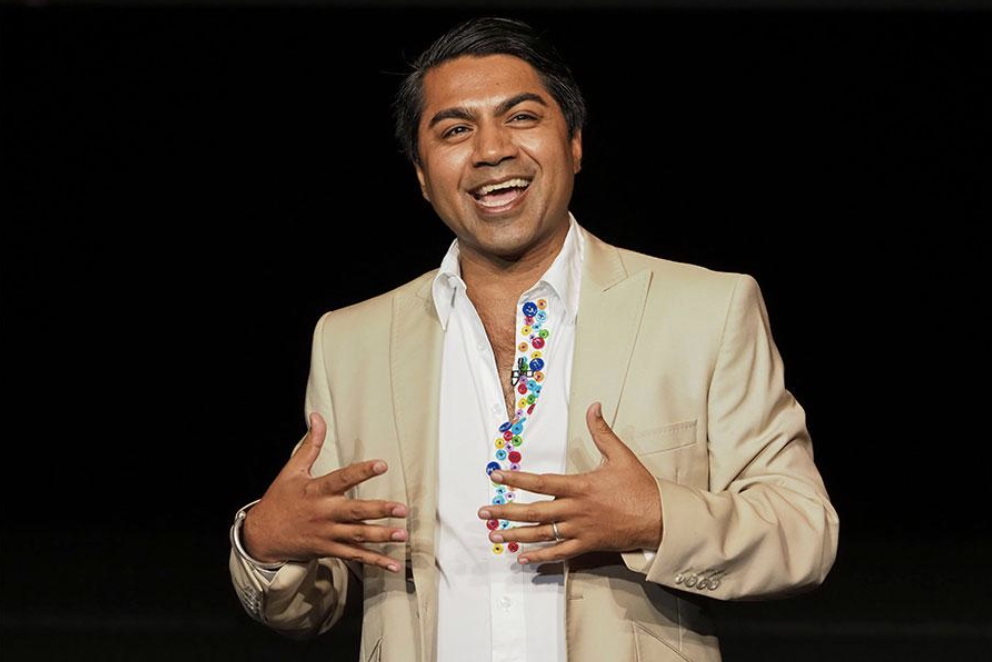
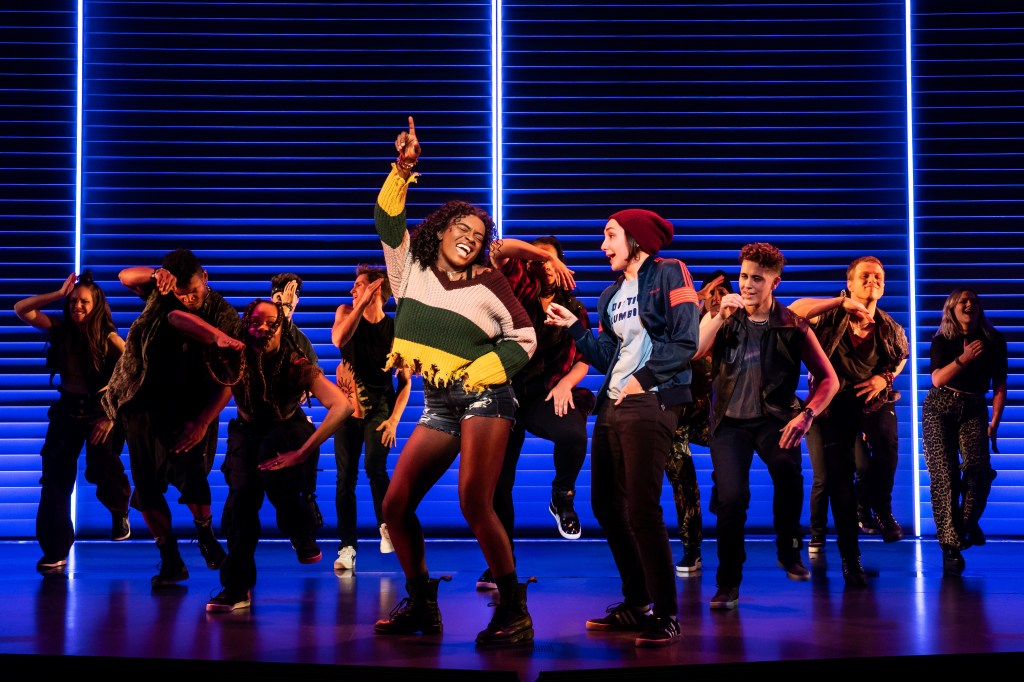








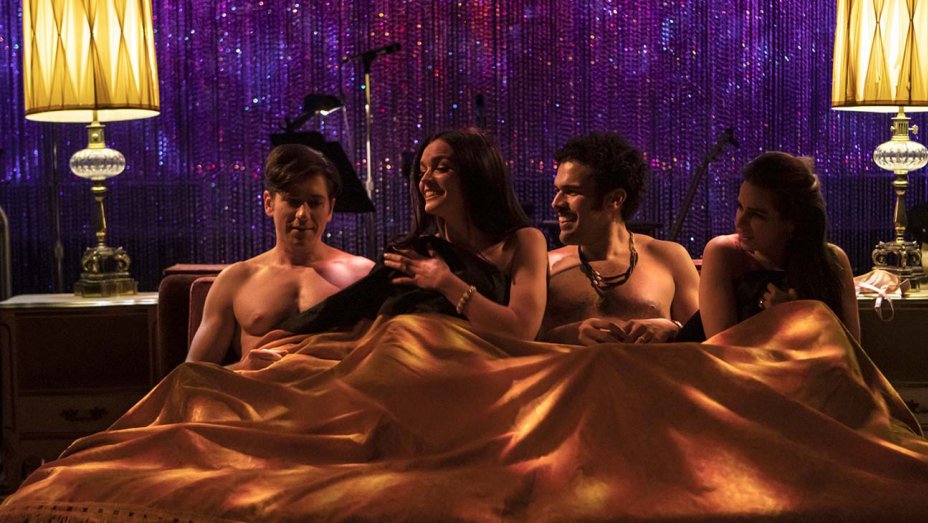



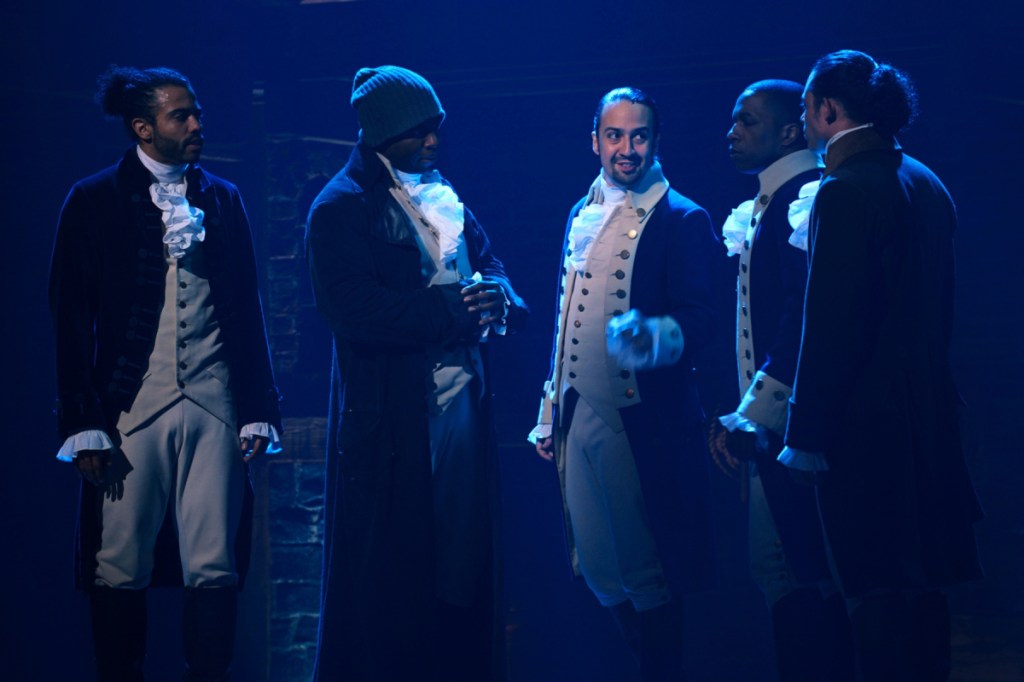
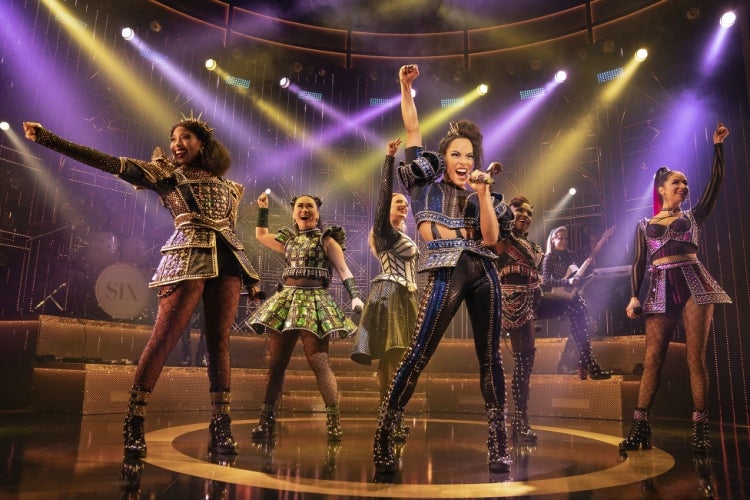


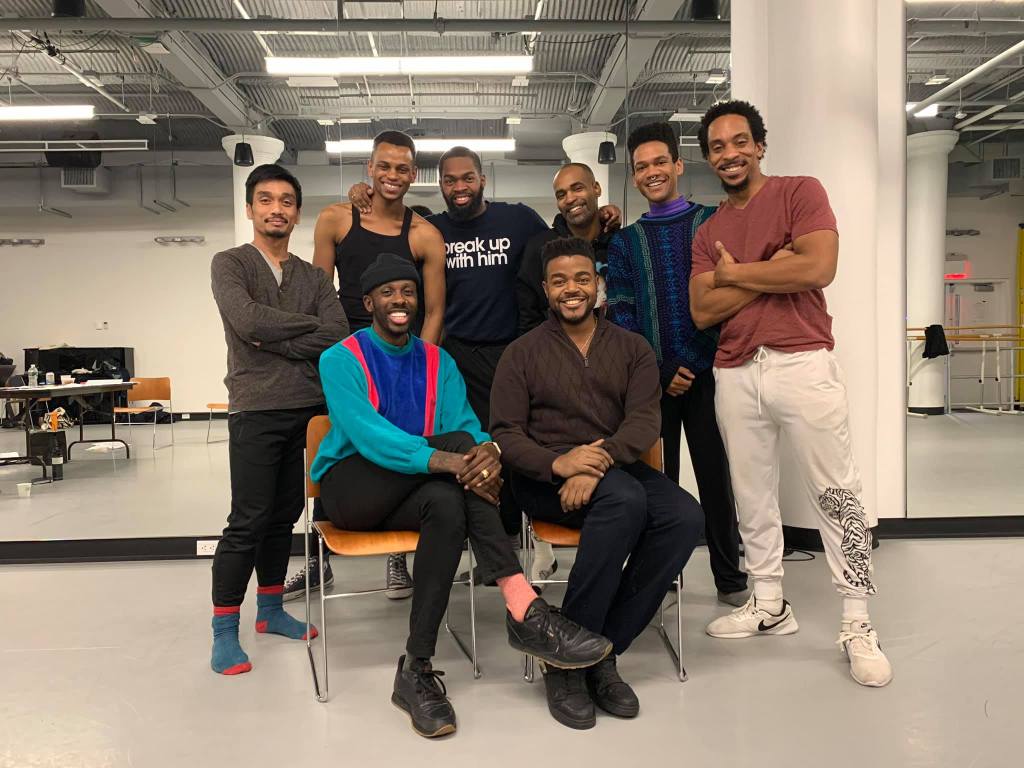

 Token Theatre Friends