Taylor Reynolds (Photo: Brandon Nick; Creative Director: David Mendizábal; Hair: Jeffrey Bautista; Makeup: Natalie Lageyere / Glamsquad; Photographer Asst: Malik Childs)
This spring was supposed to be a busy time for director Taylor Reynolds. On March 12, the day that New York City shut down because of COVID-19, Reynolds had directed Noah Diaz’s Richard & Jane & Dick & Sally, which had just closed at Baltimore Center Stage and was getting ready to open in New York City at the Playwrights Realm.
Reynolds (who blew many minds last year when she directed Will Arbury’s Plano) also helps run the Movement Theatre Company. The theater was getting ready to remount their hit play What to Send Up When It Goes Down Off-Broadway in the summer (which would have been so much more relevant since it’s about anti-Blackness and collective healing). But then the call came. “I was like, in Columbus Circle, and everybody’s walking around. I was like, ‘Everybody, theater just shut down, what is happening!?” Reynolds exclaimed.
But since being at home, Reynolds hasn’t been idle. The Obie-winning Movement Theatre has started a new initiative: 1MOVE: DES19NED BY…, where they commission designers who then present their work digitally (since if there’s no live theater, designers aren’t getting work). They’re also currently presenting a new online work by What to Send Up… playwright Aleshea Harris called soft light.
Below, Reynolds talks about why she considers art a form of activism, and why we might need to burn everything down. This conversation has been edited and condensed.
Can you tell us a little bit about how the Movement Theatre was founded? Because from what I know, it’s not hierarchical. It’s very consensus building and it was founded by young people of color.
So in 2007, a group of recent NYU grads and NYU students of color met in the Astor Place Starbucks—it’s such folklore. And they essentially formed a collective. In 2007 it was really like, you can play the drug dealer in a movie or you can write the text for the drug dealer. So it was founded on the idea that artists of color could come together and create their own spaces and allow for the exploration of various artistrys. And then about five years into the company’s existence, they were doing strategic planning sessions where they were like, “Well, this model of hierarchy doesn’t really work for us.”
And so the model that we’ve had since then is the producing artistic leadership model. So there are currently five of us who run the company collaboratively. So that means we’re making all of the decisions collectively, from big, top-tier decisions (like what artists to support, what plays to produce, all of that down), to me making an e-blast and sending it to everybody and be like, “read this.” Over the last like two years, we’ve started to expand our staff positions or more specific, task-oriented positions, so that we can step away from doing so much of the every day that takes our energy and capacity away from being able to dream bigger and focus more on the leadership part of our title, rather than the line-producing part of it.
Right now, with Movement Theatre Company, you’re commissioning pieces from designers, and you’re gonna do several movements like this. I love seeing how adventurous, how original, and how inventive all the work that so many people are doing right now. And I would love for you to talk a little bit about this movement and how this came about.
When the theater first shut down, we had a meeting that first Monday. One of the first things that we talked about was really just, how we were doing as people because that’s the most important, and then also just a weekly check in about how we wanted to use our voice and use our platform during the pandemic. The first week after theater shut down, there were artists individually putting things out. There were theater companies just throwing things out and making digital content. But we didn’t have the emotional, physical, or mental capacity to really do any of that. And we didn’t want to just put things out into the space, out into the digital space, unless we knew that it was going to have a purpose, and that it was going to fulfill us in some kind of way, or fulfill the artists that we were working with.
We noticed that a lot of the content was either playwright-driven or actor-driven, which makes sense, because you can write a thing, e-mail it, somebody can say it, put a camera up and then you made art, which is awesome. But there was not really a public representation for the other aspects of theater workers—directors, stage managers, producers, and designers.
And just through our check ins, reaching out to folks seeing how they’re doing, we were hearing a lot specifically that immigrant designers were having many issues. Because they’re on F1 or O1 visas that are work based, where you have to prove consistently that you’re an extraordinary artist that deserve to be working in the United States of America. So the entire industry shut down, and suddenly there’s nothing that you can do, because it’s also not like you can go out and get a different job—it has to be specific to the work that you stated that you were coming to the US to do. And so what we really wanted to do is just give the designers a platform just to work to prove that they were still working.
We also paid them and gave them a budget. And also making sure that the weight of finding or providing their own kind of like creative materials wasn’t just on them. Because if you want to buy a certain light that costs $25, but like you don’t even have $25, then you’re not gonna be able to make the art that you were hoping to make. So we did all that. And we also were introduced to a lot of new designer through co-curators Clint Ramos and Cha See. They’re all so incredible. And so now we’re gearing up for the second round of 1Move, which is going to be focused on all Black designers, which is really exciting. And our co curators for that are Dede Ayite, Stacey Derosier, and Paul Tazewell, so it’s like a dope ass group! And so those videos will be launched in mid July. And then past that the Movement is taking a sabbatical in August, which I suggested because I’m exhausted at being alive.
The producing leadership team of the Movement Theatre: Taylor Reynolds, David Mendizábal, Eric Lockley, Deadria Harrington. (Photo: Brandon Nick; Creative Director: David Mendizábal; Hair: Jeffrey Bautista; Makeup: Natalie Lageyere / Glamsquad; Photographer Asst: Malik Childs)
Thinking about what you’re doing right now with the designers, where you are literally using art to save people’s lives, you’re giving them the opportunity to keep their visas and save their lives in a way. As an artist, who’s also by default I would say an activist, I wonder if you could talk a little bit about where those two meet and how they intersect.
I think for us at the Movement, we are very much identifying as a social justice organization just as much as we identify as a theater company. We’re just more focused on creating change and transformation with the work we’re doing. And that doesn’t mean that it can’t just be a two-person play where people are talking on a park bench, but it just means that, you know, there’s something underlying or overt that is going to push and engage audiences to start conversations, but also hopefully to just take action. Even if that action is like Googling, “racism.”
Even with our production of And She Would Stand Like This by Harrison David Rivers—that production featured Black trans women on stage and put them in lead roles. And even with Look Upon Our Lowliness, which was also written by Harrison, putting nine gay men, most of whom are of color, on stage and just letting them live their fullest, most emotional lives. And representation without pandering to white people. Honestly, I think a lot of our work is successful because it’s not really pandering to anyone—it’s not made for the white gaze, it’s not made for an audience that would feel great under a white supremacist structure.
And that’s not necessarily just white people. There are plenty of people of all intersecting identities who just want to go and see a play or a musical, you know? They just want to see The Music Man (The Music Man shouldn’t be on Broadway and it’s upsetting). Our acknowledgement that we are both a social justice organization and a theater company is really our guiding light when we’re talking to artists. I think it’s part of the reason why we operate the way that we do. It’s not just about one person going out and being like, “This is my voice. These are my ideas.” It’s about uplifting the community and uplifting all of us so that we can destroy these terrible systems that we all exist within.
That’s the thing I’ve always loved about the Movement and your work. It’s the fact that you all created something because what you needed wasn’t within the systems that were present. I have a lot of conversations with leaders of theaters for people of identities that aren’t white, there’s always a common theme that comes up of, why are we trying to change these white institutions instead of supporting the institutions that have been doing the work in these communities? And so when you think about the future of the American theater, do you think right now we’ve been focusing on the wrong thing and trying to fix it, rather than just destroying everything and starting a new thing?
I think it’s a little bit of both. That question makes me think about when all of these like different theaters were putting out their like, “We love Black people” statement. I’m sorry, I don’t mean to phrase it like that. Although it’s like, cool—some theaters that I know and support put out really heartfelt statements. Some theaters put out like what I thought were well-written statements where I was like, “Yeah, but I didn’t like expect you to say this. You’re not like overtly against Black people but also you don’t support them. And that’s chill, you do what you do, you know? I honestly don’t want you to produce this Black person’s play ’cause you’ll just ruin it and then I’ll just be mad so like, it’s fine.”
My personal hot take is like, yes, destroy everything, unseat all the Gregorian mammoths. But if they want to keep existing—honestly, there are some audience members who I don’t want to come see my work ’cause like it’s not for you, you’re not gonna have a good time. It’s fine, there’s a lot of stuff that I don’t go see it because that’s not for me. So why would I go and spend this money and take a seat from somebody who wanted to be there?
I think that there needs to be systemic change, absolutely. If the traditional sense of theater is to continue at all. But I’m also not interested in that. Like, I don’t really care. I don’t really honestly care what Broadway does. Just don’t actively hurt people, stop taking money from smaller organizations that could really use it. And produce The Music Man if you want. I’m not going.
I think that where I’m interested is in the sort mid-range smaller companies, that are already making the change, that are already more flexible because they likely have smaller staff. But the goal is not like, “Oh, I hope people enjoy this. I hope people like remember this forever.” No, the goal is to come and engage with what’s happening on stage. The goal is to come and be transformed in some way—whether that’s the planting of a seed, and then a year later, a global uprising happens and they’re like, “I remember when I saw What to Send Up When It Goes Down because it was in the New York Times. And at the time, I thought, ‘What a nice play.’ And now I’m like, ‘Oh shit, what they were saying in the play was correct!'”
Every week, culture critics Diep Tran and Jose Solís bring a POC perspective to the performing arts with their Token Theatre Friends podcast. The show can be found on Spotify, iTunes and Stitcher. You can listen to episodes from the previous version of the podcast here but to get new episodes, you will need to resubscribe to our new podcast feed (look for the all-red logo).
The Friends recorded on June 29. They open the show by talking about Zoom plays, what’s been working about them, what hasn’t been working, and things they’ve seen on Zoom that they love. Then they talk about two shows they’ve seen. First, To My Distant Lovefrom On Site Opera, an opera done over the telephone (remember those?). Then they talk about a play they watched on BroadwayHD: Pipelineby Dominique Morisseau, about a Black mother who is worried about how her son is doing in school, and how the play really benefitted from multiple viewings.
This week’s guest is Taylor Reynolds, who is one of the artistic leaders of the Obie-winning Movement Theatre Company in New York City. She talks about how the company was created, to provide opportunities for young artists of color and what they’re doing now: giving love to designers who are out of work, and don’t have Zoom plays to keep them creative. Reynolds is also a director, whose work on Plano by Will Arbury blew both of the Friends’ minds when it played Off-Off Broadway last year. She also talks about how she wraps her head around super-weird theater.
Here are links to things that Friends talked about in this episode.
Diep: And we’re your Token Theatre friends. People who love theater so much that you know, it’s the only thing really keeping me positive these days. How and how are you feeling this week?
Jose: This week? Lemon, it’s Tuesday.
Diep: The reason I asked is because, you know, I feel like compared to other people responding to the news that Broadway’s not coming back until 2021, I feel like I’m taking it pretty well. You know, I feel like Kirsten Dunst in Melancholia, where everyone’s like, fucking freaking out and I’m just like, it’ll be okay.
Jose: It’ll be okay. Neither of us are like the biggest Broadway people.
Diep: Yeah. Today, we’re gonna start the top of the show talking about Zoom plays and in response to a poll that we put on our Patreon site. We asked if people wanted us to cover more one night only stuff and they said they do. And they also want us to comment on the trends in theater right now. So we are going to do that. And what is the biggest trend in theater? Zoom plays, and we’re talking about what we see has been working for us artistically. What doesn’t work, things that we’ve seen that we really love? So that’s the top of the show, and then what are we reviewing today?
Jose: Today we’re going to be discussing two shows. One’s a new quarantine show. We’re going to talk to you about a new show and a recorded show that’s being streamed. The new show It’s called To My Distant Love. It’s a very appropriate telephone opera. And then we’re going to be discussing Dominique Morisseau’s Pipeline, which is currently streaming for free on BroadwayHD.
Diep: Yes. And I don’t know how it’s still streaming for free because they said it was only gonna be up for a week. But you know what, I hope they don’t listen to this podcast and be like, Oh, shit, we gotta put this behind the the paywall again. And who are we interviewing today?
Jose: We’re going to be talking to director/theatre maker, Taylor Reynolds, who is one of the founders of the Movement Theatre Company, they are also doing really interesting work in quarantine. So basically, this show is about disproving all those people who say that theater is dead during the pandemic, because it’s not.
Diep: Mm hmm, exactly. And I think, you know, since we’re gonna start talking about zoom plays, I feel like there’s still a lot of skepticism around zoom plays, and I feel like it’s part of people’s—they assume the theater is going to come back within a reasonable amount of time. And everyone, we’re just gonna rip the band aid off for you right now, it’s not gonna happen until 2021. It’s not gonna happen until there’s a vaccine so that people can actually be backstage in close quarters without infecting each other. So until that happens—who knows when that’s going to happen because no one wants to wear a mask, and infection’s everywhere right now—we’re going to have to learn how to be happy with virtual theater. And Jose and I will teach you how to be happy with virtual theater because I feel like in the past few months, I’ve been really impressed with how quickly it’s developed. What are the things that you’ve seen that you loved artistically?
Jose: My favorite things that’s happening right now, for instance, is the New York Neo Futurists’ Hit Play podcast that they do twice a week on the weekends. And they’re doing this like really interesting combination of like, I’m gonna call them seismic radio plays, although they aren’t that but they’re the combination of like radio essays. One of my favorites was when one of the artists did a walking tour, listening to an Alabama Shakes album. I love that podcast because they’re doing so much. It’s adventurous. And although it’s very hard to listen to podcasts when we’re stuck home because there’s such a commuting thing, I listened to that podcast, I would say quasi-religiously because sometimes I forget, but then I binge it. It’s pretty short. And I mean, last week we had Raul Esparza and wasn’t his Tartuffe just like mind blowing?
Diep: Yes, it was. What I do with the Tartuffe was they had the same background for every—I don’t know how to like, it was like a set. It looks like a cartoon set. And then the screen look like a cartoon set. And then they had just people’s faces just plopped on top of the set. So it kind of looked like they were like, on top of the furniture. It looks like a video game, but like a really fun way.
Jose: It kind of looks like those, did you ever watch Futurama. Remember that people who only were like floating heads? But it was so cool, because at least we didn’t have to see people home in their sweatpants reading from a script. It was so inventive. And it was so bonkers, it made me think of like Australian movies like Moulin Rouge and like Mad Max, which are so bonkers that you’re like, how did anyone even dream of this? How that these people at Moliere in the Park, and the French Alliance of New York, like, what were they thinking? I would have loved to be in this meeting with her like, Raul, Samira [Wiley], you are going to be floating heads on top of like digital furniture. Can you imagine that?
Diep: Yeah, and at some point you gotta get you’re gonna have to take off your pants and moon the camera and hopefully we get the angle right. We’re sorry you can’t watch it anymore, but it was an event.
Jose: Do we know if the Raul fans, which by the way, welcome to Token Theater Friends, Raul Esparza fans. We hope you stay for a while because we do more fun stuff for all of you Maybe we’ll have Raul back.
Diep: Yeah. exactly exactly like push him to come back to our show. I felt he could have talked to us for hours. Yeah, we’re just looking for connections right now, you know, connections in unexpected places. But what I really loved about the Moliere also was the fact that, like we said in the interview, people who could never have afforded to see Raul on stage because like you said, theater is expensive—it was a free show and all they have to do is like make a small donation to the theater company. And what’s been really reassuring about this time was people finally getting access to it. And I saw this wonderful tweet from someone who follows me on Twitter about how seeing these zoom performances is kind of keeping her mentally afloat, because it’s inspiring to see people still making work. The live theater may have gone elsewhere, but we are still here making stuff.
Jose: And the theater makers haven’t gone anywhere. It’s just so interesting because, like we’re also seeing right now, something that we kind of have been saying all for the time that we’ve been doing our show—which is that Broadway continues being the least adventurous. Yeah, inventive creative, like Broadway is such a dinosaur. It’s like such a dinosaur. Where are the Broadway stars? Like, why aren’t they coming up with things to do? I mean, I also don’t want to sound like I’m judging them because like, we’re all scared and it’s like a terrible time right now to, you know, to be a human in planet Earth. But, you know, how is it that Off Broadway and Off Broadway and experimental artists are doing so much? And the people that people pay the big bucks for, artists, you know, where are they?
Diep: I will say that Sing Street the musical, which did not get to open, they did do a concert version, at home concert version of Sing Street. And so you know, applause to everyone on that team for getting that music out there so people could see it. I do wish that it was still online so that we can link people to it. But we cannot. So maybe, you know, we will give you money, we will give you money if you keep the video up. But I do think it’s because you know, like off off Broadway, when you’re smaller, you’re more nimble and you’re able to just, you know, take an idea and just run with it instead of like having to go through like five different levels of producorial approval. I’m glad you mentioned that because one of the most inventive things I’ve seen and we were both working on it because we were closed captioning it for people, but it was this event from the Bronx Academy of Arts and dance called Desire: A Sankofa Dream by by by a black choreographer named Maria Bauman-Morales. And it was like a choreo-poem where people were actually dancing in front of the cameras, but also, like, there are times where you could just like it, this is probably the first time I saw the whole, like, zoom Breakout Room function where if you wanted you can go out into into another part of the play, and you’ll meet another character and she was like in a completely different setting. And so I really appreciated the ability to kind of try to have like that ambulatory immersive experience, even if we could actually move.
Jose: Why isn’t like Sleep No More doing something? It’s also like so refreshing. One of the things that I find really hard about having to watch a digital theater is that some you know, if I’m doing my computer or my iPad, I get distracted. And I want to check my email or Twitter. But if we’re like actually like, being asked to like, go to different rooms. And remember also, like, it was so cool that the dancers had, I think almost all the dancers had two camera angles. Mm hmm. And I was like, This is so cool.
Diep: Kinda like film, multiple camera angles, very important. But you can do dance, like you can use up space around you to actually perform. You’re not just limited to, you know, sitting in front of a screen. So I’m really excited to see how else people play with this. And I’m also really excited to see the just how quick everything’s getting put up like these, like, it think allows for like messier work to to be put up right now because it’s just such a low, low barrier at the moment. Mm hmm.
Jose: So my only complaint about it is not to the artists obviously, but to the people who, marketers basically, let us know far in advance when these things are happening because everything is announced, like, two hours before it starts.
Diep: Yeah, like I’m learning about this shit like, two days beforehand. And I’m sorry, Jose and I are creatures of, we’re regimented creatures. And so we plan our episodes a few days in advance and we’ve committed to that idea. And so it is very stressful to have to change things at the last minute and to text your partner and be like, hey, never mind, we’re not doing the show. We’re not talking about the show anymore. We’re gonna talk about this other show that you have to catch tonight. We don’t need any more stress in our lives right now. You know, we’re all stressed out. And this should be a fun thing that brings you all joy. But last minute invites do not spark joy.
Jose: Yeah, between fireworks, the cops running rampant. The government sucking and COVID. We certainly do not need any more stress.
Diep: Yeah. Oh, and I want to give a shout out to a play I saw that was un-produced before and it was like a world premiere. It was by Diana Oh, like one of our former guests. It was called My H8 Letter To The Gr8 American Theatre and it was a series of monologues or dialogues about how sucky the American theater is and it would have never gotten produced before this because the world was not ready and I’m hoping it comes back because I so wish you could have seen it Jose. It was really up your alley and really part of this conversation that we’re all having about how these institutions need to change and how they don’t. They don’t welcome people who want to be want to work outside the boxes.
Jose: And coincidentally, it sounds like we’re plugging this story. Coincidentally Mirirai Sithole’s Aye Defy organization that she launched, produced it and they were behind it, and we have an interview, a profile of her. She is so incredible. She’s in so much work right now. And hi Mirirai! We love you.
Diep: Yes, we have an interview with her on our website, Jose did it. And we’ll link to all the things that we talked about on the show notes on our website and on iTunes. My entreaty to people right now is just put up your plays, it’s not very hard right now. You know, go find me some money to pay the actors, but now’s the time to just try it out and see what happens. And then you might and then by time we come back, like you might have discovered like, this new medium of theater that’s more accessible to everyone, but just do it. Just do it. Just do the play now. Just do the play now and then figure out how to do musicals.
Jose: Watch some stuff and stop saying theater’s paused ’cause it’s not, because it makes me very angry. Very sad.
Diep: Mm hmm. People are trying shit so fucking support that. Yes. Wow, we’re like cursing this one. I think it’s because I haven’t finished my coffee. I’m gonna have another sip while you intro To My Distant Love.
Jose: Okay, so our first review we experienced a phone opera called To My Distant Love and I wonder if me saying the following does anything to you? I miss you terribly, each day without you is like a day without breathing. I want to see your face. Oh my god, I can’t but okay. Okay, so.
Diep: Shit I’m single.
Jose: Let me try to like explain what this was because it’s very easy but I don’t why it’s it sounds like more complicated so anyway, To My Distant Love is an opera that happens over the phone and thing is, you’ve set up your ticket, you pay your ticket, you pick a date, and then your appointment date, you get a phone call. But before that you get some emails like telling you, you know what number they’re coming from and all that. And in this opera, you play a character, which is the most exciting part. So you are this person’s distant love. And when they call you, they give you this like, beautiful, like romantic speech. And then they sing Beethoven songs for you for about 30 minutes. And then you swoon and it’s over. So, so interesting to me, because we did it the same day, but we both had different singers, right? Mm hmm. Like I got a male opera singer, and I have this thing where I’m sure that I’ve talked about it here before, where I become like Meryl Streep when it’s like some immersive show. And when the man said like, how are you might love and I said, Why haven’t you called me? I was like, sold. I was like sold. I don’t know who this person is. I don’t know what they look like. And I haven’t been like really interested in seeing what they look like. But I was so impressed. He was talking about like taking me, remember that day that we went to the park and you drank all the wine. So apparently, every opera, I was a lush.
Diep: I mean, that’s not far from real life.
Jose: Unfortunately. But I was like, Yes, I remember. And I was like, remember how it fell on me? I was such a ham. But I was having so much fun.
Diep: Did they make you feel less single.
Jose: It made me feel more insane.
Diep: Oh my goodness. Well, so it’s only 20 minutes. It doesn’t take up too much of your time. And it’s produced by On Site Opera and they’ve actually extended it to August 9. And tickets are going fast. So you know, buy them now because it is a literal one on one experience and you will be asked to participate. If it makes you uncomfortable. Well, now’s the time to try things that make you uncomfortable. What I really love is that it feels like it’s kind of the living embodiment of that meme that was going around about what online dating is going to be like during COVID, which is like, there’s nothing, there’s gonna be nothing physical. So you’re gonna have to write me a love letter. And we’re going to go back to Jane Austen times, where we’re just trying to try to woo each other with our words. And so I felt like. And I had a female singer, so I felt like I was, she was wooing me with songs and asking me about my day. And you know what? I haven’t had anyone romantically asked me about my day for so long. I really miss it. You know?
Jose: I mean, if you pay me, I’ll call you every day and be like, how are you my love? Remember that night in Berlin? I’m gonna send you songs from Phantom of the Opera and from Cats.
Diep: I’ll take it but yeah, it feels like and, and the weird thing about it is even though it’s not like a live experience, like I felt like I was I was experiencing what theater is supposed to be, which is, you know, you’re making connections, across space through performance. And that’s why right now, like, you know, immersive experience like this is a great time to just try stuff out and see what happens because like, we’re all so isolated that anyone who wants to come and have a conversation with us and connect with us like it feels it feels like it feels like you haven’t eaten like in 1000 years like it just feels particular delicious right now.
Jose: Mm hmm. I also want to commend them because opera is one of those things that I have never been—
Diep: —in love with?
Jose: I haven’t like really experienced that much opera. And one of my favorite things about it was like you know, one of the reasons that opera still seems like so classist in a way is because it’s, you know, in Italian or German basically right? And I love that before the show starts they sent you, your distant love sent you translations of what he was kind of thinking, what what she was kind of thinking. I should have been, now that I think about it, I should have been like, liar Beethoven wrote that!
Diep: Thank you for not ruining the fantasy.
Jose: Yeah, no, but I mean, they sent you the translation. So it’s not like you can be like listening to this incredible singers perform and cleaning your kitchen, right? Assume that you have to be present and the fact that they send you the translations, and you are reading along well, the person singing German was so exciting. Like, I felt like I was, you know, I couldn’t like, I didn’t want to do anything. I wanted this to last the whole day, basically, although probably those singers can’t sing to me the whole day.
Diep: I mean, they’re professional, so probably they can. I will say the book was written by Monet Hurst-Mendoza. So yes, representing.
Jose: I don’t think I knew that. I love her. Wow.
Diep: Did you see how much research we put into before we go into these things?
Jose: But you know, I never read about shows. I always experienced them. We don’t have like programs anymore basically, I’ve never, you know, I usually read the programs in the way back home. So oh my God, that’s a lovely surprise. Hi, Monet.
Diep: Yeah, yeah, that time that you that you drank all the wine in the park. Those were her lines. That’s it. That’s the thing she thought that Jose would totally do. But what I will say is there’s a little moment where my recollection, the story that happened to us was you know, the time that we went to Scotland and I was wearing an outfit that she really loved and I was thinking you know what though I would really take this to the next level is if they send like a little questionnaire beforehand like an ad libs of like, you know, put in an outfit that you really like or put in like, like your favorite city in the world or something like really, really personalize it, like really draw me into the things that I love.
Jose: The exciting part about it also was that, it’s not like a full production of an opera. No one died, so.
Diep: Yeah, exactly. No one died and it was joyful. And not too long, because my thing my operas are always way too long.
Jose: Except the fact that our distant love left.
Diep: Yeah, yeah, she was trying to get off the phone. I felt like, wait, come back. Come back sing to me some more please. It’s like I’m so lonely.
Jose: It was a treat. I love that so much. So much fun.
Diep: So go get some tickets. They’re doing this until August 9, maybe they’ll do it further because we all need a love connection right now. The next show that we’re going to be talking about is Pipeline by Dominique Morisseau and you can watch it on Broadway HD. It was done at Lincoln Center. So this is a version that was, so this version that was filmed and actually when I saw it at Lincoln Center they actually had like multiple cameras set up. So this is why you need to watch shows multiple times. And I wish that we were able to because and theater wasn’t like so expensive or inaccessible because I got more out of this now than I did when I saw it two years ago. The story is about this mother named Nya. She’s a public school teacher in New York, I want to say New York City, and I think it’s New York City. And her son goes to private school, Upstate, and he’s gotten into a fight, and he might get expelled, and there might be charges pressed against him by the school because he pushed his teacher. And so it’s about the school-to-prison pipeline, but it’s also about the societal question of like, what do we do with young black men who have a lot of trauma and who the system doesn’t know how to handle it, and it reacts to it with violence and how do we, you know, save them? How do we talk to them, treat them, that kind of thing. And it’s one of those things where it’s not like an issue play where it bangs you over the head with, you know, the issue. It’s very much like a look at this specific circumstance and what it says about our system. Yes, it’s a circumstance but it’s also you’re also watching a story about how this family comes together and deals with, with this problem in their family. Like, that’s drama, that’s the American theater.
Jose: Absolutely. And also it’s about, you know, something that you and I have experienced. And we are very familiar with—it’s what happens when people of color are thrown into predominantly white spaces, where they’re probably, you know, like, desperate and harassed, and they deal with microaggressions. So, you know, it’s that whole thing about how are these institutions you know, like schools versus private institutions, ready to have, you know, students of color. But they’re predominantly white, and therefore white supremacists, and what that does to mental health of people of color because we’re both a little bit traumatized from our own experiences in predominantly white institutions.
Diep: Yeah, yeah. And that’s why like, I love watching the play now because even like two years ago, I didn’t really the language or just the distance to really see how being in predominantly white spaces, what affects you mentally and so you know, Dominique is like, she’s a truth teller. She’s a prophet. She sees things that none of us are able to see and gives us language that we don’t have. But like now that I’ve interrogated some of like, my own experiences like this, that’s what made the play like just more potent to me this time around. And we’re also having a conversation around, you know—
Jose: It’s so interesting. I was thinking about American Son and the contrast that we see and how this play, you know, Dominique’s writing is so humane. Yeah, the characters feel like real people, they don’t feel like they’re just like, you know, an after school special because they’re obviously not. Having seen the two, you know, in such close proximity, the contrast is like so like incredible, right? Like American Son is such a morality play basically and you know what happens. And Pipeline is one of those plays where you can imagine those characters like living before we get to the theater, after we leave the theater, or after return our streaming device. So I mean, not that we don’t know this already about Dominique because we love her. And we are also going to link to our episode that we did last year. But yeah, I would say you know, I didn’t remember this play as well, as I thought I did, and I was very happy that I got to experience it again.
Diep: It takes them micro, which is this family and what their personalities are like, the things that they love, the things that they dislike, their like bad habits and good habits and it uses that scenario to talk about bigger societal issues of how being in white society affects this Black family. So it’s not like a play about race, so to say, but it’s a play about how race affects this family. Which is like, there’s a difference because you know, we’re past the whole race, you know, I don’t see color part of our history. We’re now in a part where we talk about how and how over policing or how under resourced, how all of these things affects different communities differently and the play and what really blows our mind is like it’s 90 minutes but is so complex. Thankfully, it doesn’t give us answers for any of this because these issues are just so much more complex. And we’re trying to solve them right now via different steps. But the fact that she’s able to tackle all of those things, but not let it weigh down the play and let it keep us focused on these interpersonal dynamics is—that’s what makes this play like so good basically.
Jose: Yeah, and it’s so refreshing also to see how moving—oh my god the final scene. It’s so moving also, cuz we don’t often get to see, you know, Black mothers and sons together because usually in most plays that we get, the son’s dead or is in prison? So getting to see the dynamic, you know, oh, my God, that final scene, I’m thinking about it right now. Getting to see that dynamic is so refreshing. And it was so moving that I wish, obviously this show didn’t make it upstairs to the Vivian Beaumont. It should have been there.
Diep: Yeah, yeah. It goes back to, you just put people of color in the basement with, you know, 100 seats, but you don’t put them up where there’s actually Wi Fi with 500 people. No, no and this. Can we talk about Karen Pittman?
Jose: Oh, yes.
Diep: Yes, yes. Yes. What I really love is and you know, contrasts with American Son is like, she’s allowed to have dimensions that goes just beyond like, anger and pain. She jokes like she, she likes Jack Daniels. Like she’s actually given a personality. She’s not a symbol of anything. She’s an actual person. And what Karen does, and what I love about seeing this on film is the fact that I could see, I could I could see her reacting and I could see her the muscles in her face move, very minutely, depending on like, what she’s feeling or what she’s reacting to at the time in the way like, I couldn’t see that on stage, the changing of the medium actually enhanced the play for me. She comes across even more sensitive than she did on stage. And like she broke my heart on stage.
Jose: She’s phenomenal. I remember when I saw it. Ah, at Lincoln Center. And I remember thinking, and again I don’t read about the plays before I go see it. And when I started, I thought it was gonna be about you know, kind of like her being like this powerful like, you know, Dangerous Mind type woman. And it’s such a lovely family drama and I mean, yeah, that is American theater. I want that, I want to more plays about families, that don’t look like Arthur Miller families, Eugene O’Neill families. I want this, I want to have like, just more Pipeline.
Diep: Yeah. Yeah. And I really love like how it ends on a note of how we, I’m not gonna spoil it but ends on a note of like the son saying, like you can just treat me differently, to be more compassionate towards me. I don’t know if this is what Dominique is saying. But it’s kind of saying, for me, it’s kind of saying like how we create change, we just need to treat each other differently on a one-on-one level first, like change yourself before you can change the world. And that’s what’s so beautiful.
Jose: I like rewinded that scene like five times at least.
Diep: I’m taking notes about like, Oh my God, Dominique the language is so beautiful. And she compares people to like solar eclipses and things like that. And what I love is like, I can rewind this and be like, Okay, what exactly did they say? So I can write this down. ‘Cause it’s so beautiful.
Jose: It’s also such an economical thing. I mean, it’s not like, again, it doesn’t have like a bunch of like rotating sets and all that fancy stuff that people seem to like. It’s very simple. Like, I mean, I want to see this as a Zoom play.
Diep: Yeah, it could totally be a Zoom play because it’s mostly monologues and dialogue scenes. It’s it’s so stripped down, it could be performed anywhere.
Jose: I don’t want Pipeline done Moliere-style though.
Diep: We’re not doing cartoons. No floating heads.
Jose: No, give me all the raw drama.
Diep: Anyway, any closing thoughts on Pipeline?
Jose: See it if it’s still free. If it’s not free, sorry.
Diep: Yeah, if it’s not free Broadway HD has a seven day free trial. So go see it, support Dominique’s work. We need to see more of it after this is all over. Do you want to intro our guest?
Jose: So next up we’re going to talk to director Taylor Reynolds who is also one of the founders of the Movement Theatre, which a couple of years ago produced Aleshea Harris’s What to Send Up When It Goes Down, which again was like, that’s almost also like a could be a Zoom play right?
Diep: Any play can be a Zoom play. Yeah, y’all creative, just figure it out.
Jose: Alright, Taylor directed Plano and she’s just like, altogether, a freaking genius. So let’s go talk to her right now. Taylor, welcome to our show.
Taylor: Thank you. I’m very excited. I feel like we’re kind of in communication like pretty consistently cuz I just like you two are the main like, tweets that I read every day. I feel like I know like what’s going on a little bit, or at least like, what we’re all like yelling at on any given day.
Jose: Now you’re just going to make us blush. I’m so happy to have you on our show. And I want to ask like a million things at once. And I don’t even know where to start. So let’s just start with, what are you doing in quarantine? You’re always like working on so many things. Would you be comfortable talking about, you know, how that transition was, from having so many projects to then, you know, being home?
Taylor: So the transition was both very, actually very simple, because it was sort of, it was the kind of thing where it was like, Oh, right, well, there’s a pandemic, and like, yes, of course, you shut down whatever you need to do so that like, we don’t all die. I was having a very busy, busy March that was supposed to transition into a very busy rest of March and kind of into April. But it’s actually really interesting because I didn’t really have anything specifically lined up through the rest of the spring after Richard and Jane and Dick and Sally was supposed to open anyway. So the time leading up to everything shutting down the first week of March, I was doing an internal reading at P73 of one of Emma Goidel plays. And every day we were coming into the rehearsal room and we were a little bit like, Okay, well like maybe we’ll see, you know. Kind of waking up everyday and just expecting the “school is canceled don’t come” email. And so we managed to get through the like four or five days that we had of that and then I went straight into the Ars Nova reading for John J. Caswell, Jr’s play Wet Brain. John and i were like really excited to be working on this play. Like it was the first time that he was hearing it out loud with actors, I was really excited to be back at Ars Nova. But by that point, we were really feeling like, every day John was like, “I don’t know.” “John, we just need to make it to Friday and people like 20 people are gonna come like that’s fine, right? Like, we just need to get this reading done.” And then the Thursday of the 12th when everything shut down was a big day, because we came in the morning, and there was just a clear air of like something is going to happen. But I was just determined to be in my like, positive space because I was like, I’m supposed to start rehearsals for a show on Monday.
I had like tickets to see Endlings on Sunday. I was supposed to go to the Six opening night that night. It was like a whole thing. So like, we had rehearsal in the morning, I was like getting texts, but I wasn’t really looking at them because I was like I’m, you know, in rehearsal for this play. So like, do your job while you can. And then we went on our lunch break. And then I got a call from Playwrights Realm. And they were like, you know, we’re gonna have to cancel the production. And then I came back and then Ars Nova was like, “we’re going to finish rehearsal today, but that’s going to be it. We’re not going to do the reading tomorrow.” And so, you know, we were in the like, last two hours of our rehearsal, all theater people suddenly knowing that this was the last thing we were going to be doing for who knew how long. I left the Ars Nova building and I was like, in Columbus Circle, you know, and everybody’s like, walking around. I was like, “Everybody theater just shut down, what is happening?” And then I went home, and I’ve pretty much been home ever since.
Diep: I think we were all looking forward to the remounting of What to Send Up When It goes Down. It was supposed to happen. Like right now. Y’all did it in here and then in DC and Boston. For those for people who don’t know about about the Movement Theatre Company, can you tell us a little bit about how it was founded? Because from what I know, it’s not hierarchical. It’s very consensus building and it was founded by young people of color.
Taylor: Yeah. So in 2007, a group of recent NYU grads and NYU students of color met in the Astor Place Starbucks, It’s such folklore. And essentially formed a collective because there are people who were identifying, “I’m really more like multidisciplinary artist.” You know, so they were like, “Oh, well, I have a degree in acting, but I really want to explore writing.” But you know, in 2007 it was, I mean, it’s kind of the same but also like a little better now. But you know, in 2007 it’s really like, you can play the drug dealer online order or you can like write the text for the drug dealer. So it was founded on the idea that artists of color could come together and create their own spaces and allow for the exploration of various artistrys. And the company went through at different different producing models in its first few years. I think when they initially started, there was more of a traditional model of you know, artistic director and marketing director and all these various titles, and then about five years into the company’s existence.
And they were doing like strategic planning sessions where they were like, well, this model of, you know, hierarchy doesn’t really work for us or we were looking for something different. And then essentially, the person was like, Well, why don’t you just make your own model? Like, Oh, right, you can just do that, because there are no rules in theatre. And so the model that we’ve had since then is the producing artistic leadership model. So there are currently five of us who run the company, collaboratively. So that means we’re making all of the decisions collectively, you know, from like, big top tier decisions, like what artists to support, what plays to produce, all of that down to like me making an e-blast and sending it to everybody and be like, read this. Over the last like two years, we’ve started to expand our staff positions or more specific, like task-oriented positions so that we can separate or like step away a little bit from doing so much of the every day that takes our energy and capacity away from being able to kind of dream bigger and focus more on the leadership part of our title, rather than the line-producing part of it.
Diep: And I’m sure the Obie Awards helped with capacity building.
Taylor: It did. But also we’re still, we I mean, at least I am still like, Oh, right. Like we won it. We got an Obie that’s so cool. I think it’s still, we have to like when we’re updating our bio and everything, we still have to be like, no put Obie in there. Like that’s the first thing people should see. Like, that’s the point of it. But you know, I have the certificate in my apartment. And you know, take care of it. But it’s just like in my closet.
Jose: One of the things that we were talking about earlier was how angry like almost like irrationally I’ve been getting that people who keep saying that theater is dead or theater is past. And I’m like, No, you’re just not looking outside of Broadway. I see you and I see so many artists and you haven’t stopped working. And right now, with Movement Theatre Company, you have, it’s Move Design by, right?
Taylor: It’s 1Move: Designed By. Yeah, I know. It’s o long, all of our titles for the entire 13 years we’ve existed, all of our titles are just always so long.
Jose: You’re commissioning pieces from designers, and you’re gonna do several movements like this, and you have one right now, right? And I was like, these are all so freaking brilliant and like crazy in a really good way. They’re so bonkers. And I love seeing how you know, how adventurous and how original and how inventive all the work that so many people are doing right now. And I would love for you to talk a little bit about this movement. And then there’s going to be another movement later and how this came about.
Diep: And designers aren’t getting a lot of love right now.
Taylor: When the when theater first shut down. The Movement, we had a meeting that first Monday, one of the first things that we talked about was really just like how we were doing as people because that’s the most important and then also just a weekly check in about how we wanted to use our voice and use our platform during the pandemic, because, you know, the first week after theater shut down, there were artists individually putting things out. There were theater companies were just like throwing things out and like making digital content. But we really just didn’t have the emotional, physical or like mental capacity to really do any of that. And we didn’t want to just put things out into the space, out into the digital space, unless we knew that it was going to have a purpose, and that it was going to fulfill us in some kind of way or fulfill the artists that we were working with. So as our conversations were progressing, we were starting to feel like we wanted to do something.
And we noticed that a lot of the content was either playwright driven or actor driven, which like makes sense, because you know, you can write a thing, email it, somebody can say it, put a camera up and then like you did it, you made art, which is awesome. But, you know, there was not really a public representation for the other aspects of theater workers, you know, of like, directors, stage managers, producers, and designers, and also just through our check ins of, you know, reaching out to folks seeing how they’re doing. We were hearing a lot specifically that immigrant designers were having many issues with, just kind of are at a standstill, you know, because they’re on F1 or O1 visas visas that are work based and you know, that you have to prove consistently that you’re like an extraordinary artist that deserve to be working in the United States of America. So the entire industry shut down. And suddenly there’s nothing that you can do, because it’s also not necessarily just like, Oh, well, I’ll go out and get a different job. You know, it has to be specific to the work that you stated that you were coming to the US to do. And also, so what we really wanted to do is just give the designers a platform just to work to prove that they were still working.
And on top of that, we also just wanted to provide a space for designers to process the pandemic through their art and through their work. And then we also paid them and gave them a budget, because we wanted to make sure that you know, again, all human people needing money, who don’t have jobs. And also making sure that the weight of finding or providing their own kind of like creative materials wasn’t just on them. Because like, if you want to buy, you know, like certain light that costs $25, but like you don’t even have $25, then you’re not gonna be able to make the art that you were hoping to make. So we did all that. And we also were introduced to a lot of new designer through co-curators, Clint Ramos and Cha See, who were like, super passionate and helpful in just getting the word out about the first round of 1Move. And some of the designers were designers we’d work with either individually or together at the Movement, but they’re all so incredible. And so now we’re gearing up for the second round of 1Move, which is going to be focused on all Black designers, which is really exciting. And our co curators for that are Dede Ayite, Stacey Derosier and Paul Tazewell, so it’s like a dope ass group! And so those videos will be launched in mid July. And then past that the Movement is taking a sabbatical in August, which I suggested because I’m exhausted at being alive.
Diep: Quote of the century right there.
Taylor: I just I’m grateful for it like but I’m just also exhausted. So then once we come back from that, we’ll see where the world is, where designers are. And just consider if we want to continue 1Move. But we also are interested in expanding it, like the initial idea for 1Move actually came a few years ago. So the first time that we did it, we put together a musician, a poet and a singer in a room for like, three, three hours or something like that. And it was, we gave them a prompt in response to it. It was like in 2016. So it was like right after Trump was elected. And so we were like, respond to that. And so that translated really well and to be able, being able to give designers this sort of platform to just respond to whatever is happening in our world, that is effective. Whether that’s, you know, COVID-19 or the like global uprising against anti-Blackness and racism, or, you know, like murder hornets, like 2020’s really giving, like artistic fodder.
Jose: I’ve been thinking a lot lately about you know, when the Black Lives Matter protest started, and I was about the fact that, and I’m not kidding, that after going to What to Send Up, was actually the very first time, and granted it’s so late, but it was the very first time then I was aware that you know, I am a part of this also, like, I am involved in this also like, what am I doing, like, you know, why am I not doing anything? And I was very grateful to that experience because it opened my eyes in a way that I feel that, for many people, you know, they’re opening their eyes right now. So I was very grateful to, to that show specifically. And now thinking about what you’re doing right now with the designers, for your companies to where you are literally using art to save people’s lives. And I don’t know where I’m going with this. But it’s something that I keep thinking about, you know, after, after going through the 15 shorts that you have right now. And you know, it’s people who are using creativity, and you’re giving them the opportunity to spend their visas and all that and save their lives in a way and the effect also that what Send Up has had everywhere that it’s been, you’re saving lives and when you sit around, you’re not going, “Oh we’re gonna teach people something and we’re gonna save lives.” And yet you are and I wonder how as an artist, who’s also by default I would say an activist, I wonder if you could talk a little bit about where those two meet and how they intersect.
Taylor: Yeah, thank you. Thank you so much. That’s like a nice reminder to hear it from other people. Because I think like, we talked about it a lot, but we’re always like, “we’re not doing enough.” You know, we’re like, oh, no, we don’t want to do it like wrong, because there’s always this, I think, there’s like a thing of like, hoping that the intent matches the impact. So I think for us at the Movement, we are very much identifying as a social justice organization just as much as we identify as a theater company. And we’re, of course, still figuring out like, what that means and what that balance is and what the representation of our voices just out in the world. Which I think is a continuous you know, like company-long, life-long experiment and journey. But we just realized that it, just in the things that like we, as people are passionate about, and the things that we were interested in, and artists we were interested in working with as part of our company, we’re just more focused on creating change and transformation with the work they were doing. And like, that doesn’t mean that it you know, can’t just be a two person play where like people are talking on a park bench, but it just means that, you know, there’s something underlying or overt that is going to push and engage audiences to start conversations, but also hopefully to just take action.
Even if that action is like Googling racism, you know, not doing the work of like if you know, just find out a little bit, you know, like figure out what pronouns are, what the different pronouns are, and why people use them and don’t put that work on anybody other than Google because so many people have done it. With What to Send Up, even with our previous production of And She Would Stand Like This by Harrison David Rivers—that production featured Black trans women on stage and putting them in lead roles. And even with Look Upon Our Lowliness, which was also written by Harrison, putting, you know, like nine gay men, most of whom are of color on stage and just letting them live their fullest, most emotional lives, just like creating these statements that are like, if you’re paying attention. And like representation without it being like, pandering to white people. Honestly, I think a lot of our work is successful because it’s not really pandering to anyone, but it’s not made for the white gaze, it’s not made for an audience that would like, feel great under like a white supremacist structure, you know?
And that’s not necessarily just white people that’s like, there are plenty of people of all intersecting identities who just want to go and see a play, or like a musical, you know, they just want to see The Music Man. Like The Music Man shouldn’t be on Broadway and it’s upsetting. But, so I think like our work and like our acknowledgement that we are both a social justice organization and a theater company is really our guiding light when we’re talking to artists. I think it’s part of the reason why we operate in the way that we do because so many social justice organizations, you know, they may have like an executive director or like one specific leader who’s like handling fundraising, mostly, you know, but a lot of that work is community based, and communally based. And it’s not just about one person going out and being like, this is my voice. These are my ideas, you know, but it’s about like, uplifting the community and like, honestly, like, uplifting all of us so that we can, like, destroy these terrible systems that we all exist within.
Diep: And that’s the thing I’ve always loved about the Movement and the work. It’s the fact that you all created something because what you needed wasn’t within the systems that were present. I have a lot of conversations with leaders of theaters for people of identities that aren’t white, there’s always a common theme that comes up of why are we trying to change these white institutions instead of supporting the institutions that have been doing the work in these communities that already exist? And so when you think about the future of the American theater, if you’re able to think about it, do you think right now we’ve been focusing on the wrong thing and trying to fix it, rather than just like let’s just destroy everything and start a new thing?
Taylor: I think it’s a little bit of both. That question makes me think about when all of these like different theaters were putting out their like “we love Black people” statement. I’m sorry, I don’t mean to phrase it like that. Although it’s like just like cool you know, like some theaters that I know and support put out really heartfelt statements. Some theaters put out like really, what I thought were like well written statements where I was like, Yeah, but I didn’t like expect you to say this, like honestly like you’re, you know, you know you’re not like overtly against like, Black people but also like you don’t support them. And like that’s chill, you do what you do, you know? I honestly like don’t want you to produce this Black person’s play cuz you’ll just ruin it and then I’ll just be mad so like, it’s fine.
My personal hot take is like, yes, destroy everything. Unseat all of the like Gregorian mammoths but I’m like you know if they want to keep existing, if there is a space because honestly, there are some audience members who I don’t want to come see my work cuz like it’s not for you, you’re not gonna have a good time. It’s fine, like there’s a lot of stuff that like I don’t go see it because I’m like that’s not for me. So like why would I go and then I spent this money and took a seat from somebody who wanted to be there. I think that there needs to be systemic change. Absolutely. If the traditional sense of theater is to continue at all. But I’m also like, not interested in that. Like, I don’t really care. I don’t really honestly care what Broadway does. Just like stop taking money. That’s what I care about that they do. Other than that, I’m like, just don’t like actively hurt people. So stop taking money from smaller organizations that could really use it. And like produce, you know, produce The Music Man if you want. I’m not going but I think that where I’m interested is in the sort of like, mid-range smaller companies, that are already, like making the change, that are already more flexible because they likely have smaller staff. So I think that in becoming more like radicalized or at least just more openly anti racist and anti transphobic and like, anti homophobic, there is space to welcome emerging artists of like all identities, ages, whatever, and like to give the opportunity of like, we don’t know if this is gonna work, and that’s okay.
But the goal is not like, Oh, I hope people like enjoy this or like, I hope people like remember this forever. It’s like, no, the goal is to come and engage with what’s happening on stage, the goal is to come and be transformed in some way, whether that’s the planting of a seed, and then like a year later, you know, a global uprising happens and they’re like, I remember when I saw What to Send Up When It Goes Down because it was in the New York Times. And at the time, I thought, What a nice play and now I’m like, Oh shit, what they were saying in the play was correct!
I’m really more interested and invested in the, like, middle layer and like lower layers of small theaters and artists who are interested in producing their work individually or on their own. Just because I think there’s more space for actual conversation, you know, bringing the artists into the conversation of what is it that you’re looking to do with this piece? What do you need in order to make this piece what you truly envision. Whereas like, I think it’s just like I as an artist, thinking about like, going into a larger institution would hope for that and want that. But also as producer, I fully understand that you know, if you have a budget of like, Playwrights Horizons and like the Public, you can want to talk all you want, but it’s a different structure because they’re just so many different people. Whereas if you have five people running in your company who are all present in the room, whether you want them there or not, we’re just like, what’s up? What do you need? We got it. Okay. Let’s go.
Jose: I want to ask you something that I asked you last year: Plano, how? How? I was like, this is the most like mind-blowing thing in the world. And, you know, you read the script. And then how, like, how?
Taylor: Yeah, well, I mean, you know, it helps when you have a brilliant, beautiful, wonderful human person. Pulitzer Prize finalist playwright, Will Arbury. Who is just one of my favorite people of all time forever. And so, um, yeah, I still like honestly have no idea. Like I have a very specific idea of how it happened and also like no idea, you know. I think it really helped that when we started, Will and I started collaborating on it together—or like we were paired together when I was doing the Clubbed Thumb Directing Fellowship in 2017. And so I think like through this kind of low stakes, high stakes fellowship, we got to know each other really well. And we got to just kind of like, dive into the world of this play. And then at the time, it was only like a 45 minute version, it hadn’t been developed into the full length play yet. And so when Clubbed Thumb said they were going to produce the full play for SummerWorks, we already had this great foundation from the fellowship. And we had like brilliant actors like Ryan King, Crystal Finn and Miriam Silverman all came over from the fellowship into the productions. And they’re also just like brilliant, like every person we had in the show was also just like, brilliant. So that was also really helpful.
It was having like a bunch of like, smart people who loved this play so freakin much. We were just like, okay, it takes nine brains to put together these two lines, and we still don’t quite know what’s happening. But we’re just gonna say that this is what’s happening. And then if it feels crazy, we’ll go back and try something else. It was just really useful to have a team that was like, willing to do the impossible work of trying to make any sense out of a thing that is designed to not make sense. And then also, like my favorite phrase just became like, “it is what it is, you know, like, there’s a, there’s a faceless ghost on stage. I don’t know why he’s there. I don’t know what he represents, maybe something, maybe nothing, but he’s there.” And having a team that was just most of the time willing to be like, Okay. And our design team was just like, so incredible. You know, we made a man disappear in the floor, like we made like, like the passage of time just like appear and disappear—nothing made any sense. And so we were just like, okay, the more the lean into things not making any sense, the better off we’ll all be. And it’s the only way we were able to sleep at night.
I’m very much a collaborative director. You know, there are some directors who walk in and are like, “this is my vision, everybody stand there, go over there, shut up, say the line just like this.” That’s not how I work. And so I think it’s for, really directing—and this is probably why, like, also love working at the Movement so much is like—because it’s about the collective. There is the, you know, like, selfish, independent part of me that likes being able to make the final decision based on what I’m seeing on stage or hearing or what have you. My opinion and taste because I don’t like anything, but also I love everything, you know—I’m like, if I’m feeling good, or if I’m having questions, or if I’m like, understanding what’s happening, then I know that like, I’m a good, I’m a good gauge. I trust my compass more than I trust other people’s compass. So that’s why I have to be the director. But I’m also like, everybody’s saying what they have to say. And I’m like, Cool, thank you for your comments.
Jose: I love that. Can you let our wiewers and our listeners know where to find everything you’re doing right now?
Taylor: Yeah, so you can go to the MovementTheatreCompany.org. And you can find out, you can see all the round one, 1Move videos there and round two will be posted there in mid to late July. And then my website which doesn’t have much on it right now, other than like a link to Black Lives Matter. But my website is IamTaylorReynolds.com. And if you want to follow me on Twitter, you can find me @ReynaldoTaylor.
Raúl Esparza has been very productive while in quarantine. He admits that at the beginning of the COVID-19 shutdown in New York City, he was sad, like everybody else. And then he helped produce the Take Me to the World concert special for composer Stephen Sondheim’s 90th birthday (which, despite some tech mishaps the night of, was joyously received by theater fans). Esparza soon realized that making art was a way to make himself feel better. “It began to fill the days in a way that was really nice,” he said.
That’s why on Saturday, June 27, the four-time Tony nominee will perform opposite Samira Wiley and a full cast in two livestreamed performances of Tartuffe, produced by Moliere in the Park, at 2 p.m. and 7 p.m. EST. The video of the performance will be up on YouTube until July 12. Below, Esparza talked to the Friends about how the hardest parts for him to get casted in are Latino parts, and his favorite Spanish curse word. The conversation has been edited and condensed.
We’re here talking to you about doing Tartuffe, the Moliere in the Park production. You’ve been doing a lot of these virtual acting experiences.
That’s a great description for them! They are experiences. It’s been a couple of interesting months for all of us. And this is not the way to make theater necessarily, but it is a way to make theater. Honestly, the first month of the pandemic was intensely hard for a lot of personal reasons. We had a very big loss in our family: Santiago Miranda, who died in Madrid and he died by himself—he was like an uncle to me and a dear, dear, dear man. And then I had a teacher that died in Miami and then relatives who were getting sick. So the beginning of this felt like, what’s the point in getting up in the morning?
So in the midst of all that, I had the idea to create the Take Me to the World concert for Steve’s birthday. For a week or two, it felt like we were in a room together. And then friends would reach out and say, “Hey, you want to sing a little song here?” And then you say, “Okay.” Because it began to fill the days in a way that was really nice. And I can say about Tartuffe right now, it feels like we’re in a rehearsal hall. Of course we’re not. But we get on these Zoom calls, essentially, and we’re rehearsing and we come up with ideas. You’re not moving around, you’re still in your apartment. But you are creating something. And that’s extraordinary. It’s a great feeling. So all of this is a long way of saying that all these experiences have helped to fill my days. And they have helped to make me feel like I own a little bit of my creativity, and can share it a little bit more.
Because as actors, we’re always spending our time asking for permission to do the thing that we know how to do. And I’m not saying this is the way to do it. But I think our future opportunities potentially may change, given that we have all had to come to terms with the fact that right now, if we don’t create something for ourselves, there’s nowhere to go. So yeah, I didn’t realize how many doors I had opened to this. It’s not easy, but at least it’s filled the time and has alleviated some of the sadness.
There’s people who know you from Law and Order: SVU, but they’re like, wait, he can sing? And they have never seen you on stage. And what’s happening right now is giving access to Latinos, to people of color, to people that are often kept from theater. I wonder if you’ve encountered that.
I’ve always thought we should have done a musical episode of Law and Order. Benson hits her head and then we all end up in the courtroom singing and dancing. Mariska [Hargitay] would totally go for it. I know she would. She was so obsessed with Hamilton. I think she saw it 22 times. How could she get tickets is what I want to know!
Theater has always been my love because I love the relationship to the audience. And I never thought that I would be an actor who made a lot of film or TV because I never really felt like I cracked it. Law and Order came out of the fact that [show-runner] Warren Leight and I had worked on Leap of Faith, and it was supposed to be a couple of guest star episodes. And then it turned into a really wonderful thing. Because he wrote beautifully and I really hit it off with Mariska. As the show goes on and on, you’re suddenly recognized all over the world. And that opened doors to people who didn’t know my work before. And that comment about, “Oh, I didn’t know you could sing,” it was constant, you know, it’s constant.
But if the work on television brings people to my work on stage or any of the other things that I’ve done, then I think that that is extraordinarily good in terms of what’s going on now. In the world of being a Latin actor, I can’t tell you guys the number of times I’ve been told, “Change your name. You don’t look like what we expect you to look like. You’re not Cuban enough.” And what they mean by that is, “You don’t look right to play drug runner number three.” It was a very big deal to me to hang on to who I am and where I come from, and to own that over and over and over again.
When I saw [the marquee] for Company, it said Raúl Esparza, over the marquee. All I could think about was: That’s my dad’s name. And that’s my grandfather’s name. And that’s my great grandfather’s name. Because we’re Cuban, and we all call each other Raúl. There’s a whole history there of men who lived in Cuba, who came to this country. And then the fact that I get to be up there and carry their name forward was just a really big deal to me. And I hope that whatever little bit I did helped open doors to more Latin actors getting the opportunity to play whatever parts they want to, instead of being told you’re not enough of what we think the stereotype is. So it seems to me that it’s very important. And it’s also really great to talk about it now and to own it and to not apologize for it. Because I do feel like we’re still pretty underrepresented in the theater world and on television and film, but I hope that we’re gonna be able to take that into our hands.
Did you ever play a part where you were actually surprised that you got it, because you thought that the cards were stacked against you?
That’s a good question. I was surprised I got cast to play George Seurat in Sunday in the Park with George. But that was because I was so new here. I have never felt like the cards are stacked against me in any way because I’m Lat necessarily. Except when it comes to Latin parts and then I just simply don’t get cast. Barba [on Law and Order] was a Cuban character because Warren made him a Cuban character and we decided to go for that. And that was a part of his story. But I think that’s about it for major things I’ve done professionally, where someone will see me as a Latin. So the cards are stacked against me in the opposite way for Latin parts. Again, I don’t look like the expected stereotypes and I’m not really even sure what they mean by that, to tell you the truth.
The last time Esparza was on stage, “Seared” by Theresa Rebeck at MCC Theater, where he played a chef. (Photo: Joan Marcus)
Do you think it’s because of what’s stereotypically Latin versus what the people actually look like, which spans a whole range? The identity is varied. And American culture not being able to recognize the fact that there’s a diversity within Latinx culture.
Yes, I think Latinx culture feels too varied and too multiple to be contained. And people in Hollywood especially—I feel a little bit less so with the theater because the theater is a physical place where talent can really blossom, talented people can come in the room and kind of blow you away and they’ll get hired, hopefully. With Hollywood I think that there are constant efforts to put people in boxes because it is easier, because you are casting personalities, types. And I think that also, in American culture, there is such a constant interest in things being Black and white, yay or nay, A or B, and there’s no room for complexity. And that means there’s no room for complexity in human experience either. There’s no room for the difficult explanations. I think of Hillary Clinton who kept saying, “I can’t give you an answer that is a soundbite about these issues. That man can, but I can’t.” And then they attack her for that. Or anybody—Obama was too intelligence, he spoke to well, you know. They don’t want to hear the clear, more complicated version of things, they want to hear the easy answer.
And I think it also applies to what we’re talking about here, that multitude with many different colors and shapes and sizes and varieties of experience, within something that they want to call “Latin” is uncomfortable. It’s very uncomfortable and not at all the way that is easy for decisions to be made, particularly in entertainment and also in politics. My experience as a Cuban American growing up in Miami is very different from someone who is Nuyorican. We carry our cultural heritage with us and we carry our families with us, our ancestors, and all of the history that shapes us. In Miami, to be Cuban was to be king of the world. Whereas I had met other kids who were raised to feel almost ashamed of speaking Spanish, of being part of the culture and had to rediscover it later. I wanted to be so American when I was growing up among all the Cuban kids in Miami, and then I left and all I wanted to do was be Cuban. So I think that yeah, I feel that we complicate things on a bigger scale than people are comfortable with.
Let’s celebrate the culture then, what’s your absolute favorite word in Spanish? And if it’s a curse word, then we’ll love you even more.
Comemierda! That’s my favorite. I’m always trying to teach people how to curse in Spanish. English is alright, but you got nothing on us.
It’s music.
Yes it is. Also because we can say it so fast and emphatically. My favorite words are always curse words, but I don’t know a Cuban who doesn’t curse every other minute.
When all of this is over, are you looking forward to being in a show or seeing a show?
I’m looking forward to seeing shows. I really am. I took it for granted that I could just kind of go see my friends do stuff. And now I wish I hadn’t. First of all, theater’s too expensive. So I hope that one of the things that changes right now is—nobody can afford a $300 ticket or $400 ticket or $200. Hopefully this will make some intrinsic changes in the structure of how we price theater and who theater is available to. But that being said, I took it for granted that I could go see stuff and support stuff. But now I’m like, I want to go back. I want to be out there and see what people are creating. This is the greatest city in the world. I think it’s the capital of the world, New York, and I miss the energy of it. It’s so inspiring. And I want to get out there. Joe Papp once said that, “The artists need an immediate environment to create.” You get chipped away at, like a block, a sculpture. “Well, there’s no more immediate environment,” he said, “than New York City.” And I think it’s true. And I’ve been so aware of it in the silence for the last three months of, God, we live here so that we can all shape each other. That’s how we get better. I’m really looking forward to that.
Listen to the rest of Esparza’s interview on the Token Theatre Friends podcast.
Every week, culture critics Diep Tran and Jose Solís bring a POC perspective to the performing arts with their Token Theatre Friends podcast. The show can be found on Spotify, iTunes and Stitcher. You can listen to episodes from the previous version of the podcast here but to get new episodes, you will need to resubscribe to our new podcast feed (look for the all-red logo).
The Friends recorded on June 23 where they discussed the news that Broadway will not be back until January 2021 (at least). They also went into a deep dive on 2666by Seth Bockley and Robert Falls—a five-hour play adaptation of the Roberto Bolaño novel, that is currently available to stream for free at the Goodman Theatre’s website.
Then they hop on a Zoom call with Raúl Esparza, where Jose manages to hide his excitement and act like a professional. The four-time Tony nominee, and Law and Order: SVU cast member, has been doing a lot of virtual theatrical experiences, including hosting the Stephen Sondheim birthday special, Take Me to the World, and doing a monologue from his kitchen. Esparza talks about getting type-casted and how he hopes the theater of the future will be cheaper. This weekend, he will be doing a live reading of the comedy Tartuffe, produced by Molière in the Park.
Here are links to things that Friends talked about in this episode.
Diep: And we’re your Token Theatre Friends. People who love theater so much that I actually had a dream about being in the theater last night and and it was just me and a bunch of actual plants. Oh no, it wasn’t a dream it was actual reality. Did you see that article about the classical music hall in Barcelona that just put actual plants in the audience while the musicians played. Oh my god, it’s so heartwarming. I will send it to you. Okay.
Jose: Did you see that thing? I think it was in Korea where they filled the stadium with little plush toys because there’s no audience. We’re probably gonna say the same thing, imagine like having like Beanie Babies instead of like angry old white people shushing us at theater.
Diep: Yeah. Oh my god or imagine when you go to the theater you also get a free houseplant.
Jose: Oh, that’s a big responsibility.
Diep: They’re very relaxing. I’ll send you a houseplant.
Jose: Okay, but it’d be like plastic cuz I was gonna die.
Diep: I didn’t have a green thumb either. And then quarantine happened. And then I realized, Oh, I get my coffee in the morning. And then I water my plants. And then I feed my cat. Maybe not necessarily in that order, cat usually comes first. And there are certain plants I’ve discovered where you can where you can not water them for like weeks and they’re still alive.
Jose: Are they plastic.
Diep: No, I wrote about it in the newsletter, which obviously you did not read Jose.
Jose: Oh, I read it. I just I’m forgetting my facts right now.
Diep: Okay, well, how are you feeling? What are you thinking about?
Jose: I’m sweaty, I’m exhausted. Oh, these fireworks are gonna kill us all, are this crazy in Astoria as they are in Brooklyn?
Diep: No. What are your theory about the fireworks because because I’ve been hearing some conspiracy theories.
Jose: It has to be someone in power cuz every time I hear them and just been like many instances where I feel like I’m going insane, like I feel like I’m being gaslit clearly because there’s some times when I’ll be like, you know, like just chilling at home and it’ll be like two in the morning and I hear this like explosions, all the fireworks and I go to my window and there’s nothing to be seen. And what I’ve seen, what I’ve heard and seen many times, when I hear the you know the sounds, but I don’t see anything. There’s like helicopters also. So I wonder if they have like one of those, machines they use when they invade other countries, and they just blast sounds to terrorize people and to keep them awake and keep them you know, angry, not even angry because I’m so tired. I can’t even be angry because I’m too tired.
Diep: Yeah, agitated. I mean, I feel like it’s no coincidence. And you know, we’re going into conspiracy theory land. We don’t have not have any proof of this. It’s more like anecdotal evidence of a shit ton of people having fireworks issues, people in New York are like, popping off fireworks all night into the early morning. And where are they getting these fireworks? They’re illegal in New York, and why are the cops not doing anything about this? Why aren’t they investigating this? And so it makes you think, Hmm, maybe it’s someone inside giving these these terrible people free fireworks so they can light them off so, that we’re all too tired to protest and to call and to, you know, do all the activism work that we’ve been doing.
Jose: Right? It’s also, they mostly happening in neighborhoods where a lot of the protests were happening, you know, why aren’t they happening like the super rich white neighborhoods.
Diep: Maybe if they happen in the rich white neighborhoods, things will actually stop because you know, when things affect white people, that’s when change happens, right?
Jose: And coming soon to podcast near you, Token Conspiracy Theorists.
Diep: You should hear my theories about ancient aliens.
Jose: Okay, I can’t wait.
Diep: You know we miss theater. But a firework show every night is not the kind of theater we want right now.
Jose: A friend was telling me just yesterday, and I’ve never read it so I don’t know what it’s called. But he says there’s a short story by Kurt Vonnegut that said in the future in a dystopia where the people who have thoughts outside of like the system have like some sort of chip in their brain and every time they start to think outside of the box, the chip triggers sounds of fireworks. So like, I don’t know, maybe get like Katy Perry to sue the cops or something like, baby you’re not a firework.
Diep: Speaking of theater, did you hear that news about from the Broadway League saying that theater might not return until January 2021?
Jose: I know. And that’s why we’re very, I don’t know if I’m grieving because like, I mean, we kind of knew that this was gonna happen, right?
Diep: Mm hmm. I think you and I are the same way about this. Like, we always prepare for the worst case scenario just so that we’re not surprised and, and heartbroken when it happens. But it’s just been so frustrating to me, like the lack of leadership from the Broadway League about this. Because I know financially, they’ve already sold tickets for you know, for the rest of 2020. And they don’t want to like cancel all 2020 right away because then you have to give all that money back and you know, money’s very tight, right? Except of course, if you’re a producer and you’re hanging out in the Hamptons. Yeah, that’s another thing. Yeah. Where are you, Jordan Roth? But, but anything would be better than what’s been going on right now, which is just nothing, which is just “okay, well, we may be come back in July. Oh, wait, we may be coming back in September, or we may be coming back in January 2021. We don’t know.” Like, isn’t the point of being an industry leader is to lead the industry towards a better future or vision for it and not just fly by the seat of your pants.
Jose: But I mean, just remember the way that Broadway just like pretended #MeToo never happened. So they’re kind of doing the same with COVID. And everything that’s happening right now, they’re pretending that you know, everything’s normal. And it’s just like a, I don’t know, a dark, very dark, you know, a very long dark night at the theater and I don’t know why because it’s clear that things are never going to be the same. So why are they doing this? Like, how do we get new leadership on Broadway? I mean, can we vote them out? Like we hope to with the Republicans in November?
Diep: It’s appointed by like a bunch of Broadway producers. I mean, granted the Broadway League, it’s not like they own a theater. It’s basically a conglomerate of our producers trying to come together to make a decision about something and I guess no one wants to make a decision about anything.
Jose: I mean, they can pay us and we can make the decision for them, right.
Diep: Yeah, right, right. Okay, So enough about that. Why are we talking about today?
Jose: We talked about the very sad thing, but now we’re going to talk about a very long show, which is a good thing, right? We watched the Goodman Theatre production of 2666. It’s an adaptation of the Roberto Bolaño novel, and the Goodman made it available for free, for people to stream and it’s split into very handy, like miniseries, vegetable sizes. And I think we both did it like over a few days, right?
Diep: Mm hmm. I did over two nights. Yeah.
Jose: And we’re gonna talk about that and how we both love marathon theater. And obviously this this made me think so much about that.
Diep: Mm hmm. And then after that we have an interview with Raúl Esparza. Jose is very excited to talk to Raúl in Spanish. And this Saturday Raúl Esparza are will be doing a reading of Tartuffe. Tartuffe is being produced by Moliere in the Park, and you can find the performance on their YouTube channel. They’re doing two performances on Saturday, June 27 at 2pm and 7pm. And the video of the performance will be online until July 1 At 2pm. So once again, actors acting in their own home, making themselves up.
But first, let’s talk about this five-hour play that we saw. Oh, and just for some background, the Goodman Theatre is one of the biggest theaters in Chicago. And they brought a number of productions to New York, including a four-hour production of The Iceman Cometh, starring Nathan Lane and Brian Dennehy, which was wonderful, like surprisingly wonderful. Yeah, so I was really excited to see 2666 because it’s adapted by Seth Barclay and director Robert Falls. And you know, it’s epic. It takes like this novel that’s very, it’s a very fragmented novel, like each section can basically stand on its own. And what the adaptation basically did is just make a full a five part show.
Jose: I was reading about all the, you know, other reviews from Chicago and people like saying how the breaks were structured and all that. And that made me really want to, you know, experience it in the theater, you know, with all the people. Because if we sat through 24 days of The Inheritance, I would certainly sit for five and a half hours.
Diep: I wasn’t the only one comparing this to The Inheritance! And if you follow us on Twitter, you know how we feel about The Inheritance. Did you like this Jose? I feel like you’re better equipped to speak on this production than I am because I haven’t read the book, which is 1000 pages, but you have so I want to hear your thoughts first.
Jose: Well, I mean, that I don’t think that makes me better equipped technically, because that book like Roberto Bolaño, like I love Roberto Bolaño so much, and it’s one of those authors that, so I can comfortably say that I love him, but I don’t get him. I mean, I don’t get him, he was so like, remarkably strange. And at times, like getting lost in his books feels like, okay, I don’t know where I’m going with this. But then like, it’s like been two hours and you’re still reading. And you’re like, I don’t know, I don’t know who any of these people are, what’s going on right now but the language is so rich, and the ideas are so wonderful that you keep going. And this production made me think about that, like, in a way when you get into one of our Roberto Bolaño books, it’s kind of like getting lost in a tree, where the things overall don’t necessarily connect to each other. But at the end, you know, the next morning when you remember everything you’re like, Oh, yeah, like you get some really profound, really wonderful insight. And there’s also like a richness of the way in which he, you know, craft something so epic out of this. It’s almost like a vestige of like Latin American history and like Chilean history, and he just like, I don’t know, it’s like this world building that makes me makes me very sad that he’s no longer here.
Diep: Yeah, it was his final novel. And well, I’m gonna try to sum this up the best that I can the plot because there’s really no plot
Jose: Break a leg.
Diep: You know, it’s very much in the modernist novel vein of a bunch of things happen. They may be connected by a theme, but you’re not in it for plot, you’re in it for language. The first part is about these European authors who are really obsessed with this German author named Archimboldi and they’re trying to find him because he’s a recluse. And they’re super fans. And they traveled to Mexico to try to find him because they heard that he was last seen in Mexico, and then they get to Mexico and then they get roped into this kind of mystery novel about how like 500 women are being murdered in the city in Mexico, which was based on a real life event. And the government and the police have done nothing about it. And these things kind of, they do come together. At one point, kind of The Inheritance, it’s kind of a meditation on, like the ability of literature to take us outside of ourselves and to help us escape and to help us find meaning in our chaotic lives. And on the other hand, it’s also a mystery slash a record of collective trauma. Is that, did I do okay?
Jose: Is this the first Bolaño adaptation you’ve seen?
Diep: Yeah.
Jose: Your summary made me think of a few years ago when there was a production of another adaptation of a Roberto Bolaño novel called Distant Star in New York, and I did it interviews with the people behind it. And I remember when I went to the rehearsal space where they were doing it, they had like, this table full of clippings, of like references and stuff that they use for the the show. And his novels and also like this show, that production Distant Star kind of feel like that where, you know, like, it’s like this, like wealth of things like spread all over that somehow they seem very overwhelming at first, but you’re always able to, like, you know, find something really, really valuable in it. Mm hmm. So, yes, it was a great, great, great summary.
Diep: Yes. Did you like it?
Jose: Yes, I mean, I was very impressed by how, again, this stuff was like, you know, it took me like, a decade to go through the whole thing because it’s so long. So I was like, I really admired the way that they, you know, made it make sense on the stage, especially like things like that that are super heady. Like after an hour or so you start getting exhausted so maybe it was the fact that it’s like perfectly split into several episodes that made it more manageable or digestible, I guess but yeah, I liked it. I mean, I was very I actually I was more impressed than—yeah, I have like more admiration and love for it. It’s like holy shit that people can do stuff like this right now.
Diep: Game recognizes game. Yeah. No, like I really—okay so I cannot say I enjoyed this experience. I can’t say like what I got from it the thematically resonated with me on, I can’t say it resonated with me on an emotional level. Which, I just have that feeling about most modernist literature because they’re just so written, the way they’re presented, it’s just so much at a remove and it’s so nihilistic about human behavior, and just so hopeless that it’s not an enjoyable experience to sit through. I do appreciate that I didn’t have to, like you know, spend 10 hours reading a novel. I only have to spend five hours with bathroom breaks. So I appreciate that. I appreciate how like every section was different stylistically. Because when the whole thing first started and they presented it like a panel discussion with a bunch of white people who are narrating the action, I was like, “Oh my God, if this is gonna be if it’s gonna be five hours of this, I’m gonna shoot myself. Like, I don’t know if I can do this. I don’t know. I don’t know if I’ll be able to get through to this experience.” But every single part had like a different set, had different styles. Like part three, which was my favorite part was was kind of like a movie—it was so much about silence and so much about the characters reacting and taking in this new city that’s very chaotic, and the music. So I appreciated the narrative diversity of the entire thing, it kept it really interesting to me and I appreciate all the actors were able to transform it to different characters and time periods very seamlessly. I just, I admire to thing, I did not like the thing.
Jose: I mean, that’s that’s not a bad thing. Right?
Diep: I don’t think it’s a bad thing. It’s more like what what what did I spend five hours doing? Like what was what was the point of that Jose? What is the point of this?
Jose: I dunno. I mean, at least you were you were entertained, right?
Diep: Yeah, there’s some parts where I was very much like, this needs to, we need to wrap this up. I don’t know where we’re going and now, oh, wait, there’s no point. I just sat through this boring ass scene for nothing. Why, why?
Jose: I’m just right now imagining you as Roberto Bolaño’s editor telling him, “stop writing after like the 400th page, like, stop, like, give us the ending right now.” I appreciate right now, you know, like something so heady and something so, because yeah, I do love that and I’m glad that you mentioned the styles because one of my favorite things about the different styles was that they’re not, I mean, they clearly like very specific and very different, but they’re not done in like a very showy way. It’s not production is congratulating itself, or like being like, you know, well done and well crafted and stuff. It’s very seamless. Um, and again, that reminds me also, like, Bolaño’s books, which are like, genre-defying. Someone might read this book, for instance, or Distant Star and call it a mystery like you did, or call it like, you know, like an intellectual brainy novel or, like a political piece, you know, and it’s like, I’m not that that something’s like so it’s a puzzlement. You know, so I don’t think the possibilities are so like, endless that I’m like, oh, okay, it’s exciting, you know, to have, it’s exciting when artists invite audience members to think a little bit, and not just like, give them like a bunch of like, you know, tiny suggested ideas for them to just like, learn a lesson, for instance. And that’s why I was like, so jealous of the people who got to see this in real life.
Diep: I’m wondering because what was really disturbing to me, the most disturbing moment for me was the fourth part, the part about where they, where they list all the crimes that happened to the women and, and, and it gets—it’s a lot rape happening, a lot of recounting of rape and strangulation and just generally, you know, trigger warnings everywhere if you’ve been a victim of, you know, of sexual violence, here’s a section for that, especially because there’s these terrible men in that section who make really, really, really disgusting jokes about women. And I hated the audience. Whoever recorded that audience. They were laughing, there’s some of them were laughing at the joke, and I hated all of that. And so maybe this was me, you know, taking on some of the nihilism of the novel where I was like, you all suck. The creators of this place just showed all of us how much you all suck, and it doesn’t make me feel good. I think that was part of it. It was just showcasing violence and showcasing like, how numb people are to it, especially men and how they’d rather laugh at it than do anything about it. But then it also started to troubled me that we don’t there’s no, I mean, in real life, there’s no resolution to this kind of violence. It still continues to happen, no one does anything about it. And there’s no resolution in the novel either instead, you just kind of take like the hard left in the next section, and you don’t really go back to that ever again. And I don’t know, I don’t know what to make of that.
Jose: Well, I guess that’s the whole point about it. Like, you know, it’s so frustrating because there’s nothing you can do about it. It’s just a little bit of existential dread for you take home. Well, I mean, you saw at home so to live with already. After five and a half hours. It’s, you know, it’s a it’s a place of complete discomfort. And I think about for instance, remember what we went to the theater in the past and someone laughs at like a gross joke right? I always wondered like, Who the hell was that person because I want to see who they were. So I can like know it was them, and that whole thing about the anonymity of you know, like sitting in the dark and being able to like let out like your most like basic impulses, almost like your basic instincts and like laugh at like gross jokes and like laugh at sexism and violence is, it’s disturbing. And do you think you would have felt differently about this show if you had seen it pre quarantine and pre right now?
Diep: Not really, only because, you know, we had the #MeToo movement in 2018, which is basically a compendium of women recounting their trauma hoping for change to happen. And my problem with these displays of violence on stage, or even on screen, is there’s a very fine line between between education and exploitation. And I feel like this experience, maybe the novel but I didn”t read the novel. But the theater experience, it veered a little bit closer to exploitation for me, just because you don’t say anything that a woman doesn’t already know about men’s capacity for violence. And so that nihilism is just like a fact of life that you know, women just live with. And it then becomes like, you’re not telling me anything I don’t already know. So that means you’re talking to the men in the audience. And I don’t really feel included in this conversation. So why, what am I doing here? Where are the women on the creative team? Where are the women?
Jose: I never thought about that. That’s so interesting. I mean, I guess that speaks to my male privilege. Like just last week. I was saying some things to a girlfriend of mine and she was like, I know everything you’re saying I know everything you’re saying because I’m a woman and we live with it every day. And yeah, you know, it makes me very sad because I think of myself as someone who is a little bit more in tune with women and, you know, non straight male people. Apparently lots of lots and lots of male privilege over here also, cuz I was like, my mind was like, even right now that you were saying that I’m like, which is sad.
Diep: I know, which is why we started the podcast so we can, this is an exchange of ideas. But then also, where are the women on this creative team? It’s two white man adapting a novel by a Chilean man and and there’s a casual rape on stage in the play, and we just never talked about it. Who okay-ed this? Why did you think it was okay to do that and just never acknowledge it, just have it be a throwaway moment like that is artistically irresponsible. It’s artistically irresponsible. And it’s morally irresponsible.
Jose: None of those things I thought about I’m like, I was mostly impressed that you know, a Chicago theater head adapted Latino writer and I was like, that’s where I focused my attention. And now I’m like, holy shit, like, I need to work on a lot of removing my maleness, wow. That’s a lot to process when it’s so hard, right now.
Diep: I know. Well, that’s I guess that’s why we talk about the male gaze. You know, and we talked about—this kids is a great conversation about biases and what you have more, and the things that you’re more sensitive to based on your, you know, lived experience, like I’m just more sensitive to these kinds of things because because I live in a different body than Jose does.
Jose: I’m just nodding because everything you’re saying is true. Yeah, it’s very revealing. Hmm. I feel like it’s therapy. Coming to a podcast near you. Token Therapy Friends.
Diep: At that point we really need to need to start charging people.
Jose: Yeah, see none of these things I thought about, that’s so fascinating cuz I was just so into like, admiring the craft and admiring the work of adaptation, I’m a huge, huge, huge like a lover of adaptations, not like Broadway, you know, musicals about movies and stuff like that. But like when you take like something that’s like, impenetrable, and heavy and so like, you know, like intellectual and stuff and like, you turn into something else that works in a different medium. I’m like, bravo. I never thought about any of these things, and I’m very well very ashamed of myself.
Diep: You don’t have to be ashamed. You didn’t see it. Yeah, you can’t apologize for things that you’re not able to see, you know? But, but I had a better time than I did The Inheritance.
Jose: I mean, there we can both agree.
Diep: Oh my god Matthew Lopez is just never gonna talk to us.
Jose: We have done nothing wrong. I mean, there’s plenty of plays that we don’t like, and we don’t know him. We don’t dislike him. We just don’t like his play.
Diep: What the other thing this made me think about was the you know, how it’s going to be so long until we can actually sit and do like these kind of five hour experiences. When the theaters reopen, I can’t imagine that producers will want to produce anything more than 90 minutes because COVID spreads in contained spaces so you should not be in contained spaces with a bunch of other people for very long. And so I wonder if, like, this video 2666 is just gonna be like, in five years time it’ll be like, “ooh, remember the before time when you could do these long ass plays and it was just safe to sit in an enclosed space with this many people, hundreds of people for so long. Remember that time?”
Jose: But I wondered actually because this made me think of The Irishman which I’ve never seen. I never saw it because I never got to see it at the movie theater. And then I was like, I’m never gonna watch it at home. But this made me think of The Irishman, remember when it came out at the end of last year? There was this like controversy because like some people were advocating when it came out on Netflix, some people were advocating to split it like a miniseries and someone even came up with the right places to split it. So it worked as a miniseries. And all this, like, you know, snobby cinephiles were like, this is murdering Martin Scorsese while he’s alive, how dare you do this to him? And with this, I think that the segments work really well, you know, split the way they are. And I wondered if theater comes back that way, if it’s gonna start trying to emulate television more, because right now television is what’s pulling everyone’s lives. And maybe it’s gonna be like trying to get people to feel like they’re watching TV when they go to the theater and splitting longer plays—I honestly don’t want to sit for another four hours of Long Day’s Journey Into Night ever again. If it was like, you know, split into four nights, and maybe different actors were playing the characters or there were different directors doing each part, you know, something exciting, you know, something that leaves you wanting to come back and not be afraid of dying.
Diep: Yeah, no, I always feel so proud of myself though, after I get out of a marathon theater experience. Because it’s a love hate relationship. It’s like going to the dentist, you know, like I dread. I dread the experience going in because I know like, that’s, that’s gonna be a huge chunk of my life just like taken up and I have relinquished that time. And I won’t be able to get it back. But at the same time, when I finish it, I always feel like very accomplished, like, ooh, I did something, I went on a journey today. I committed to something today. And I’m going to miss that feeling of satisfaction and exhaustion that comes after a six-hour play experience because it’s epic. People don’t do that anymore because our attention spans are so low that we can’t watch anything longer than 90 minutes. Not even film you know, a 2 hour film is so rare these days that you have to like, put up articles about this is where you can go pee.
Jose: I mean, maybe you can take some novocaine when you go to see the 90 minutes show, and you’re gonna feel like you’re at the dentist.
Diep: Oh, god. And I do want to say that the free online access to 2666 is made possible by the Roy Cochran Foundation. And so I’m assuming that they helped pay for all the artists so that we can all watch it and I hope this is a model in the future if we can’t all be back as soon as we want to where foundations, maybe the NEA can fund a bunch of grants so that people can film and then stream their shows.
Jose: Do you know when until when is this available? I didn’t see that on the site.
Diep: Oh, yeah, I emailed the Goodman. They said indefinitely.
Jose: That’s very generous. Thank you Goodman for you know, allowing us to see this theater should be accessible for everyone.
Diep: Mm hmm. Anything else, any closing thoughts about this experience?
Jose: No, I just have new things to think about but I would recommend it for people to check out, you know, it’s probably a little bit more idea rich than a lot of stuff on TV, and a lot of other stuff that you might be doing. So it’s, if you like heady stuff, like you know, like Novecento by Bertolucci and Martin’s novels, this is for you.
Diep: Yeah, and it’s filmed very well, there’s a lot of close ups. It’s like a multi camera setup you can get really great details of the set that you won’t be able to get otherwise. And so yeah, I did not like it. But that doesn’t mean you shouldn’t see it. It is worth is worth spending your time with it. And if you really like it, then give the Goodman some money.
Jose: Yes. Thank you Goodman.
Diep: Thank you Goodman. You want to intro our guest?
Jose: Yes. I’m gonna hug him also. So next we are going to talk to the just really wonderful, marvelous Raúl Esparza. I don’t even know what to say about him. I love him so much. He is a genius. He knows how to sing, dance, he knows how to act like a freakin God. And you know one of my favorite moments in quarantine so far was seeing him in the Sondheim tribute. He is, you know, he doesn’t need like a bunch of sets, he doesn’t need like a bunch of lights or anything to just like do like something incredibly compelling and, I’ll just stop gushing over him and let’s go talk to Raul.
Raúl: Hey there. How’s it going?
Diep: Have you voted today?
Raúl: Yes, I did. I did absentee ballot actually. Is that background too busy? I mean, it’s my apartment. I’m not gonna do a virtual one, I think. It is what it is.
Diep: It’s been months and we’re done being whimsical.
Raúl: Who cares?
Diep: We’ve all seen the inside of celebrity apartments at this point. So it really doesn’t matter.
Raúl: Sometimes I stand in the hallway and I’m like, I haven’t used this corner of my house yet.
Diep: Jose and I both watching your 24 Hour Monologue. And so we’re like ooh, Raúl’s kitchen is a very tight.
Raúl: It is crap. The kitchen, this apartment isn’t bad. But the kitchen is crap. crap crap crap. And I had to try it in the kitchen. I didn’t have to make the frijoles, but I went ahead and made my aunt’s frijoles. I wrote to Matthew [Barbot] and I was like, you gave me a great excuse to make the frijoles.
Diep: How was it? Does it taste like hers?
Raúl: It’s phenomenal? Yeah, it does taste like hers but I’ve been making those every every night.
Jose: Do you usually keep all that Goya in the house or was that just for the play?
Raúl: Ha, I had a bag. I had a bag of frijoles. Because also when we were working on Seared they gave me a bag of them. Have we started yet? You guys want to just film shit?
Diep: Yeah, let’s do it, doesn’t matter. Yeah.
Raúl: So when I was working on Seared, they gave me a whole bag of frijoles to learn, Seared was this play I did by Theresa Rebeck. I did last year at MCC and I played a chef and in order to learn to do all the like flipping of hot onions and things you practice with frijoles. So I have this like huge bag of them. Hmm. Anyway, so I just use that.
Jose: What were the scallops in Seared made out of because I was like—
Raúl: Plastic. They were made of plastic. That’s sad isn’t it? Nobody eats the scallops.
Diep: The sizzling sounded like it was real.
Raúl: The sizzling was real. There’s a lot of stuff that I cooked in Seared, a lot. But the scallops is the one thing we did not cook. You did heat the oil. And that that thing was incredible because Tim made it look like a real kitchen. And he made it look like the burners were gas from the audience. And I have friends who were set designers who would come up and go, I can’t believe you guys fooled me. But all of that was fake. The lighting was fake. They were basically like, you know, little electric like hot plates that your grandmother would take to the beach. You know to make cafe con leche. So that’s that like these little tiny hot plates. And that’s what we used. There were four of them, or six of them, sorry. And they would turn them on, stage management and control all of it, and everything was faked, but they would get hot enough when they started the play, or at any time that they would do the timing for it that it could sizzle. You could cook things, you could make a full meal. The salmon that I made in the play, everything was fresh and real. Plus, we had a separate kitchen, going backstage, doing all the prep. So we were actually running a restaurant, it’s nuts. And the food was good. Actually, the food was really really good. We were at the chef named Ben Lickett who created these recipes. They were sensational, but nobody ate it.
Diep: They’re theater people. Why is no one eating the food?
Raúl: I know it’s a good question. They composted everything. Nobody on stage actually ate it. It all would just get tossed into the prop bins.
Jose: Oh my god, mi mama Latina would not—
Raúl: I know, no way.
Diep: I was, at the time that I saw you in Seared, I was dating a chef and he would always talk about how anyone can cook. It’s not about ability, it’s just about practice and about learning technique. And so how would you compare your cooking at the beginning of it versus, you know—
Raúl: I would say that it got substantially better, substantially, substantially better., I’ve always liked to cook and I learned to cook actually, because after I went to NYU, for undergrad, and then I, when I graduated from Tisch, I got a job in Chicago not long afterwards. And I was living in Chicago and kind of on my own there. I couldn’t find any Cuban restaurants. And I really learned to cook for myself because I would call home and be like, “abuela, cómo lo haces whatever, the frijoles or the masitas puerco or whatever stuff that I grew up?” I just wanted to learn to cook the food that abuela would make. And at first I sucked at it, but then I got better and I really liked it. And I love to follow recipes. So I find it very calming to be like, take these 10 things and you end up with this, nothing in life worse like that. So I like that. It’s predictable. Seared changed things for me big time. One, I learned to cook a lot faster. And I learned to cook without recipes. I learned to cook like, open the refrigerator and go, what do I got in here? Okay, we’re okay for dinner. Because usually it would take me two hours to be like, what am I gonna make? I gotta get this dish. Seared took the stink off that idea. So I still make the Cuban stuff. But I’ve learned to just take it easy and not stress out so much. And you’re right. Practice, practice, practice, practice, I’m a faster chopper, I’m a faster everything. But it applies to a lot of stuff. You know, we, the more you do it, the the better you get at it. And the more and the more you do it, the not the easier it becomes but the less sort of second nature, things start to get. And that’s nice. You know, it was a great way to act. I’ll tell you that because doing a play where you have to accomplish something like that on stage is the definition of like, a secondary activity where they talk about in theater school where you take an acting class: always have something to do, always have something to accomplish on stage. This was, I have to make a meal for two hours. You stop acting. You just stop acting.
Jose: That scene at the top of the second act, it’s almost like a like a scene from a musical, it’s like a you’re like dancing.
Raúl: Yes, that’s right Jose. At a certain point, people said that I was dancing to the music, which I didn’t even notice that, the music they were using Palmer the sound designer had created a piece based on how I was moving using Tumbao No. 5 by Cachaito, which is a beautiful bass piece. So without my realizing it, halfway through, I’m like doing this. And I don’t think Harry is in any way Cuban so I don’t know where the, between Kristina and myself, we’re like, alright, we like the music. It’s the Latin production.
Diep: Goodness. Well, we’re here talking to you about doing Tartuffe, the Moliere in the Park production. And you’ve been doing a lot of these virtual acting experiences.
Raúl: That’s a great description for them! They are experiences. Look, you know, it’s been a couple of interesting months for all of us. And this is not the way to make theater necessarily, but it is a way to make theater. So it’s not the only way but it is a way to make theater. And, honestly, the first month, the first month of the pandemic was intensely hard for a lot of personal reasons. We had a very big loss in our family of relatives on Sunday, Santiago Miranda who, who died in in Madrid and he died by himself. Speaking of Nochebuena, we used to spend Nochebuena at his house when I was a little kid, you know, so he was like an uncle to me and a dear, dear, dear man. And then I had a teacher that died in Miami and then relatives who were getting sick. And so the beginning of this felt like, what’s the point in getting up in the morning, and I know I’m not the only one who felt that way. And I personally did not get sick, but so many friends were suddenly getting sick or colleagues who had died. So in the midst of all that, I had the idea to create the Take Me to the World concert for Steve’s birthday. And that ended up being a crazy project to put together but a really wonderful thing. And for a week or two, it felt like we were in a room together. And then friends kind of like would reach out and say, “Hey, you want to sing a little song here?” And then you say, okay, because it began to fill the days in a way that was really nice and I can say about Tartuffe right now, unexpectedly, it feels like we’re in a rehearsal hall. Of course we’re not. But we get on these Zoom calls, essentially, that we’re rehearsing and we come up with ideas, and everybody’s talking and you’re reading the play. And you know, you’re not moving around and you’re still in your apartment. But you are creating something with Lucie, with Samira, with Toccarra, with Jennifer Mudge, whatever scenes we’re doing, we’re actually working together for a moment. And that’s extraordinary. It’s a great feeling. So all of this is a long way of saying that all these experiences have helped to fill my days. And they have helped to make me feel like I own a little bit of my creativity, and can share it a little bit more. Because as actors, we’re always spending our time asking for permission to do the thing that we know how to do. And I’m not saying this is the way to do it. But I think our future and our future opportunities potentially may change, given that we have all had to come to terms with the fact that right now, if we don’t create something for ourselves, there’s nowhere to go. So, yeah, I didn’t realize how many doors I had opened to this. It’s not easy, but at least it’s filled the time and has alleviated some of the sadness.
Jose: Other things that you are have been doing, you know, because you’ve had to be, you’re an art director, you’re a makeup person. You’re your own director at times, are there things that you’ve learned from the art that you’ve made in quarantine that you think you’re going to carry. If we ever leave our apartments.
Raúl: I feel that for the longest time, I felt that putting myself on tape for anything was a challenge and just the hardest thing in the world. It would take me four days to get myself on tape for an audition and that that’s just gone. Like any sense of this has to be perfect in any sense of, I don’t know what I’m doing or it’s not as good as what I want it to be. It’s not a real audition. That’s gone. Like, I actually called my agents and my manager and apologized. “I’m sorry ever put you through this shit. Like, I’m really sorry.” So stupid. Who cares? You know? So there’s that. On the other side of it is. Yeah, I’ve learned how to light myself a little better. I’ve learned that I can do it. I’ve learned that I can pick up a camera and, and come up with ideas. There’s a project that I worked on two summers ago, a musical adaptation of Virginia Woolf novel, The Waves, which we did a production of at Vassar, at New York Stage and Film. And that production was gorgeous to work on. And so here’s this musical. And it occurred to me it’s a musical about about six friends who grew up together in England, and who end up very very alone in their lives and wish they could all come together again and I thought we should do something with this play in quarantine. Now what comes with it? I don’t know. But the fact that I feel like hey, we could maybe make something out of this, we can maybe create something, turn on our iPhones and see what happens. That’s entirely new for me. So think of something that I did in life that was kind of workshop or a creative theatrical event that’s like, who knows what’s going to happen with it? And to think I can do something with it without having to have a producer in place. So that is another thing I can take from this experience. And I hope more actors actually have that sense of like, why not? Why not? Take charge of my own ability to create this.
Diep: What was the appeal of doing Tartuffe for you right now? Is it because the comedic aspect of escapism or is it like the righteousness of taking down someone who was terrible?
Raúl: Yeah, there’s a little bit of that, I’ve always loved the play. I really liked Lucie very, very much and we have talked about working on a project together. So she asked me to do this and I thought it would be kind of a fun thing. My very first professional job as an actor in Miami was at the Coconut Grove Playhouse in a Cuban adaptation of Tartuffe called Mixed Blessings written by Luis Santeiro, who was a writer for Sesame Street for many years, and who wrote a series that was seminal in my life called ¿Qué Pasa, USA? which was a completely bilingual sitcom about a Cuban family. And so I’m very fond of this particular play because it was my first professional experience. And I was also excited by the theme of what the play is about, because we’re living through a time right now where everybody feels, at least in terms of positions of power, it feels like we’re being led by a lot of con artists. And I felt that had something to say, something to say about how people take it back and say, “Uh uh this is bullshit.” And also then the last thing is, I wanted to see how this could work. I’m curious about, it’s a little bit of an experiment of a way to do some theater in the interim. And I think that what Moliere in the Park is trying to do here is really, really creative. Who knows what it’s going to be. But I think it’s just a really creative and interesting way to try to make something out of the limitations that we’re living through right now. And they’re bursting with ideas. So I wanted to see how that works. Because this is all very new sort of technology and new world.
Jose: I think one of my favorite things that’s happening right now is that there’s people for instance who know you from Law and Order, but they’re like, wait, he can sing? And have never seen you on stage. And you know, what’s happening right now is giving access to Latinos, to people of color, to people that are often kept from theater—we can be like very classist. And I wonder if you’ve encountered that, people are suddenly discovering this, you know, like probably the most, one of the most famous Latinos on Broadway. And they’re like, oh, wow, like why didn’t he sing on Law and Order?
Raúl: I’ve always thought we should have done a musical episode of “Law and Order.” Benson hits her head and then we all end up in the courtroom singing and dancing. Mariska would totally go for it. I know she would. She was so obsessed with “Hamilton.” I think she saw 22 times. How could she get tickets is what I want to know.
Diep: How many times did you see it?
Raúl: Three. But I saw it at the Public, you know. I still remember with Hamilton that because Renee Elise had worked on SVU and I’ve known Brian D’Arcy James for so many years and and Leslie is a dear friend and people would come in or I would see friends and they would say, “Oh my God, this musical, this Hamilton musical, oh my god, the workshops are so great.” And I would say, yeah, I’m sure it’s good. Whatever. Yeah, I’m sure it’s nice. “No, no, you don’t understand.” I’m like, yeah, you guys, whatever. You guys are being nice, Lin’s talented. It’s nice. We went to go see it at the Public. The very first second Leslie walked on stage, I burst into tears. And then I cried to the entire first act. The people next to me were like, are you okay? I’m like, sobbing. So, in terms of like, you know, theater has always been my, my, my love because I love the relationship to the audience. And I never thought that I would necessarily be an actor who made a lot of film or TV because I never really felt like I cracked it. Law and Order came out of the fact that Warren Leight and I had worked on Leap of Faith, and it was supposed to be a couple of guest star episodes. And then it turned into a really wonderful thing. Because he wrote beautifully. I really hit it off with Mariska. And they are just a tremendous group of people over there. They’re just a beautiful crew. And the surprising thing about television fame, it doesn’t happen immediately. But as the show goes on and on, you’re suddenly recognized all over the world. And that opened doors to people who didn’t know my work before. And that comment about, “Oh, I didn’t know you could sing.” It was constant, you know, it’s constant.
But if the work on television brings people to my work on stage or any of the other things that I’ve done, then I think that that is extraordinarily good in terms of what’s going on now, for instance, in the world of being a Latin actor, you know, I can’t tell you guys the number of times I’ve been told to, “Change your name. You don’t look like what we expect you to look like. You’re not Cuban enough. You’re not.” And what they mean by that is you’re not, you don’t look right to play drug runner number three. Because auditions for that, going for movies in Miami would be like, No, no, you don’t look Cuban. What do people mean? Coming out of Hollywood to tell me what Latin means. So it was a very big deal to me to hang on to who I am. And where I come from and to own that over and over and over again. And the very first time I saw my name on the marquee on Broadway, not the very first time but when I saw it for “Company,” actually, because it was so huge, and it says Raúl Esparza, over the marquee. All I could think about was like, that’s my dad’s name. And that’s my grandfather’s name. And that’s my great grandfather’s name. Because we’re Cuban, and we all call each other Raúl. Like, we’re very creative, but we’re all but that’s, there’s a whole history there of, of have men who lived in Cuba who came to this country. And then the fact that I get to be up there. And carry their name forward was just a really big deal to me. And I hope that whatever little bit I did helped open doors to more Latin actors getting the opportunity to play whatever parts they want to, instead of being told you’re not enough of what we think the stereotype is. So it seems to me it’s very important. And it’s also really great to talk about it now and to own it and to not apologize for it. I mean, not to ever apologize for it, but to just really be loud about it, which is wonderful. Because I do feel a little bit like we’re still pretty underrepresented in the theater world and on television and film, but I hope that it’s getting, we’re gonna, we’re gonna be able to take that into our hands.
Diep: Right, right. I mean, when I first read the anecdote about you seeing your name on the marquee for the first time and realizing like, I didn’t have to change my name, it made me think of like Lindsey Mendez’s Tony Award speech in 2018, when she got the same advice to change her name. And so, do you think the industry has gotten better in terms of, like you said, people being more open with it because I feel like right now there’s like a floodgate of people being really honest about the darker more racist aspects.
Raúl: No, I don’t think the industry has gotten better about opening doors. I really don’t. I feel that we are taught to expect a certain look from people and definitions of race and ethnicity are created a lot of times in this industry, particularly by what comes out of Hollywood. Like people who are very ignorant about what they’re doing. And I feel that it’s imperative to keep making a lot of noise about it. I told you about that Mixed Blessings playwright. The woman who played my grandmother who was huge Cuban star, Velia Martinez, who was on ¿Qué Pasa, USA?, was given an outfit, a costume for Spanish dancer or something as a joke at the end of Act One, they put her in a flamenco outfit. And they also put a big basket of fruit on her head like she was Carmen Miranda. And they gave her a serape, like a wrap. And she was like, “The hell is this?” And she was insulted about it, actually, you know? And this was many, many years ago, but that kind of thing comes at you all the time.
I remember when I did Evita for the 20th anniversary tour, which was wonderful to get to do and to play Che which is a complicated role for a Cuban actor to play, especially son of exiles. They would say to me, o”h, well, you know, this is a very authentic production of Evita.” And I’d be like, “why?” And they said, “Well, you know, because you’re Cuban. And everybody’s Latin.” And I was like, “Okay, so I’m Cuban. You’re Eva’s Puerto Rican, and your Peron I think has Mexican heritage. How does that make any of us more Argentine? How does that make us more authentic?” So actually, just because we speak the same language, we do not share the same values. And we are very different people. It’s the same thing I always felt growing up in Miami, where there’d be like, “Put your name, you know, you’re white, you’re Black, you’re Latin.” And I’d be like, “well, I’m white. But I am also Latin. What am I?” So it’d be like, “put other.” Other isn’t an answer for anything. So I really feel like, yes, the floodgates are opening. And that’s fantastic. But I think we have to get louder instead of getting quieter. I think we have to make a hell of a lot more noise. And I think that people need to continuously educate themselves about the assumptions we make, or the stereotypes that we have about what, who people are. I mean, the number of times I’ve been asked like, “hey, do you speak Cuban?” Really? Well, that’s not a language. But I do speak Spanish. Or they say, “You don’t sound Cuban.” And what do you mean? What does that mean?
Diep: Yeah you don’t sound like Ricky Ricardo, right?
Raúl: Yes. [in a strong accent] “Hey, I’m Cuban now, that’s what I sound like if I’m Cuban.” Look, some of that’s funny and some of that is extraordinary. Speaking of Ricky Ricardo, did anybody transform television more than Desi Arnaz and Lucille Ball. If you think about that man being the genius that he was, understanding that his wife needed that platform, understanding how to build a studio audience and a three-camera shoot, and do all the things that we took for granted forever for sitcoms, Ricky, Ricky, Desi Arnaz, created that, you know, and then headed a studio. So all that joking led to a great deal of power. But it’s a struggle that has to constantly keep getting renewed. And I think it’s important to know that we need to own that for ourselves and decide, you know whether the joke’s on us or we’re the ones telling i.
Jose: Did you ever play the part where you were actually surprised that you got it, because you thought that the cards are stacked against you?
Raúl: That’s a good question. I was surprised I got cast in play George Surat in “Sunday in the Park with George,” remember that? But that was because I was so new here. I was so entirely new. And nobody, nobody, I had only done, I had done, “tick, tick….boom!” I had done “Rocky Horror.” And that was like a huge, starring role and that opened so many doors but that was very surprising to me. I have to say that, no, I have never, I have never felt, other than things like that where I’m not famous enough or I’m not sort of well-known enough for you know, I’m not really seriously in the running. I have never felt like the cards are stacked against me in any way because I’m Lat necessarily. Except when it comes to Latin parts and then I just simply don’t get cast. They just will not. Barba was a Cuban character because Warren made him a Cuban character and we decided to go for that. And that was a part of his story. But I think that’s about it for major things I’ve done professionally, where someone will see me as a Latin, as a Latin. So the cards are stacked against me in the opposite way for Latin parts. Again, I don’t look like what the the expected stereotypes and I’m not really even sure what they mean by that, to tell you the truth. I’m not sure they know what they’re looking for. I remember coming in for Capeman to audition, when I was still living in Chicago, and that amazing music, Paul Simon—coming in for audition with Paul Simon and singing for him. And he said, “That was really good. But you’re Cuban, so you can’t possibly play Puerto Rican.” And being like, “Okay.”
Diep: Do you think it’s also like, part of the—and Jose, tell me if I’m like using the right language for this—what’s stereotypically Latin versus like, what the population, what the people actually look like, which spans a whole range? The identity is very, it’s varied. And American culture not being able to recognize the fact that there’s of a diversity within Latinx culture.
Raúl: Yes, I think Latinx culture feels too varied and too multiple to be contained. And people in Hollywood, especially I feel a little bit less so with the theater because the theater is a physical place where talent can really blossom. And the talented people can come in the room and kind of blow you away and they’ll get hired, hopefully. With Hollywood at least I think that there are constant efforts to put people in boxes because it is easier, because you are casting personalities, types, and not necessarily I mean, sometimes glorious, glorious actors. Of course, filmmaking is brutally hard when it’s well done. But they’re also casting inside a container of an idea of so that no acting is necessary, so that you can simply look at the role. And that’s the definition. And I think that also, in American culture, there is such a constant interest in things being Black and white, yay or nay, A or B, and there’s no room for complexity. And that means there’s no room for complexity in human experience either. There’s no room for the difficult explanations. I think of Hillary Clinton who kept saying, “I can’t give you an answer that is a soundbite about these issues. That man can, but I can’t.” And then they attack her for that. Or anybody—Obama was too intelligence, he spoke to well, you know.
They don’t want to hear the clear, more complicated version of things, they want to hear the easy answer. And I think it does also apply to this, to what we’re talking about here, that that multitude, multitudes with many different colors and shapes and sizes and varieties of experience within something that they want to call Latin is uncomfortable. It’s very uncomfortable and not at all the way that is easy for decisions to be made, particularly in entertainment and also in politics. My experience as a Cuban American growing up in Miami is very different from someone who is Nuyorican. You know, we share many things. But there are others, there are other aspects. Or someone who grew up with a Mexican family say in Chicago, or in California—everybody, we bring, we carry our cultural heritage with us and we carry our families with us, our ancestors, and all of the history that shapes us. But the cities themselves take in a very different energy. In Miami to be Cuban was to be king of the world. At least I thought, until I left and I realized, oh, wait a minute, that was just my version of Miami in the 70s and 80s. There was a whole other thing going on that I didn’t know about. You know, a whole other concept of what was political. It was what was political power, and what was the focus of life in the city at the time. Whereas I had met other kids who were raised to feel almost ashamed of speaking Spanish, of being part of the culture and had to sort of rediscover it later. I wanted to be so American when I was growing up among all the Cuban kids in Miami, and then I left and all I wanted to do was be Cuban. But I didn’t know that. So I think that yeah, I feel that we all, we complicate things on a bigger scale, than people are comfortable with.
Jose: Let’s celebrate our culture then what’s your absolute favorite word in Spanish? And if it’s a curse word, then we’ll love you even more.
Raúl: Comemierda! That’s my favorite. I’m always trying to teach people how to curse in Spanish because I was like, come on. English is alright, but you got nothing on us.
Jose: It’s music.
Raúl: Yes, it is. It is it also because we could say it so fast and emphatically. And it’s code. It’s true. My favorite words are always like, the curse words, but I don’t know a Cuban who doesn’t curse every other minute.
Jose: When all of this is over, are you looking forward to being in a show? Or to see a show?
Raúl: I’m looking forward to seeing shows. I really am. I took it for granted that I could just kind of go see my friends do stuff. And now, I wish I hadn’t. First of all, theater’s too expensive. So I hope that one of the things that changes right now is that nobody could afford a $300 ticket or $400 ticket or $200. Like, hopefully, this will make some intrinsic changes in the structure of how we price theater and who theater is available to, I hope. But that being said, I took it for granted that I could go to see stuff and support stuff and then it was so expensive, so I didn’t always do it. But now I’m like, I want to go back. I want to be out there and see what people are creating. This is the greatest city in the world. I think it’s the capital of the world, New York, and I miss the energy of it. It’s so inspiring. And I want to get out there and because Joe Papp once said that, “The artists need an immediate environment to create. You get chipped away at like a block, you know a sculpture. Well, there’s no more immediate environment,” he said, “than New York City.” And I think it’s true. And I’ve been so aware of it in the silence for the last three months of, god we live here so that we can all shape each other. That’s how we get better. It’s amazing. Yeah, I’m really looking forward to that.
If you miss seeing April Matthis on the stage, then you’re in luck, because this spring and fall, you’ll be able to hear her voice. Matthis is an Obie-winning stage actor whose star turn in Toni Stone (where she played the first Black female baseball player) by Lydia Diamond earned her an acting nomination from almost every single New York theater awards this spring. Her acting resume includes healthy doses of both weird experimental theater (like the six-hour Gatz from Elevator Repair Service and the Pulitzer-winning Fairview by Jackie Sibblies Drury) and classic plays like Shakespeare’s Measure for Measure at the Public Theater.
While in quarantine, Matthis has been doing some voice acting. She recorded two episodes for Playing on Air, a podcast where playwrights create original short plays. Matthis appeared in Night Visionby Dominique Morisseau, about a Black couple who witness a crime, and G.O.A.T by Ngozi Anyanwu, about tennis star Serena Williams. She says she’ll be doing more with the podcast in the fall. Below, Matthis called into the Token Theatre Friends podcast to talk about acting remotely, Zoom theater and why actors are undervalued in the American theater. The conversation has been edited and condensed.
We’re talking to you today because you just did two podcast episodes with Playing on Air: Night Vision by Dominique Morisseau and G.O.A.T by Ngozi Anyanwu. When did you record it? Because it just came out like right after we all got locked up, at the most convenient time. We did it a while ago, maybe sometime last year. Because I think I was doing Toni Stone and would do these during the day. I hear Dominique Morisseau and I’m like, yep, here. Ngozi Anyanwu, yes please. It was just fun to do and to be in the room with them. These are really quick and dirty, like you might get a version of the script beforehand. Then you basically read it with the people you’re going to read it with that day and meet them that day if you don’t already know them. They’re just great to do. I like reading. I like reading plays and like doing readings, that’s kind of how I’ve gotten most of my theater jobs, not so much through auditioning, but through doing readings and workshops that turn into full productions.
Have you been consuming any like of the Zoom theater experiences? Do you think it’s a stop gap or you think that’s like a potential future for the art form? I think it’s a stop gap. Of course, nobody wants that to be how it’s going to be—everybody wants to be back in space together. I haven’t been consuming a lot of them. I’ve watched some of the 24-Hour Plays because they’re a little easier to watch: look at this one person. The ones that I’ve been a part of, I feel like maybe it is more for us. You know, maybe it’s more for those of us participating. The act of doing it is satisfying, because you’re not scrolling, scrolling, scrolling on your phone. You’re not obsessing about the news. You’re not putting hazmat gear on to go buy some oat milk or whatever. You’re doing what you used to do, which is acting, saying words with folks in real time. So that’s something that I’m hanging on to in the meantime—the immediacy of theater that we can maybe approximate for the time being.
As someone who has lived for so long in the experimental theater world, are you seeing things right now that also excite you, things that you’ve learned in that kind of work that you want to see apply to streamed theater or to Zoom theater? I have conceptual ideas, and I’m like, should I share them? With Elevator Repair Service, we work on things for years, you can see that in the work—it’s not just something that somebody threw on the wall. The dumbest little moment will be something that we have worked on for weeks to get perfect, to get the timing perfect. When somebody has been like, let’s make this perfect, because this dumb thing is essential. And it must be done this way to get the maximum perfect dumbness out of it. Like you have to be that nerd serious about it.
It’s interesting about this moment, about responsibility and safety. And how art, especially experimental art, is not always responsible or safe. And what does that look like right now? Can we be transgressive? Folks are going outside in large numbers in close proximity, because they must, but is it 100 percent safe? You can’t say it is but, I don’t know what to do with those thoughts right now. What do we say is essential? What in our work as artists is that essential that we say, I’m gonna risk it anyway? How do you do it in a way that’s not harmful? What does outdoor performance look like? What does performance that’s distanced look like? Do you ventilate the theater? My artist brain just has a lot of ideas and trying to find receptacles for those ideas and testing them out, while at the same time being where we all are, which is like: Where are you today? Where are you right this second? Do you need to take care of your body right now? Do you need to go lie down right now? Do you need to scream and make make some stuff happen? Those are questions that I feel like we’re all kind of asking.
April Matthis in “Toni Stone” at Roundabout Theatre Company
Lately, I’ve just been wondering, what does that look like in a new environment when we’re also trying to navigate like physical health safety? And we’re asking actors essentially to risk their health in the future in order to do the art form. How do you ask people to do that while trying to have these conversations that we’re having around around representation and diversity? You pay them what they’re worth is a very easy answer. What I will say is, maybe week two or week three after we shut down, I got a lot of things coming into my inbox from institutions being like, will you do a Skype version of this or do a video version of that? And no mention of pay. And this was right when unemployment was crazy—I spent my full 72 hours calling the line non-stop just trying to get through. You’re asking me to perform out of the goodness of my heart and put on makeup and look good and be chipper and dive into characters. What? I don’t know where I’m going to get groceries. So I start with that because when the dust starts to settle—and I’m not talking about just theater, I’m talking about TV and film—let’s support small businesses. I’m a small business as an independent contractor. I think there’s this idea that because you love it, you’ll just do it. But we all have a bottom line and we all need to eat. And we can win awards. And those awards don’t come with monetary benefit, you know. So I would say that first and of course, health coverage.
And when I was dreaming beyond those things that should be basic, I was thinking: What would it look like if I could be in a show with five of my favorite Black actresses? Instead of us in the room, being nice to each other being like, “If I don’t get it, I hope you do.” What if there were room for all of us in the cast? I would like that more and more and more and more and more and more and more and more and more. There’s just so much talent out there and this idea that there can only be one or two. I have issue with the white institutional theater and the tokenism that’s in there. There can only be one or it becomes a Black play. Well let it be a Black play. And plus, can that be the default? Can that be the universal default story? Instead of just, “Okay, we’re going to do Raisin in the Sun or we’re going to do one of August [Wilson]’s plays.” There’s so many people writing out there. Kirsten Greenidge is one of my favorite playwrights on the planet. I would love to do a season of Kirsten Greenidge. That is what’s exciting to me.
Listen to the rest of the Token Theatre Friends podcast featuring April Matthis here.
Every week, culture critics Diep Tran and Jose Solís bring a POC perspective to the performing arts with their Token Theatre Friends podcast. The show can be found on Spotify, iTunes and Stitcher. You can listen to episodes from the previous version of the podcast here but to get new episodes, you will need to resubscribe to our new podcast feed (look for the all-red logo).
The Friends sat down and recorded over Skype on June 14 and talked about “We See You White American Theatre,” an open letter that got more than 50,000 signatures (including from a bunch of celebrities) and what can be done to solve racism in the American theater. Then they whistle a happy tune and discuss The King and I. They watched a video of the 2015 Broadway revival and talk about how it’s problematic but they love it anyway, and how they would improve The King and I. #YourFavesAreProblematic
Their guest this episode is actor April Matthis, who was the star of the play Toni Stone by Lydia Diamond, and who’s been up for every acting award in New York City for her performance. This Obie-winning star has also been in Gatz by Elevator Repair Service, and she called in to discuss Playing on Air, a theater podcast where she acted in short plays by Dominique Morisseau and Ngozi Anyanwu, and trying to create theater in the time of COVID-19.
Here are links to things that Friends talked about in this episode.
Diep: And we’re your Token Theatre Friends. People who love theater so much that Jose was even thinking about it while he was out of town this past week. How was the nature Jose?
Jose: Well, all the world is a stage and I pretended that the wild animals that I saw were part of a play.
Diep: You’re like Rosalind going out into the Forest of Arden.
Jose: I love your background so much. I’m obsessed with it.
Diep: Yeah, you cannot see this on the podcast but I have changed the background of my screen to the toilet in “Parasite” because that is where my mind is at right now.
Jose: We do have a video version also so you can appreciate and worship and praise Diep for her very thoughtful very funny, funny, funny background.
Diep: Yes, the weirdest thing about this new venture that we have created is I have to be on camera for like an hour now. I’ve had a hard time like listening to myself but like watching myself, like I don’t know how you edit those videos and just not cringe every single time you see your own face.
Jose: Oh, I do constantly, which means I need to talk to my analyst more about more self love.
Diep: I guess there’s no such thing as self love when you’re a journalist and you have to listen and watch yourself.
Jose: On the bright side, you look flawless. Your skin looks flawless. What are we gonna be talking about this week?
Diep: This week is a little bit you know, we’re all over the place this week. First off, we’re going to be talking about a petition that’s been circling around the internet. It’s called, We See You White American Theater and over 50,000 people have signed it, including some very famous people like Sondra Oh.
Jose: Yes, that’s why we stan “Killing Eve.”
Diep: So we’ll be talking about that and what we hope to see from that. And then, this week, we wanted to do with something a little bit lighter, because last week’s discussion was quite, everything’s been heavy. Life is heavy, and we want to, we don’t want to talk about sad things. We want to talk about happy things, some happy talk. We’re going to be discussing “The King and I.” In the second segment of this episode, it does not make me happy, but it makes Jose very happy. So we will dive into that. And for the interview today, who are we talking to?
Jose: Today? Well, before we say that, I want to clarify that the reasons why it makes me happy are not the reasons why it makes you unhappy just to say that. Today we are going to be talking to the fantastic April Matthis who you have seen on stage in plays like “Toni Stone,” which was around about last season, for which, for which she was nominated for Drama Desk Award. So April, but today we’re going to be talking about work that a lot of actors have been doing in quarantine and April has been collaborating on a podcast called Playing on Air. So we’re going to be talking to her about that, about her career and it’s a fabulous interview. So stay tuned for that.
Diep: Yep. And for the first segment, Jose, do you want to run down the We See You WAT letter?
Jose: Okay, sure we are going to add a link to the actual letter. So let me just paraphrase what it was about. At some point last week, there was a letter that came out. I love the logo because it’s like an eye and it’s like, very tarot it’s like super cool.
Diep: It looked Egyptian to me, like, you know, the eye of Ra.
Jose: Oh, remind me to make do your tarot reading with my new Egyptian deck then. But yeah, it’s all seeing eye. That’s what that presents, basically. And it’s a wake up call to white theater. It’s called We See You White American Theatre, which kind of feels like I don’t know, like very redundant because white and American theater goes hand in hand, but whatever. That’s a whole other story. This letter, the people behind it, were basically saying, and I don’t want to like pat our backs, but they basically have been saying what we have been saying for two years while we’ve been doing this. And also what you have been saying your entire career when you wrote your op eds about “Miss Saigon,” and all those other things that are bullshit. They’re a little bit late, and I’m not gonna judge them for that. I’m proud and so happy that this is finally happening because there’s a reckoning coming and I don’t want to sound like Prospero or some crazy old man out of a Shakespeare play. But there will be a reckoning and we are at the beginning of what needs to be a revolution in the American theater of restarting and seeing that we have been doing very, very, very poorly, but especially white people have been responsible for that they have been keeping us down. They have been keeping Black artists excluded, you know, they face racism 24/seven. And One of the most heartbreaking things that I’ve seen recently was that testimonial that Montana Levi Blanco did. He’s one of my favorite designers. He’s a fucking genius. And when you hear him talking about something like that, when he would, you know, like, you think he’s so respected, and he’s so loved. And the thing is, when you see that something like that is happening to someone who you think is doing all right. Imagine all the people whose names you don’t know. Imagine all the stagehands and all the managers, imagine all the lighting people, all the tech people, you know, all the people who haven’t broken through to talk about that, because it’s really scary. I mean, I don’t know about you, but I’m always terrified before I click send to a draft to an editor or whenever I hit publish, when we’re working on self publication. I’m always terrified of how the words I write are going to land because I’m so tired of being angry, and I’m so tired of being sad. I’m tired of being disappointed in people. And I’m taking this like on another like, you know, like, a different road. But it totally relates to We See You. And the fact is that we have seen you for a long, long, long time, American theater. So I’m sad. But I’m also proud that we are finally seeing a lot of people and most importantly, famous people and celebrities because they are the ones who are heard. And they’re finally talking about this. So, you know, the letter is admirable, the design is beautiful. My only concern about this letter is that it’s coming off as a little bit too vague for my taste. And it’s like, you know, it’s like we see you, it kind of feels almost like the MTA saying, if you see something, say something. Well guess what? We have been!
Diep: Yeah. Oh my god so much stuff that just happened right there and everything you said. Okay, so first off, the We See You letter was originally created by 30 theater makers and then they released it and then it expanded to 50,000 signatures and then I’ve been told that they’re going to compile a list of demands for white theatre producers and institutions and so I’m really looking forward to seeing what those demands will be because—and I’m currently writing, figuring wrapping my mind around like writing about this—but I feel like it’s kind of like that Washington Post op ed that was about, “When black people are dying, white people join book clubs.” It’s about like how some people, a lot of people think saying, “Oh, I hear you, I understand you. I’ve done so much reading, let me know how I can help.” Like saying those things are enough when they’re not and the fact that that’s always a go to and it never gets to another part of the conversation, which is, “I will commit to doing this I will commit to not working with all white creative teams, I will commit to making sure my season, the plays that I finance are from diverse writers.” Like there’s no, there’s never any real big concrete commitment that you can see, that you can measure. And so I’m really hoping that there will be and that all of us, every one, white people, you know, Black people, all of us will, will keep them—the powers that be accountable—for know for making sure those demands are met. You know, we’re all in a pause right now. And we don’t know when theater is going to happen again. But I hope we don’t forget about our list of demands. When in 2021 when Tony season rolls around, we don’t all go back to pretending Oh, we’re one big happy family. And oh, such an honor to work in the arts, when it’s not sometimes.
Jose: Yeah, this is such a time of heartbreak. I think for all of us, it’s like we are all going through a period of mourning and grieving for the things that are going to be lost, which are great things. If If things go well, you know, these are things that are gonna be lost, white supremacy fucking sucks. And racism in theater fucking sucks also, but it’s just, I don’t know, it feels like a lot right now. And I do wish the best of you know, break a leg to that We See You people and if we can help in any way we want to help that we want to see more—
Diep: Email us at tips@tokentheatrefriends.com.
Jose: Or find us on Twitter or wherever we’re easy to find, we’re loud and we’re always there. But you know if we, I don’t know I want to see more than letters and I want to see more than Susan Collins reactions. I want to see more than people being concerned and I want to see people taking action. We need to take the figurative streets of Broadway and theater and go make those people listen to us.
Diep: You brought something up that I actually haven’t talked about with a lot of people, I want to talk about because I think it’s one of those like, like sticky little issues. Is is Montana Levi Blanco’s Instagram video. Montana Levi Blanco is an award winning costume designer and in 2018 he worked on this musical at Williamstown Theatre Festival called “Lempicka,” which I did see, which is which is coming to Broadway. And directed by Tony winner Rachel Chavkin, and he said that he was dismissed from the production because she said that his designs weren’t good enough basically, and they went back and forth on it, tensions rose and then she called her agent and said that he was threatening her. And then later Chavkin issued an apology and committed to doing better. What was really interesting is that I feel, because I love Rachel Chavkin as a director. And I love Montana as a costume designer. So it was one of those times where, wait, I thought these were two people who were on the right, who on the same side or on the right side, like Rachel’s always talking about diversity. And if you seen her work, she doesn’t tokenize people—it’s always a wide array people on that stage and behind the scenes and so how, how, how is this happening?
Jose: I don’t know. There’s such such anti-Black sentiment in this world that I by default, will believe the Black people, because Latinx people, Asian people, everyone who’s non-Black, but also a POC, we are raised on anti-Blackness. I was raised in Honduras, which is in Central America, where people who have very dark skin will make jokes about being Black. And I’m always like, Okay, look at yourself, you know, where do you think, who do you think your ancestors are? And all that. So by default, I’m always inclined to believing the Black person who is not accusing, but who is speaking out about the way they’ve been treated by someone. Because we have seen the way in which white women weaponize whiteness, but also hide themselves behind being a woman to Amy Cooper their way in the world. And sometimes this is done unconsciously. Sometimes it’s not like Amy Cooper, or that monster who, you know, accused Emmett Till of messing with her and the poor kid ended up beaten to death. But it’s, you know, I was, I was so sad to see all of that unfold. And so heartbreaking because yes, I love Rachel Chavkin’s work and I love Montana’s work. But I was very, I don’t know, I was very pleased, I would say, with the way in which Rachel’s apology came across as not as like, No wait, I didn’t do any of that. It came across as like, I will sit down, I will shut up, and I will listen. And that gave me hope.
Diep: Yeah, I think it’s definitely one of those times where even if you think like you’re doing everything, right, as a non-Black person, like there’s always some blind spots or some like some things that will come out of your mouth that you don’t intend to be racist. And you’ll treat people in a certain way that you don’t think is racist because you think you’re better than that. But we all live in a society. And unfortunately, I think these conversations wouldn’t be happening in a public platform like Instagram, if we somehow could figure out how to have it on a one-on-one basis that is productive. Unfortunate, and I don’t know either of them very intimately, but it just seems like there was just no way for it to happen productively just between the two of them, and it escalated to being on social. Which is to say, try to solve things amongst yourselves. Otherwise, it’s gonna erupt on social media and we’re gonna have to hear about it and feel very yucky about it.
Jose: Yeah, just listen to Black people, please. I guess it’s hard because we have anti-Blackness ingrained in us. Just hearing you say that right now made me, so I had the most shallow thought that I’ve had recently. Because when I was rewatching “The King and I,” the first thing that I thought was, “I will pray to God and every God in the world, that Kelli O’Hara doesn’t ever do something racist because how am I going to quit Kelli O’Hara.” And, you know, she’s a white woman. And we have seen white women weaponizing who they are to bring violence to Black men specifically. And oh my god, I just please Kelli, please, please, please, please never say something racist. I love you too much.
Diep: I’m sorry to say Jose, your faves are problematic.
Jose: Oh they always are always, always are problematic.
Diep: But you know, we’re all gonna learn from this experience, we’re all gonna figure out how to better, better talk to each other so that creative disputes doesn’t turn into racial disputes. I think now’s a good time to just like reassess, reassess language and just reassess how we treat each other on like a one-on-one level and to learn to not dismiss each other just because we’re busy or we’re overwhelmed or we think we’re right. To like just approach it all with just more generosity.
Jose: Yeah, it’s also the time to see color. Cuz even if theater prides itself in being colorblind, it’s time for you white men and women who have positions of power in the theater to acknowledge the color of your skin and acknowledge the privilege that whiteness brings to you, before you interact with a person of color, and whether it’s a Black person or a non Black POC, acknowledge that you are a white person, and acknowledge the optics of what you are doing in the moment the emails you’re sending, the texts are sending, how you’re reacting, what you’re writing, how you’re talking to people. Acknowledge that, and remember that you carry within you a legacy of violence, legacy of oppression and a legacy of hatred. You don’t necessarily have to be those people. We are not saying you’re your ancestors, but those things are in your blood. And I mean, you can block me and you can burn me later if you want. But it’s true. That something that none of us who are not Black can lie. You know, one of the most horrendous things that people in my home countries say for instance, when a Latina woman marries a white man, and they’re having kids, people say that this woman by marrying white men are improving our race. So think about that. Think about how insidious and how perverse and how dehumanizing. Trying to live up to whiteness is not only for us, but also for you people. You’re probably good people inside. Don’t let whiteness get the best of you.
Diep: That’s a great note to end on everyone. Listen to Jose. For our next segment, we’re gonna sing a different tune. Whistle a happy tune, they say. We’re going to be talking about “The King and I,” because Jose loves Kelli O’Hara and I have opinions about “The King and I,” and we think, you know what, it’s a fun time to just have a discussion about, you know, these quote unquote timeless musicals.
Jose: We picked this on purpose because we were so exhausted after “American Son” and “Pass Over” last week that we were like, let’s talk about something else.
Diep: Yeah, like racism! Racism against Asians, that’s much lighter. I mean, technically, it is. It’s fine. It’s fine. So okay, let me get my notes. “The King and I” is a 1951 Broadway musical written by Richard Rodgers and Oscar Hammerstein, who were kind of obsessed with Asians, because their other musical “South Pacific” and “Flower Drum Song” were also about Asians. “The King and I is about a white woman named Anna Llewellyn who travels to Siam in order to teach the children of the king there—King Mongkut. We watched the 2015 Broadway revivals, starring starring Jose’s inner white lady Kelli O’Hara and daddy with a capital D Ken Watanabe—who have a, they hate each other and at the end they kind of love each other. And Ruthie Ann Miles and Kelli O’Hara both won a Tony for their performance. So if you would like to watch the King and I, it is currently on BroadwayHD and PBS. I actually did an article a couple years ago for “American Theatre” about Broadway’s obsession with Asians. And I did some research and in his autobiography “Musical Stages,” Richard Rodgers wrote that quote, “Even though our view of Siam couldn’t be completely authentic, Oscar and I were determined to depict the Orientals in the story as characters, not caricature, which has all too often been the case in the musical theater. Our aim was to portray the king and his court with humanity and believability while avoiding the disease Oscar used to call research poison.” So whenever I think of “The King and I,” it’s one of my problematic favorites. It’s one of Jose’s problematic favorites. I love the songs. The Lincoln Center production I saw live. That boat came on stage, I was on it. Ruthie Ann Miles started singing and she hooked me. And when they start dancing, I’m spinning in that ballroom with them. I’m swept away by the romance and also really uncomfortable with the fact that everyone speaks pidgin English and they don’t know that the world is round or that snow is a thing, and they need a white lady to teach them how to be quote unquote civilized. And so when I think of “The King and I,” I’m always like, yes racist, but also they try.
Jose: Oh my god, they try to not be racist.
Diep: #yourfavesareproblematic.
Jose: That’s so funny. Sorry, I’m laughing but it’s so funny because you’re right. A few years ago I interviewed up Oscar Hammerstein grandchild, and he told me that his grandpa would spend hours and hours and hours and hours doing research on racism and race and why it was so wrong. Yeah. He tried. Why it was so wrong that white people discriminate it, you know, against Asian people, against Black people, against Hispanic people. I mean, hey, I mean every time I remember that Stephen Sondheim thought that “I Feel Pretty” was too smart a song for a Puerto Rican girl to sing. I want to burn everything down. So yeah, Sondheim you’re alive, you’re still problematic, sorry. But it’s this whole thing where it’s you know, the history of the Broadway musical is so fascinating to me, because it’s almost a history of well, obviously, of racism, but also of the people who think they’re trying to fix it, but then they end up with like, fucking “Oklahoma,” which like, there’s not a single like, Native American character in the show. It’s so good. The music is so wonderful about that. But you know, the question I think that this makes me think of is, if the people who were trying for so bad at it, holy fuck that people who aren’t are trying to unleash hell on all of us.
Diep: Compare it to Hollywood, like what kind of you know works featuring Asians was Hollywood putting out. Probably not very much right? Like Anna May Wong couldn’t even get work at that point.
Jose: Yeah and then like she’s like getting all this like, you know, recognition when she’s been dead for like 2000 years. So fuck that like recognize people when they’re alive.
Diep: Exactly I was thinking, the history of musical theater is a history of white people trying to be less racist, and just being two steps behind where it should be and then thinking like they’re supposed to get credit for it.
Jose: It’s that participation diploma. I don’t know. And so I don’t know. I don’t know. I thought even like “The King and I” was gonna uplift me, but not even, when Kelli O’Hara can’t uplift me it means that I’m in need of like more rosé.
Diep: Your failure was picking “The King and I” as a thing that’s gonna uplift you when I knew when you’re like, let’s talk about it, I was thinking, oh man, we’re gonna go far into a whole other thing. I hope you’re ready. Oh, fun fact this is just a side note. I was just doing more research when I was watching it. And apparently Yul Brenner who played the king, who’s not Asian, he played the king in the original 1951 musical, and then again in the 1956 movie, and then again in the 1977 and the 1985 Broadway revival. So it wasn’t until the 1996 Broadway revival that they finally had an Asian actor play the Siamese king.
Jose: Who was it?
Diep: Lou Diamond Phillips. He was opposite Donna Murphy. Yes
Jose: Who won a Tony. So Annas win Tonys so let’s all play Anna and get a Tony.
Diep: Ruthie Ann Miles won the Tony for playing Lady Tiang. So maybe in the future, that role also will get an Asian actress her Tony.
Jose: Yeah, and Ruthie is so fucking luminous in that performance. Oh my god, she’s like made out of like, Oh, I remember. I mean, now I’m talking about something else. But do you remember the Tonys that year? Remember the category for best future actress in a musical?
Diep: No.
Jose: So it was basically I’m gonna like out gay myself right now because I think I remember everyone who has not made it. I haven’t Googled it so let’s see how I do. It was basically the “Fun Home” women, Judy Kuhn, Sydney Lucas, the actor who played middle Allison, what’s her name? I’m sorry, I don’t remember your name. I love your performance. Then Ruthie. And I’m missing someone else. Everyone thought Sydney was going to get it, especially after “Ring of Keys,” and everything like that. And then Ruthie winning was very surprising to a lot of people. And then even though back then I was rooting not for Sydney, but I was rooting for Judy Kuhn, who’s magnificent in “Fun Home,” but when Ruthie won I was like holy shit, this is such a great win and then seeing her performance so many years later and seeing the power that it has and how she grounds that entire performance, Kelli I love you but Ruthie grounds it. It’s just like, this is like one of the best Tony wins, probably like ever.
Diep: And I don’t know if you know this but when—so the version that we watched, it was filmed at the London Palladium in 2017. And it was actually filmed a couple months after the death of Ruthie’s two children from a horrible driver, who just ran over her and her two kids basically and they died. I watched it I was like, god damn actors are magic because she’s able to—not six months after this terrible thing happens to her, she’s still able to go back on stage with a cane because she’s still injured, and do that performance and inhabit that character with just gravitas. And with no clue that all this is happening in the background. Give her more Tony’s just for that.
Jose: She’s so great. Okay, now we’re avoiding all the problematic stuff.
Diep: We’re gonna do it. We’re doing it. We’re doing it. Okay. Okay, my problem. So people position it as an East meets West kind of—Oh, these two people, they’re so different and then they learn from each other. But if you really think about it, does Anna really learn anything from the Siamese court at the end of this? No, it’s mostly her just showing these people what to do, and she has this whole song about how they all really piss her off, and how they’re like frogs. If you want to do a show about East meets West, like two different cultures, like there actually needs to be like an exchange of ideas. But you know, it was also 1951. What do you expect? But it was so interesting to me to watch it. Like really, really watch it because previous times I’ve watched it, it was very, I was in the theater, so it’s very much like, ooh, pretty. Everything’s so pretty. And now just like watching it with my hat on it occurred to me, everything that Anna criticizes the Siamese king for, like, you know, having a lot of wives, not believing in love, like seeing women as inferior. That was also a thing in Western culture. 1951, it was only 40 years after the woman had gotten the vote. And at that point, married women in America couldn’t have their own bank accounts. And so the musical kind of positions Western ideals as superior without realizing that Western people funny, Western people are just as messed up and you don’t get to go around the world and try to spread your ideals when your ideals are false.
Jose: Yeah, I mean, let’s not even go that far as to all the social hypocrisy that Anna has. Look at her fucking clothes. I mean, she has to wear this like giant thing, because like all those like Victorian assholes were too horny. And if they see an ankle, they would just like harass women and touch women, so women have to wear this like really uncomfortable looking giant hoops, and like metal things. Women have to wear freaking armor so men won’t touch them and how dare she comes and then she’s like judging at all the hot guys with their pecs out. And like all the women in their slim clothes and like, it’s the tropics it’s very hot and she’s judging these people cuz she wants to see them decked out in these ridiculous, horrendous stupid Victorian garb. I mean like no, come on, get a grip girl.
Diep: I love that point because you know, like those Thai dresses, unlike that fucking hoop skirt, like you can run in that, you can move, you can kick people. And they’re not wearing shoes. Which is, you know, like the whole thing like, why do white people like to wear shoes in the house. I have no, I
Jose: That’s how we got Corona.
Diep: I’m hoping that’s the thing that dies off in the COVID because it’s nasty. Stop doing it. It’s imperialism. It’s American wars and invading foreign places under the guise of spreading, you know, democracy. But it’s just trying to force other people to hold your values when you don’t when you don’t do it,you’re at home. No.
Jose: And probably Anna brought with her anti-Blackness and she taught the children of Siam about anti-Blackness.
Diep: how would we improve it?
Jose: Maybe just like skip to “Whistle a happy tune,” and “Getting to know you” and then stop it. And then we’re like, okay, or I know, I know, I know. I know. So we get a performance of “Whistle a happy tune,” and then we meet in the cold,
Diep: “We kiss in the shadows”
Jose: We do that and then went to “Getting to know you.” Do you have a problem with “Getting to know you?”
Diep: It’s cute. It’s the ideals what this musical wants to do.
Jose: Right? So they’re really getting to know you. And then we do, we do not do “A puzzlement” because no. We do not do the song of Anna complaining about people not being white. So then we do those three songs I guess. Wow.
Diep: And “Something wonderful”! Ruthie needs to have her song. Actually I don’t mind a puzzlement because it actually, and the musical doesn’t do this well at all but you know, hashtag it tries. It gives a king a song, which for the time, Asian characters did not have like their own songs where they had interiority and they had like concerns that was separate from whiteness. Like the song “A puzzlement” is the king trying to figure out how to be a better ruler and trying to figure out like how to be more modern and how to like, be a king and have authority while also taking in other people’s opinions. It’s very relatable if you’ve been in positions of power as a person of color. The only problem is the fact that he speaks in pidgin English. And the rest of time he’s just yelling at everybody. And so I think if you made the king, maybe just rewrite his lines so that it’s actually fluent English. He speaks in fluent English. And they actually have real conversations where he’s not just being like a brute to her and he actually teaches her things. Lauren Yee or Young Jean Lee, or like somebody just come in and just do a little bit of tweaking. You don’t need to change Anna’s stuff, like she can be problematic. You just need to change the Asians.
Jose: Right, give them agency because like, I guess my problem with “A Puzzlement” is that all these things that he’s dealing with are things that have been questioned by white people, you know, all the things all the way that he’s proving, for instance, it just doesn’t feel right to white people. So that’s my problem with the song. But yes, if they change it, they keep it. So we have “Getting to know you,” “Whistle a happy tune,” “We kiss in the shadows,” “Something wonderful,” “A puzzlement.” And then after those five songs, what about “Shall we dance”? Because it is so sexy. I love that song. I mean, not the song itself, but Kelli and Ken. Anyway, Kelli and Ken for “The 50 Shades of Grey” musical. So we keep those songs and after they sing those songs and the costumes and everything, we applaud the curtain closest and when the curtain rises, we get to see “Soft Power”!
Diep: Yes, boom, double feature. I love it. Yeah. Because what was always a cop out to me about “The King and I” was the ending. I feel like Rodgers and Hammtersin just couldn’t figure out how to end it. So they’re like, okay, he died. Kill him. Though he was completely fine, and if you have younger actors playing him, like Daniel Dae Kim played the King. He was a replacement for Ken Watanabe in like 2017. And who could believe that Daniel Dae Kim would just like die suddenly?
Jose: Not me. Unless he was in “Lost: and people dropped like flies all the time. So maybe he was like, the “Lost” monster took him.
Diep: Like this whole thing isn’t real. We’re just on an island. It’s just all a fantasy. Oh my god. oriental fantasy.
Jose: So now I’m wondering if I got any pleasure from rewatch.
Diep: I mean, I had fun.
Jose: Yeah, I mean, I have to say I guess what I wanted was to have Kelli and Ruthie’s voices just like fill my home and my ears with some beauty. There’s so much chaos and so much sadness and darkness going on everywhere right now. That those songs you know, they’re so beautiful. I guess I wasn’t paying too much attention to the rest of the show. I took what the musical could give me. And I excised everything else that it did wrong.
Diep: Yeah, I think it’s, I think it’s one of those things where I, and I think we both got used to just viewing entertainment that way where, oh, it’s this isn’t for me. So I’ll just take what I can get from this.
Jose: So depressing.
Diep: I know, but it’s like, it’s so such an instinct, because that’s what happens to me when I watched “The King and I,” was like, Okay, I know it’s kind of pissed me off if I think about this too hard. So I’ll just shut off my brain and just enjoy the pretty. Yeah, skip the book, just have a song except for “The House of Uncle Thomas,” which is fucking bullshit. Still doesn’t work. Stop trying to make it happen. It’s never going to happen
Jose: And it’s like 40 minutes long. I’ve never thought about that and what I what I said earlier, I was right that is teaching anti blackness. Anna how dare you.
Diep: I had this on my notes when I was watching “Uncle Thomas.” It’s like a racist sandwich. Because it’s Asian people as written by white people interpreting a story about Black people but written by a white woman. Like “Inception” layers of racism and appropriation and like none of it works.
Jose: It’s like Rachel’s trifle, remember Rachel’s trifle from “Friends” when she puts meat in her dessert. It is that gross. Gross, gross.
Diep: What I really want is, yes, we can revive it on Broadway with a gigantic budget and Asian actors. I just want community theaters and like low budget places just stop doing it because you cannot pull it off. It’s gonna be offensive, it’s just gonna be a bunch of white people in eyeliner. Just don’t do it. I know multiple white people who have done all white productions of “The King and I” when they were in grade school.
Jose: That’s horrifying. I want to go to April’s interview because I’m getting depressed.
Diep: Don’t be depressed. This conversation is something wonderful.
Jose: It’s nice getting to know you, “The King and I,” racist musical. I’m gonna repeat this to our listeners or viewers. What can I watch for some joy right now? Like I’m very sad right now and I’m going through a lot of stuff and we all are. But what can we watch for some joy, you know, something mindless, and not that we want to escape, but it’s important also, the reason why we wanted to talk about “The king and I” is that it’s one of those things that I grew up on and that I love because it makes me think of my grandma. And it makes me think of being a child. And now knowing everything that I know now about racism and about how xenophobia works and how it oppresses. So that’s what it makes me think about. And I’m not saying this in, in a romantic, like, Make America Great Again, you know, bullshit sense, but I’m saying it because it has, you know, it has some great memories for me. And see Kelli, for instance, I went to see the final performance, and I was just a wreck. So it has all those connotations for me. I don’t want to escape the world because I can’t escape the world. It’s important that we are in the world right now and that we are doing something, that we’re working. But it’s important for us to find ways to deal with self care and healing because if we’re depressed all the time, and we’re exhausted all the time, and we’re working all the time, and we’re just watching racism all the time, how are we going to be able to wake up the next day and wanted to go over again? It’s exhausting. So if you have any recommendations for something, I need some levity and I don’t want to think for a few hours and then I want to recharge while not thinking for a few hours and then come back.
Diep: And on a sad thing is BroadwayHD, the only other Kelli O’Hara musical they have on there is “Carousel.” So someone someone bootleg “Bridges of Madison County” and send it to Jose, he needs it.
Jose: Yes. It’s very sad. But yes, I can I can deal with that. That I don’t think has racism? I don’t want to think about it right now.
Diep: No, it doesn’t. It’s just about white people just singing to each other.
Jose: I do love about “The Bridges of Madison County.” The very first song specifically talks about Francesca realizing that she had to renounce her Italian culture to become white. So good for you, Jason Robert Brown and good for you, Kelli. You should have won a Tony for that.
Diep: Yeah, and feeling disillusioned by America. Mm hmm. It’s underrated. Where is the bootleg, people, where is the bootleg?
Jose: Yes. Jason Robert Brown. If you ever listen to this, please give us “Bridges.” Please, please, please.
Diep: Okay, let’s uh, let’s go to our interview with April Matthis of “Toni Stone,” which she was nominated for every single acting award this season for her performance, and Toni Stone was the first female baseball player in the Black league. She was fantastic in it. So we’re so happy to talk to her about that and about her newest project, Playing on Air, which is plays that you can listen in your ears. Wow. So let’s go to that interview now.
Welcome April Mathis, hello, thank you for talking to us. We’re talking to you today because you just did a podcast, two podcast episodes with playing on air: “Night Vision” by Dominique Morisseau and “G.O.A.T” by Ngozi Anyanwu. And can you tell us about that project? And when did you record it? Because it just came out like right after we all got locked up, at the most convenient time.
April Yeah, yeah. It’s really great. The roll out of audio right now when we can’t be in rooms together. We did it a while ago. I don’t even know, maybe sometime last year. Sounds about right. Because I think I was doing Toni Stone and would like do these during the day. I hear Dominique Morisseau and I’m like, yep, here. Ngozi Anyanwu, yes please. It was just fun to do and to be in the room with them. And you know, these are really quick and dirty, like you might get a version of the script beforehand. But then you basically read it with the people you’re going to read it with that day and meet them that day if you don’t already know them. They’re just great to do. I like reading. I like reading plays and like doing readings, that’s kind of like, how I’ve gotten most of my theater jobs is not so much through auditioning, but through doing readings and workshops that turn into full production. And I’m big podcast person. So of course, I was like, ooh, you guys have a podcast? Let me investigate. So that’s pretty cool. Listening to your guys’s archives a little bit.
Diep: Well, thank you for that.
April Oh, I’m just getting into it. But there’s so much more than I want to investigate.
Diep: Well this is a reboot of the podcast.
April Yeah you’re, out on your own.
Diep: Exactly. Yes. You’re the technically, you’re the second guest in the podcast lineup, but you’re the first guest that we’ve interviewed.
April Okay, so yeah. How’s it feeling?
Diep: Oh, scary.
Jose: Yeah, a little bit scary. It’s intimidating. But I would love to learn a little bit more about the difference for you. Because one of my favorite things when I was watching you play Toni Stone was how much she seemed to be so present in the moment. And that’s something that, you know, it’s so refreshing to see an actor who’s playing a character who’s also listening. And I felt that a lot of your line readings and a lot of the way that you interacted with your co stars depended on that and how you know, the way that you saw them move, the way that you saw them deliver a line, and I wonder when you’re recording a podcast on your own in a studio somewhere and you can’t see your co stars, how is that different? And how did that, I don’t know, challenge how you act onstage?
April: Well, we’ll see because I haven’t done it that way yet. These because we did them last year, we were all in the room together. So we could all see each other. We didn’t have that time to marinate as a cast as it were. But, you know, I could see and react to, you know, Denise, or Ngozi. What we’re talking about with Playing on Air is now maybe in the fall, doing some remote recordings, where it’s going to be me in my own little makeshift Sound Studio. That is what I did recently. Last week, I did kind of like a web series on Zoom. But it’s hard because my direction was to look like just below the camera so I couldn’t really see the people I was acting with. I could hear them of course, but I couldn’t see their faces. Like now I’m looking down at your guys’s faces. And you know, I missed that because I do get so much with the guys in Toni Stone, the best cast, you can imagine and like everybody just has their own school of performance and where they come from. And, you know, some people like Jonathan [Burke] has a really strong musical theater background. But then Eric Berryman has like this kind of avant garde background, which is kind of where I live. Philip [James Brannon] does it all and is a wonderful, really thoughtful, lived in actor and then Harvy Blanks, you know, has been around and does a lot of August Wilson, he was doing a tour of August Wilson right before this happened and you know, it’s just like a stage veteran and like, has his own particular way of interacting with the audience. So they all kind of kept me on my toes. So I had to, you know, flex to them as we say in kind of corporate speak. But that is what is so fun is acting with actors that come from totally different—we’re all kind of pulling from our different toolboxes and just seeing how we work together and it was exciting and different every night. Is that in the alchemy of like, what an audience brings? Which, that’s, that’s what’s really missing right now. Which we didn’t have in Playing on Air but like, yeah, that’s, that’s what I’m gonna like, how do you do these disembodied performances where you’re not in the same room? You might not even get to look at each other. And there’s no audience. There’s nobody. There’s no even real time direction of somebody being like, Okay next time can you try it like this? Or how about this?
Diep: And have you been consuming any like of the Zoom theater experiences? And do you think like, that’s good? Do you think it’s a stop gap or you think that’s like a potential future for the art form?
April I think it’s a stop gap. Of course, nobody wants that to be how it’s going to be, like everybody wants to be back in space together. And I’ve been kind of brainstorming with like, different theaters across the country, which that’s one thing that’s been cool about this. It’s like you don’t have that barrier of like, I can’t travel. It’s like now we’re gonna do we can we can meet now we can meet and plan and scheme now and do something that’s maybe for public consumption or not. I’ve been working with this theatre company in Austin, Texas with a couple friends of mine, Paper Chairs with Dustin wills and Elizabeth Doss. And we’ve been brainstorming about a piece, Eugene O’Neill piece “Skin of Our Teeth.” The ways that we’re thinking in and around like the medium of social media and digital media and what can be idioms, like theater stage idioms, for that is those are interesting ideas to think about, but they do feel like temporary. And me I haven’t been consuming a lot of them. I’ve watched some of the 24 hour plays because they’re a little easier to watch. Get this one person, look at this one. Crazy amazing actor. Ronald Peet did one recently that I was just like that, yes, yes to that. Um, but like, the ones that I’ve been a part of, I feel like maybe it is more for us. You know, maybe it’s more for those of us participating, like the act of doing it is satisfying. Because you’re not scrolling scrolling scrolling on your phone. You’re not obsessing about the news. You’re not like you know, putting hazmat gear to go buy, like, some old milk or whatever, like you’re doing what you used to do, which is like acting, saying words with folks in real time. And the only thing I can think of that is equivalent, as far as theater is, it’s in real time. And so I’m trying to keep that, like, Jose, you mentioned like being in the moment like, we can still keep that even if we’re not in space together, we can be in time together. So there’s something that I’m hanging on to In the meantime, about the immediacy of theater that we can maybe approximate for, for the time being.
Jose: This career you’ve been able to navigate, there’s a really wonderful balance between doing like super experimental work, you know, like “Gatz,” for instance, to work with Elevator Repair Service, but then you can go and do like “Streetcar” and you can do Tennessee Williams and something like that. But as a huge fan of your more experimental work, I wonder if there are elements about what’s going on right now in theater work to me. People think I’m crazy when I say this, but I’m so excited to see right now where theater can go because we don’t know. And instead of like letting that paralyze us, I feel that it’s the time for us to like experiment. And as someone, April, who has lived for so long in like the experimental world, are you seeing things right now that also excite you about you know, things that you’ve learned to be this kind of work that you want to see apply to stream theater, or to Zoom theater or to things that can happen right now because we don’t we don’t have a choice right now to to gather and to be in the same space together.
April: I have conceptual ideas, and I’m like, should I share them? I think it has something to do with like time and what are the idioms and then, but like I haven’t tried them, so I don’t know how long they stay interesting. And that’s the thing with Elevator Repair Service. We work on things for years, you can see that in the work, like it’s not just something that somebody throw on the wall—the dumbest little moment will be something that we have worked on for weeks to get perfect, to get the timing perfect. When this person does this, this person goes over here and picks this thing up and flashes it and puts it back down goes over there. And I’ve seen, like, directors try to like, do that in a rehearsal like, one time we’re going to like, do this kind of device moment, and it’s like no. Now, those things you can tell when somebody’s like, let’s come up with this thing right now. And when somebody has been like, let’s make this perfect, because this dumb thing is essential. And it must be done this way to get the maximum perfect dumbness out of it. Like you have to be that nerd serious about it. It’s interesting about like, this moment, and responsibility and safety and how art and especially experimental art is not always responsible or safe. And what does that look like right now? Can we be transgressive, like folks going outside in large numbers in close proximity, because they must, but is it 100% safe? You can’t say it is but like, I don’t know, I don’t know what to do with those thoughts right now. What do we say is essential? And what do we say? What? In our work as artists? Is that essential that we say I’m gonna risk it anyway, but without being harmful? How do you do it in a way that’s not harmful? So I don’t know. I mean, like, What does outdoor performance look like? What does performance that’s distance look like? Do you ventilate the theater? And I’m not talking about like institutionally because that’s a whole other question about, like, how are we going to retrofit, you know, spaces to accommodate social distance? And, you know, that’s what my artist brain just has a lot of ideas and, like, trying to find receptacles for those ideas and testing them out, while at the same time being where we all are, which is like, Where are you today? Where are you right this second? Do you need to like, take care of your body right now? Do you need to go lie down right now? Do you need to, like, scream and make make some stuff happen? Those are those are questions that I feel like we’re all kind of asking.
Diep: Yeah. And I don’t really know if you’ve seen the petition going around from all the Black and indigenous POC artists. Yeah, yeah. And, and I feel like additional dimension from from these protests have been happening is the theater industry looking at itself and figuring out like more equitable conditions for artists of color? And I lately, like, I’ve just been wondering, like, what does that look like in a new environment when we’re also trying to navigate like physical health safety and we’re asking actors essentially to risk their health in the future in order to do the art form and how do you ask people that people to do that while trying to have these conversations that we’re having around around representation and around—
April: You pay them what their worth is? Very easy answer. Hmm. Because what I will say is, like, oh, maybe week two or week three, after we shut down, I got a lot of things coming into my inbox from institutions being like, will you do a Skype version of this or do a video version of that? And no mention of pay.
Diep: What?
April: Yeah, no mention of pay. And this was right when unemployment was crazy. Like I spent my full 72 hours calling non stop the line just trying to get through. And, you know, that didn’t start kicking in for me until like, maybe like a few weeks ago. You know, so this was like, lost all your jobs, no prospects. And now you’re asking me to perform out of the goodness of my heart and like, put on makeup and look good and be chipper and like, dive into characters. What? Like, I don’t know, where I’m going to get groceries. So I start with that because when the dust started to settle, and I got things in my inbox, and I’m not talking about just theater, I’m talking about TV and film and all kinds of like, you know, hey, let’s support, you know, small businesses and like, and I’m a small business, you know, independent contractor. So when I got the first thing that was like, this is an audition for something that pays union rates. This is something that is not enough but will not negatively impact any benefits you’re receiving, or here’s just some money, because we know you’re having a hard time. Those meant more to me than any kind of like pat statement or expression of, “we understand going through and it’s hard.” It’s like currency is what makes a difference in a lot of these things, and a lot of movements and boycotts. And you know, like a few years ago, I was part of the Fair Wage OnStage campaign that fought for, and won like, historic wage increases Off Broadway and Off Broadway. There are lots of other contracts. But I think there’s this idea that because you love it, you’ll just do it. But, you know, we all have a bottom line and we all need to eat. And we can win awards. And those awards don’t come with monetary benefit, you know. So I would say that first, and, you know, yes, of course, health coverage. And when I was dreaming beyond like those things that should be basic. I was thinking, what would it look like, if I could be in a show with like, five of my favorite Black actresses, instead of like all of us in the room, being nice to each other being like, “if I don’t get it, I hope you do,: like, what if there were room for all of us in the cast? Like, I got a little bit of that with “Fairview.” But I would like that more and more and more and more and more and more and more and more and more. You know, there’s just so much talent out there and this idea there, there can only be one or two. I have issue with, like, the white institutional theater of like, you know, and the tokenism that’s in there. And there can only be one or it becomes like Black play. Well, let it be a Black play. And plus, can that be the default? Can that be the universal default story? Instead of just okay, we’re going to do “Raisin in the Sun” or we’re going to do one of August [Wilson]’s plays. Like there’s so many people writing out there. There’s so many new fresh writers. And there are people who’ve been writing for like 20 years, who, like, let’s bring back some of their work. Like, you know, what are they doing now? They they’re not early career writers, these people have been writing like, you know, Kirsten Greenidge is one of my favorite playwrights on the planet. I would love to do a season of Kirsten Greenidge. That is what’s exciting to me.
Jose: I love it so much. Well, thank you so much. April, you have been a delight. I’m sorry that we can’t meet in person, I hope someday we will be able to, but I’m a huge fan of yours. So can you, do you mind telling our listeners or viewers where they can find you and what projects you have? This is your moment for you to push all the projects that you want people to be aware of that you’re enjoying right now. So where can they find you on social media? What projects are coming up for you?
April: Instagram is where I put stuff. So I’m at April Matthis with two T’s. That’s where you would be able to find stuff. There’s the Playing on Air stuff. There’s other stuff percolating that I don’t know what will happen to it. But I feel like if you want to know, Google me.
Diep: Oh yeah, and I feel like because Jose and I are both on like different awards committees and we can’t spoil spoil anything because everything got postponed but I feel like we have to congratulate you for your performance in “Toni Stone” this season and all the accolades that are coming to you for that. How does it feel to know that this thing you did PC you know, pre-Covid is gaining recognition but like we can’t all be in the room to celebrate it.
April: It’s sweet because you know, if I had known then like, man, suck it up, enjoy every moment cuz this is it for a little while. And also like I lost a friend at the end of last year, Christine Chambers. She’s well known photographer and playwright in the community. “Toni Stone” was like the pinnacle of a great artistic moment firing on all cylinders, finally getting to work with Lydia Diamond and Pam McKinnon and being at the Roundabout. So all the nominations and virtual, like award ceremonies that have come up, have been just really sweet to say that like this, this is important, and they’re not just you, but there’s a whole world of people also in their homes, going through this that go, we value that, we value what you did. So it’s been really heartening and some of us from the “Toni Stone” cast and crew have been getting together. As these little celebrations pop up, we come up just to like, you know, watch the awards and like really just hang out together. Yeah, it’s been fun for that. And usually like, the announcements have come on, like, a terrible day. Like, it’ll be a day where I’m like, I don’t know, man. I don’t know how long I can do this and it’ll be like, it’s like, oh, oh, I remember you. It’s been nice. It’s all a whole lot. So, there’s a little bit of niceness, I’ll take a little bit niceness,
Jose: Congratulations and break a leg.
April: Thank you. Thank you, and all the best to you guys and everybody, and we’ll be all right.
Sullivan Jones, Jasmine Batchelor and Chris Perfetti in “The Surrogate.”
In one emotional scene in the new film The Surrogate, the main character Jess is having an argument with her mother, Karen. Jess (played by Jasmine Batchelor) is pregnant and discovers that the fetus has Down syndrome. She wants to keep the baby, but Karen (played by Tony winner Tonya Pinkins) advises against it. “Honey, think practically. You don’t have the time. you don’t have the resources,” she tells Jess.
Jess responds with: “That’s eugenics.” And suddenly, The Surrogate becomes a film not just about one woman deciding whether or not to keep a baby, it also hearkens back to America’s racist history and how it connects to the present day and intersects with other communities, such as the disabled community. As Jose of Token Theatre Friends put it on a recent podcast episode: “The movie then turns into this moral study and this very adult film, in the way that movies were being made in the 1970s—where you went to see philosophical argument and existential things, with characters who are also very human and very alive.”
The Surrogate, which was supposed to open at South by Southwest, is receiving a “virtual theatrical release” on June 12, a new invention in the time of COVID-19. Patrons can buy virtual tickets to stream the film and support their local indie film theaters in the process. Below, Batchelor talks about casting mostly theater actors in The Surrogate, and how the movie has opened her eyes to the struggles of the disabled community. The interview has been edited and condensed.
Can you tell us a little bit about The Surrogate and who you play, and also you’re an executive producer. So tell us a little bit about that.
The Surrogate was written by Jeremy Hersh and also directed by Jeremy Hersh. And it is about a 29-year-old woman named Jess who decides to be a surrogate for her two best friends. And they are played by Sullivan Jones and Chris Perfetti. They are fantastic actors. And about a couple of weeks into their pregnancy, they discovered that the fetus has Down Syndrome. And from there on, it’s a dilemma between them and everyone that would be impacted by the birth of this child—to figure out if they’re going to continue with the surrogacy. And if they do, how can they be the best parents to the child, learning about the Down Syndrome community, learning about parenting community, and in that learning, learning about each other. I like to think of it as an odd coming of age story for Jess. Because sometimes, it’s not until you run into something that is so SO challenging that you get to figure out who you are. And so I think that in this movie, she gets to figure out who she is.
I am also a producer on the film. I am an associate producer, and it’s my first time producing anything and yeah, I feel so weird. My job was partly helping throw ideas in for casting. Erica Hart, who is an incredible casting director, got everyone on board from the New York theater scene, and really did her job so well.
Can you tell me about the virtual theatrical release that’s happening June 12 for the film because that’s unprecedented in terms of how these things are distributed.
We were supposed to premiere at South by Southwest this year, but in light of the coronavirus, obviously South by Southwest was canceled. And so for a while, we did not know what was happening. And so about a month ago, Jeremy told me that we’re doing this thing where they are now putting tickets on pre order for actual theaters throughout the United States—indie theaters, that are actually reaching out to independent artists and cultivating a library of incredible and nuanced art. Those kinds of theaters, the mom and pop theaters, the theaters that you go to to see the movies that fellow theater artists really want to see. A lot of those theaters are going to be showcasing the film on Friday. So you can pre-order tickets, and you can order them through those theaters. And I think they’re like $18 each, and you get to watch it from home. But you also get to support your local theater, which is a big plus and a big reason why Jeremy decided to do it that way. So not only are you getting to watch us and support theater artists making films, and support Jeremy’s movie, but you also get to support your local theaters and they need it right now.
Tonya Pinkins, Jasmine Batchelor and Leon Addision Brown
So Tonya Pinkins plays your mom in this movie, and I’m sorry to say this, but the scene where Tonya Pinkins is yelling at your character Jess were some of my favorites.
When they said she’s gonna be my mom, I was like, shut up! She’s incredible. And she has such a political voice and she’s so outspoken about the things that she believes in, and she’s not afraid to say what she feels and say what she thinks. And that, as I guess the world is realizing now, for Black women can be a dangerous thing and an unwelcome thing. So the fact that she is so unafraid—who knows if she is afraid, but she is so bold in her approach and her words, as well as her talent is something, it’s something to be recognized. And, you know, obviously Jeremy was like, “Well, that kind of person should be Karen. Because the woman who plays Jess’s mom is unapologetic in how she feels and is very direct, so it makes sense.”
I actually wanted to ask you about just the morality question in this. As really woke liberals, I feel like we really haven’t reached the complex parts of the disability conversation. And so in doing this, did it open your own mind to how inaccessible the world is?
Oh my god. Yeah. If I’m being honest with you, I started thinking about that when Jeremy and I were going through the script. When we would have weekly meetings, every Saturday we would go to like a park or something and talk about the movie or talk about our lives and get to know each other. And he started opening my eyes a lot to the simple things. Like there’s a scene in the movie where Jess walks by a bar and notices that the only way that you can come in are stairs. And I live my life and I am an “able bodied person” as they say, and I never have to worry about that. And the only times that I’ve actually been woken up to things like that are when I’m coming up in the subway (side note, I really missed the subway at this point) with a huge bag or my suitcase. Or I see a mom and her stroller, or I see someone with the wheelchair on the train and they can’t get off at the stop. They have to take another, the longer route perhaps, or take a bus or go out of their way when the shortest route should be accessible to them. That stuff that if you don’t see it, if you don’t experience it, maybe you haven’t really thought about it before.
So I’m really thankful to this movie for just opening my eyes to that and understanding that. Right now a lot of people are opening their eyes to the Black Lives Matter movement, right? And because a lot of them have not ever had to consider the way that Black people look at the world. And now they have to. And so now there’s this great awakening of people reading books and people asking their Black friends what’s going on—people please stop doing that. But in this movie, I had to check myself and kind of do the same thing. I care about this community. So in what way can I use the privilege that I have?
So Leon [Lewis] in the movie, I love that kid so much. There are people and situations, they’re going to be obviously against Leon because of the way he was born. And obviously that is not fair. He has no control over those things because he did not ask for this. And none of us did. We didn’t ask to be born so why do we have to put up with the shit that comes our way? But in thinking about that, I was like, what can I do? He’s a kid right now. He’s a child. He doesn’t know about half of the things the stupid shit that’s gonna happen. But I think maybe get a head start on that. And helping that not happen. Like in some way, he can be equipped to know that he is loved, that he is unique, is special, that he is valued, so that shit doesn’t hurt so much. In the same way that I try to do that for like, my little brother.
Leon Lewis, Brooke Bloom and Jasmine Batchelor
Can you talk about that incredible column that you wrote for Talkhouse, “Say Her Name“?
Thank you for reading that. And I gotta be honest, it’s very nerve wracking to publish it. Because pre COVID I might have been like, Oh, what will future employers gonna say? And I also struggled with, is it selfish to publish how I feel in this moment? Because honestly, it’s not about me. But then I reread it and I was like, No, this is important because I might be speaking for someone else who had a similar, or is having similar experience. And I also think it’s important that people realize that it’s not just about one time. And it’s not just about the past, it is also about our future. And it’s also about what’s happening in our lives daily.
I try to balance being an active protester with writing and researching because I think the two for me go hand in hand. And I realized that I protest best with my words and with my brain. And I support the protesters and I also think that people are more important than things. So if you are really concerned with things more than you are concerned with lives, then you need to take a second look at your priorities. That’s all.
Every week, culture critics Diep Tran and Jose Solís bring a POC perspective to the performing arts with their Token Theatre Friends podcast. The show can be found on Spotify, iTunes and Stitcher. You can listen to previous episodes from the previous version of the podcast here but if you’ve been a subscriber to Token Theatre Friends, you will need to resubscribe to our new podcast feed (look for the all-red logo).
On the second episode of the Token Theatre Friends podcast, the Friends sat down and recorded over Skype on June 8. They discuss the recent discovery that Broadway theater owners the Nederlanders gave over $150,000 to the 2016 Trump presidential campaign and why we should care. Plus, they talk about two theater productions that were filmed: Pass Over by Antoinette Nwandu (available on Amazon Prime) and American Son by Christopher Demos-Brown (available on Netflix). They compare and contrast police brutality as portrayed by a Black playwright versus a white playwright.
Their guest this episode is Jasmine Batchelor, whose film The Surrogateis out for virtual release starting June 12. Batchelor discusses how the film opened her eyes to inequality for disabled people and what’s it like for your mom to be played on screen by Tony winner Tonya Pinkins.
Here are links to things that Friends talked about in this episode.
Our friends at Broadway Radio, who made a sizable donation to Token Theatre Friends.
The transcript of the conversation is below. If you would like to support the Friends and their work, click here to donate to their Patreon.
Tonya Pinkins, Jasmine Batchelor and Leon Addison Brown in “The Surrogate.”
Diep: Hi, this is Diep Tran.
Jose: And I’m Jose Solis.
Diep: And we’re your Token Theatre Friends, people who love theater so much, that even after a week of protesting and collective action, we still found time to watch two plays at home. We’re not just doing this for all protesters. We’re also doing this for arts lovers. And for you listeners who, for some odd reason, are giving us money to do this. What are you thinking?
Jose: We’re so grateful, we were so excited about how supportive—it’s like such a beautiful counterpoint to all the anger and heartbreak and soul crushing-ness last week, so thank you so much for supporting us like it. It means the world to us. We’re so happy. I could cry. But I put on mascara, you don’t want to see that.
Diep: Yeah, after the inaugural episode, we realized that we both, it’s not just the female presenting part of this duo. Jose also needs to put on mascara. So thank you for doing that for our fans today. And at the end of the episode, we’ll read all the names of the people who have given us money. Out of all of the places that you can give money to and there are many really worthy causes right now the fact that you all are contributing to get this project off the ground like I am just overwhelmed and I would cry, except, except I don’t really cry in front of other people. But I’m crying on the inside. But we have a great show for you today. First off, we are going to be talking about this past week in theater news. There were some very interesting discoveries that were that we was going around Twitter about certain Broadway theaters, and who they contributed to in the 2016 election. Hint, it was not to Hillary.
Jose: Sad.
Diep: And then we’re going to be talking about two shows that we saw this week in our homes. We are going to be talking about Pass Over by Antoinette Nwandu and American Son by Christopher Demos-Brown. And we’ll talk about their portrayals of police brutality, and which play gets to go to Broadway and which doesn’t. Hint: it was not the one written by a black woman. Surprise! And Jose, do you want to talk to us about our guests for today?
Jose: I am delighted that we’re going to be talking to Jasmine Batchelor, who I have seen on stage a couple times. But I absolutely fell in love with her work. And I saw her as Isabella last year at the Mobile Unit’s production Measure for Measure, where she did things with her face and her eyes that you know, Shakespeare, sorry, but Jasmine doesn’t meet your words to convey all of the things that she can convey. So we’re going to be talking to Jasmine about her new film, The Surrogate, directed by Jeremy Hersh, and one of my favorite movies that I have seen in years.
Diep: So before we get to the interview, let’s talk about what happened on Broadway this week. But first off, Jose, can you explain to us how Broadway works in terms of who owns the theaters?
Jose: Okay, certainly I can. So basically, there’s a three organizations, I wanna say corporation and I keep correcting myself but are they that different from corporations? Not that much really. There’s three organizations that own every theater basically on Broadway, The Nederlanders, the Shubert and the Jujamcyn, who own altogether, you know, one of them owns like nine theaters and other owns like seven or whatever and then five. It’s so interesting because one of the first things that you learn when you’re learning about film history, for instance, is that when movie studios started in Hollywood, movie studios owned theaters, so they own each theater chain. One of the first things that needed to happen in the industry, for it to work in a more democratic way—the government had to intervene and break up these monopolies. It’s never happened for Broadway, though. Broadway’s a monopoly, it’s run by three companies. Most of them lead and started, not most, all of them and started by white men. So this week, we saw that, thanks to, I don’t even know how all of like access to information things works. And I don’t even know how people are inspired to, you know, go look for very specific things. But we found out this week that four years ago, the Nederlanders made an obscene amount of contributions to the—
Diep: $150,000
Jose: —to the campaign of a certain man whose name I don’t say out loud because I break into hives. But he’s 45. He’s the president right now. So imagine this back in 2016, as all of Broadway was patting themselves on the back with like, love is love and everything’s wonderful and we love everyone and bye inequality The people who were saying all these things were celebrating love and how we were all the same. We’re performing in theaters owned by people who were supporting racism, sexism, homophobia, that disregard of human rights, etc, etc, etc. The problem is that, as with most things that matter to the rest of us, Broadway doesn’t talk about any of this. So people this week were shocked when they saw those numbers. And what’s appalling to me that a lot of people are saying that they have changed, you know, the man who has doing all that has changed. But if you look at the amount of contributions and the amount of money they’re now giving to Democratic candidates, for instance, it doesn’t even come close to all the money that went to support this man who is now trying to kill all of us.
Diep: And I know if you saw this but Karen Olivo, who’s a Tony winner and whose musical Moulin Rouge was on Broadway this season, but it wasn’t at a Nederlander Theater, right? It was at Jujamcyn, well she posted up of commitment saying and in quotes, “If the money I’ve helped the Nederlanders make is going to causes that directly and negatively impact our well-being, I vow to stop. I’ll need to see receipts from here on out.” And I feel like, and so far like, that’s the first person I’ve seen make, big Broadway star, make that kind of commitment to not be supporting the system because that’s where all this ticket money goes to. That’s like when you’re buying a ticket to a Nederlander show. And they own how many theaters on Broadway do they own? Nine, nine. Yeah, when you go see one of those nine shows plus any of the shows in theaters that they own around the country, you are contributing in some way to these political causes that you may not agree with. And so that’s why, that’s what we mean when we talk about theater can be political because we don’t operate in a vacuum of, “Oh, these people just make art.” No, at the very top, these producers get millions upon millions of dollars every year and what are they doing with that money? Well, you can go online at fec.gov and see what they’re doing with that money. What has the conversations been like online from people in the community besides Karen Olivo? Have you noticed anyone making that kind of stand?
Jose: Not yet but, I love that Karen came out and was like, show me the receipts. And it’s time for people to talk about it. It’s one of the things that I even mentioned to you. We were texting about this, but I was so horrified. It’s like, does Cher know, Cher’s one of the biggest like anti, you know, 45 people in the industry, she’s always talking about what a moron he is. And how do you like horrible he is, what a monster he is. Does Cher know, her show, The Cher Show, that told the story of her life was, you know, happening, at the theater where four years ago, all their money was going to the Republicans. Does she know that? Like, I kind of want to be like Cher, you need to know this. I wonder if she would be like, “If I could turn back time. I would not let my show happen.”
Diep: Though I do have to say I was on the FEC website last night. And I did notice that Jujamcyn, which is owned by Jordan Roth, they’ve been contributing to Act Blue campaigns and Democratic campaigns and such, but they own fewer theaters on Broadway.
Jose: Good for them. And also, it’s I don’t think it’s coincidence that they usually have the most humane and the best lines for when you’re lining up to go into the theater, it’s so efficient and you don’t have to stand in line like you do at the other theater, so good for them. That’s good karma.
Diep: And we’re hoping, you know, we know like Patti LuPone, Barbra Streisand. There’s so many people, Lin-Manuel Miranda, there’s so many people in the industry who have been very vocal against this president. And I would love to see them be as vocal about the fact that the people who own Broadway have helped contribute to the state that we’re in. Because it’s easy to criticize things that you know, happen out there. But is it as easy when it’s in your own backyard? Like I feel like that’s when the rubber meets the road? You know? Yes, Jose is nodding with me very vigorously. But did you see the the petition going around to try to make the Apollo Theater which is located in Harlem, which has like more than 1000 seats into a Broadway theater?
Jose: That would be incredible, that that needs to happen. I mean, they need to, it’s not fair for instance, that the Vivian Beaumont at Lincoln Center which like, what, like 10, 15, 20 blocks almost further from Midtown, right, which is supposed to be Broadway. It’s a Broadway theater. So let’s fucking make the Apollo a Broadway theater and let’s have Broadway theaters in Brooklyn and Queens. Let’s break the monopoly of real estate because that is what all of this is in the end. You can’t win a Tony if you’re not a Broadway theater. So yes, I would love to make that, to see that happen. You know, I would love to see the Apollo become a Broadway theater. Yeah. And yeah, even just by, you know, by geography by itself, it can become accessible, it can give access to people who don’t feel welcome at the current Broadway theaters. Yeah.
Diep: And you know, why is Broadway important? Broadway is important because of the Tony Awards and the fact that every single year CBS broadcasts this award around the country to show people this is what theater in America looks like. And most of the time the shows that get put on Broadway, most of the time, are shows written by white people, performed by white people. Like this season there are only three shows written or directed by Black people that were on Broadway in an industry that’s very much patting yourself on the back for its you know, quote unquote diversity. Like how many pitches have you and I received about these shows being like, Look, here’s the first Black what, you know lead for, you know, Chicago on Broadway, for example. Like there’s always like these like, oh, here’s the, this is the first of this demographic. And, Aren’t you proud of us for doing this? But what’s interesting with this time is I feel like people are saying, no, that’s not enough anymore.
Jose: We’re not proud of you for doing the bare minimum. We’re not proud of you. Do more.
Diep: Yeah, exactly. Like tear down a monopoly. And we’ll link to the Change.org, that petition to make the Apollo a Broadway theater. And once we figure out how to how to make other institutions a Broadway theater, we will get back to you about that.
Jose: Now we’re gonna be talking about, we were wondering about what shows we could see that were available to stream that had something to do with what was going on right now. And we both thought about Pass Over, which is streaming on Amazon Prime. And it’s this production directed by Spike Lee. But it was important also to show like the contrast with something else. And we thought about American Son, which is streaming on Netflix, and how both shows are about white supremacy, police brutality and the effect that it has on Black Americans and Black men and women living all over the world, basically also. So one of them is written by a Black, female playwright, the other by a white male playwright. So we’re going be digging into how two things that on the surface looked like they’re dealing with the same subjects and issues, but are not necessarily doing that. So do you want to get started with summaries of what Pass Over and American Son are?
Diep: Do you want to discuss each individually, like give a summary the thing, and then discuss that thing and then we bring them all together at the end. Yeah. Okay. So Pass Over, it’s a play by Antoinette Nwandu. It was first performed in Chicago at the Steppenwolf Theatre, and that’s where it was filmed by Spike Lee. And it was inspired in part by Samuel Beckett’s Waiting for Godot, which was about two men who are just stuck in purgatory and they try to get out but they can’t. But instead of being about two white man, it’s about two young black teams who are stuck on a very poor block. In the version we saw it was a poor block in Chicago and they’re trying to get out. But there are different forces that are keeping them there, from like poverty to, to over aggressive police presence who tells them that they’re useless or they’re violent every single time, bringing them down. And they’re sleeping in the streets. So it seems like they also lack you know, parental guidance or educational guidance. And it’s all of these things that prevent them from leaving this block. And the only way they can leave unfortunately is through violence. We’re not going to spoil it for you but I was really sad about it.
I knew this play from reputation when it was in Chicago because It was very controversial and then I saw at Lincoln Center and just and what’s really sad is even before even before I saw it, I knew this was not going to end well, I knew that they were not going to get out and I hate the fact that that is my assumption going in and I am not wrong. And what was really interesting to me about seeing it is like the biggest. So when I was reading the reviews for the play, a lot of it talked about the overuse of the N word in the play. And one of the negative reviews use that as a criticism of the characters. And it just made me think oh like by discounting these young people because their vocabulary isn’t as advanced as yours, you’re kind of proving the point of the play, because society keeps telling these young people that they’re not smart enough and they don’t have potential and so it becomes, this play shows like how it becomes a self perpetuating cycle. And what was really interesting to me is, is like, the playwright Antoinette Nwandu, like she shows us like, the different nuances behind the very repetitive vocabulary. Yes, they say the N word a lot. And they also use the word brother a lot, but it means a different thing, depending on how they say it. And like giving them the room to just not be like, you know, a Christian Cooper, an upstanding Black person who has really great vocabulary and who went to Harvard. So obviously, he doesn’t deserve to get called on by the cops by Amy Cooper. But by saying, just because like they don’t look the way that you want them to look or sound the way that you want them to sound, it doesn’t mean that they’re, they’re not deserving of humanity and of consideration and of love. Because like, that’s always the excuse. And so by putting these kind of presences on stage, I feel like that is the radical thing. Especially when they’re doing in some cases, I saw it Lincoln Center. So it was a lot of white people in that audience. So if you’re forcing white people to see that, to face that, to be comfortable with that, like that’s a radical act to me.
Jose: Right. I have noticed that a lot. A lot of the time, I would say, probably like, 90% of the time, or more. I don’t know. I don’t know what I’m talking about when I talk about numbers. But most of the time when I see white people, especially if white journalists and white critics obsess so much, but something like the N word, they’re forgetting that when we have that word in plays by black artists, they’re reappropriating a word that had been used against them through the entire history of Black people living in America. So what bothers those people that they would focus so much on the language of the characters in this way? It that they wish they could say that word as often as they think it. And it bothers them that these characters are allowed to say that because they know it’s not a word that they can drop themselves in public for their pieces. Of course, they’re going to be obsessed with civility and proper language. Of course, that’s what’s going to happen. So it says so much more about the critic, when they talk about something like that, than it says about the play. I love that Antoinette Nwandu does so much with this, like you said, this white frame that Beckett. And also the play might be inspired by that by that setup, and by that storytelling device, the world that she opens up, through magical characters, and through spiritual connection. It’s more heartbreaking and much more effective than anything that Beckett ever accomplished. Because it doesn’t just stay within the limitations of what aesthetics and symbolisms does. It’s a play that’s like almost crying out, that the pain of its characters is so strong, that the only way for the playwright to be even able to convey it and to be able to speak about it in a way that doesn’t destroy her in the process is through this almost magical setting. And I did not get to see this play when Lincoln Center did it. Thank you for not inviting me Lincoln Center. I will never forget that. I forgive you, just invite me to see plays at LCT3. Anyway, you know, I cannot imagine what it must have been like to be there and after a we talk about American Son, I do want to talk about the different audiences that we sat in. When we went to this place. You didn’t go to American Son on Broadway, right? Okay. Do you want to go into American Son?
Diep: Yeah, yeah. American Son is a play that was on Broadway in 2018. It’s by Christopher Demos-Brown. It was directed on Broadway by Kenny Leon, a Black man. Christopher is a white man. And in it, Emmy Award winning actress Kerry Washington plays a concerned mother whose son goes missing. She’s at a police station and no one’s giving her any information about what happened to him. And her husband comes in and and the drama of being in a multiracial household comes up. And it’s once again, I don’t have to spoil it for you tonight to tell you what you think has happened, has happened. What’s fascinating about this play is unlike Pass Over, which concentrates on the two young men who are the recipients of violence, this play concentrates on the parents and how they react. And through that it tries to humanize a son. It also becomes a conversation among Black and white people about race in this country and about whether respectability politics, whether if you look a certain, if you change yourself, and you look a certain way, and you talk more like a white person, and you’re more, you know, deferential to police officers, does that prevent you from being attacked and do people who look, the way that the young people look in Pass Over, and the way that they sound in Pass Over, do they deserve the violence? And it’s a 90 minute debate that doesn’t really go anywhere. And if you’re the type of person who consumes this a lot in media, it feels exhausting. And what’s interesting to me is it feels exhausting, in a way that Pass Over did it.
Jose: I agree with you on that point like it, you know, again, they’re visiting the same topics and touching the same themes and stuff. For instance, something out that American Son does is that it frames the action also on the three men we see on stage, as well as the son that we never see. And it’s almost also again about how gender comes into play in because you know, the son in question was a mixed-race son. The mother is Kerry Washington’s character Kendra, but the father is played by Steven Pasquale. So one of the most grossest moments in the play is when there’s a police officer who’s been talking to Kendra, played by Jeremy Jordan. And he’s been talking to her about, you know, he’s not giving her any information, he’s not helping her. He’s being condescending and horrible. And when he sees this white man, Steven Pasquale, come in, he instantly assumes that this man is siding with him. He starts talking about how ghetto she is, and about how she went from zero to ghetto. And then the guy’s like, “Well, actually, he’s my son and you’re talking about my wife.”
One of the most effective moments in the play, it’s the look in Kerry Washington’s face, the look of disbelief and what the fuck is going on, when she sees her husband who’s an FBI agent, giving this cop, who has been treating her like crap, his business card because he says, “Hey, if you need help at the FBI, don’t hesitate to reach out to me, right?” And we see the way in which whiteness comes into play for this guy. This guy for instance, he doesn’t even think about the fact that he would have never been able to the same thing for his son, because his son is mixed-race. My favorite thing about this play was Kerry Washington, I have not really been—I’ve not seen her work on TV as much. But I remember sitting at a theater that night on Broadway, I couldn’t take my look off of her. Because as the play trivializes almost everything that’s happening to this character, she’s always above the action and she’s always above the fray. That’s incredible. It’s soul-draining and heartbreaking, just horrible. I felt her fury and I felt her grief. And it’s one of those performances that I know I’m never going to be able to forget. But it’s so interesting to hearing you talk about how white critics were, you know, policing the use of the N word in Pass Over. The reviews for American Son were interesting because all this like woke white critics and journalists were criticizing that the play was written by a white person. And they’re absolutely right. That is something that needs to be criticized. But my point is that if you’re telling stories about Black characters, white journalists, always find a way to tell you that you’re doing it wrong, even if it’s being written by someone like them, they’re gonna criticize it because it’s not the way that Black characters are. And if it’s written by a Black playwright, they’re gonna be criticizing it because it’s not up to their white standards. So can Black characters in fiction ever be, you know, criticized by critics and judged on their own terms?
Diep: Not within the current ecosystem where it’s white people judging the work. I was trained as a journalist and so you’re always told that you need to be objective. But there is always an assumption when you look at somebody who is not like you. Unfortunately that is the society we live in and the media that we consume, it helps feed our assumptions about people and there’s always, especially when it comes to, and you and I have noticed this, like whenever it comes to the works by playwrights of color that don’t conform to a very hyper realistic aesthetic—most people who criticize it in the media, don’t know how to talk about it and don’t know how to engage with it because it is foreign to them. And unfortunately, when you’re reading a lot of criticisms by white, white writers of Black work, it is from the viewpoint of someone from the outside trying to engage with this foreign thing. And so the play has to do a double thing of, you got to teach the person who’s not like you to do the thing. And you have to also hold space for your community. And unfortunately, it’s really hard to do both at once. And they shouldn’t have to do both at once.
Jose: I’m nodding, ah. I want to talk about the audience reaction. So I remember one of the things that spoke to about American Son with the white journalist, who was so angry that this was written by a white person—
Diep: Why because most of the most of the reviews I read by white people, they were very complimentary of it because it was just so, you know, it was like a procedural, right? They know know what that looks like.
Jose: Yeah, but you know, a couple of people were complaining about that. Anyway, I went out with this person. It is so rare to see a predominantly Black audience on Broadway, or a predominantly anything that’s not white audience on Broadway. I’m never gonna forget, the audience felt almost like it’s given them a chance to grieve. And I have never seen so many people cry. And I’ve never heard so many people cry and be as vocal as they were at American Son on Broadway. And you know, people would shout, “What the fuck? Don’t touch her.” People were very vocal. That’s the kind of thing that you don’t get to see on Broadway. Because there’s always going to be a white person shushing you, who’s going to be telling you not to talk. So the amount of liberty that the play even with its limitations, and even when it’s like a very safe procedural in a way, and it also sometimes exploits the pain of the Black mom for its on benefit. Even with all of these things, I had never seen a play that gave people color, and Black people in particular, the space to cry and to call for justice on Broadway. And that’s something that I was, it moved me incredibly. I was not expecting that, I was expecting people to stick to these respectability policies that Broadway, just by its very nature, evokes and imposes on people. But at American Son, no one gave a fuck about respectability on Broadway, people were yelling at the characters, people were crying, you know, this woman wailed. And it shocked me. And I love that so much. So even when this colleague of ours, saying that, you know, it should have been written by a Black playwright, I completely agree. I don’t think a Black playwright would have written that, you know, at all. It would not look like that. But I was very happy that audiences who are not always welcome on Broadway, were given this space, and that no one was trying to tell them how to feel and how to express their feelings. So I’m really curious to know, what it was like, usually at LCT3, they have a younger, like more hip, like more diverse audience. So I really want to talk to you about that and know what the audience was like at Pass Over when you saw it.
Diep: It’s pretty diverse because LCT3, the reason they have younger audiences is because the tickets are like $25. It’s so affordable. But the other problem is most of the stuff sells out really, really quickly because their subscriber base is mostly older and white. These plays are performing to multiple kinds of audiences depending on the night. But I got the feeling like from, you know, watching them both in the same day that they’re made for people who—if you are unfamiliar with the conversation around police brutality in this country, and the gaslighting that Black people go through, I think American Son is a very educational experience for you because it gives you a first hand look at what that might be like. And if you’re more further along on the conversation and want to talk about more insidious forms of structural racism, then Pass Over is a great gateway to that. And so for someone who is so exhausted because we know all the names of the people who have died because of police brutality, something like American Son was very much like Racism 101 to me. And so watching it, I was just like, “Oh my god, how long am I supposed to watch this poor woman suffer while all these men tell her that she’s wrong when and she’s not wrong?” Why am I? Why am I putting myself through?
And I didn’t have that feeling with Pass Over because it was just so refreshing to be able to see the presence of those two young men on stage because that is the radical thing, it’s not the fact that they’re in pain, it’s the fact that tragic things happen to them but they’re also able to find joy, they are able to have a build a relationship with each other. That was the most refreshing thing to me about it. Which one did you like more? Or like, how did you feel emotionally watching it?
Jose: American Son is manipulative, it’s racism for white people, racism 101 as you said. But with with all that said, I do think that Kerry Washington’s performance is worth watching, even if you already know, the gaslighting that that Black women especially have to deal with in this country. So that’s my take on American Son. But Pass Over artistically and aesthetically and everything is light-years ahead of anything that American Son does so if you’re ready to engage with that kind of conversation, and that kind of viewpoint. I mean, Pass Over is infinitely better. But American Son, like you said, it’s a good intro. But yeah, I mean, it’s not even a choice. Pass Over is a much better play.
Diep: Yeah. But what does it say that it was American Son that was the one that got to Broadway? And Pass Over was done in a theater that wasn’t even 100 seats.
Jose: Yeah, it was limited run. It says everything that we already know about about theater and why we were yelling at the real estate of theater before this. Pass Over belongs at the Vivian Beaumont in a way that many other shows that have happened there, you know, Act One remember that play?
Diep: The Moss Hart play, ueah,
Jose: And fucking Oslo, it even won a Tony, no, no. Plays like Pass Over are what should be on the mainstage. I want everyone to do better, you can do better, especially if you’re a nonprofit, to better to much, much, much better. And didn’t even like get into the fact that this production of Pass Over has Spike Lee’s signature all over it. And can you imagine what it would have been like to be in that live audience, he was a control of what was happening with the cameras and the shots and everything. Spike Lee, you are a god, and if you’ve ever listened to our podcast know that you have my eternal devotion.
Diep: I would have been so afraid to sit in that audience knowing Spike Lee was gonna capture my face. Because all of those close ups, how do you even act naturally when you know Spike Lee’s filming your face. But what I really want these theaters to do is just stop putting these plays by people of color, who are trying to do something new, stop putting them in the tiniest spaces and giving them the tiniest budget. Like when we’re talking about LCT3 and a 90 seat theater versus the Vivian Beaumont, a 500 seat theater, like, Antoinette’s play should be in a 500 seat Broadway theater. And the fact that it’s not, that artists of color are always seen as you know, upcoming. They still have a lot to learn. They still have you know, years ago before they deserve to be in a 500 seat theater, whereas Christopher Demos-Brown, this is his first fucking play. Because the first play that he’s ever written somehow gets to Broadway. What is that? Like Antoinette Nwandu’s been around, she’s had other plays before this and this is her big break but still like it can only go in the teeniest space that you have like. That is the marginal marginalization of voices that we are talking about, like they are not deserving of resources.
Jose: Absolutely. And with that said, I can’t believe I’m even gonna say this out loud. But I’m grateful to both Netflix and Amazon for putting them out there. So at least we can have this conversation. So that’s also something that’s really important. If there’s a play by a person of color, Black, Asian, Latino playwright, please at least give it production somewhere, you know, so people can stream it. I didn’t get to go to Pass Over. And if it wasn’t for Amazon, I would have never been able to see it. If you’re not going to give them the Broadway space, at least, film them and make them available to people.
Diep: Yeah. And I think those artists want them to be available. Can I tell you something that’s really interesting about Pass Over. Yes? Okay. Spoiler alert. If you don’t want to be spoiled by Pass Over, please fast forward five minutes. So at the end of Pass Over, when the white character is going, “we’re taking our country back.” So at the Lincoln Center production, like Antoinette actually change the ending monologue. And so instead of him saying that, it becomes like, “Oh, it was an accident. I didn’t mean to. I didn’t mean to do that. I felt threatened for my life.” Instead of coming from a Trump supporter, that white person became Amy Cooper.
Jose: Which potato potAto right? There’s no difference in Amy Cooper and a 45 supporter.
Diep: Do you think it’s a different interpretation of a play? Or do you think it’s all of a piece?
Jose: That version that you just shared with me is speaking directly to them, Lincoln Center subscribers. I love it. Love it. Cuz like we often, you know, especially non-Black liberals, we often, like you mentioned in your column, we don’t do enough and we pat ourselves on the back constantly that constantly. So to be read like that, to be read to filth like that at Lincoln Center. Antoinette, you have you know, you have even more my respect.
Diep: Thank you for calling out the Nederlanders, Antoinette, all the Amy Coopers of American theater.
Jose: Ready to go to the interview? So next we’re going to be talking to Jasmine Batcelor, who is the lead in The Surrogate, a film by Jeremy Hersh, where she plays Jess Harris, a web designer who works at a nonprofit in Brooklyn, who has two very close, gay best friends. It’s a mixed-race couple. One is called Josh and the other Aaron, who is the incredible Sullivan Jones from Slave Play [by Jeremy O. Harris that was on Broadway in 2019]. He’s hot and super tall and also a really great actor. So kudos anyway. So they want to be parents and they asked Jess if she is willing to be their surrogate. The movie then turns into this moral study and this very adult film, in the way that movies were being made in the 1970s, where, you know, like you went to see things about philosophical argument and about like existential things, with characters who are also very human and very alive.
So I love this movie so much. And we have to mention that, your like Token Theatre Friends, why are you talking about movies? Well, like I said, Jasmine does incredible work on stage. But also, there are so many theater people in this movie. And right now while we are in quarantine, if you’ve watched The Surrogate you can get to see Jasmine and Sullivan, but you can also see Tonya Pinkins, who plays her mom. I don’t wanna spoil all the people who we’ve seen on stage who are in this movie, but it’s worth it. We are in quarantine, if you’re watching zoom readings, you can go watch The Surrogate and pretend it’s a play. Okay, so we’re going to talk to Jasmine.
Jasmine Batchelor, thank you so much for joining us today. I am such a huge fan of your work. And I’ve seen you on stage. And it’s so funny because like when I went back to do more research on you, I saw her in this and I saw her in this I was like, oh, wow, she’s the same actor! She’s like, so mind blowing. It’s such a treat to have you on our show today to talk about The Surrogate, which is one of my favorite movies that I’ve watched in years and years. And can you tell us a little bit about The Surrogate and who you play, and also you’re an executive producer. So tell us a little bit about that.
Jasmine: Yeah, um, first off, I want to say thank you so much for having me. This is both like, such a dream to be talking about a movie I was in, to be talking about it with you two is fantastic. And I’m like, how did I get here? So thank you so much. So yeah, The Surrogate was written by Jeremy Hersh and also directed by Jeremy Hersh. And it is about a 29-year-old woman named Jess who decides to be a surrogate for her two best friends. And they are played by Sullivan Jones. And Chris Perfetti—as you can tell, by the way I say their names, I love them dearly. They are fantastic actors. And along the way, about a couple of weeks in to their pregnancy, you know, because it is all their child, they discovered that the fetus has Down Syndrome. And from there on, it’s the kind of dilemma between them and everyone that would be impacted by the birth of this child to figure out, you know, if they’re going to continue with the surrogacy. And if they do, how can they be the best parents to the child, learning about the Down Syndrome community, learning about parenting community, and in that learning, learning about each other, and if I can speak just from the person who play Jess, really learning about Jessica Harris. I like to think of it as a an odd coming of age story for myself. Because sometimes, it’s not until you run into something that is so SO challenging in a way that you get to figure out who you are. And so I think that in this movie, she gets to figure out who she is. And yes. I am also a producer on the film. I am an associate producer, and it’s my first time producing anything and yeah, I feel so weird. Someone’s like, Oh, yeah. Jasmine Batchelor is an actress and associate producer of a film. Like, I’m not saying that’s me. Really, I did that? My job was partly helping to figure out, throw ideas in for casting. Erica Hart, who is an incredible casting director, got everyone on board from the New York theater scene, and really did her job so well.
Diep: And I love it when things are filmed in New York because then it becomes like a Who’s Who of New York theater actors and and everyone’s usually in bit roles. So film people may not know who these people are, but oh my gosh, us theater nerds, we know who these people are. Give them more lines. So can you tell me about the virtual theatrical release that’s happening on Friday for the film because you know, that’s unprecedented in terms of how these things are distributed.
Jasmine: Hi, y’all, I can’t I’ve never seen anything like this. But I mean, we’ve never seen anything like COVID. So we were supposed to premiere at South by Southwest this year, but in light of the Coronavirus, doing what it did and is doing, obviously South by Southwest was canceled. And so for a while, we did not know what was happening. And so about a month ago or so here, he told me that we’re now doing this thing where they are now putting tickets on pre order for actual theaters throughout the United States. Theaters like I can’t think of an indie theater—
Diep: Film Forum?
Jasmine: There’s one. Yeah, yes. Or like there’s one theater in Dayton, Ohio that I used to go to all the time when I was an undergrad. And I was like, Oh, I’m a cool person. Because I see the real movies. They’re like theaters like that, that are actually reaching out to independent artists and and cultivating a library of incredible and nuanced art. Those kinds of theaters, the mom and pop theaters, the theaters that you go to to see the movies that fellow theater artists really want to see. A lot of those theaters are going to be showcasing the film on Friday. So you can pre-order tickets, and you can order them through those theaters. And I think they’re like $18 each and you get to watch it from home. But you also get to support your local theater, which is a big plus and a big reason why Jeremy decided to do it that way. So not only are you getting to watch us and support theater artists making films and support Jeremy’s movie, but you also get to support your local theaters and they need it right now. So yeah.
Jose: Okay, so Tonya Pinkins plays your mom in this movie, and it is like it, I’m sorry to say this. But the scene where Tonya Pinkins is yelling at your character Jess were some of my favorites. I would like her to tell me what a bad offspring I am, I want that. So if you don’t mind taking a second to brag about the cast, everyone who we know from the New York stage because it’s mind blowing. So can you get us started with that?
Jasmine: Yes. And I don’t. So please forgive me. I don’t want to leave anyone out. Because you know, my brain is in a million different places. But we can start with Tonya. Because whenever like, yeah, we’re thinking about getting someone to play your mom and I went through like a long list of like, these incredible Black actresses that I have spent so many years watching on stage or reading about and being like, who, oh my god, how are they doing that? Like, that’s what I want to do. That’s who I want to be. And when they said she’s gonna be my mom, I was like, shut up! She’s incredible. And she has such a political voice and she’s so outspoken about the things that she believes in, and she’s not afraid to say what she feels and say what she thinks And that, as I guess the world is realizing now, for Black women can be a dangerous thing and an unwelcome thing. So the fact that she is so unafraid and who knows if she is afraid, but she is so bold in her approach and her words, as well as her talent is something, it’s something to be recognized. And, you know, obviously Jeremy was like, well, that kind of person should be Karen, because you know, the woman who plays Jess’s mom is unapologetic in how she feels and very direct, so it makes sense.
And Leon Addison Brown plays my father, and Leon and I were in a play at Baltimore Center Stage together. We met and we played love interests, and that was like such a weird first, that was my first play that I did out of Juilliard and he was so kind. I was just so lucky to have him as my father. He does a wonderful job. I think there’s a scene that got cut of him like, consoling me after Tonya yells at me. But that that was cut, but it’s one of my like, most favorite moments.
And let’s see, we got Brooke Bloom, who is, Oh, she’s so good. I have no words like, She’s so good. She’s so incredible. I think she was on set for maybe like, three days, but we have some very intense scenes together. And we just fell into a rhythm and seemed to really understand each other and she’s just, one of the talents that I’m really glad I got introduced to in this film. And, I mean, there are not enough good words to say about Brooke and I’m probably going to say this about everybody because I love everyone. Let’s see, I got to work with my classmate and my best friend, one of the most beautiful people in the world Brandon Micheal Hall, who is more of a TV guy now but he is from theater. He’s raised in the theater. He was going to be in Blue [at the Apollo Theatre] which is now postponed because of Coronavirus with Phylicia Rashad. He’s incredible. It was really great to have a best friend in that kind of situation because that was my first love scene on camera. So really glad that my really good friend and someone that I trusted is there for that.
Let’s see Chris Perfetti, Sullivan Jones, so good, which people remember from Slave Play [by Jeremy O. Harris on Broadway] and Chris from his Moscow six times [Moscow Moscow Moscow Moscow Moscow Moscow by Halley Feiffer at MCC Theater]. Did you guys see that? He was brilliant. Absolutely brilliant. There are so many. I mean, everyone is a theater person. Literally every person in this endless project, with the exception of Leon [Lewis], who plays a little boy, is from theater. And the performances are astounding. I mean, taking myself out of it, I can watch everyone else and be like, these performances are so nuanced and layered and beautiful, and really taken from the text in a way that a theater artist can do. It’s, it’s incredible. I’m in awe of all of them. I sound like such a fangirl, you guys.
Diep: I’m in awe of how like seamlessly you and the cast were able to, because we’ve all seen you on stage so we know that you can do like big vocal moments because that’s required for the theater. But to do these like really quiet, I feel like I’m just watching your face and your eyes most of the time in this which is so just so refreshing because you never get to. But I actually wanted to ask you about just the morality question in this, because it was just something that you never consider as really woke liberals as we are like. I feel like we really haven’t reached the complex parts of the disability conversation. And so in doing this, did it open your own mind to those, like how inaccessible the world is?
Jasmine: Oh yeah. Oh my god. Yeah. If I’m being honest with you, I started thinking about that when Jeremy and I were going through the scripts. When we would have weekly meetings, almost weekly meetings, like every Saturday we would go to like a park or something and talk about the movie or talk about our lives and get to know each other. And he started opening my eyes a lot to the simple things. Like there’s a scene in the movie where Jess walks by a bar and notices that the only way that you can come in are stairs. And, you know, like I live my life and I am an able bodied person as they say, quote unquote, and I never have to worry about that. And the only time that I’ve actually been woken up to things like that or are like, when I’m coming up in the subway side note, I really missed the subway at this point. So to say, like, I’m coming up from the subway with a huge bag or my suitcase or I see a mom and her stroller, or I see someone with the wheelchair on the train, and I’m like, they can’t get off at the stop. They have to take another, the longer route perhaps, or take a bus or go out of their way when the shortest route should be accessible to them. That stuff that if you don’t see it, if you don’t experience it, maybe you haven’t really thought about it before.
So I’m really thankful to this movie for just opening my eyes to that and understanding that, you know, right now a lot of people are opening their eyes to the Black Lives Matter movement, right? And because a lot of them have not ever had to consider the way that black people look at the world, much less the way that people of any color other than identifying as white look at the world. And now they have to. And so now there’s this great awakening of people reading books and people asking their black friends what’s going on, which please, I mean, people please stop doing that, or like sending emails. But in this movie, I had to check myself and kind of do the same thing and be like, I do, I care about these people. I care about this community. So in what way can I use the privilege that I have, which is you know, a person that’s just operating without having to question, and what good can I do for them? And that also applies to like the Down syndrome community.
So Leon in the movie, I love that kid so much he is, he’s honestly the star, I think his name should be replacing mine, he’s like the most adorable. When he was on set everybody was like zoom, like looking. Cuz he just, he has a light and so smart and so just like he’s very opinionated in the way that little kids give me. But we also took a shine to each other and I love him so much but in my relationship with him, and like hanging out with him and Jeremy outside of the film, I was like, there are things that are going to get there. There are people and situations, they’re going to be obviously against Leon because of the way he was born. And obviously that is not fair. And obviously, there’s going to be hard and he has no control over those things being there because he did not ask for this. Do you know? And like none, like none of us did. Like we didn’t ask you to to be born so why do we have to, you know, put up with the shit that comes our way. But in thinking about that, I was like, what I can do. He’s a kid right now. He’s a child. He doesn’t know about half of the things the stupid shit that’s gonna happen. But I think maybe get a head start on that. And helping that not happen. And helping, like in some way, he can be equipped to know that he is loved, that he is unique, is special, that he is valued so that shit doesn’t hurt so much. In the same way that I try to do that for like, my little brother, or, you know, anyone that would have to deal with that bullshit. Or even myself. That was a very long answer to your question. Yeah, the movie had a big impact on me. I mean, I’ve been sitting with this script since 2017. So I’ve been thinking about it a lot.
Jose: I want to talk a little bit for, you know, for this generation, I would say, of actors, your generation, specifically Jasmine, where there’s gonna be a world you know, pre COVID and post COVID. And one of the things that I sound you know, I feel horrible even say this, but one of the silver linings—and COVID has been that, it has revealed how much bullshit there is surrounding the way in which we have access to art. For instance, right now, suddenly everyone can stream their plays. And suddenly everyone’s just doing digital theater. When before they were telling us that we had to pay upwards stuff like $100 to go see an Off-Broadway show, for instance. And, you know, Diep and I, for instance, if we were not theater journalists, we would not be able to afford to go see any shows, actors wouldn’t be able to afford to go see theater. Theater would be only for like, super rich, Upper East Side and Upper West Side people, right? And right now everyone’s having theater delivered to their homes.
But also, the same happens with movies, you know, an independent film like this, for instance, would first have to go through the process for its release at Film Forum or the IFC center. And it runs there for months, fingers crossed. And then fingers crossed a campaign, an awards campaign, you know, backs it up, and then fingers crossed again, maybe you get like a Spirit Award now. Maybe you get Oscar nominations. But it’s always like waiting for something more to happen rather than just like valuing the work for what it is. So right now, as an actor, Jasmine, you’re given this opportunity to have both your stage work, if you were doing anything on stage that could be streamed or live cast. And also your movie, instead of having been in one theater, which coast, people all over the world maybe can get to watch your film right now. Yeah, yeah. Fingers crossed. I’m gonna yell at everyone I know to go see this movie. So what is that like for you, as an artist, you know, to know that you’re at this crossroads. Are you hoping that things are going to open in a way that this is just like, you know, the floodgates is like bursting, and we won’t be able to go back to what it was like before COVID because it’s not fair. Now that we know that it’s possible. They cannot take us back to what it was like before.
Jasmine: I really love that you brought that up because that is the theme I think 2020 right, is that we can’t go back to the way that things were before any of this and in literally anything that we’re dealing with. And so we’re seeing that in our little community of theater and entertainment. You know, I’m so I want to bring up someone that is with one of my heroes and I miss dearly. Jim Houghton was the artist. Yes, I heard that. Yes. He is a big reason why I was even at Juilliard in the first place. And I’ve never seen someone with that much power treat my family with such respect, and love and treat me with respect, and love and to see every single person as a singular person of value, but that’s a tangent, I’m just telling you how much I love him and I missed him and but he had a really great mission for the Signature, he wanted to make it more accessible. He wanted to make sure that everyone could see what was happening there. He didn’t want to make sure that the tickets were like $100, you know, to $300 per ticket because theater is not made just for the people who are of a certain tax bracket. And if it is, what the fuck are we doing? Do you know? Because we don’t do that. But like you said, I couldn’t see if I didn’t go to Juilliard. If I didn’t know the people in the shows 75% of those shows, I couldn’t see. I wouldn’t be able to even understand what an audition was for because I wouldn’t be able to see the play. And so his mission really is, when I was in school, opened my eyes to like, you’re right. This isn’t a fancy thing. This is a lot of work for us. You know, everyone who’s behind the scenes who’s on that stage, who programs. It’s a lot of work, but that doesn’t mean that it should just be for people who make over $100,000 annually here, you know, just to come in and chill and go home and not learn anything. It’s for the people, and it always has been for the people.
So now that we have experienced, like, oh, well, you know, we’re all at home, let’s just stream it now, which, I’m very thankful for. But I’m also like, so you guys could have been doing this the whole time? Like, like, I taught high schoolers, and I showed them this play that I was telling them about. For the longest time, they could have had access to this instead of me fighting for, for a blessing that we couldn’t afford, and fighting for transportation and fighting for parental slips. But like I could have actually given them the gift of this. Interesting. So now that we know this, we can’t go back. It has to be for everyone because theater is so often how we learn and so often how we express ourselves, but it’s so often how we learn about different views. It’s so often that we get to see ourselves represented. Like, I’ll never forget. I will never ever forget. And this is not a theater. This is a movie, but I’ll never forget. I was way too young to be watching this, but I saw What’s Love Got to Do With It with my grandparents. I think I was like, five. I was way too young to be seeing it. But I saw Angela Bassett. And I was like, Oh, that’s that’s what I’m doing. That’s that’s what, that’s what that is. That’s what that feeling inside. That’s what this story of Tina Turner and her life—it changed my little life. It changed my life. But it was only because I was able to see that I could. We couldn’t afford theater when I was little, I was living in North Philadelphia. We didn’t, I mean, we couldn’t do that. And I think about it. If I could have gone, if I could have seen theater sooner, I mean we’re robbing our communities, we’re robbing our children or robbing our neighbors and our friends and our parents of the opportunity of learning, of the opportunity of changing if we restrict theater. So yeah, we can’t go back and you saw that recent letter. That’s like, we see you white American theater. We’re not going back.
Diep: Did you see the Tina Turner musical on Broadway?
Jasmine: I haven’t seen it. And I was waiting. And now I’m slapping myself because I have friends in it. And I’m like, I should have seen it. I should have seen it before. But if and when Broadway comes back, please. Y’all come back because the clips I have seen, holy shit. That’s enough.
Diep: Yeah, yeah, I know. We wish we had Adrienne Warren’s energy.
Jasmine: I wish I had Adrienne Warren’s everything. She is a force. Oh my goodness.
Jose: Are you also trained as a singer Jasmine, do you have a good singing voice?
Jasmine: I do, but not that musical theater voice. So I always say if I were to quit acting to do anything, I would want to be like an R&B singer or singing in a jazz club. I wish I had a dream. I wish I was, right, I mean, that girl. If she hears this, know that I’m stanning very hard.
Jose: I wanna ask you a very technical question for a second. And this is, you know, based on what what you mentioned Diep also about, like, how much work you do with your eyes. One of the things that I’m always like so mystified about you is that you, you know, the stage isn’t very friendly for people to like focus on people’s faces, right. That’s why a lot of theater ends up being a lot of people. shouting, basically, people yelling at each other so everyone can hear. But the work of yours that I’ve seen, and I’m so excited that people can, you know, get to see your work, they’ve seen you on stage, and they’re going to be able to see your work in The Surrogate. Because you’re doing the same thing. I mean, not the same thing. That’s not what I mean. But you’re doing the same thing that you do on stage, which is so magical. It’s almost like you’re almost convinced audience members sitting, you know, in a theater that we have the ability to zoom into you. And that’s not something that any actor can do. And how do you do that? How do you pull it off? What kind of magic Are you working on stage?
Diep: We don’t like cameras here. So I don’t know how you can have a camera that close to your face.
Jasmine: Oh, I don’t actually know either. I don’t, I gotta be honest with you guys. I didn’t know I was doing that. So I’m very flattered. I literally am just trying to live. I just try to live in the moment and so often I will leave the stage and be like that I wish it was like, or like, I tried. But I really honestly I’m just trying to be, you know what, I’m actually trying to do—let me stop bullshitting and tell you like the truth. And I’m actually just trying to connect with my partner and make them look really good. That’s what I’m trying to do. I mean, that’s one of the first things that I learned as an actor and something that I keep coming back to, is that it’s not about me, and it is about the other person. And so whatever I can do to get them involved in the conversation or give them back, you know, the same energy or more that they’re giving me, the better this thing will be as a whole. So whatever you see coming from like me, whatever that is, that is literally just me trying to make the other person look or feel as much like they’re in the same world as I am. Or I am really trying to do justice to the life that I’m living at that moment. Which is why, which is why and this is gonna be a little weird tangent, which is why I think that we got to give actors, we got to give good actors the opportunity to do that with words and words that that the writers believe in. So we have to give writers, we have to give writers power, because they’re the ones that are going to take us there. I mean, it all comes back to them. So to tell my writers out there, you know, we hear you, we believe in you. But they’re the reason why I can do good work because of them.
Jose: Can you talk about that incredible column that you wrote for Talkhouse, “Say Her Name”? Just like, oh God, she can write this well also, like what can’t you do?
Jasmine: I can’t whistle.
Jose: You can, anyone can whistle.
Jasmine: Yeah, thank you for reading that. And I gotta be honest, it’s very nerve wracking to publish it. Because I guess pre COVID I might have been like, Oh, you know what will future employers gonna say. Or maybe I might not have. I got into quite a bit of trouble with Juilliard for that very reason. But I also struggled with like, is this selfish to publish how I feel in this moment? And because honestly, it’s not about me. But then I reread it and I was like, No, this is important because I might be speaking for someone else who had a similar, or is having similar experience. And I also think it’s important that people realize realize that it’s not just about one time. And it’s not just about the past, even though this one time and the past are so huge and so disturbing, and it should be a movement. It is also about our future. And it’s also about what’s happening in our lives daily. And so I’m just really grateful to Talkhouse for letting me write about it and for donating the money to a charity, which I want to thank you guys for that. Yeah, and for Jeremy for introducing me, to Talkhouse, for letting me write it. So thank you for reading it. I appreciate that.
Diep: And will you be protesting again this week?
Jasmine: Oh, fuck Yes. Yes. Yeah, yes. I try to balance being an active protester with writing and researching because I think the two for me go hand in hand. And I realized that I protest best with my words and with my brain. But sometimes the anger is, it’s in there and it needs to be exercised in a physical way. Um, so yeah, yeah. And I support the protesters and I think, fucking whoever hears this is going to hear the truth. I also think that people are more important than things. So if you are really concerned, yes, if you are concerned with things more than you are concerned with lives, then you need to take a second look at your priorities. That’s all.
Jose: Yep, yep. Okay, Jasmine, this is your time to plug your projects and let us know if you have any upcoming Zoom performances and tell people, also our viewers and our listeners were right. Where can they find The Surrogate on Friday?
Jasmine: Okay, so, um, I am in a Zoom project, it’s written by Emily Hannon. And I’m not sure when it’s going to come out. So as soon as I figure that out, I will let you guys know. Um, let’s see, I also am just living and protesting. So the thing you could do for me right now is to support Black Lives, either by protesting or by sending your donations to the various bail funds that are taking care of our peaceful protesters out there, whether they’re peaceful or not shouldn’t matter to you. And you can also educate yourself and and take care of yourself. And for me, this is such a preachy moment but um, for me, if I can shout out to other Black women, the thing you can do for me right now is to take care of yourself. That’s it, is love yourself and take care of yourself. If you’re looking for The Surrogate, you can find us at The Surrogate movie on Instagram. And there’s a link there to see where you can purchase tickets for any of the theaters in America. It’s right there. I know everybody’s on the ground. So hop in there. And, and yeah, I think I think that’s all the things I had to say for that. Yeah.
Jose: Thank you so much Jasmine, you are a queen among actors. So I salute you and thank you for joining us. It has been a true pleasure. And please give Jeremy my love also, and my love to you. And I hope we can grab a drink at some point even if it’s like with straws under our masks.
Every week, culture critics Diep Tran and Jose Solís bring a POC perspective to the performing arts with their Token Theatre Friends podcast. The show can be found on Spotify, iTunes and Stitcher. You can listen to previous episodes from the previous version of the podcast here but if you’ve been a subscriber to Token Theatre Friends, you will need to resubscribe to our new podcast feed (look for the all-red logo).
On the first episode of the newly revamped Token Theatre Friends podcast, the Friends sat down and recorded over Skype on June 1. They discussed Black Lives Matter and the protests that have erupted around the world around the murder of George Floyd and police brutality. They also discuss how different brands have released statements to support BLM, including Broadway shows and theater companies across the country, though some of these statements have been better than others. At the end of the episode, they also chat about what they’ve been up to in quarantine and their opinions about virtual theater. So buckle up because the girls are back in town!
Here are links to things that Friends talked about in this episode.
Note: After this episode was recorded, the three officers—Thomas Lane, J. Alexander Kueng, and Tou Thao—were charged with aiding and abetting murder. Derek Chauvin’s charge was increased to second-degree murder.
Below is the transcript from the podcast. If you would like to support the Friends and their work, click here to donate to their Patreon.
Diep: Hi, I’m Diep Tran.
Jose: And I’m Jose Solis.
Diep: And we’re your Token Theatre Friends, two people who love theater so much that up until New York City shut down because of the COVID, we were at the theater the night before. What sure did you see before everything shut down Jose?
Jose: My last Broadway show was The Girl from the North Country which ends with everyone dying because the Great Depression and sickness are, you know, happening. So it was a very ominous last show that I saw.
Diep: Oh my god, spoiler alert! I hadn’t seen it before everything shut down. Thanks for ruining the musical for me. Wow, I’m looking forward to seeing it even less now. Assuming it comes back. Who even knows at this point, right.
Jose: I mean, it’s not a spoiler because it sounds a bit like you know, it was in London, the Public and was on Broadway up until a few months ago, so it’s not that much of a spoiler, but it was just like a very dark ending. A very dark show to see and not go back to the theater since.
Diep: Did you like it?
Jose: I didn’t like it off Broadway and I didn’t really like it on Broadway either. It’s just not for me.
Diep: Mm hmm. Yeah. And it’s not because like we’re snotty about jukebox musicals. We enjoy the jukebox musical but some work and some don’t. Right?
Jose: Yes, this one didn’t work for me. Although the cast was extraordinary. So good for them.
Diep: If this is your first time around this space, Jose and I are two culture journalists who write about theater, movies, TV—I’m trying to get into writing about food during quarantine because that is literally the only thing productive I am doing is getting my Martha Stewart on. And we actually had a previous version of this podcast that was produced by American Theatre magazine, you can find it on the other Token Theatre Friends feed, but this is the new Token Theatre Friends feed, because we are an independently produced entity now. Yay. Growing up, getting out of the nest, making things happen for ourselves.
Jose: I do want to say thank you to American Theatre and TCG because I cannot believe there were 52 episodes altogether. It’s insane.
Diep: That’s so much talking that we’ve done.
Jose: Like 52 guests that we’ve had and I didn’t know I knew so many people.
Diep: Yeah, I didn’t know people liked us enough to say yes to doing our dinky little show.
Jose: We’re halfway through, you know, like being like one of those sitcoms that have 100 episodes. Can you imagine we’re gonna get the number 100 on it?
Diep: Yeah, I think by the time COVID ends we will be there. So on the show we’ll be talking, yes about theater, but we’re also talking about, you know, pop culture, things we would notice that is worth discussing—cultural commentary on politics, social, social justice, things that bother us, because isn’t that what social media and podcasting is mostly about? Just talking about things that you either love or things that bother you? And we were on hiatus for a little bit so I’m so happy I’m really happy to be reuniting with my theater husband Jose even if it is over Skype, you know, we all know how infected the subways are and it takes Jose an hour and a half to get to me.
Jose: Right, right. Right. So since you’ve been gone since then. And now we were back together half a year after, how much did you miss me?
Diep: Considering I still see you at the theater?
Jose: So mean!
Diep: I really did miss just doing the show and just having a platform to have these really long, deep conversations. I mean, yes, it’s in front of people. But I think doing the show, like it was, just really helped me learn how to really articulate what I was feeling about certain things in a smarter way than just saying, oh, that really sucked. And I love our logos and so I just it just made me so sad to see you just doing all of it by yourself. It’s friends, you know, there’s an S and Token Theatre Friends means multiple people. But you did such a good job holding it down by yourself for a little while.
Jose: Glad I made you proud Mama.
Diep: For our reunion episode, we’re gonna be talking about a bunch of things. First, we’re gonna to talk about the Black Lives Matter protests that’s been happening all around the country around the death of George Floyd. And Breonna Taylor and so many of the other Black people who have been unjustly murdered by police officers who face no consequences for their actions. Our hearts go out deeply to their families, and all the protesters who have been injured and in prison to during these last few days.
And we’re talking about that, because, even though it’s a political event, political social event, a lot of companies—entertainment companies, Hollywood and Broadway, the theatre industry—they’ve been putting out statements about it. And we have some thoughts about what makes a good Black Lives Matter, anti-racist statement. So we’ll talk about that. And then we’ll talk about what we’ve been doing and quarantine, things that we loved that you should check out. Jose, do you want to give us a recap of, of what’s happening in case people are listening to this a few months from now and don’t remember because time is stretchy?
Jose: And also because we seem to have a very short term memory when it comes to dealing with everything related to racism in this country. So yes, what’s been happening right now has been happening from the very first moment that an American went to Africa and kidnapped Black bodies against their will, and brought them to the United States. Well, it wasn’t even the United States back then, it was the colonies. But they brought all these people against their will to become slaves. They enslaved so, so many people, millions and millions and millions of people. I heard something, a podcast, but apparently the number of people who died during the years of slavery, do you know what it amounted to? It was 450 million Black people who were murdered during the centuries that slavery went on in America. That number is horrifying. And even after slaves were emancipated, slavery just took on a different form. It became, you know, segregation laws, it became racism.
Diep: It became Jim Crow laws.
Jose: Yes, it became the structure that shaped the—that’s the ground of pretty much every major institution in the United States. And there’s been lynchings and horrible murders throughout the centuries throughout the years. The 20th Century was particularly horrible for Black people in America. And this all culminates in the murder of George Floyd on May 25, in Minneapolis, when one white police officer knelt on his neck for nine minutes as the man kept shouting and asking for help. Saying that phrase that we know so well by now and it never gets this heartbreaking to hear, “I can’t breathe.” And while this was happening, three other officers just stood there watching doing absolutely nothing. But the corrupt cops got away with it. The one who knelt on him and murdered him was charged with third degree murder, which is bullshit. And the other officers, you know, they’re probably hanging out being happy, leaving like very happy racist lives.
And this, combined with other murders recently by the police, who could go to people’s homes and murder them while they’re sleeping and they murder people while they’re just living their lives. This culminated in protests that didn’t only happen in Minneapolis but they are happening all over the country. And even more surprising, they’re happening all over the world where, you know, people are getting together. And finally everyone’s saying Black Lives Matter, which is something that we have done a very, you know, in the US non-Black people have done a very, very, very, very poor job of doing. We need to say that more often, we need to mean it, and we need to do something about it. So, what gets me really, this is like a horrible word, I think, to be using right now. But what gets me so excited about what’s happening right now is that we are seeing a lot of white people and Latinx people and Asian people finally joining the protests, and finally realizing that racism is a problem. It’s a major issue. And it doesn’t only affect Black people and people of color and minorities. It affects everyone, all of us. So that’s what’s happening right now in the country. Did I do a good job of summarizing it?
Diep: You did do a good job. You went through 400 years of American history of racism against Black people in 10 minutes! Applause to you. But I feel like an additional component with these protests isn’t the fact that these people have been unlawfully murdered. It’s the fact that the people who murder them police officers face no consequences. Like, Derek Chauvin, the police officer who killed George Floyd, like out of the countless, Black people who have been murdered by the police, he’s like one of only maybe two or three in the last 10 years that have actually been charged with the crime. This problem isn’t just a couple of bad police officers. The problem is the system that that shields police officers from consequences, supports them even when they, and this happened to New York, even when they drive a car through a group of protesters. The things that would get normal people charged with a crime and put behind bars are the things that just get these police officers a slap on the wrist and you know, they go they get paid administrative, they get pulled off of the streets, but they still have a job and they still have a pension.
Jose: Right normal people. Let’s be even more specific, white people. Remember when that kid—that’s really complicated, that young man that whatever that murderer, went to that church and killed those people, remember the cops got him—wasn’t McDonald’s or Burger King on his way to prison? While they’re getting Burger King for this murderer, they basically killed George Floyd next to a police car. So that contrast, that itself is absolutely horrendous. And the police right now are basically attacking everyone, like they are a force that’s out of control. They have been attacking not only the protesters but people who have, you know, journalists—journalists with press passes have been attacked.
Diep: There’s this really amazing article on The Cut that tells you what it feels like to get hit by a rubber bullet because people think, oh, it’s a rubber bullet, so it can’t hurt that much. But people’s eyes have been taken out, because these officers are aiming point blank at people’s faces which they are not supposed to do. In what world are the people who are obligated to protect and serve citizens, in what world is that right? Okay, so that’s the background for the next part of our conversation, which are reactions from different brand entities like Netflix, the NFL ironically, Facebook have all put out statements in support of the Black Lives Matter protests. And among them have been the Broadway shows and also theater companies—you know, the people that Jose and I interact with the most because that’s our industry that we focus on. And so I wanted to talk about, like, what these reactions, what these statements have been like, and how have they been received by the community and why these statements matter.
For example, the team behind the Broadway play What the Constitution Means to Me, they put out a Tweet saying, “On behalf of the entire Constitution family, we have donated $6,000 to the NAACP Legal Defense Fund to Fight the continuing racism and inequality and violence against black people in the United States. Please join us if you can, and they included a link out.” And so Jose, like what kind of statements have you been seeing and and what makes a effective statement versus an ineffective statement?
Jose: The kinds of statements that I see are, you know, split in the middle. We get a lot of people who, finally and this is one of the things that makes me very happy—because we have talked before, like in our previous episodes, on the other feed, we constantly talk and if you follow us on Twitter, you know—that we constantly talked about how theater is always so late to react to everything that matters socially, and politically. And the industry especially, particularly Broadway, keeps silent. You know, we talk often about how theater was the only industry for #MeToo not to have happened like. Every man in theater is a good man. Like no one harasses and abuses women, apparently in theater because no one, you know, no one, no one, no one was affected by the #MeToo movement in theater basically.
And what makes me happy about what’s finally happening right now is that we are getting all this theater companies finally saying Black Lives Matter. And before they would, you know, put out like very, super lame, very like general statements about, “Oh, people of color, blah, blah, we’re gonna be better.” But right now we’re seeing companies and the artists are saying Black Lives Matter. They’re sending out newsletters and all that. But in addition to that, they’re also making themselves accountable. And for instance, the Public Theater sent out an email where they said that you know, and they are saying that they realize, “how late we all are to the game and how little we’ve done in how poorly we’ve done.” So in addition to finally supporting the Black Lives Matter movement, they’re also offering accountability. And a lot of them are putting out strategies that they are going to implement. And they are inviting audience members. And also, you know, by default journalists and critics and people who love theater to hold them accountable. That’s really amazing.
And on the other side, we have Wicked and we have all these messages of support that are pandering to the white racist base by not saying anything about Black lives, and by not saying anything meaningful, but just putting out ridiculous platitudes that right now don’t mean anything and rightfully are making people even more angry. And they are shaming them. That’s what we’re seeing. And I think I think we can both agree on that. We all are so late to this.
Diep: Yeah. And and to give some context, Wicked the musical they first put out an image, it was an image they use in a 2016 anti-bullying campaign: two arms holding hands, one one green hand, one white hand, saying, “When we defy hatred, we defy gravity.” Which, you know, I understand time is of the essence when it comes to these kind of statements, but it’s in poor taste to reuse an image that that says nothing about the particular situation that we’re dealing with. It’s people actually dying because of racism. I don’t know if you saw this but yesterday they put out a new tweet, Jose, and they said, “We must end systemic racism in this country. We must end police brutality, we must end racism, we must end injustice. These organizations, please join us in supporting them if you can: Black Lives Matter, Reclaim the Block, Black Visions Minnesota and NAACP.” That’s the great thing about social media. I think if none of us, if no one called them out, and rightly on that previous image, which they did take down very quickly, I don’t think they would have had the wherewithal to, like, put out a new statement saying very specifically, this is what we support. And this is who you should support.
But what I’m wondering is how do we keep these people accountable after because, you know, kind of like Facebook, Facebook says they’re donating money, but Facebook is also not censoring Trump and still allowing political ads on their platform. And so like all of these, all of these corporations, all these entities, they haven’t stood by the community. They haven’t stood by the community in the past. And so what makes, what makes any of us think that they’re actually sincere about this?
Jose: They never are, you know. I deleted my Facebook a couple of years ago. And my recommendation with Facebook specifically would be delete your account right now. You don’t need Facebook. Facebook is helping fascism spread. Facebook is responsible for you know, for lies being spread that then lead to more social injustice and oppression. So delete your Facebook. Your life is going to be so much easier, your friends are gonna be around elsewhere, and your parents are not gonna be spying on you. They’re not gonna be leaving, like, you know, awkward messages under your posts. Delete it, you don’t need it, your life is gonna be much, much, much, much, much more simple.
Diep: Though when you delete Facebook, you should also delete Instagram because they’re owned by Facebook and so FYI, you can’t use both platforms.
Jose: Well then I guess I’m gonna have to get rid of my Instagram very soon.
Diep: Oh, don’t do it. I will miss you.
Jose: I might not like Facebook itself. It’s just like, you know, a lot of people should get rid of it.
Diep: What about these other companies though? What about like, you know, how do you keep Wicked accountable because they’re, they’ve, like I was doing some research when I, you know, made fun of them for that image they put out, I was doing some research and I found out that they, Wicked opened on Broadway in 2005. And in those 15 years, there have been, there have been no Black woman who has played Elphaba full time on Broadway. And there’s only been one black actress who played her full time in the entire world. And that was in the British cast. And so if, if these entities haven’t, you know, supported the community before, how do we make sure that they do so?
Jose: Well, we can boycott them, we should boycott them. And if not, as journalists as critics, it is our responsibility to remind people about this as often as we can. This is the moment where I know a lot of people are using that term: cancel culture. And they’re, you know, just sticking to it and seeing like, oh, canceled culture is so bad. It’s so terrible. But it’s important that these people should be tarred and feathered. These people should be wearing scarlet letters, people should know that we know what they’re doing, and they should know that we are not going to be quiet anymore. And this week, I am so proud, I’m so thrilled to see that silence is no longer an option. So we remind people as often as we can that you know, Wicked has done a very poor job at hiring Black actors. And for fucks sake, it’s a green character. I mean, for fuck sake. You know, it’s the same that happened when all those like new Star Wars movies came out you know, like the super racist insults and like all the white men were offended that it was women and you know, a Black lead and a Latino lead and a white female lead. And people were pissed because they wanted it entirely white. And no, we won’t shut up anymore. That’s that’s the thing. We won’t shut up anymore. We’re going to tell people about this often. We should have some sort of like, countdown or some sort of like, this is how many Elphabas keep getting cast. None of them are Black, you know, we need to change them, and we need to let them know that what they’re doing is wrong.
Diep: Yeah, I’m so glad you brought up Star Wars because I feel like when you and I have had these conversations around, like, oh, whose faces are onstage, who gets hired, we always get the response of, “oh, it’s just culture. Why are you being so uptight about it? You know, it’s just entertainment, it doesn’t matter.” But if it didn’t matter, then none of these white fanboys would have been upset over the fact that they cast a woman and a black man as a lead in a Star Wars trilogy. But they are because when you just put the faces and stories of one group of people on stage, it means multiple things in my opinion. It means that you’re telling people these are the only stories that are valuable. These are the only people who are allowed to be seen as human. And I also think it strips the audience of the ability to empathize with other kinds of people.
Like, you know, I’m, I’m Asian American, I rarely ever see myself represented and whenever I do and whenever other people have seen the same thing, kind of like Crazy Rich Asians. So many white people came up to me after seeing Crazy Rich Asians and they talked about how, “Oh, I learned so much about Singapore. I learned so much about you know, Asian American culture.” And it’s, I don’t want I don’t want my race of people to be an educational experience for you. I want you to see us as human people who, as people whose shoes, you can step into. I want to be equal to you. I don’t want to be like your Sherpa, like helping you go up the hill to help you become like a more woke individual.
Jose: Right? In recent years I’ve seen this happen to me as a Latino. Like when Alfonso Cuarón’s Roma, when it came out, it won a bunch of Oscars and stuff, and also with the TV show One Day at a Time, which centers on a Latino family living in the United States. They’re an American family, they just happen to have a Latino background, right, the Latino heritage, and people suddenly are like, “Oh, wow, you exist.” We’re no longer drug dealers, and drug mules and maids, and the bad people trying to cross the border and steal all the jobs, kill all the people. Now we’re human beings. And that’s just what we want. I don’t think it’s asking that much. You know, we just want to be seen. We just want to be respected. Yeah.
Diep: The thing about white supremacist culture is it prioritizes the voices of like only one group of people. And hopefully this moment has made people see that there are different kinds of violence. There’s the violence that comes with actual police brutality, and then there’s also the kind of violence that just comes from, you know, being erased and not being allowed to be seen as human. These white supremacists, they think they’re better than us because a culture has told them that they’re better than us. It made me think of also just like all the conversations you and I have had, Jose, about what it’s like being people of color in a theater, surrounded by all these white people and feeling like we’re not the ones being catered to. We’re not the ones that that get the, you know, “subscribe to our theater” emails, “we have all of these great things for you to do, that you saw, you should give us money.”
Up until COVID, theaters have prey prioritized old white people as audiences. Right? That’s why so many people are surprised when you and I are really passionate about this industry. It’s because oh, “you’re not an old white person. So why? Theater is for oldwhite people. So why? What? Why?”
Jose: That’s why we’re working to change it.
Diep: Yeah, so I’m hoping after this, you know, since the olds can’t go to the theater anymore, because the COVID mostly kills old people. We’re gonna get so many bad reviews for this episode, I can feel in my bones. And so if you love us, please give us a five star rating on iTunes.
Jose: Yeah, but I’ll take every bad review with you know, it’s gonna be a badge of honor that I wear.
Diep: So I feel like after COVID, if they can’t, theaters can’t try to get old white people into the space anymore because it’s actually unsafe for them to be there, so they will need to get people our age, younger people and maybe make things cheaper.
Jose: There’s a lot of possibilities after this like, since we’re talking about accountability, there’s also a document, it’s a spreadsheet and it’s a public document that’s going around right now, that we encourage everyone to share as far and as wide as you can. And it’s a spreadsheet with the information, the names, location, artistic director, people on the board, and how to reach out to them.
PR companies that have chosen because this is a choice, this is what’s so important to remember right now, this is a choice, they’ve chosen to remain silent. They haven’t said anything right now about what’s going on. And a lot of people, you know, we’ve been in this industry for so long that we know how they behave, and we know how they act. And I’m sure that a lot of people are gonna come out at some point and say, “oh, we’re sorry, we apologize that we haven’t said anything because of the COVID-19 pandemic. We’ve had to put on furlough or fire so many of our marketers right.” And they’re gonna say that, obviously, but those companies are still running. There’s at least one person in each company who’s still running it. Those people don’t need a marketer. Those people don’t need, you know, any special skills. We’re not asking them to shoot this like 4k on location using drones. Or to come up with this, like incredible graphic design, all those people have to do is to say Black Lives Matter. They can apologize for not doing it earlier, then they need to say how they’re going to become accountable. And they also should include links. So people know what the resources are and how they can help. They don’t need a huge budget to do that. They don’t need any marketers. They don’t need anything. They need to do what the rest of us are doing without any money. And without any corporate support, they need to speak up right now. So I hope everyone takes a look at that document and please spread it. And if you see a theater company in your city that’s silent, e-mail them, call them, go under social media and tell them that you know what they’re doing.
Diep: Yeah, it’s like we see you. But I really love what you said about how these companies just need to acknowledge that they’ve failed before. Because I feel like it’s almost worst, in my opinion, it’s worse to say something and not acknowledge the pain that you’ve caused before and where you fallen short. It’s better to then not say anything at all because then you just be considered a hypocrite which you are.
Jose: Oh, yeah. Yeah.
Diep: But enough with that very depressing, but, you know, very exhilarating topic. Oh, one more thing. We’re recording this on June 1. So Happy Pride, Jose.
Jose: Well, you can wish me Happy Pride on June 30. Because I want to see how the queer community and I want to see how the LGBT community acts during this month. Because if we’re talking about Pride, and we are not making it about Black Lives Matter and about queer black people, we should not feel Pride, we should feel shame. Because we, you know, there’s obviously this intersection. But we, you know, we do not get to say that we are more oppressed or that we are oppressed differently. This is the time where our oppression and the history that we’ve encountered as queer people needs to be tied into this, for instance, the very same week that George Floyd was murdered. This man Tony McDade was 38, who was a trans man, he was killed by the Miami Dade police, he was shot, he was murdered. And we aren’t talking about him enough. And it’s time for us to do that. So hold on to your Happy Pride wishes and wish them to me at the end of January. I mean, January the end of June. And I’ll be like, thank you Diep but if we don’t act—especially white gays, I see you and I’m on to you. If you don’t see the problem with your silence right now, and if you’re choosing to go with the platitudes of love is love is love and all that nonsense. Remember that Sylvia Rivera and Marsha P. Johnson, especially Marsha P. Johnson who was black, those were the people who started Stonewall. You would not be enjoying your shirtless mimosas in Hell’s Kitchen, and your orgies on Fire Island if it wasn’t for Marsha P Johnson and Sylvia Rivera. So if you don’t center your Pride around Black people, specifically this June, um, I have no pride whatsoever.
Diep: It’s like all of those people who want to police how other people protest or are forgetting that this country was built on protesting and, you know, doing some damage to property. I’m sure back in the day, there are people who are like, “Oh, they really should have not thrown all that tea overboard. I mean, think about all that money, all the damages that they have caused the British government, won’t someone think of the tea. But all of those people, no one remembers who they are. They do remember this act of protesting that led us to form this country. And people don’t remember that it was, Selma was not a peaceful march, there were police beating up the protesters. There were police beating up protesters at the Stonewall Inn. A peaceful protest isn’t possible as long as we live in a military state where the police can just, you know, can just hurt people without any consequences?
Jose: So fucking right.
Diep: We don’t just talk about serious things on this podcast. We also talk about fun things too. So why don’t we take a breather? And talk about like, what have you been doing in quarantine Jose?
Jose: It’s also so hard I don’t think you know, when we decided to get back together, to get the band back together. While we were orienting, I don’t think we ever imagined that this was what our first episode was going to be like, we thought it was going to be about you know, what theater to stream, and what movies to watch and all of that. Yeah, if we were only talking about that right now, we would be assholes. So I am so glad that that’s not what we’re doing. I’m extremely angry right now. I’m very sad. Also, very proud and very happy to see a social uprising. So yeah, you know, if we weren’t doing this right now, I would be very angry at us. I would be very ashamed of us. I’m glad that we’re doing it.
But you know, in quarantine. Lately I’ve been angry. Earlier, I was trying to watch as much you know live stream theater as I could. Did we watch, no we didn’t watch Love Never Dies together right?
Diep: We did not watch Love Never Dies together but we did watch it separately.
Jose: Yeah so I saw I watched that and I haven’t been able to focus on anything but all of this right now and like, you know my activism I into anti racism activism right now it’s like what’s driving me. I have not done anything but that since like Wednesday last week. I haven’t watched any TV, I haven’t watched any movies. I haven’t done anything but find ways to help. I feel powerless. I feel like I’m not doing enough right now. And this is not, I wouldn’t want people to tell me, ‘Oh, you’re holding up well.’ This is not what this is about. I think I would be very unhappy with myself if I thought that I was doing enough. So the fact that I’m wondering if I’m, I take it as a very good sign. So anyway, at the beginning of quarantine, I was watching Sex and the City, which I ended up writing a piece about it and the digital performance by Brian Lobel who’s based in London, and it’s centered on Sex and the City. And I’m going to link to that also. And then, you know, I’ve been playing a lot of Animal Crossing. I have neglected my island for so long. That last time I saw it, it was like the most unkempt, gross looking Island ever. Like it has weeds, everything and stuff. But I’m sure my Animal Crossing Island understands that there are more important things right now that I need to be focused on. And that’s basically it.
I’ve been trying to work out, like taking dance classes online, doing a lot of zooming, reading. And yeah, and that’s it. I can’t believe how we’ve been quarantining for so long. And it also feels like two and a half months. Yeah, it also feels like you know, like time hasn’t passed which is very disturbing. How about you, what you’ve been up to?
Diep: You know, time is so elastic, I kind of feel like it’s been two and a half months and it’s the same, like I feel like it’s been so long yet it’s been so short at the same time. I feel like you know, at the end of Interstellar when Matthew McConaughey in the fifth dimension and he’s seeing everything. He’s living his entire life all at once and it’s happening instantaneously, but it also like, his life is just literally so far away from him. Like I feel like I’m living multiple lives right now.
Jose: Okay, so if you’re Matthew, can I be Anne Hathaway?
Diep: Yes, you can do that terrible monologue on love and how it’s the most powerful force in the universe.
Jose: Because he’s going to look for her right? Jessica Chastain turned into Ellen Burstyn, who was waiting for her dad, and Matthew goes off to save Anne Hathaway.
Diep: Mm hmm. So to that she’s not stuck alone on Mars. Yeah.
Jose: What do you think she was doing over there? Was she’s like, “I dream the dream…..”
Diep: Probably planting stuff.
Jose: Oh yeah, that’s a good point.
Diep: Yeah, planting stuff and singing to herself. It just seems like it just seems like a really shitty idea either way to just send a bunch of astronauts and individual astronauts to a planet by themselves. That is how Matt Damon went crazy in that movie. It was because he was on an alien, hostile alien planet by himself. Like if they really wanted to ensure that everyone succeeded, they should have sent them in pairs so they can troubleshoot together. Because that’s how you solve problems.
Jose: Or send like five of them, and like some reality TV cameras. Turn the whole thing into a show. I’m just kidding, fuck reality TV.
Diep: I mean, they could have had enough money to send them home. Not thinking in the capitalistic structure! This is why we can’t solve climate change.
Jose: This is why we can’t have nice things, capitalism.
Diep: But yeah, I’ve been like, I’ve been doing multiple things. I’ve been watching a lot of movies and TV shows. The funny thing is, the ironic thing is my, because, you know, because the theater shut down so abruptly. It’s like we went from seeing theater three or four shows a week to seeing no shows a week and I have had a hard time just bringing myself to watch all these virtual performances that people were doing, just because I was just so depressed for the month of April. I got furloughed for my job and actually too, it’s like the virtual stuff just reminded me like, “Oh, I’m stuck in my house and I cannot leave.” If I’m like watching Insecure, “Oh, that’s just another Sunday when I don’t go to the theater.” But no, if I’m watching, like, well, what’s in what’s an example of a thing that happened? If I’m watching Michael Urie do Buyer and Cellar, which was a very good performance, but at the same time, I was very much reminded that I’m not in a theater right now. I’m watching theater because I cannot go to the theater, like it’s beautiful. And it makes me sad at the same time.
Jose: I agree completely. Like, you know, nothing makes me sadder than seeing people without makeup and their sweatpants, like doing readings. And it’s very depressing. Like, I don’t even see my friends like that. Like, you know, I put on a different shirt. And cologne to do this.
Diep: I put on lipstick to do this,
Jose: I’m sorry, you know, I don’t want to see people like that and not just because, you know, not because it’s bad but because it makes me very sad. But I’m very, like excited because also, you know, like, well this is happening and some people are just like sticking to the whole, like during readings and stuff, and just doing, you know, home versions of plays that we know and just like reading them sometimes just from the script, or whatever. I have also seen really wonderful things that unfortunately, the media, you know, our colleagues don’t seem to be covering enough. You know, there’s the alternative and people turn it into theater. Wow, even that sounds very condescending. So I’m like, what, yeah, there’s theater. For example, like, This is Not a Theatre Company, which we’ve covered before. It’s called Life on Earth. I’m not mistaken. Did you experience that?
Diep: I didn’t even hear about that.
Jose: It was you know, they were doing something called Bathtub Play also, which is like what we covered of them before, which was basically a guided play that you were able to do in your bathtub and that’s you know like totally their work. They did this really wonderful thing Life on Earth and it was this adaptation of a Charles Mee play that they did over Discord and Discord is this like, and I didn’t even know about Discord, it’s like this, place this like, online thing, website where it’s like message boards and chats for people who play video games. And This is Not a Theatre Company that this play over Discord. And over three days, they, you know, there were actors and characters chatting, people posting things and audio messages, and custom video pieces that they had created specifically for that. And that was beautiful. That was exciting. It was refreshing. It was theater. It wasn’t a reading. And experiencing that, for instance, I wasn’t depressed. I was exhilarated because this is where theater artists, you know, I and I know, you know, I can’t tell people how to grieve because we’re all grieving right now.
This is the moment where after we grieve, and after we mourn what we don’t have right now, we also look for different ways to do things like, the New York Neo-Futurists who have been doing plays, like short plays in podcast form. And I’ve seen plays on Instagram, plays that are being done on Twitter. And all that stuff is so exciting. And I do wish that our colleagues right now, would focus a little bit more on that, you know, on the theater that’s happening that doesn’t look like the theater, you know, it’s still happening.
Diep: Mm hmm. And I think like, once you remove the expectation that it needs to look and feel like being in a room with the work. Because I’m so tired of the articles it’s like, oh zoom theater isn’t sad as satisfying as regular theater like I don’t think anyone’s trying to pretend that zoom theatre is the same, I think people are making do but also trying to figure out their way around this new medium. It’s been really interesting to me to see people go from just, doing you know a regular play like this, like you and I are doing with Skype, with scripts and no makeup or set dressing, to using zoom, with different zoom backgrounds to denote location, or using Snapchat filters as costuming.
I saw this theater, I think it was at University of Maryland’s theater department, they did a version of She Kills Monsters, a play by Qui Nguyen, about a young woman who plays Dungeons and Dragons in order to connect with her dead sister. And you know, it’s a very fantastical play, there’s a lot onstage, a lot of fight choreography and a lot of costuming and there’s like a giant dragon that happens at the end. But this is what was so fascinating was like, even if you couldn’t see them actually fight, like they were still able to like—they were still able to fight on stage by just having someone punch a camera and the other person jump back like that. Or they did dragons by, you know, having the different screens fill up with dragon heads and like shooting you know, cartoon fire. It’s not the same but at the same time it was still entertaining, and it feels like how lofi a Dungeons and Dragons session would be. And so, I’m just like really excited for people to like kind of figure it out and to see what it looks like a year from now when we all finally get out of quarantine.
Jose: But since you mentioned all the pieces about zoom theatre not being theater, what do all those journalists who write those pieces have in common?
Diep: Their hair is not as fabulous as ours?
Jose: Maybe but I wonder if they all happen to be white and also cis men, is that, do you think that’s something?
Diep: Just set in their ways? They have their preconceptions for how things should be, like most people of a certain generation are.
Jose: Yeah old white people. So?
Diep: Yeah, yeah. It’s like okay, boomers, we’re at a new type of theater. Get with the program!
Jose: Yes. And I guess this is a great moment for us to, this makes me so excited. I feel like I’m gonna do this huge announcement, which, it’s not. But you know, in the past, we would have loved to travel all over the country because we kept being invited to go all over the country to see shows, and to talk to the people outside of New York, but we didn’t have money. We didn’t have a budget, basically to do a lot of what we want it to do. But right now, because, you know, for some reason, suddenly, we became this like, national you know, right now, we kind of become this national thing. We want to invite artistic directors, and independent artists and independent theater makers all over the country. We’re doing theater right now. We don’t mean necessarily live stream theater we want. If you think you are doing theater, let us know and we always include our contact info and please reach out to us and let us know about the work you’re doing. There’s the point when we go to, what I hope is going to be like a regular schedule, we are going to also be reviewing stuff. So we are going to go back to talking about shows that we love and theater that we love. So send us invitations to everything all over the country. Should we even say, all over the world?
Diep: Why not?
Jose: Yes, all over the world.
Diep: Well, I’m so glad we started talking about that because I think we should tell people what our vision is for this next installment of Token Theatre Friends. Oh, and by the way, the reason we don’t have access to our old episodes is because iTunes does this shitty thing where they won’t transfer ownership of your podcast to a new entity. So that’s why because American Theatre produced it, it owns our old podcast because it’s on their iTunes page. And so we can’t get it back, basically. Exactly. So if you want the old episodes, though, you could just go on over to the old feed. But for this new feed, where we’re going to do a weekly podcast, where we talk about, you know, shows we’ve seen and we’re also going to tell you ahead of time what we’re going to be talking about. So you could watch it around the same time as we do, and if you have any questions or thoughts about it, then please send them into us and we’ll read them on the podcast.
And http://www.tokentheatrefriends.com or http://www.tokentheatrefriends.org, that’s theater with an RE, we will also be creating original articles on the website. So it’s not just talking about shows on this podcast, but also, you know, writing stuff about them. Because in case you haven’t noticed, Jose is unemployed, I’m furloughed, we are at home. But we want to make things, especially in a climate where 30,000 journalists have been laid off in the last two months. And so there’s fewer opportunities to write and we’re just so tired of just waiting for other people to say yes to us. So we are going to say yes to ourselves.
Jose: I like that. It’s very Carrie Bradshaw.
Diep: So do you want to tell them about our Patreon?
Jose: Yes, we also have a Patreon and we know that this is a very tough time for us to be asking anyone to make any donations of any kind. We’re all broke, all over the world. So we understand that and we also know that there are other priorities. And I feel especially shitty asking for, you know, people to join our Patreon while there’s social uprisings, and there’s protests right now and people are contributing and donating to bail funds and to the Black Lives Matter Movement and other very, very important social movements. But we would really appreciate it if you could, you know, check out our Patreon. We have different levels where you can become a subscriber and we have different benefits and bonuses. We’d love you all equally. We certainly do. But we are very, very, very, very, very, very, very, very poor. So yeah, we need some help. And we know that we have very loyal fans and we’re not asking them specifically to give us money. If you don’t have any money right now, we don’t have any money. So we’re asking you to share and let other people know. And if you can donate, you know, I feel so weird, asking people for money.
Diep: Pretend you’re PBS?
Jose: Yeah. Well, but you know, yeah. If you can help, help us. We don’t necessarily just mean with your money, although that’s good. But sharing and rating and reviewing us on iTunes and sharing what we do on our site, it will help us a lot. Exposure helps us a lot right now. And money, also. So you know, if you can do both, we love you. If you can do one, we’d love you just to same.
Diep: You’ll still get the content. I’m not going to keep the content from you. But this is just a two person ship. We don’t have a team. I do my own makeup. And I produce this podcast, Jose edits the videos. It’s such a tight little ship we’re running. And you know, Jose and I didn’t talk about this, but we both came to the same conclusion independently yesterday, which is like we want this platform to grow. And we want to be able to, you know, commission other writers and put them on our website and give them opportunities. And because we don’t think anyone should be doing work for free, creating for free.
Jose: That’s called slavery.
Diep: Yes, exactly. But we’re not equating writers not getting paid for their work to slavery.
Jose: Let me rephrase it. That’s called exploitation.
Diep: Exactly. We are not in the business of exploiting people. We’re in the business of providing opportunities and platforms. And so publicists you will be hearing from us. You can email us at tips@tokentheatrefriends.com. I know we have an official email address! Who do we think we are!
Jose: Fancy and we also have our own independent email addresses! But anyway, that’s precisely why we’re asking for your help right now, for your financial help because we are paying for everything from our very, very, very empty wallet.
Diep: Yeah. And Jose’s dad, which thank you Jose’s dad, he is our first patron. Do you want to tell them what we’re talking about next week?
Jose: Next week, we are going to be talking about Pass Over which is currently right now on Amazon Prime. And we also gonna have a guest and I’m so excited.
Diep: So if you want to talk about Pass Over with us, get on Amazon Prime. It’s included with the account. It’s a wonderful play by Antoinette Nwandu that was done in Chicago and was very controversial. And it’s about police brutality. And the movie version is directed by, I mean, the filmed theater version is directed by the one and only Spike Lee@ Like what? When is he gonna be a Broadway producer? So if you’ve seen it and have thoughts on it, please send them to us and we’ll be happy to run them. And that is it for our Token Theatre Friends 2.0 Episode One. Congratulations, Jose, we are doing this.
Jose: Yeah.
Diep: Okay, well, thank you for listening. Bye bye.



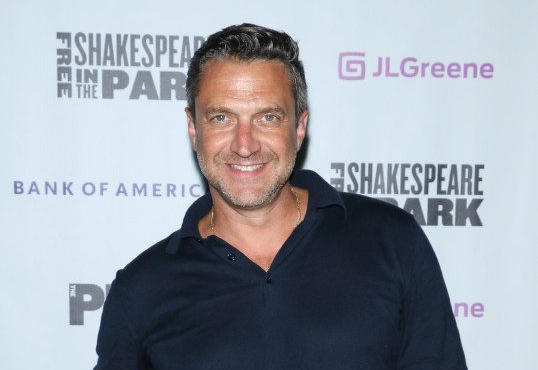
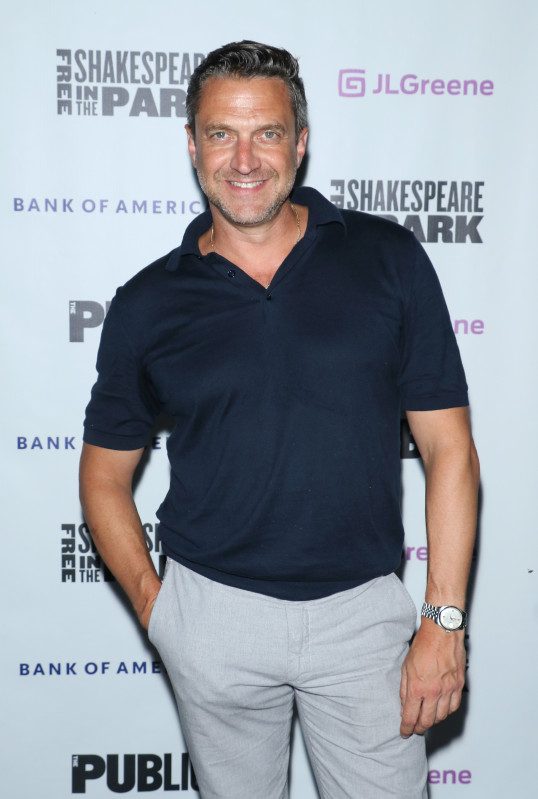

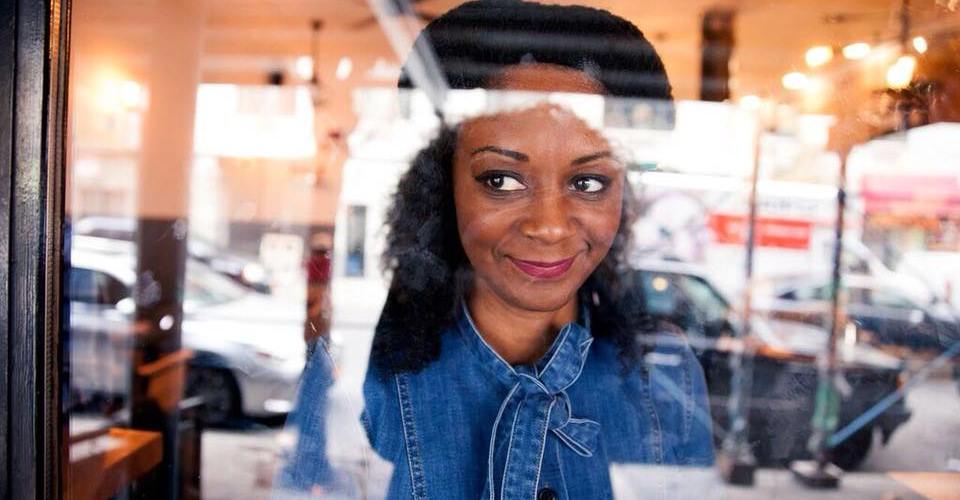
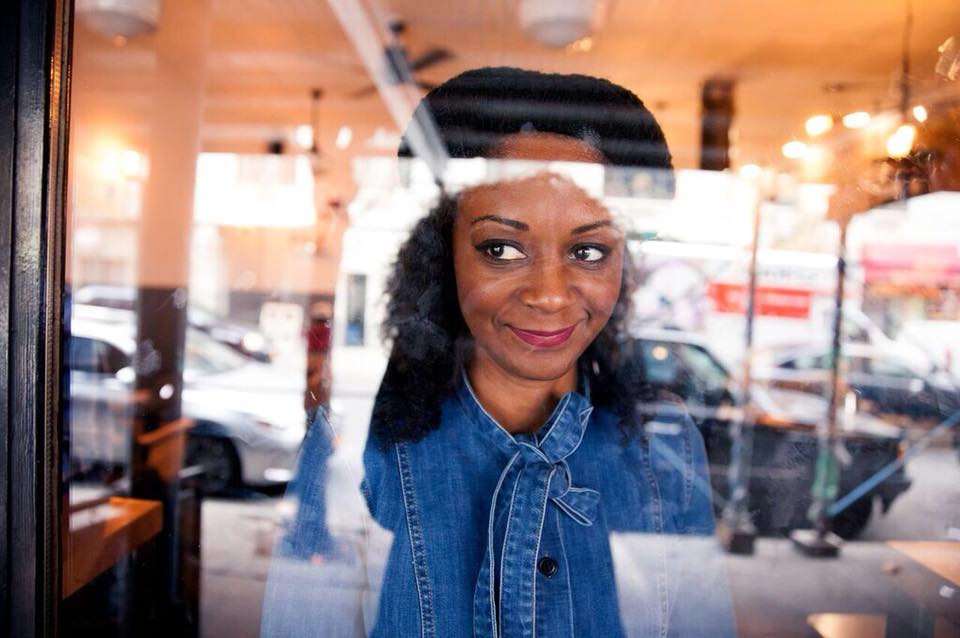


 Token Theatre Friends