Black Lives Matter protestors march past The Flea Theater on Juneteenth. (Photo: Diep Tran)
An artistic director resigns after allegations of sexual harassment. The entire staff of a theater is let go following public testimonies of racist behavior. A theater commits to finally paying its actors after a public outcry. Around the country, as people have taken to the streets to support the Black Lives Matter Movement, and to speak up against police brutality and institutional racism, theater artists have not been sitting on the sidelines. Far from it. Many artists are taking this time, while live theater around the country is at a standstill and its workers are jobless, to speak up against the injustice they have witnessed and experienced. They are demanding that the industry, when it does come back, will change.
Recently, more than 60,000 theater artists (including Lin-Manuel Miranda and Sandra Oh) signed a petition called We See You, White American Theatre, which called out racism and sexism in the theater industry. According to their website, they are currently drafting up a list of demands.
But separate from the We See You WAT letter, groups of artists—first in Chicago, and then New York City, Atlanta, and Washington, D.C.—have come forward with their own stories of misconduct at particular institutions, and with lightning-fast speed, have pushed those theaters to respond to their demands. Stephanie Peyton is an Atlanta-based actor, and she and a group of other freelance theater artists were instrumental in getting the entire staff of Georgia’s Serenbe Playhouse laid off. Said Peyton:
“We’re all stuck with this whole COVID thing. And so we have nothing better to do than to be on our social media and see these new videos every day of Black men being shot, and women disappearing and children not being found. Not only are we seeing this every day, but we’re experiencing it every day. And it’s not just with police but it’s with our bosses, it’s with our schools, it’s with our housing, it’s everywhere. And so for us, it was getting to a point of being like, we’re gonna call this stuff out.”
What happened at Serenbe can be traced back to a public Facebook post on June 8 by actor Lilliangina Quiñones, in which she detailed incidents of racism at Serenbe, including former artistic director Brian Clowdus, saying, “’just because you’re Black doesn’t make you the owner of your story,’ and ‘The Color Purple at Actor’s Express was just a carbon copy of a show directed by a white cracker’ and so many other overtly racist statements.”
Serenbe Playhouse, whose work has received national attention in The New York Times, has an annual operating budget of around $2.5 million. Soon, other former artists who had worked at Serenbe were coming forward with public Facebook posts, detailing their own experience with racism, as well as unsafe working conditions (including an actor who was injured after almost falling off a 12-foot-high platform). Peyton said that when she was an acting apprentice at the Playhouse, she was also told to build sets and wrangle animals. “We did A Midsummer Night’s Dream, and we had to wrangle a live donkey that was not trained,” she said.
People also began commenting on Serenbe Playhouse’s Facebook page, including one that said, “You should be ashamed. You have A LOT of work to do. How dare you. How dare.”
Then on June 15, the Serenbe Institute, the parent company of the Serenbe Playhouse, announced that they had laid off the entire staff of the theater, have suspended operations and will rebuild the theater from the ground up, with new staff and board members. Clowdus had left the theater in 2019 to run his own production company: Brian Clowdus Experiences. Clowdus and his company have taken themselves off of Facebook, and have not addressed the allegations publicly.
I sent an email to Deborah Griffin, chair of the Serenbe Institute board of directors. The Institute has a different board than the Playhouse and I asked if the latter’s board members would be replaced as well—because of the way nonprofits are set up, the board can sometimes have as much say in how a theater is run as its staff.
This was her answer: “We are looking into the role the Playhouse board served in keeping complaints unheard, and if we find the board was part of that culture, we will work to replace those individuals with new leadership.”
Serenbe Institute is also working with a consultant named Dr. Tiffany Russell, who Griffin says, “specializes in Equity, Inclusion, and Diversity. With her help we will build a better, safer, more equitable and diverse playhouse. This will start from the ground up as we hire individuals who have proven experience leading theatres to be safer and more equitable.”
Serenbe Playhouse’s 2019 production of “Hair.” (Photo: Serenbe Playhouse’s Facebook page)
Meanwhile, while things were coming to a head at Serenbe, on June 21, actor Thomas Keegan alleged on Facebook that in 2018, Eric Schaeffer (the artistic director of the Tony-winning Signature Theatre in Washington, D.C.) had “grabb[ed] or fond[led] my genitals through my pants [at least] three times over the course of a bewildering five minute exchange, including at least twice after I made it clear that I wanted him to stop.”
In 2018, Keegan reported what happened to the board of the Signature. On June 24, the theater released a statement on their website that said, in part: “May 2018 was the first and only time Signature received any complaints regarding inappropriate behavior by Mr. Schaeffer during his 30-year tenure at Signature. Within hours of receiving the first complaint the Board was notified and soon after Mr. Schaeffer was placed on Administrative leave.” The subsequent investigation from Thatcher Law Firm, according to the theater, revealed that Keegan’s claims were “unfounded.”
Meanwhile, Keegan’s Facebook post circulated on social media, with other artists expressing their support and sharing. One of them was actor Joe Carlson, who also posted his own story about Schaeffer on Facebook.
Then on June 24, Schaeffer announced he was retiring from the Signature after 30 years of leading the company, effective June 30. He made no mention of the allegations.
That same day, a story published by WAMU, D.C.’s NPR station, detailed numerous instances of Schaeffer behaving inappropriately to artists and former staff members, including an instance where, “during a 2013 run of the musical Miss Saigon, Schaeffer allegedly pulled his pants down and pantomimed receiving fellatio from a prop statue of Ho Chi Minh.” According to WAMU, the Signature responded to the accounts with: “If complaints are made to Signature, we will investigate according to the balanced and fair policies of the organization.”
“Why did he step down after a bunch of people accuse him of sexual assault?” said Keegan rhetorically. “Well, I don’t know. I can tell you that if a bunch of people did that to me, I would gather all of my many friends and have them testify to my character. Why aren’t you defending yourself?”
The Signature Theatre (Photo: SignatureTheatre.org)
Finally, earlier in the month on June 4, in response to a statement from the Flea Theater in New York City about their support for Black Lives Matter, actor Bryn Carter posted on Instagram: “This is BULLSHIT. You do not pay your actors and the racist things witnessed under your roof is ridiculous.” She then detailed her experiences further in a public Facebook post.
Even though the Flea has a million-dollar budget and has its own $21-million-dollar building, its resident acting company the Bats, are not paid Actors Equity union wages. The non-union Bats are paid a small stipend when they perform but they otherwise need to log in volunteer work hours at the theater in order to maintain their membership with the Flea.
After Carter’s post, other former Flea artists were coming forward with their own stories of “racism, sexism, gaslighting, disrespect and abuse.” After a public letter from the current Bats was posted on social media, the Flea announced that it would pay all of the artists who work at the theater.
Aleesha Nash is a former staff member of the Flea and she thinks the issues of the theater go beyond unpaid labor. In an Instagram post, she explained (as the only other Black person on staff aside from Smith) how the Flea was “a toxic space for Black people.” At the end of her post, she detailed ways that the theater can improve, which included, “hire POC and learn from them by listening with compassion and respect. White staff, if your organization has one POC on payroll, speak up and work towards diversifying your staff.”
According to Vulture, Niegel Smith, the artistic director of the Flea, said he was “grateful to have been called out and called in.’” Smith promised that the next phase of the Flea will look like this: “artists are going to be included at all levels of leadership.”
Nash said that these criticisms of the theater are coming from a place of care, and of wanting to see the institution live up to the values it espouses. “That is why people are taking the time to write these statements about the Flea, it’s not because we want to throw them under the bus,” she said. “Just change so that we can actually benefit from the great stuff that you’re trying to do. If you get out of your own way, then you can actually make the impact that you want to make.”
“now we get to practice using our voices.”
Why am I writing a story about these three seemingly different circumstances? Not because I see them as interchangeable. I see them all as profoundly connected: to each other and to the current climate of this country where regular people are standing up against institutional power to demand social and racial justice, and a viral pandemic has brought into sharp focus what truly matters.
The reckoning for the American theater has been long overdue in many areas: around racial justice, around #MeToo, around labor exploitation. In June, as Black Lives Matter protests were spilling out onto streets around the country, many theaters released statements in support of the movement. For instance, the Signature’s statement said: “Signature is reflecting on the role our theater plays in our community, and on how we can do more to be anti-racist—as people and as a company. We want to do more. We must do more.”
These artists are showing these producers how they can do more. Said Lilliangina Quiñones, one of the artists who spoke out against Serenbe:
“I think this moment is about truth. And it’s about really seeing things as they are, so that we can make some critical decisions about how we’re going to move forward as a healthy community of artists and as individuals. And I think another part of it is just that simple act of practicing using our voices. Having been in primarily white institutions, we’ve been practicing how to be silent. So now we get to practice using our voices.”
It’s no coincidence that these movements have been led by actors and other freelance artists. One of the great lies of capitalism is that it is the bosses, the highest paid people at the top, who have power. And the workers, those who are paid the least, are lucky to be working. For all of its ideals, the American theater has followed a similar hierarchical setup, where the producer who runs the theater will make $500,000 a year while the actors onstage bring in $1,000 a week.
Within that hierarchy, independent artists are arguably one of the most exploited groups in the industry. Because they roam to different theaters for work, they lack job security. That top-down structure ensures that those artists will not feel empowered to speak up for themselves if anything goes wrong, for fear of their jobs. This fear leaves them particularly vulnerable to abuses of power.
It is that pyramid structure, and that fear that has allowed racism, sexism and white supremacy to flourish, even in spaces that claim to be equitable. Tara Moses is one of the people who spoke in the Serenbe situation. She said that one of the reasons she posted on Facebook was because her word as a director would be taken more seriously.
“There are way more actors than there are directors than there are playwrights than there are artistic directors, and so there’s increased risk,” she said. “So as an individual actor, if you decide to push back against these rigid power systems, you’re easily replaceable. And actors are taught that from the very beginning. I actually started my career as an actor. And that power imbalance became very clear, very quickly.”
And if actors are at the bottom, then BiPOC actors have arguably the hardest struggle. That is why Thomas Keegan came forward publicly. Since he posted his story online, “at least one person who came to me is a person of color who felt targeted and afraid to come forward,” he said. “And as a white ally, I do have privilege in this moment—it is safer for me to stand forward in this moment. And my word is taken more seriously.”
For Nash, this moment isn’t just about calling out one theater. Every theater needs to have its own reckoning. “This is not just in the Flea, it’s in all spaces—and the theater [industry] is one of the biggest spaces that are perpetuating these issues,” she said. “The theater has really neglected people of color in a big, big way.” The Flea has not contacted Nash about her Instagram post.
Around the country, it is the artists who are forcing these theaters to face their skeletons. A theater’s most valuable resource is not its building, but its people. You can make theater without a building but you cannot make theater without artists. Likewise, prior to this, Peyton had encouraged artists to not work at Serenbe.
“They can’t do a show without us,” said Peyton. “If they don’t respect us, if they don’t treat us well, if they don’t honor us, then we don’t work. It’s a transference of power. We’ve willingly given the power to these people because they’ve made us believe that they have it, but they don’t have anything without us.”
And during this time where live performance has been paused, now is the time for dreaming and for action. To dream of a theater that is truly equitable and safe, and to take action to put that into being—whether that is to call out institutions that have fallen short, or to support BIPOC-led theaters that have been doing the work. One thing is clear: silence is no longer an option.
Keegan believes that the Signature hasn’t gone far enough. On a public Facebook post, he has called for the resignation of the theater’s staff and board.
“The entire hierarchy of Signature Theatre, to include the board and people I once called friends and colleagues, has aided and abetted a sacrilegious abuse of power, criminal activity, and depraved behavior, in a theatre that good, hardworking artists call home. They have betrayed their patrons, their employees, and the artistic community. They should be removed and replaced by the next generation of theatremakers, honestly and transparently committed to creating safe spaces, free of sexual abuse and harrassment, so they may continue pursuing our most pressing matter: racial justice and equity.”
Even Tony winning costume designer Clint Ramos has called on the Signature to acknowledge what’s happened.
This story is currently still open-ended, like many stories around racial and social justice are in the American theater—an ellipses until the industry gets back to work in 2021 (hopefully) and audiences can see if these producers have lived up to their commitment to change.
But what is clear in this moment is if change comes, it will not be from those at the top, who have more to gain by maintaining the status quo and a culture of silence. After all, this week, Broadway producer Scott Rudin announced a revival of Thorton Wilder’s Our Town for the Great White Way in 2021, starring Dustin Hoffman, who has been accused by multiple women of sexual misconduct. In the American theater, with its short memory, it’s easy for people with whispers around them to work again.
The status quo will want to reassert itself. Change will only come from individual artists forcing the issue and banding together to protect each other. That is why open letters representing many people are a popular form of activism right now. As I write this article, artists in the Bay Area have been sharing their own racist experiences in theater on a public Google Doc.
For her part, Quiñones is cautiously optimistic about the future, though she admits she has to be in order to move forward: “I don’t know how many theaters are really going to step up to the plate and really make the needed changes. But I do think that we set some really wonderful things in motion.”
This may be a controversial statement, but I’m grateful for COVID-19. Not because of the death toll or the economic instability for many. But because it’s given all of us something that we didn’t have before: time and focus. As I write this, in New York City, we’re on our 12th continuous day of protest. On June 14, over 15,000 people showed up to Brooklyn, dressed in white, for a protest in support of Black trans lives (Riah Milton and Dominique Fells were murdered last week). Would we still be protesting if we all had to get up and go to work? Or would the murders of George Floyd, Breonna Taylor, Rayshard Brooks barely register in the minds of non-Black people and then fall by the wayside due to the distractions of regular life?
Last week, I was tuning into the New York Times’ Offstage broadcast on Youtube, where they were showcasing musical numbers from Broadway shows this season. The event opened up with a panel of Black artists talking about racism on Broadway. During one emotional moment, Adrienne Warren, the star of Tina: The Tina Turner Musical on Broadway, said this:
“I’m not thinking about Broadway right now. I’m thinking about how I can help my people. And that is what I care about right now. I will not perform. I will not sing a song that does not mean anything. When I get back to my art, if my art doesn’t mean something, then what am I doing?”
Adrienne Warren
For so long, artists have been told to stay in their lane, that audiences want them to entertain, not be political. But with the pandemic and no way to create art, art has become activism. Last week, Beyoncé wrote a letter to Kentucky Attorney General Daniel Cameron calling him to press charges against the three police officers who murdered Breonna Taylor. Taylor Swift called for the take down of Confederate monuments. More than 50,000 theater artists (including Sandra Oh and Lin-Manuel Miranda) signed an open letter decrying racism in the theater industry in a letter that read, in part:
“We have watched you program play after play, written, directed, cast, choreographed, designed, acted, dramaturged and produced by your rosters of white theatermakers for white audiences, while relegating a token, if any, slot for a BIPOC play. We see you.”
Last Friday, I was on a Zoom call with over 200 artists and we were phone banking, calling the New York City Council to tell them to cut the budget of the NYPD by $1 billion. At night, I signed onto the third night of the #BwayforBLM, a three-day virtual event organized by the Broadway Advocacy Coalition, to discuss racism in the American theater and what can be done to make change. Right now, artists are bringing their power to build community, and to sway hearts and minds, to bear. They are pushing for both societal transformation and a better theater industry.
The lanes no longer exist, because systemic racism affects everyone. At the same time, maybe those lanes were a function of white supremacy to begin with, as a way to tell BIPOC artists that their lived personal experiences did not matter. And allowed white artists to live in blissful ignorance. These productions and institutions call themselves a family, and yet in the past two weeks, countless artists have spoken up about the painful racism they have encountered in those very spaces. Being an artist doesn’t render you immune from police brutality, sexual assault or income inequality. When your own body is political and the powers that be tell you to not be political, it is an erasure of the self.
BIPOC artists are creating change through first-hand accounts of their experience with racism in the theater industry. Day one and two of #BwayforBLM was for Black artists to tell their stories, first for each other, then for allies. “I and every speaker on this program is risking something in honor of honesty, humanity and restoring justice into our community,” said actor Britton Smith, who is also the president and cofounder of Broadway Advocacy Coalition.
But for BIPOC artists, there is a cost to speaking out, whether that’s an emotional cost that comes from reliving trauma, or financial one that comes from the blacklisting that inevitably happens. Black pain once again being put on a platter for white consumption. At #BwayforBLM, Tony-nominated director Liesl Tommy spoke frankly about how she’s blacklisted from multiple theaters because she’s spoken up against racism in theater.
While Black artists are telling their own stories as part of a call to action, white people need to ask themselves: What am I risking? As Tre Johnson writes in the Washington Post, “When black people are in pain, white people join book clubs.” On Friday, a bunch of white Hollywood celebrities released a video where they said variations of “I see you” and “I take responsibility” to a camera. They were rightly criticized for their superficial display. Because what good are these phrases of solidarity when Black people are still being lynched? As author Adrienne Lawson wrote on Twitter:
“I encourage each of these actors to hire a team of BIPOC feminists knowledgeable on intersectionality to review and advise them on script choices. No more white savior films, racially tokenized roles, and stereotype-perpetuating shenanigans. Take responsibility AND take action.”
Adrienne Lawson
Last week, chef Sohla El-Waylly took to Instagram to call for the resignation of Bon Appetit editor-in-chief Adam Rapoport, because the magazine underpaid staffers of color in comparison to its white staffers. El-Waylly’s white co-workers joined her in that call, refusing to appear in any more Bon Appetit videos. Rapoport stepped down from the magazine a day later, something that wouldn’t have happened had El-Waylly not bravely put herself on the line, and had her white colleagues not supported her.
In order for change to happen, it’s going to take every single person, BiPOC and white, risking something. Black artists are risking their careers and future employment. The activists on the streets are risking their health. What are white people risking? Are they able to call out the most powerful, and the most inequitable, among them?
During #BwayforBLM, Broadway Advocacy Coalition board member Richard Gray said: “In these moments, it forces you to rethink whether you actually are a good white person—you shouldn’t be thinking that. You should be thinking, how can I become a better one. You live in a place of change. If you just dwell on what you think you’ve done well in the past, you are never going to change because you are going to be satisfied.” He said that white people need to think about what they’re “not doing.”
The creators of the We See You White American Theatre campaign said in a statement that they are currently gathering a list of demands for the white powers-that-be in theater. Meanwhile, #BwayforBLM is collecting signatures for a Public Accountability Pledge that reads, in part, “I pledge to use my social, cultural, and financial capital to amplify institutions and productions led by people of color, and to call out those that do not involve this leadership.”
The letter ends with: “Hold me accountable.” But as we move forward, I hope it’s not just BIPOC artists holding white people accountable. I hope white people continue to hold each other, and themselves, accountable.
The Public Theater, which has opened its lobby this week to protestors. (Photo: Diep Tran)
“Do you all know the definition of that word witness? I’m not talking about being a passive observer…I’m talking about being a witness in the Black American tradition. Which means you take responsibility for what you see, you’re willing to shoulder that load and put your back into it.”
Daniel Alexander Jones, Black Light
America has ended its second week of protests, which was sparked by the murder of George Floyd by Minneapolis police officer Derek Chauvin but has since grown into a worldwide cry for transformation. In just a week, defunding the police has gone from a farfetched talking point to a rallying cry for millions of people across America, who are calling for an end to police brutality, repercussions for law enforcement who break the law, and defunding the police—taking the billions of dollars allocated to the police and redirecting it towards social services and education. It’s been, to put it mildly, a week.
But last night, I came home from a protest in Washington Square Park in Manhattan. While I was resting my feet after a week of marching, I noticed that the Joe’s Pub YouTube channel had posted a show by the artist Daniel Alexander Jones called Black Light. I had seen Black Light in 2018 and I was so moved by it that I saw it twice. It was one of the best shows I saw that year. The play is a series of stories and ruminations by Jones—with original songs performed by Jones and an on stage band interspersed throughout. In the work, Jones references segregation and racial violence, but also family, Prince and change (or as he calls it, “the crossroads”). It’s a work both sobering and beautiful, melancholy and joyful. And it creates hope by telling the audience that a better world is possible if we can imagine it and we can act.
One of the main themes is witnessing, but not in the sense of being a passive observer. It’s what Jones calls in Black Light, “a living witness.” It’s “taking responsibility for what you see.” Millions of people around the world witnessed, through a video, George Floyd being murdered in broad daylight. And instead of brushing it off, like so many have done so many times before, it drove people to act, to shout enough is enough.
And I don’t just mean taking to the streets, though those actions have been the most visible and wildly effective in leading to the arrest of Chauvin. I was talking with a friend, a theater producer who lives in Chicago, and they were telling me that they were on police scanner duty, so they could tell those on the ground protesting if there were SWAT teams nearby. That is being a living witness. So many people have donated to the Minneapolis Freedom Fund and the Brooklyn Community Bail Fund that they were redirecting donations to other organizations. That is being a living witness. The citizens of Los Angeles called in so much that Mayor Eric Garcetti has committed to cutting $150 million from the Los Angeles Police Department budget. That is being a living witness. KPOP fans flooded racist hashtags on Twitter, such as #WhiteLivesMatter, with fancams, drowning out the voices of white supremacists. That is being a living witness, with dance moves.
Here’s my favorite example of living witnesses this week. On June 1, Off-Broadway theater New York Theatre Workshop opened their building for the first time since March (when NYC went dark because of COVID-19). They gave out free water and snacks, gave protestors a place to charge their phones, and allowed people to use their bathroom. Within a day, a Twitter campaign was born: #OpenYourLobby, which was used to persuade other theaters around the country (whose buildings were closed and empty) to follow NYTW’s example. In just four days, 64 theaters around the country are committed to opening their lobbies daily for protestors. And those who couldn’t, like Roundabout Theatre Company, donated water and supplies to the Public Theater, whose lobby in the East Village has been opened since June 3. When I visited the Public, a woman came up and thanked one of the staff members who were there, saying, “You’re doing the right thing.”
The lobby of New York Theatre Workshop. In the background there is a sign: “Stonewall Riots were started by Black & Brown trans folx! Black Lives Matter. Trans Lives Matter.” (Photo: Diep Tran)
I contacted the organizers at the Open Your Lobby Twitter account. They requested anonymity but explained that the campaign was inspired by their own experience as protestors. “This initiative started because we were on the ground during the initial weekend of protests, and we saw people struggling to find refuge in a largely boarded up city,” they said. “Theater spaces came to mind because they are centrally located with bathrooms and resources which haven’t been used for weeks.” Not to mention that New York Theatre Workshop is in a high-traffic area for protestors, being within 10 minutes walking of Washington Square Park and Union Square.
With help from Open Your Lobby, playwright and actor Carolina Do has petitioned Second Stage Theatre (located next to Times Square) to open. She, and two other artists, gathered over 300 signatures for a petition within a day, which they then sent to the theater’s management. Second Stage then gave Do permission to use their space starting June 6 and contributed to buying supplies. For the last two days, Do and a group of volunteers have been greeting protestors whenever they come by. Do sees this as an opportunity for theaters, who have recently been vocal about their support for Black Lives Matter, to take concrete action—not just wait until next year when the industry starts up again and we have all become distracted by other headlines. “It definitely was a lot of work of us going, ‘You put out a BLM statement but what are you really doing?’” she told me.
Though Do noted that she tried petition Broadway theaters to open their doors, especially because there have been multiple large protests around Times Square, but so far none have committed. “My contacts at [Ambassador Theatre Group] and commercial theaters are using the excuse of unions staying in the way/having cut off utilities,” she says. “I personally call BS but haven’t seen any Broadway people take action/initiatives on petitioning them, aside from Jeremy O. Harris calling some theaters out on Twitter.”
As someone who worked at a non-profit theater organization for eight years, I will tell you that those institutions are notoriously slow to respond to any time-sensitive proposal—due to the need to get approval from, usually, at least, three levels of management. And yet, in just a week, what started as one theater opening their doors to 64 theaters around the country opening their doors goes to show how easy you can change an industry. Not by waiting for them to do the right thing, but by artists pressuring them to do so (and in some cases, writing Black Lives Matter messages on their boarded up buildings). As we head into another week of protesting, here is a list from Open Your Lobby, which is updated frequently, of current theaters that are available to protestors.
Opening a lobby, it doesn’t seem like a big action. But like how an avalanche starts with one rolling pebble, if all of us decided to not just be a passive observer, but a living witness, to take an action—to quote one of the speakers I heard yesterday in Washington Square Park, “we will win.” Meanwhile, we can take note of those who are just talk and those who say nothing at all.
In the words of Jones in Black Light:
“I come from a long line of people with radical imagination. Stretching back form my grandmother, my aunt Cleotha, across generations, through slavery time—when people imagined a freedom that they themselves have not experienced. But they held it in their mind’s eye, and they prayed and they shouted and they acted and they chose….”
Daniel Alexander Jones, Black Light
What will you choose to do today? How will you be a witness to this time?
The June 6 protest in Washington Square Park. (Photo: Diep Tran)
In the past week, as protests have raged across the country in reaction to the murder of George Floyd and rampant police brutality, we’ve heard the following things from many non-Black friends and colleagues: “I don’t feel like I’m doing enough.” This is usually accompanied by a heavy sigh and a discussion of what they’ve been doing. Have you been donating to Black Lives Matter, bail funds and other social justice organizations? Have you called your elected representatives to tell them to defund their police department and pass laws demanding accountability for police officers? Have you been speaking up when you encounter racist or insensitive remarks by the people in your life? “Yes, but I still feel so depressed.”
To which we say, good. As Jose said in our recent Token Theatre Friends podcast: “I feel powerless. I feel like I’m not doing enough right now. I wouldn’t want people to tell me, ‘Oh, you’re doing so well,’ this is not what this is about. I think I would be very unhappy with myself if I thought that I was doing enough. So the fact that I’m wondering if I’m too, you know, I take it as a very good sign.”
Here at Token Theatre Friends, we feel like we haven’t done enough. Because if we had, if everyone who has shown support the past week has done enough, George Floyd and Breonna Taylor might still be alive. Our discomfort, our rage, our depression, is overdue. It’s a minor taste of what Black people in America feel every day. Meanwhile, too many people have felt comfortable for way too long.
That statement applies to both socio-political issues, as well as to our own backyard. We love the arts and we love theater. But recent events have made the industry’s shortcomings, and its hypocrisy, even clearer. On June 1, Dear White People actor Griffin Matthews posted a powerful Facebook video detailing his experience working on his musical Invisible Thread, which was presented Off Broadway at Second Stage Theater in 2005. He started the video saying, “Amy Coopers are alive and well in the American theater,” referencing the white woman who called the police on a Black bird watcher, Christian Cooper, in Central Park.
Matthews then listed the racism he experienced while working on Invisible Thread, including an instance in the rehearsal room: “A song in Act One mentioned the fact that I was the son of slaves, our producers in the middle of a creative team meeting said, ‘Slavery is over, nobody wants to hear about that,’” Matthews recalled. “Not one single person put him in check.” Second Stage also promised to donate money to Matthews’ charity in exchange for him and the cast of Invisible Thread performing at their annual gala; “their donation never came.”
“That is why Broadway is racist,” he said. Second Stage has not commented on the video, which as of press time has been shared more than 5,000 times. But the company did post a statement of solidarity with Black Lives Matter. (Update: Invisible Thread director Diane Paulus also put out a statement.)
Matthews’ experience is not unusual. Because while the industry prides itself on diversity, behind closed doors it’s a different story. Award-winning actor/composer/playwright Daniel Alexander Jones wrote in a Facebook post that he’s been told by: “white artistic directors that: my work had no relevance to the contemporary American theatre, and told that I needed to write a white male into my play because it didn’t make sense that there wasn’t one in it, and being told that no-one would ever want to produce my work, ever, so is there something else I could do?” (We pity any producer who doesn’t understand the beauty of Black Light.)
Actor Cooper Howell wrote, in devastating detail on Facebook, the sexual and racial harassment he experienced at the hands of a white director while acting in Frozen at Disneyland. The first-hand accounts are too numerous to describe, as Black artists have taken to social media to voice their dissatisfaction with the industry, speaking up about negative work environments, microaggressions and outright racism that they’ve experienced while working in the theater. This stands in stark contrast to the many Broadway shows and theaters that have posted up statements supporting Black Lives Matter and vowing to be anti-racist. The Metropolitan Opera posted up a statement, yet it’s never produced an opera by a Black composer. A Black playwright has not won a Tony Award for Best Play since 1987. White actors and playwrights are overrepresented on New York City stages.
A public statement may be heartwarming, but it lets companies pull the curtain on their own hypocrisy. Like a black square on Instagram, the performance can be a substitute for meaningful action. Some of the companies who have released statements have produced primarily white writers at their theaters. They’ve contributed to an erasure of Black and POC voices. They’ve fostered negative work environments for Black artists and hostile viewing experiences for Black audiences. And they punish those who speak up. “I may never make it to Broadway for speaking out against the horrific treatment that I received, and all of the Amy Coopers will be fine,” said Matthews in his video. It echoes what Star Wars actor John Boyega said during a protest in London on June 3: “Look I don’t know if I’m going to have a career after this but, f**k that.” By blacklisting artists who dare to speak up, these so-called liberal institutions contribute to the systemic racism that they disavow.
As COVID-19 has shut down the entertainment industry, we are left with two options: we can either build back better than before or we can continue the status quo, where artists of color are forced to swallow their discomfort for the sake of the white people around them. Theaters and producers who have put out these Black Lives Matter statements need to take this time to listen to the voices of Black artists around them and on social media, who all have importantsuggestions for change. Director/actor Schele Williams posted a poetic, detailed statement on Facebook with the following suggestion:
Broadway is white. And white is not bad But White is not Black
If you mean the words in your statements Show us your values Live up to your mission statements Give us space to breathe and speak without fear of reprisal. Look around the room and if you only see yourself replicated – CHANGE IT.
Schele Williams
When people are risking their lives to march on the street, a social media statement is not enough. Now is the time to act. Now is the time to look not just outward, and inward. The calls are coming from inside the house.
What do theater companies and producers commit to doing to make sure what happened to Griffin Matthews and countless Black artists does not happen again? Will these companies cater to Black audiences as faithfully as they do white ones? Will they make their work accessible and affordable to the Black community? Will they make sure to spotlight Black voices regularly, and not just once a year and as side characters? Will they help support the Black-led business and theaters in their communities? If their Black artists get criticized by the New York Times, will they stand by their artists? Will they prioritize fair wages so that Black artists can afford to be artists? Will they defend their socio political stances to angry subscribers who just want them to “shut up and sing”?
i’m glad a bunch of theatre companies are “standing” with us but can y’all hire more of us, produce more of us, give us more residencies and fellowships?? maybe full seasons of black work?? with black designers and directors?? anti-racist company guidelines and education within??
To our Black friends and readers: we stand with you and we are sorry for not having done enough, and commit to continue to advocate for justice and anti-racism.
To our non-Black readers: Right now, if you’re feeling comfortable, it means you’re not doing enough. Your discomfort is overdue. Sit with it. Let the discomfort propel you to act and fight for a better world for everyone.
Every week, culture critics Diep Tran and Jose Solís bring a POC perspective to the performing arts with their Token Theatre Friends podcast. The show can be found on Spotify, iTunes and Stitcher. You can listen to previous episodes from the previous version of the podcast here but if you’ve been a subscriber to Token Theatre Friends, you will need to resubscribe to our new podcast feed (look for the all-red logo).
On the first episode of the newly revamped Token Theatre Friends podcast, the Friends sat down and recorded over Skype on June 1. They discussed Black Lives Matter and the protests that have erupted around the world around the murder of George Floyd and police brutality. They also discuss how different brands have released statements to support BLM, including Broadway shows and theater companies across the country, though some of these statements have been better than others. At the end of the episode, they also chat about what they’ve been up to in quarantine and their opinions about virtual theater. So buckle up because the girls are back in town!
Here are links to things that Friends talked about in this episode.
Note: After this episode was recorded, the three officers—Thomas Lane, J. Alexander Kueng, and Tou Thao—were charged with aiding and abetting murder. Derek Chauvin’s charge was increased to second-degree murder.
Below is the transcript from the podcast. If you would like to support the Friends and their work, click here to donate to their Patreon.
Diep: Hi, I’m Diep Tran.
Jose: And I’m Jose Solis.
Diep: And we’re your Token Theatre Friends, two people who love theater so much that up until New York City shut down because of the COVID, we were at the theater the night before. What sure did you see before everything shut down Jose?
Jose: My last Broadway show was The Girl from the North Country which ends with everyone dying because the Great Depression and sickness are, you know, happening. So it was a very ominous last show that I saw.
Diep: Oh my god, spoiler alert! I hadn’t seen it before everything shut down. Thanks for ruining the musical for me. Wow, I’m looking forward to seeing it even less now. Assuming it comes back. Who even knows at this point, right.
Jose: I mean, it’s not a spoiler because it sounds a bit like you know, it was in London, the Public and was on Broadway up until a few months ago, so it’s not that much of a spoiler, but it was just like a very dark ending. A very dark show to see and not go back to the theater since.
Diep: Did you like it?
Jose: I didn’t like it off Broadway and I didn’t really like it on Broadway either. It’s just not for me.
Diep: Mm hmm. Yeah. And it’s not because like we’re snotty about jukebox musicals. We enjoy the jukebox musical but some work and some don’t. Right?
Jose: Yes, this one didn’t work for me. Although the cast was extraordinary. So good for them.
Diep: If this is your first time around this space, Jose and I are two culture journalists who write about theater, movies, TV—I’m trying to get into writing about food during quarantine because that is literally the only thing productive I am doing is getting my Martha Stewart on. And we actually had a previous version of this podcast that was produced by American Theatre magazine, you can find it on the other Token Theatre Friends feed, but this is the new Token Theatre Friends feed, because we are an independently produced entity now. Yay. Growing up, getting out of the nest, making things happen for ourselves.
Jose: I do want to say thank you to American Theatre and TCG because I cannot believe there were 52 episodes altogether. It’s insane.
Diep: That’s so much talking that we’ve done.
Jose: Like 52 guests that we’ve had and I didn’t know I knew so many people.
Diep: Yeah, I didn’t know people liked us enough to say yes to doing our dinky little show.
Jose: We’re halfway through, you know, like being like one of those sitcoms that have 100 episodes. Can you imagine we’re gonna get the number 100 on it?
Diep: Yeah, I think by the time COVID ends we will be there. So on the show we’ll be talking, yes about theater, but we’re also talking about, you know, pop culture, things we would notice that is worth discussing—cultural commentary on politics, social, social justice, things that bother us, because isn’t that what social media and podcasting is mostly about? Just talking about things that you either love or things that bother you? And we were on hiatus for a little bit so I’m so happy I’m really happy to be reuniting with my theater husband Jose even if it is over Skype, you know, we all know how infected the subways are and it takes Jose an hour and a half to get to me.
Jose: Right, right. Right. So since you’ve been gone since then. And now we were back together half a year after, how much did you miss me?
Diep: Considering I still see you at the theater?
Jose: So mean!
Diep: I really did miss just doing the show and just having a platform to have these really long, deep conversations. I mean, yes, it’s in front of people. But I think doing the show, like it was, just really helped me learn how to really articulate what I was feeling about certain things in a smarter way than just saying, oh, that really sucked. And I love our logos and so I just it just made me so sad to see you just doing all of it by yourself. It’s friends, you know, there’s an S and Token Theatre Friends means multiple people. But you did such a good job holding it down by yourself for a little while.
Jose: Glad I made you proud Mama.
Diep: For our reunion episode, we’re gonna be talking about a bunch of things. First, we’re gonna to talk about the Black Lives Matter protests that’s been happening all around the country around the death of George Floyd. And Breonna Taylor and so many of the other Black people who have been unjustly murdered by police officers who face no consequences for their actions. Our hearts go out deeply to their families, and all the protesters who have been injured and in prison to during these last few days.
And we’re talking about that, because, even though it’s a political event, political social event, a lot of companies—entertainment companies, Hollywood and Broadway, the theatre industry—they’ve been putting out statements about it. And we have some thoughts about what makes a good Black Lives Matter, anti-racist statement. So we’ll talk about that. And then we’ll talk about what we’ve been doing and quarantine, things that we loved that you should check out. Jose, do you want to give us a recap of, of what’s happening in case people are listening to this a few months from now and don’t remember because time is stretchy?
Jose: And also because we seem to have a very short term memory when it comes to dealing with everything related to racism in this country. So yes, what’s been happening right now has been happening from the very first moment that an American went to Africa and kidnapped Black bodies against their will, and brought them to the United States. Well, it wasn’t even the United States back then, it was the colonies. But they brought all these people against their will to become slaves. They enslaved so, so many people, millions and millions and millions of people. I heard something, a podcast, but apparently the number of people who died during the years of slavery, do you know what it amounted to? It was 450 million Black people who were murdered during the centuries that slavery went on in America. That number is horrifying. And even after slaves were emancipated, slavery just took on a different form. It became, you know, segregation laws, it became racism.
Diep: It became Jim Crow laws.
Jose: Yes, it became the structure that shaped the—that’s the ground of pretty much every major institution in the United States. And there’s been lynchings and horrible murders throughout the centuries throughout the years. The 20th Century was particularly horrible for Black people in America. And this all culminates in the murder of George Floyd on May 25, in Minneapolis, when one white police officer knelt on his neck for nine minutes as the man kept shouting and asking for help. Saying that phrase that we know so well by now and it never gets this heartbreaking to hear, “I can’t breathe.” And while this was happening, three other officers just stood there watching doing absolutely nothing. But the corrupt cops got away with it. The one who knelt on him and murdered him was charged with third degree murder, which is bullshit. And the other officers, you know, they’re probably hanging out being happy, leaving like very happy racist lives.
And this, combined with other murders recently by the police, who could go to people’s homes and murder them while they’re sleeping and they murder people while they’re just living their lives. This culminated in protests that didn’t only happen in Minneapolis but they are happening all over the country. And even more surprising, they’re happening all over the world where, you know, people are getting together. And finally everyone’s saying Black Lives Matter, which is something that we have done a very, you know, in the US non-Black people have done a very, very, very, very poor job of doing. We need to say that more often, we need to mean it, and we need to do something about it. So, what gets me really, this is like a horrible word, I think, to be using right now. But what gets me so excited about what’s happening right now is that we are seeing a lot of white people and Latinx people and Asian people finally joining the protests, and finally realizing that racism is a problem. It’s a major issue. And it doesn’t only affect Black people and people of color and minorities. It affects everyone, all of us. So that’s what’s happening right now in the country. Did I do a good job of summarizing it?
Diep: You did do a good job. You went through 400 years of American history of racism against Black people in 10 minutes! Applause to you. But I feel like an additional component with these protests isn’t the fact that these people have been unlawfully murdered. It’s the fact that the people who murder them police officers face no consequences. Like, Derek Chauvin, the police officer who killed George Floyd, like out of the countless, Black people who have been murdered by the police, he’s like one of only maybe two or three in the last 10 years that have actually been charged with the crime. This problem isn’t just a couple of bad police officers. The problem is the system that that shields police officers from consequences, supports them even when they, and this happened to New York, even when they drive a car through a group of protesters. The things that would get normal people charged with a crime and put behind bars are the things that just get these police officers a slap on the wrist and you know, they go they get paid administrative, they get pulled off of the streets, but they still have a job and they still have a pension.
Jose: Right normal people. Let’s be even more specific, white people. Remember when that kid—that’s really complicated, that young man that whatever that murderer, went to that church and killed those people, remember the cops got him—wasn’t McDonald’s or Burger King on his way to prison? While they’re getting Burger King for this murderer, they basically killed George Floyd next to a police car. So that contrast, that itself is absolutely horrendous. And the police right now are basically attacking everyone, like they are a force that’s out of control. They have been attacking not only the protesters but people who have, you know, journalists—journalists with press passes have been attacked.
Diep: There’s this really amazing article on The Cut that tells you what it feels like to get hit by a rubber bullet because people think, oh, it’s a rubber bullet, so it can’t hurt that much. But people’s eyes have been taken out, because these officers are aiming point blank at people’s faces which they are not supposed to do. In what world are the people who are obligated to protect and serve citizens, in what world is that right? Okay, so that’s the background for the next part of our conversation, which are reactions from different brand entities like Netflix, the NFL ironically, Facebook have all put out statements in support of the Black Lives Matter protests. And among them have been the Broadway shows and also theater companies—you know, the people that Jose and I interact with the most because that’s our industry that we focus on. And so I wanted to talk about, like, what these reactions, what these statements have been like, and how have they been received by the community and why these statements matter.
For example, the team behind the Broadway play What the Constitution Means to Me, they put out a Tweet saying, “On behalf of the entire Constitution family, we have donated $6,000 to the NAACP Legal Defense Fund to Fight the continuing racism and inequality and violence against black people in the United States. Please join us if you can, and they included a link out.” And so Jose, like what kind of statements have you been seeing and and what makes a effective statement versus an ineffective statement?
Jose: The kinds of statements that I see are, you know, split in the middle. We get a lot of people who, finally and this is one of the things that makes me very happy—because we have talked before, like in our previous episodes, on the other feed, we constantly talk and if you follow us on Twitter, you know—that we constantly talked about how theater is always so late to react to everything that matters socially, and politically. And the industry especially, particularly Broadway, keeps silent. You know, we talk often about how theater was the only industry for #MeToo not to have happened like. Every man in theater is a good man. Like no one harasses and abuses women, apparently in theater because no one, you know, no one, no one, no one was affected by the #MeToo movement in theater basically.
And what makes me happy about what’s finally happening right now is that we are getting all this theater companies finally saying Black Lives Matter. And before they would, you know, put out like very, super lame, very like general statements about, “Oh, people of color, blah, blah, we’re gonna be better.” But right now we’re seeing companies and the artists are saying Black Lives Matter. They’re sending out newsletters and all that. But in addition to that, they’re also making themselves accountable. And for instance, the Public Theater sent out an email where they said that you know, and they are saying that they realize, “how late we all are to the game and how little we’ve done in how poorly we’ve done.” So in addition to finally supporting the Black Lives Matter movement, they’re also offering accountability. And a lot of them are putting out strategies that they are going to implement. And they are inviting audience members. And also, you know, by default journalists and critics and people who love theater to hold them accountable. That’s really amazing.
And on the other side, we have Wicked and we have all these messages of support that are pandering to the white racist base by not saying anything about Black lives, and by not saying anything meaningful, but just putting out ridiculous platitudes that right now don’t mean anything and rightfully are making people even more angry. And they are shaming them. That’s what we’re seeing. And I think I think we can both agree on that. We all are so late to this.
Diep: Yeah. And and to give some context, Wicked the musical they first put out an image, it was an image they use in a 2016 anti-bullying campaign: two arms holding hands, one one green hand, one white hand, saying, “When we defy hatred, we defy gravity.” Which, you know, I understand time is of the essence when it comes to these kind of statements, but it’s in poor taste to reuse an image that that says nothing about the particular situation that we’re dealing with. It’s people actually dying because of racism. I don’t know if you saw this but yesterday they put out a new tweet, Jose, and they said, “We must end systemic racism in this country. We must end police brutality, we must end racism, we must end injustice. These organizations, please join us in supporting them if you can: Black Lives Matter, Reclaim the Block, Black Visions Minnesota and NAACP.” That’s the great thing about social media. I think if none of us, if no one called them out, and rightly on that previous image, which they did take down very quickly, I don’t think they would have had the wherewithal to, like, put out a new statement saying very specifically, this is what we support. And this is who you should support.
But what I’m wondering is how do we keep these people accountable after because, you know, kind of like Facebook, Facebook says they’re donating money, but Facebook is also not censoring Trump and still allowing political ads on their platform. And so like all of these, all of these corporations, all these entities, they haven’t stood by the community. They haven’t stood by the community in the past. And so what makes, what makes any of us think that they’re actually sincere about this?
Jose: They never are, you know. I deleted my Facebook a couple of years ago. And my recommendation with Facebook specifically would be delete your account right now. You don’t need Facebook. Facebook is helping fascism spread. Facebook is responsible for you know, for lies being spread that then lead to more social injustice and oppression. So delete your Facebook. Your life is going to be so much easier, your friends are gonna be around elsewhere, and your parents are not gonna be spying on you. They’re not gonna be leaving, like, you know, awkward messages under your posts. Delete it, you don’t need it, your life is gonna be much, much, much, much, much more simple.
Diep: Though when you delete Facebook, you should also delete Instagram because they’re owned by Facebook and so FYI, you can’t use both platforms.
Jose: Well then I guess I’m gonna have to get rid of my Instagram very soon.
Diep: Oh, don’t do it. I will miss you.
Jose: I might not like Facebook itself. It’s just like, you know, a lot of people should get rid of it.
Diep: What about these other companies though? What about like, you know, how do you keep Wicked accountable because they’re, they’ve, like I was doing some research when I, you know, made fun of them for that image they put out, I was doing some research and I found out that they, Wicked opened on Broadway in 2005. And in those 15 years, there have been, there have been no Black woman who has played Elphaba full time on Broadway. And there’s only been one black actress who played her full time in the entire world. And that was in the British cast. And so if, if these entities haven’t, you know, supported the community before, how do we make sure that they do so?
Jose: Well, we can boycott them, we should boycott them. And if not, as journalists as critics, it is our responsibility to remind people about this as often as we can. This is the moment where I know a lot of people are using that term: cancel culture. And they’re, you know, just sticking to it and seeing like, oh, canceled culture is so bad. It’s so terrible. But it’s important that these people should be tarred and feathered. These people should be wearing scarlet letters, people should know that we know what they’re doing, and they should know that we are not going to be quiet anymore. And this week, I am so proud, I’m so thrilled to see that silence is no longer an option. So we remind people as often as we can that you know, Wicked has done a very poor job at hiring Black actors. And for fucks sake, it’s a green character. I mean, for fuck sake. You know, it’s the same that happened when all those like new Star Wars movies came out you know, like the super racist insults and like all the white men were offended that it was women and you know, a Black lead and a Latino lead and a white female lead. And people were pissed because they wanted it entirely white. And no, we won’t shut up anymore. That’s that’s the thing. We won’t shut up anymore. We’re going to tell people about this often. We should have some sort of like, countdown or some sort of like, this is how many Elphabas keep getting cast. None of them are Black, you know, we need to change them, and we need to let them know that what they’re doing is wrong.
Diep: Yeah, I’m so glad you brought up Star Wars because I feel like when you and I have had these conversations around, like, oh, whose faces are onstage, who gets hired, we always get the response of, “oh, it’s just culture. Why are you being so uptight about it? You know, it’s just entertainment, it doesn’t matter.” But if it didn’t matter, then none of these white fanboys would have been upset over the fact that they cast a woman and a black man as a lead in a Star Wars trilogy. But they are because when you just put the faces and stories of one group of people on stage, it means multiple things in my opinion. It means that you’re telling people these are the only stories that are valuable. These are the only people who are allowed to be seen as human. And I also think it strips the audience of the ability to empathize with other kinds of people.
Like, you know, I’m, I’m Asian American, I rarely ever see myself represented and whenever I do and whenever other people have seen the same thing, kind of like Crazy Rich Asians. So many white people came up to me after seeing Crazy Rich Asians and they talked about how, “Oh, I learned so much about Singapore. I learned so much about you know, Asian American culture.” And it’s, I don’t want I don’t want my race of people to be an educational experience for you. I want you to see us as human people who, as people whose shoes, you can step into. I want to be equal to you. I don’t want to be like your Sherpa, like helping you go up the hill to help you become like a more woke individual.
Jose: Right? In recent years I’ve seen this happen to me as a Latino. Like when Alfonso Cuarón’s Roma, when it came out, it won a bunch of Oscars and stuff, and also with the TV show One Day at a Time, which centers on a Latino family living in the United States. They’re an American family, they just happen to have a Latino background, right, the Latino heritage, and people suddenly are like, “Oh, wow, you exist.” We’re no longer drug dealers, and drug mules and maids, and the bad people trying to cross the border and steal all the jobs, kill all the people. Now we’re human beings. And that’s just what we want. I don’t think it’s asking that much. You know, we just want to be seen. We just want to be respected. Yeah.
Diep: The thing about white supremacist culture is it prioritizes the voices of like only one group of people. And hopefully this moment has made people see that there are different kinds of violence. There’s the violence that comes with actual police brutality, and then there’s also the kind of violence that just comes from, you know, being erased and not being allowed to be seen as human. These white supremacists, they think they’re better than us because a culture has told them that they’re better than us. It made me think of also just like all the conversations you and I have had, Jose, about what it’s like being people of color in a theater, surrounded by all these white people and feeling like we’re not the ones being catered to. We’re not the ones that that get the, you know, “subscribe to our theater” emails, “we have all of these great things for you to do, that you saw, you should give us money.”
Up until COVID, theaters have prey prioritized old white people as audiences. Right? That’s why so many people are surprised when you and I are really passionate about this industry. It’s because oh, “you’re not an old white person. So why? Theater is for oldwhite people. So why? What? Why?”
Jose: That’s why we’re working to change it.
Diep: Yeah, so I’m hoping after this, you know, since the olds can’t go to the theater anymore, because the COVID mostly kills old people. We’re gonna get so many bad reviews for this episode, I can feel in my bones. And so if you love us, please give us a five star rating on iTunes.
Jose: Yeah, but I’ll take every bad review with you know, it’s gonna be a badge of honor that I wear.
Diep: So I feel like after COVID, if they can’t, theaters can’t try to get old white people into the space anymore because it’s actually unsafe for them to be there, so they will need to get people our age, younger people and maybe make things cheaper.
Jose: There’s a lot of possibilities after this like, since we’re talking about accountability, there’s also a document, it’s a spreadsheet and it’s a public document that’s going around right now, that we encourage everyone to share as far and as wide as you can. And it’s a spreadsheet with the information, the names, location, artistic director, people on the board, and how to reach out to them.
PR companies that have chosen because this is a choice, this is what’s so important to remember right now, this is a choice, they’ve chosen to remain silent. They haven’t said anything right now about what’s going on. And a lot of people, you know, we’ve been in this industry for so long that we know how they behave, and we know how they act. And I’m sure that a lot of people are gonna come out at some point and say, “oh, we’re sorry, we apologize that we haven’t said anything because of the COVID-19 pandemic. We’ve had to put on furlough or fire so many of our marketers right.” And they’re gonna say that, obviously, but those companies are still running. There’s at least one person in each company who’s still running it. Those people don’t need a marketer. Those people don’t need, you know, any special skills. We’re not asking them to shoot this like 4k on location using drones. Or to come up with this, like incredible graphic design, all those people have to do is to say Black Lives Matter. They can apologize for not doing it earlier, then they need to say how they’re going to become accountable. And they also should include links. So people know what the resources are and how they can help. They don’t need a huge budget to do that. They don’t need any marketers. They don’t need anything. They need to do what the rest of us are doing without any money. And without any corporate support, they need to speak up right now. So I hope everyone takes a look at that document and please spread it. And if you see a theater company in your city that’s silent, e-mail them, call them, go under social media and tell them that you know what they’re doing.
Diep: Yeah, it’s like we see you. But I really love what you said about how these companies just need to acknowledge that they’ve failed before. Because I feel like it’s almost worst, in my opinion, it’s worse to say something and not acknowledge the pain that you’ve caused before and where you fallen short. It’s better to then not say anything at all because then you just be considered a hypocrite which you are.
Jose: Oh, yeah. Yeah.
Diep: But enough with that very depressing, but, you know, very exhilarating topic. Oh, one more thing. We’re recording this on June 1. So Happy Pride, Jose.
Jose: Well, you can wish me Happy Pride on June 30. Because I want to see how the queer community and I want to see how the LGBT community acts during this month. Because if we’re talking about Pride, and we are not making it about Black Lives Matter and about queer black people, we should not feel Pride, we should feel shame. Because we, you know, there’s obviously this intersection. But we, you know, we do not get to say that we are more oppressed or that we are oppressed differently. This is the time where our oppression and the history that we’ve encountered as queer people needs to be tied into this, for instance, the very same week that George Floyd was murdered. This man Tony McDade was 38, who was a trans man, he was killed by the Miami Dade police, he was shot, he was murdered. And we aren’t talking about him enough. And it’s time for us to do that. So hold on to your Happy Pride wishes and wish them to me at the end of January. I mean, January the end of June. And I’ll be like, thank you Diep but if we don’t act—especially white gays, I see you and I’m on to you. If you don’t see the problem with your silence right now, and if you’re choosing to go with the platitudes of love is love is love and all that nonsense. Remember that Sylvia Rivera and Marsha P. Johnson, especially Marsha P. Johnson who was black, those were the people who started Stonewall. You would not be enjoying your shirtless mimosas in Hell’s Kitchen, and your orgies on Fire Island if it wasn’t for Marsha P Johnson and Sylvia Rivera. So if you don’t center your Pride around Black people, specifically this June, um, I have no pride whatsoever.
Diep: It’s like all of those people who want to police how other people protest or are forgetting that this country was built on protesting and, you know, doing some damage to property. I’m sure back in the day, there are people who are like, “Oh, they really should have not thrown all that tea overboard. I mean, think about all that money, all the damages that they have caused the British government, won’t someone think of the tea. But all of those people, no one remembers who they are. They do remember this act of protesting that led us to form this country. And people don’t remember that it was, Selma was not a peaceful march, there were police beating up the protesters. There were police beating up protesters at the Stonewall Inn. A peaceful protest isn’t possible as long as we live in a military state where the police can just, you know, can just hurt people without any consequences?
Jose: So fucking right.
Diep: We don’t just talk about serious things on this podcast. We also talk about fun things too. So why don’t we take a breather? And talk about like, what have you been doing in quarantine Jose?
Jose: It’s also so hard I don’t think you know, when we decided to get back together, to get the band back together. While we were orienting, I don’t think we ever imagined that this was what our first episode was going to be like, we thought it was going to be about you know, what theater to stream, and what movies to watch and all of that. Yeah, if we were only talking about that right now, we would be assholes. So I am so glad that that’s not what we’re doing. I’m extremely angry right now. I’m very sad. Also, very proud and very happy to see a social uprising. So yeah, you know, if we weren’t doing this right now, I would be very angry at us. I would be very ashamed of us. I’m glad that we’re doing it.
But you know, in quarantine. Lately I’ve been angry. Earlier, I was trying to watch as much you know live stream theater as I could. Did we watch, no we didn’t watch Love Never Dies together right?
Diep: We did not watch Love Never Dies together but we did watch it separately.
Jose: Yeah so I saw I watched that and I haven’t been able to focus on anything but all of this right now and like, you know my activism I into anti racism activism right now it’s like what’s driving me. I have not done anything but that since like Wednesday last week. I haven’t watched any TV, I haven’t watched any movies. I haven’t done anything but find ways to help. I feel powerless. I feel like I’m not doing enough right now. And this is not, I wouldn’t want people to tell me, ‘Oh, you’re holding up well.’ This is not what this is about. I think I would be very unhappy with myself if I thought that I was doing enough. So the fact that I’m wondering if I’m, I take it as a very good sign. So anyway, at the beginning of quarantine, I was watching Sex and the City, which I ended up writing a piece about it and the digital performance by Brian Lobel who’s based in London, and it’s centered on Sex and the City. And I’m going to link to that also. And then, you know, I’ve been playing a lot of Animal Crossing. I have neglected my island for so long. That last time I saw it, it was like the most unkempt, gross looking Island ever. Like it has weeds, everything and stuff. But I’m sure my Animal Crossing Island understands that there are more important things right now that I need to be focused on. And that’s basically it.
I’ve been trying to work out, like taking dance classes online, doing a lot of zooming, reading. And yeah, and that’s it. I can’t believe how we’ve been quarantining for so long. And it also feels like two and a half months. Yeah, it also feels like you know, like time hasn’t passed which is very disturbing. How about you, what you’ve been up to?
Diep: You know, time is so elastic, I kind of feel like it’s been two and a half months and it’s the same, like I feel like it’s been so long yet it’s been so short at the same time. I feel like you know, at the end of Interstellar when Matthew McConaughey in the fifth dimension and he’s seeing everything. He’s living his entire life all at once and it’s happening instantaneously, but it also like, his life is just literally so far away from him. Like I feel like I’m living multiple lives right now.
Jose: Okay, so if you’re Matthew, can I be Anne Hathaway?
Diep: Yes, you can do that terrible monologue on love and how it’s the most powerful force in the universe.
Jose: Because he’s going to look for her right? Jessica Chastain turned into Ellen Burstyn, who was waiting for her dad, and Matthew goes off to save Anne Hathaway.
Diep: Mm hmm. So to that she’s not stuck alone on Mars. Yeah.
Jose: What do you think she was doing over there? Was she’s like, “I dream the dream…..”
Diep: Probably planting stuff.
Jose: Oh yeah, that’s a good point.
Diep: Yeah, planting stuff and singing to herself. It just seems like it just seems like a really shitty idea either way to just send a bunch of astronauts and individual astronauts to a planet by themselves. That is how Matt Damon went crazy in that movie. It was because he was on an alien, hostile alien planet by himself. Like if they really wanted to ensure that everyone succeeded, they should have sent them in pairs so they can troubleshoot together. Because that’s how you solve problems.
Jose: Or send like five of them, and like some reality TV cameras. Turn the whole thing into a show. I’m just kidding, fuck reality TV.
Diep: I mean, they could have had enough money to send them home. Not thinking in the capitalistic structure! This is why we can’t solve climate change.
Jose: This is why we can’t have nice things, capitalism.
Diep: But yeah, I’ve been like, I’ve been doing multiple things. I’ve been watching a lot of movies and TV shows. The funny thing is, the ironic thing is my, because, you know, because the theater shut down so abruptly. It’s like we went from seeing theater three or four shows a week to seeing no shows a week and I have had a hard time just bringing myself to watch all these virtual performances that people were doing, just because I was just so depressed for the month of April. I got furloughed for my job and actually too, it’s like the virtual stuff just reminded me like, “Oh, I’m stuck in my house and I cannot leave.” If I’m like watching Insecure, “Oh, that’s just another Sunday when I don’t go to the theater.” But no, if I’m watching, like, well, what’s in what’s an example of a thing that happened? If I’m watching Michael Urie do Buyer and Cellar, which was a very good performance, but at the same time, I was very much reminded that I’m not in a theater right now. I’m watching theater because I cannot go to the theater, like it’s beautiful. And it makes me sad at the same time.
Jose: I agree completely. Like, you know, nothing makes me sadder than seeing people without makeup and their sweatpants, like doing readings. And it’s very depressing. Like, I don’t even see my friends like that. Like, you know, I put on a different shirt. And cologne to do this.
Diep: I put on lipstick to do this,
Jose: I’m sorry, you know, I don’t want to see people like that and not just because, you know, not because it’s bad but because it makes me very sad. But I’m very, like excited because also, you know, like, well this is happening and some people are just like sticking to the whole, like during readings and stuff, and just doing, you know, home versions of plays that we know and just like reading them sometimes just from the script, or whatever. I have also seen really wonderful things that unfortunately, the media, you know, our colleagues don’t seem to be covering enough. You know, there’s the alternative and people turn it into theater. Wow, even that sounds very condescending. So I’m like, what, yeah, there’s theater. For example, like, This is Not a Theatre Company, which we’ve covered before. It’s called Life on Earth. I’m not mistaken. Did you experience that?
Diep: I didn’t even hear about that.
Jose: It was you know, they were doing something called Bathtub Play also, which is like what we covered of them before, which was basically a guided play that you were able to do in your bathtub and that’s you know like totally their work. They did this really wonderful thing Life on Earth and it was this adaptation of a Charles Mee play that they did over Discord and Discord is this like, and I didn’t even know about Discord, it’s like this, place this like, online thing, website where it’s like message boards and chats for people who play video games. And This is Not a Theatre Company that this play over Discord. And over three days, they, you know, there were actors and characters chatting, people posting things and audio messages, and custom video pieces that they had created specifically for that. And that was beautiful. That was exciting. It was refreshing. It was theater. It wasn’t a reading. And experiencing that, for instance, I wasn’t depressed. I was exhilarated because this is where theater artists, you know, I and I know, you know, I can’t tell people how to grieve because we’re all grieving right now.
This is the moment where after we grieve, and after we mourn what we don’t have right now, we also look for different ways to do things like, the New York Neo-Futurists who have been doing plays, like short plays in podcast form. And I’ve seen plays on Instagram, plays that are being done on Twitter. And all that stuff is so exciting. And I do wish that our colleagues right now, would focus a little bit more on that, you know, on the theater that’s happening that doesn’t look like the theater, you know, it’s still happening.
Diep: Mm hmm. And I think like, once you remove the expectation that it needs to look and feel like being in a room with the work. Because I’m so tired of the articles it’s like, oh zoom theater isn’t sad as satisfying as regular theater like I don’t think anyone’s trying to pretend that zoom theatre is the same, I think people are making do but also trying to figure out their way around this new medium. It’s been really interesting to me to see people go from just, doing you know a regular play like this, like you and I are doing with Skype, with scripts and no makeup or set dressing, to using zoom, with different zoom backgrounds to denote location, or using Snapchat filters as costuming.
I saw this theater, I think it was at University of Maryland’s theater department, they did a version of She Kills Monsters, a play by Qui Nguyen, about a young woman who plays Dungeons and Dragons in order to connect with her dead sister. And you know, it’s a very fantastical play, there’s a lot onstage, a lot of fight choreography and a lot of costuming and there’s like a giant dragon that happens at the end. But this is what was so fascinating was like, even if you couldn’t see them actually fight, like they were still able to like—they were still able to fight on stage by just having someone punch a camera and the other person jump back like that. Or they did dragons by, you know, having the different screens fill up with dragon heads and like shooting you know, cartoon fire. It’s not the same but at the same time it was still entertaining, and it feels like how lofi a Dungeons and Dragons session would be. And so, I’m just like really excited for people to like kind of figure it out and to see what it looks like a year from now when we all finally get out of quarantine.
Jose: But since you mentioned all the pieces about zoom theatre not being theater, what do all those journalists who write those pieces have in common?
Diep: Their hair is not as fabulous as ours?
Jose: Maybe but I wonder if they all happen to be white and also cis men, is that, do you think that’s something?
Diep: Just set in their ways? They have their preconceptions for how things should be, like most people of a certain generation are.
Jose: Yeah old white people. So?
Diep: Yeah, yeah. It’s like okay, boomers, we’re at a new type of theater. Get with the program!
Jose: Yes. And I guess this is a great moment for us to, this makes me so excited. I feel like I’m gonna do this huge announcement, which, it’s not. But you know, in the past, we would have loved to travel all over the country because we kept being invited to go all over the country to see shows, and to talk to the people outside of New York, but we didn’t have money. We didn’t have a budget, basically to do a lot of what we want it to do. But right now, because, you know, for some reason, suddenly, we became this like, national you know, right now, we kind of become this national thing. We want to invite artistic directors, and independent artists and independent theater makers all over the country. We’re doing theater right now. We don’t mean necessarily live stream theater we want. If you think you are doing theater, let us know and we always include our contact info and please reach out to us and let us know about the work you’re doing. There’s the point when we go to, what I hope is going to be like a regular schedule, we are going to also be reviewing stuff. So we are going to go back to talking about shows that we love and theater that we love. So send us invitations to everything all over the country. Should we even say, all over the world?
Diep: Why not?
Jose: Yes, all over the world.
Diep: Well, I’m so glad we started talking about that because I think we should tell people what our vision is for this next installment of Token Theatre Friends. Oh, and by the way, the reason we don’t have access to our old episodes is because iTunes does this shitty thing where they won’t transfer ownership of your podcast to a new entity. So that’s why because American Theatre produced it, it owns our old podcast because it’s on their iTunes page. And so we can’t get it back, basically. Exactly. So if you want the old episodes, though, you could just go on over to the old feed. But for this new feed, where we’re going to do a weekly podcast, where we talk about, you know, shows we’ve seen and we’re also going to tell you ahead of time what we’re going to be talking about. So you could watch it around the same time as we do, and if you have any questions or thoughts about it, then please send them into us and we’ll read them on the podcast.
And http://www.tokentheatrefriends.com or http://www.tokentheatrefriends.org, that’s theater with an RE, we will also be creating original articles on the website. So it’s not just talking about shows on this podcast, but also, you know, writing stuff about them. Because in case you haven’t noticed, Jose is unemployed, I’m furloughed, we are at home. But we want to make things, especially in a climate where 30,000 journalists have been laid off in the last two months. And so there’s fewer opportunities to write and we’re just so tired of just waiting for other people to say yes to us. So we are going to say yes to ourselves.
Jose: I like that. It’s very Carrie Bradshaw.
Diep: So do you want to tell them about our Patreon?
Jose: Yes, we also have a Patreon and we know that this is a very tough time for us to be asking anyone to make any donations of any kind. We’re all broke, all over the world. So we understand that and we also know that there are other priorities. And I feel especially shitty asking for, you know, people to join our Patreon while there’s social uprisings, and there’s protests right now and people are contributing and donating to bail funds and to the Black Lives Matter Movement and other very, very important social movements. But we would really appreciate it if you could, you know, check out our Patreon. We have different levels where you can become a subscriber and we have different benefits and bonuses. We’d love you all equally. We certainly do. But we are very, very, very, very, very, very, very, very poor. So yeah, we need some help. And we know that we have very loyal fans and we’re not asking them specifically to give us money. If you don’t have any money right now, we don’t have any money. So we’re asking you to share and let other people know. And if you can donate, you know, I feel so weird, asking people for money.
Diep: Pretend you’re PBS?
Jose: Yeah. Well, but you know, yeah. If you can help, help us. We don’t necessarily just mean with your money, although that’s good. But sharing and rating and reviewing us on iTunes and sharing what we do on our site, it will help us a lot. Exposure helps us a lot right now. And money, also. So you know, if you can do both, we love you. If you can do one, we’d love you just to same.
Diep: You’ll still get the content. I’m not going to keep the content from you. But this is just a two person ship. We don’t have a team. I do my own makeup. And I produce this podcast, Jose edits the videos. It’s such a tight little ship we’re running. And you know, Jose and I didn’t talk about this, but we both came to the same conclusion independently yesterday, which is like we want this platform to grow. And we want to be able to, you know, commission other writers and put them on our website and give them opportunities. And because we don’t think anyone should be doing work for free, creating for free.
Jose: That’s called slavery.
Diep: Yes, exactly. But we’re not equating writers not getting paid for their work to slavery.
Jose: Let me rephrase it. That’s called exploitation.
Diep: Exactly. We are not in the business of exploiting people. We’re in the business of providing opportunities and platforms. And so publicists you will be hearing from us. You can email us at tips@tokentheatrefriends.com. I know we have an official email address! Who do we think we are!
Jose: Fancy and we also have our own independent email addresses! But anyway, that’s precisely why we’re asking for your help right now, for your financial help because we are paying for everything from our very, very, very empty wallet.
Diep: Yeah. And Jose’s dad, which thank you Jose’s dad, he is our first patron. Do you want to tell them what we’re talking about next week?
Jose: Next week, we are going to be talking about Pass Over which is currently right now on Amazon Prime. And we also gonna have a guest and I’m so excited.
Diep: So if you want to talk about Pass Over with us, get on Amazon Prime. It’s included with the account. It’s a wonderful play by Antoinette Nwandu that was done in Chicago and was very controversial. And it’s about police brutality. And the movie version is directed by, I mean, the filmed theater version is directed by the one and only Spike Lee@ Like what? When is he gonna be a Broadway producer? So if you’ve seen it and have thoughts on it, please send them to us and we’ll be happy to run them. And that is it for our Token Theatre Friends 2.0 Episode One. Congratulations, Jose, we are doing this.
Jose: Yeah.
Diep: Okay, well, thank you for listening. Bye bye.


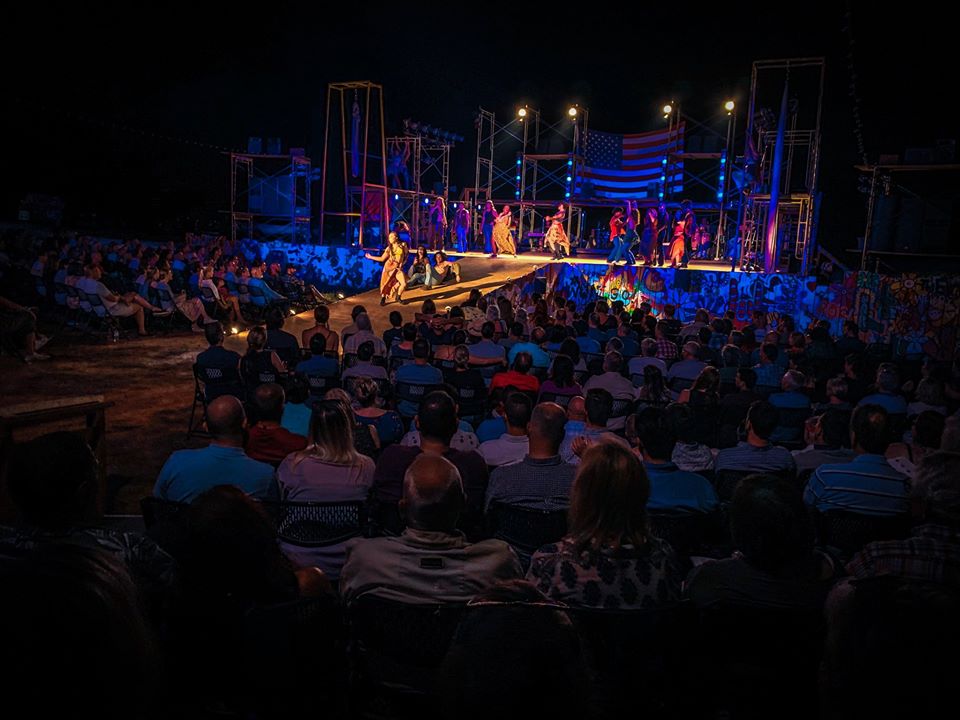


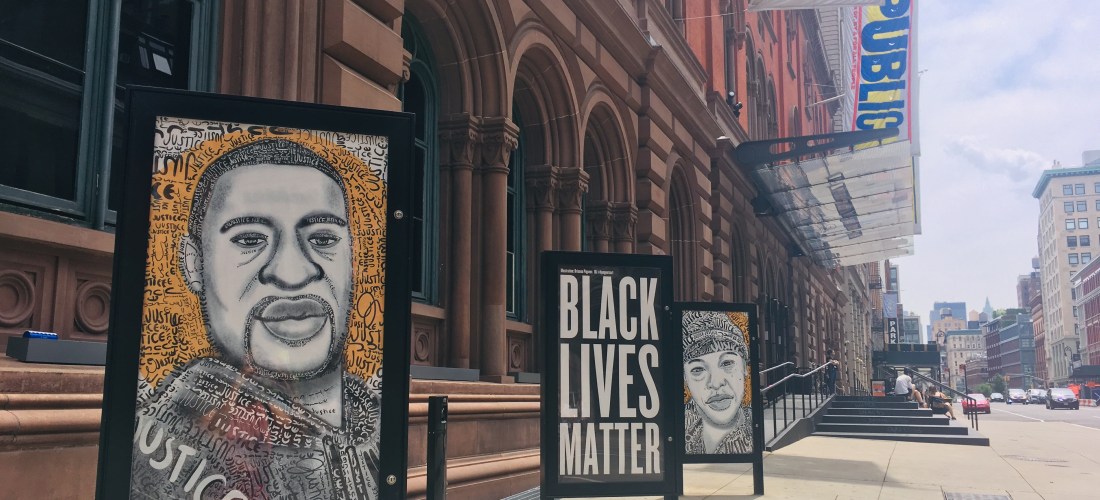


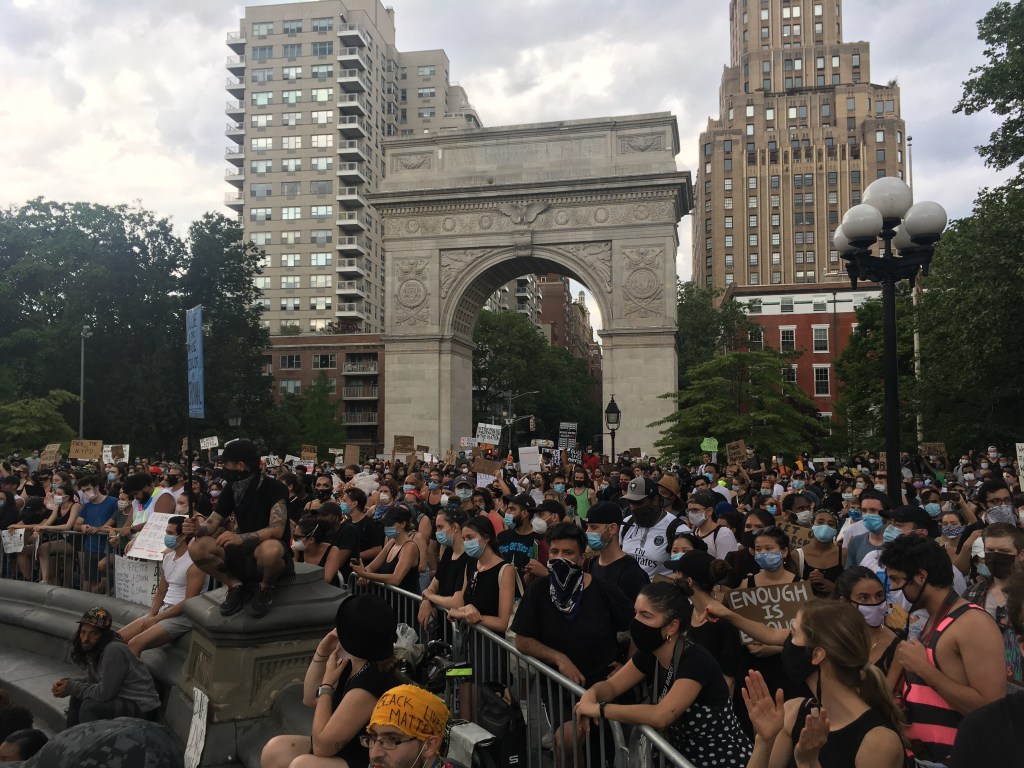




 Token Theatre Friends