The Visitor: A Case Study in White Savior Storytelling

Reviews, Uncategorized
Credit: The Public

In The Visitor, the new Tom Kitt scored musical that recently premiered at The Public Theatre, a white professor and Syrian refugee develop a friendship that feels more transactional than earnest. As framed by Brian Yorkey and Kwame Kwei-Armah’s book, the currency that drives their relationship is white savior antics that leave both characters poorer.

Walter (David Hyde Pierce), the show’s “hero”, begins the show in an emotional malaise due to the passing of his wife. Tarek (Ahmad Maksoud) strikes up a friendship with Walter and teaches him how to play the drums. As Walter begins to develop rhythm on the drums he also finds a new zest for life. Tarek is arrested for jumping a subway turnstile and faces certain deportation. Walter attempts to “save” Tarek from deportation and ultimately fails. Walter moves on with his life and decides to finish his book. In short, one family’s traumatic journey through the asylum-seeking process is framed as a set of checkpoints for a white man’s social and emotional awakening. 

Throughout the show, Walter is fed a steady supply of trauma porn to consume as a philosophical romp through his white privilege. At one point, Walter offers Zainab, Tarek’s partner, his apartment to stay the night. Zainab steadfastly refuses and provides an account of past sexual trauma that she has suffered. For the first time ever it seems, Walter is pensive over the sexual violence that women suffer at the hands of misogyny and white supremacy. This episode ends with Walter feeling pangs of white guilt before quickly moving on.

Even the driving force of the show, Tarek’s detention, is treated with this level of disregard. During a visit, Tarek drops all sense of agency despite being a long time survivor of American xenophobia and begs, “Walter get me out of here.” It is as if he has no other option for help but his new white friend. Indeed, Tarek’s actual support system is sidelined into an overzealously grateful ensemble to Walter’s magnanimity. 

Mouna, Tarek’s mother, who flies to New York after learning about Tarek’s arrest, is reduced to a damsel in distress who thanks Walter for just being there. A semi-flirtatious relationship arises between the two with Walter finding romance for the first time since his wife’s passing. This ignores Zainab’s earlier warning that  romantic propositions carry transactional weight when a white man holds all of the power. Though Walter is eager to revel in his white guilt, he does little to change himself or the system that he actually participates in.

As Alysha Deslorieux, in the show’s most believable performance, says through Zainab, “if the charity isn’t silent, then you are the charity.” If only the show had switched from its focus on Walter’s supposed charity to allow this message to actually resonate by giving equal time to other characters in The Visitor.

Instead, we are offered choreographed musical numbers with ICE agents that left one wondering if this was the best format to tell Tarek’s story. Far from entertaining, slant rhymes in a detention center coupled with the inhumane conditions that they are known for make light of the real trauma that refugees experience. Rather than address the power dynamics that accompany the asylum-seeking process, The Visitor sidelines its intricacies to elevate Walter’s finding a new sense of purpose by playing at being the hero. 

There is no place for white savior narratives in stories that purport to be about people of color. Previews for The Visitor were pushed back by a week in an effort to restructure the show’s representation of race. That was the right move, but it was clearly not enough. I hope that this musical is seen as a relic of pre-pandemic theatre and warns future theatre makers of the harm they can cause by investing theatre’s precious resources in the wrong stories.
Ep. 36: Black Feminist Video Game (Feat. Victoria Collado and Darrel Alejandro Holnes)

Podcast
Credit: The Civilians

Every week, the culture critics at Token Theatre Friends bring their fresh perspectives to the performing arts on their podcast and video series. You can find the podcast on Spotify, iTunes, and Stitcher (look for the all-red logo). The video series is available on YouTube. The TTF theme song is by Sean Mason (with vocals by Angela Ramos). The video animation is by Brad Ogden, with logos by Jason Simon.

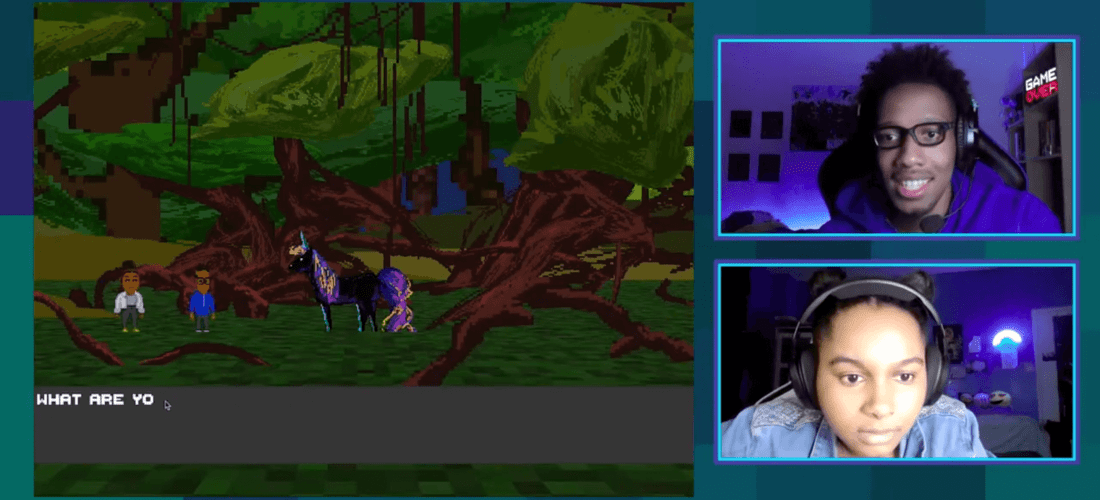
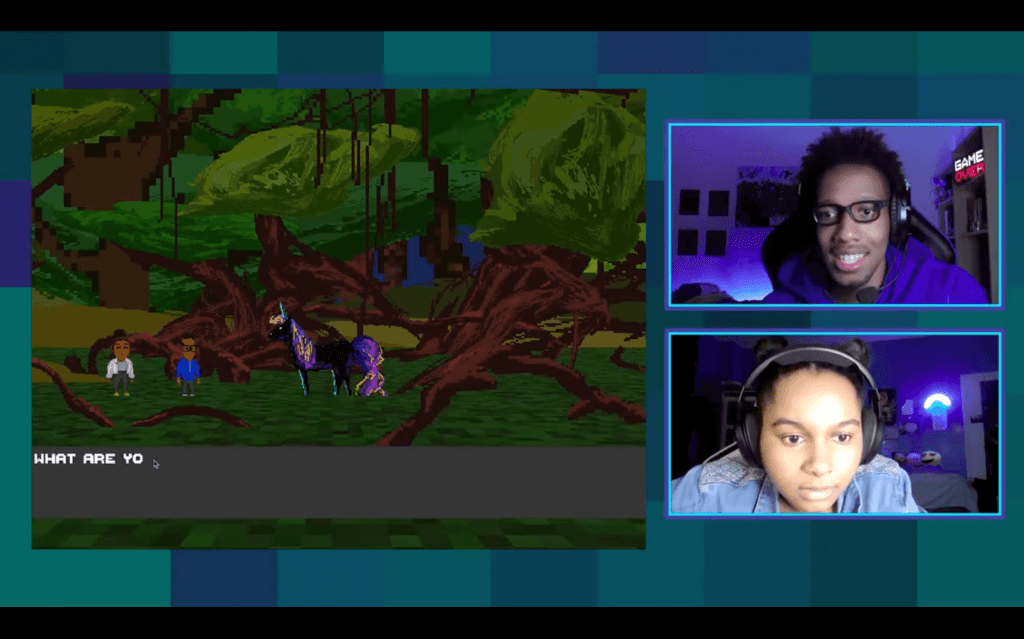
In this episode, Jose speaks to the creative minds behind Black Feminist Video Game. In the play, Jonas, a biracial teenager with autism, learns about feminism through a classic video game. Playwright Darrel Alejandro Holnes talks about discovering a safe space in gaming. Director Victoria Collado explains how the digital world lent itself to an immersive theatrical experience.

Black Feminist Video Game is a production by The Civilians, with a rolling digital premiere at 59E59, Center Theatre Group, and the Oregon Shakespeare Festival.

References

Ep. 35: Shadow/Land: Part Play Part Poem

Podcast
Courtesy of the Public Theater

Every week, the culture critics at Token Theatre Friends bring their fresh perspectives to the performing arts on their podcast and video series. You can find the podcast on Spotify, iTunes, and Stitcher (look for the all-red logo). The video series is available on YouTube. The TTF theme song is by Sean Mason (with vocals by Angela Ramos). The video animation is by Brad Ogden, with logos by Jason Simon.

In this episode, Brittani and Alexi review Shadow/Land at the Public Theater. The show explores the relationship between a mother and daughter who are forced to stay in New Orleans as Hurricane Katrina engulfs the city. Both Brittani and Alexi agree that the piece is part play, part poem as they recite their favorite lines. The poetic language clearly outlined the systemic barriers that put black people’s lives at risk during Hurricane Katrina. You can listen to the play for free here.

The friends also reviewed ‘A’ (What The Black Girl Found While Searching For God) by Taji Senior. The show follows the protagonist’s intimate and vulnerable journey towards understanding her identity as a black woman. The play is the latest episode released by The Parsnip Ship and can found here.

References

  • Shadow/Land by Erica Dickerson-Despenza
  • ‘A’ (What The Black Girl Found While Searching For God) by Taji Senior

Ep. 34: The Immigrants

Podcast
Courtesy of Focus Features

Every week, the culture critics at Token Theatre Friends bring their fresh perspectives to the performing arts on their podcast and video series. You can find the podcast on Spotify, iTunes, and Stitcher (look for the all-red logo). The video series is available on YouTube. The TTF theme song is by Sean Mason (with vocals by Angela Ramos). The video animation is by Brad Ogden, with logos by Jason Simon.

In this episode, Alexi and Murtada talk about the March on Broadway organized by the Actor’s Equity Association. They discuss the need for systemic reform to prevent future manifestations of abusive behavior within the theatre industry. Both hope that this reckoning is just the beginning of an industry-wide effort towards transformational change.

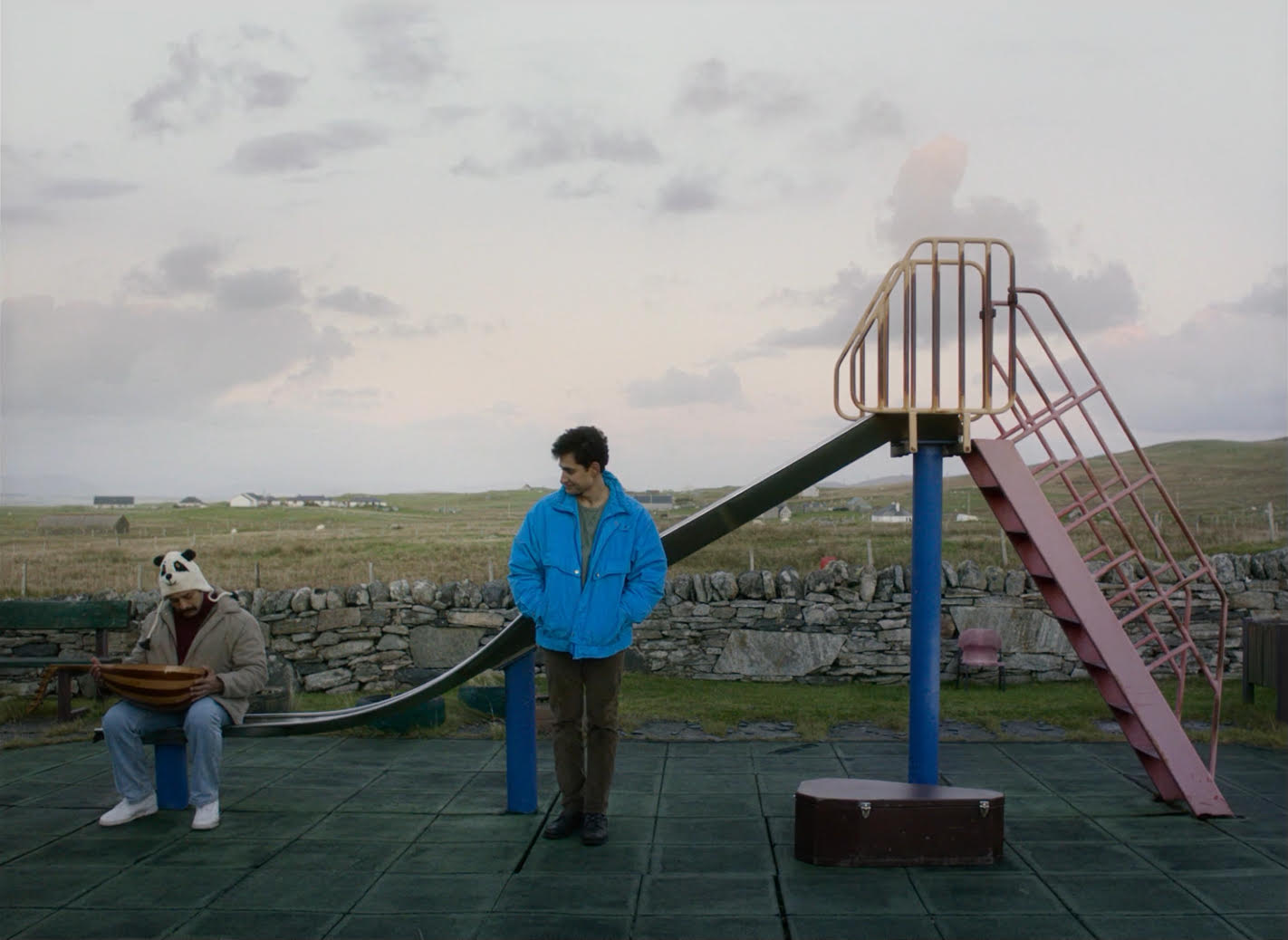
The friends also review the film Limbo directed by Ben Sharrock and the play Honduras written by Sara Farrington. Both pieces portray the experiences of immigrants and asylum seekers leaving their homeland and establishing their lives in new countries. Limbo takes a whimsical approach that Murtada likens to Waiting for Godot, whereas Honduras tells the stories of 3 Honduran mothers in very much the same style as Anna Deveare Smith’s one-woman show Fires in the Mirror. Limbo opens in theatres April 30th and Honduras will be available to stream May 3rd-8th.

References

Ep. 33: Messy Characters/Meaningful Theatre

Podcast
Credit: Simpatico Theatre/Public Theater

Every week, the culture critics at Token Theatre Friends bring their fresh perspectives to the performing arts on their podcast and video series. You can find the podcast on Spotify, iTunes, and Stitcher (look for the all-red logo). The video series is available on YouTube. The TTF theme song is by Sean Mason (with vocals by Angela Ramos). The video animation is by Brad Ogden, with logos by Jason Simon.

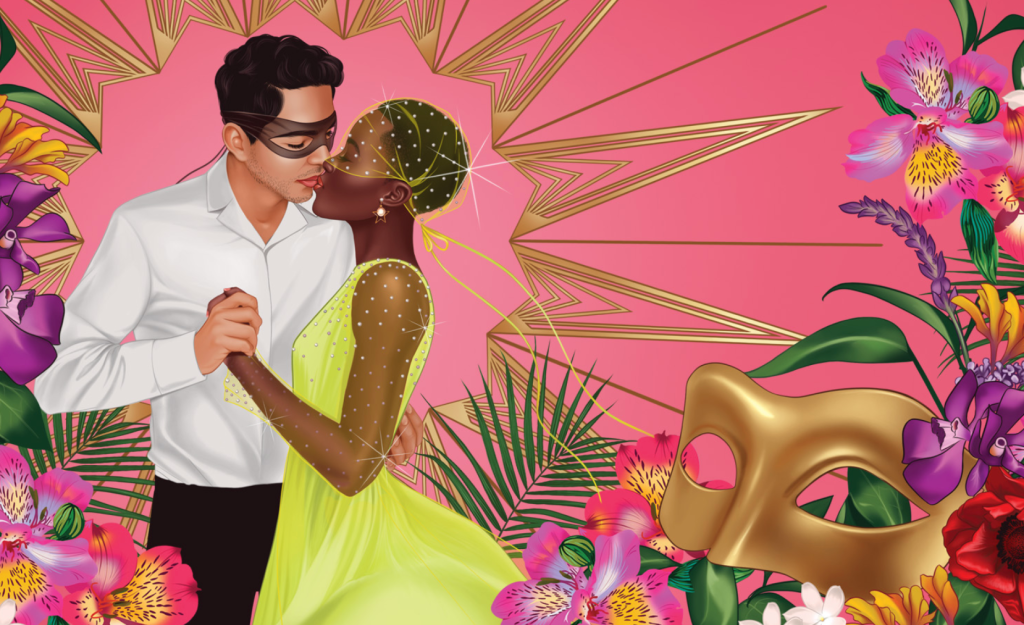
In this episode, Alexi and Juan review Romeo Y Julieta at The Public Theater. The show’s bilingual translation reminded Alexi of the chismes in his family spilling the tea (some might say he himself is the chisme). Both agreed that maybe it was best to leave behind the old English and bring this Shakespeare classic into a full Spanish telenovela setting.

The friends also reviewed Twenty-Six by Ang Bey. The show was part of Jouska Play Works New Play Showcase at Simpatico Theatre. Juan points out that these characters are MESSY, but nothing less is expected as the play provides an unvarnished view of what it means to figure out your gender identity and sexual orientation.

References

Ep. 32: No COVID Musicals Please!

Podcast
Courtesy of Donmar Warehouse

Every week, the culture critics at Token Theatre Friends bring their fresh perspectives to the performing arts on their podcast and video series. You can find the podcast on Spotify, iTunes, and Stitcher (look for the all-red logo). The video series is available on YouTube. The TTF theme song is by Sean Mason (with vocals by Angela Ramos). The video animation is by Brad Ogden, with logos by Jason Simon.

In this episode, Ayanna and Alexi get in their feels as they reminisce over the last in-person shows they each saw before the pandemic began 1 year ago (for most of us). They have high expectations for the first season of in-person shows and make one request: NO musicals about pandemics please! That means no theatrical adaptation of Michael Bay’s Covid-19 drama, Songbird.

The Friends review Monuments, a short film directed Sara Aniqah Malik in collaboration with Donmar Warehouse in the U.K. The film features the oral histories of BIPOC youth in London as they recount their experiences with racism. Ayanna gushes over the production of Simply Sondheim at the Signature Theatre and tells us how “Being Alive” takes on new meaning in light of the pandemic

References:

  • Monuments directed by Sara Aniqah Malik at Donmar Warehouse.
  • Simply Sondheim directed by Matthew Gardiner at Signature Theatre.
  • Circle Jerk by Michael Breslin & Patrick Foley.
  • Six by Toby Marlow & Lucy Moss.
  • Company directed by Marianne Elliott at Bernard B. Jacobs Theatre.
  • The Minutes by Tracy Letts at Cort Theatre.
  • Rent Jonathan Larson at Bernard Sunley Lecture Theatre.
  • To Kill A Mockingbird by Aaron Sorkin at Shubert Theatre
  • Songbird produced by Michael Bay.


Ep. 31: Romeo y Julieta (Feat. Saheem Ali and Ricardo Pérez González)

Podcast
Courtesy The Public Theater.

Every week, the culture critics at Token Theatre Friends bring their fresh perspectives to the performing arts on their podcast and video series. You can find the podcast on Spotify, iTunes, and Stitcher (look for the all-red logo). The video series is available on YouTube. The TTF theme song is by Sean Mason (with vocals by Angela Ramos). The video animation is by Brad Ogden, with logos by Jason Simon.

In this episode, Jose talks to Saheem Ali and Ricardo Pérez González. The director and playwright discuss their bilingual adaptation of William Shakespeare’s Romeo and Juliet. Now titled Romeo y Julieta, the audio-play transforms Verona into a sonically layered version of Latin America. The star-crossed lovers are played by Juan Castano and Academy Award winner Lupita Nyong’o.

Ali talks about the first time he saw Nyong’o as Juliet almost two decades ago, while Pérez González recounts how the Spanish of San Juan, Puerto Rico shaped the adaptation. The two also discuss what it was like to work on a script remotely, and why audience members ought to let the beauty of the Spanish language wash over them. Even if they don’t exactly know what the words mean.

References:

Ep. 30: Thank You Theater-Makers (Ft. Daniel K. Isaac)

Podcast
Credit: Damien Alexeev

Every week, the culture critics at Token Theatre Friends bring their fresh perspectives to the performing arts on their podcast and video series. You can find the podcast on Spotify, iTunes, and Stitcher (look for the all-red logo). The video series is available on YouTube. The TTF theme song is by Sean Mason (with vocals by Angela Ramos). The video animation is by Brad Ogden, with logos by Jason Simon.

It’s been one year since theaters shut down all over the world. We’re all still processing our new reality in different stages. The way to commemorate this strange anniversary couldn’t be one of just sadness over what we lost or admiration at the perseverance of artists. Instead we thought our tone should reflect what’s mostly in our hearts: gratitude.

This is the first episode in a series called “Thank You Theater-makers.” We talk to artists who have been experimenting with new mediums, rediscovering skills or realizing untried dreams. We talk to artists who have been holding space for their mental health and experiencing grief. We talk to artists who gave us their gift in new ways, and to those who we are sending love to, while they resume the practice of their craft.

We begin this series with one of our favorite guests, Daniel K. Isaac. The versatile actor who has charmed us with his warmth and immense love for theater. Over the past year he has showcased his natural talent as a playwright and delighted us on social media with his book recommendations. We talk to Isaac about returning to his TV work on Billions, and what’s next for him as a writer.

Thank you, Daniel ❤

References:


Carpe Donum (Ft. André De Shields)

Podcast
Credit: Lia Chang

Every week, the culture critics at Token Theatre Friends bring their fresh perspectives to the performing arts on their podcast and video series. You can find the podcast on Spotify, iTunes, and Stitcher (look for the all-red logo). The video series is available on YouTube. The TTF theme song is by Sean Mason (with vocals by Angela Ramos). The video animation is by Brad Ogden, with logos by Jason Simon.

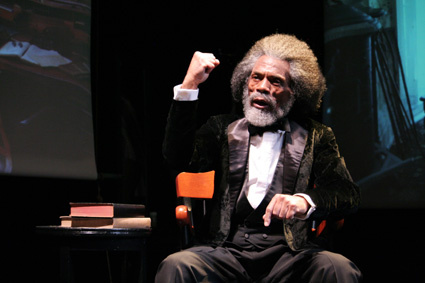
In this episode, Jose talks to Tony winner André De Shields. The legendary performing activist talks about his upcoming performance as Frederick Douglass in Mine Eyes Have Seen the Glory.
The piece is part of Flushing Town Hall’s Black History Trilogy, a celebration of Black History Month.

During the conversation, De Shields speaks about the clash of evolution and history, and his role as a messenger. He also talks about the circularity of history and the spirits of the theatre. It’s a delightful talk emboldened by De Shields’ charm and wisdom.

References:

Review: Pride and Prejudice (Civic Theatre)

Reviews
Credit: Civic Theatre

Bells are ringing on the snow-globe inspired stage of The Civic Theatre’s Pride and Prejudice, as young women assemble around a table filled with golden varieties of the instrument. Their fascination quickly turns into urgent, yet elegant, hoarding. A more composed young lady picks up a tiny, rather plain looking, bell almost left behind. She stares at it wishfully before she hides it in her pocket…

Hello, Lizzie. Long time, no see.

As this prologue, and its ringing, end the Bennets settle into their onstage home to a string quartet version of the 2019 electro-pop hit “Dance Monkey.” It’s the correct way to press all the right buttons for the 2021 Jane Austen lover.

Since the pandemic started, Austen has gained a particular kind of traction. The option to meet prospects face-to-face vanished, and dating seemed to regress to a more romantic (albeit physically distant) time. From funny to hopeful, memes, tweets and articles flourished on the subject. The phenomenon climaxed with the record-breaking Bridgerton, currently the most watched show in Netflix’s history. The series delves on the lives, and more-erotic-than-Austen, romantic hopes of young Britons in Regency London. It’s also set in the same year Pride and Prejudice takes place.

One of Bridgerton’s trademarks is the use of string versions of recognizable pop hits, like “Dance Monkey.” Their inclusion (alongside a dozen additional selections, including Ocean Away from the Bridgerton TikTok musical you didn’t know existed) makes the Civic a ten-thousand-pounds-a-year-worth winker to Austen contemporary audiences. It also shows how theatre can, and should, be part of multimedia storytelling universes, while still being just theatre.

The actors wear face masks that match their outfits and alternate in removing them for certain lines. The masks dangle as unobtrusively as grandma specs until they go on again. Anne Beck choreographed each movement following CDC procedures.

The stage is set up à la multi-camera sitcom, the play was recorded from the empty audience. Director Emily Rogge’s set-up makes it easy to stay invested in Kate Hamill’s adaptation, while occasionally focusing on specific details. The simplicity of the space and complementary pops of colors, from backdrop to wardrobe pieces, creates a captivating presentation.

The female actors easily dominate the stage. Megan Tiller does beautifully as Lizzie, with a precise Frankie Bolda as her best friend, Charlotte Lucas. The genuine warmth in their scenes feels the most Austen in the entire show. Bolda, also doubles as Mary Bennett. She’s one of six performers playing dual roles.

Jennifer Sims knows how to fully occupy the stage and Mrs. Bennet’s shoes. She does so in a boisterous manner that makes it quite easy to side with Darcy. Kelsey Vanvoorst fearlessly assumes the comedic relief as both Miss Bingley and Mr. Collins. Gender-bending a character like Mr. Collins is as fascinating as it is entertaining, but it doesn’t go beyond the blatant clashing of Austen’s usually inconspicuous brand of comedy.

Aside from Mr. Wickham, of course, the main enemy of this production is the use of a laugh track. For the Feb. 12th live stream, the track was “manned” by The Civic’s Executive Artistic Director, Michael Lasley, who introduced the tool to the audience and assured them that it would only be used in the parts he genuinely considered deserving of a laugh.

As a promoter of camaraderie, especially in socially distant environments, a laugh track is a great idea that needed a more democratic and, dare I say, female approach. There were worthy comedic moments that did not get the benefit of the track, while others, especially at the end of act two, were overindulged. But technicalities do little to overshadow the genuine charm of this Pride and Prejudice.

References:

  • Pride and Prejudice adapted by Kate Hamill from the Jane Austen novel. Streaming at the Civic Theatre.